The effectiveness of anterior latissimus dorsi and teres major tendon transfers from subscapularis and anterosuperior cuff tears to reverse shoulder arthroplasty: a narrative review
Chang Hee Baek, Jung Gon Kim, Bo Taek Kim, Chaemoon Lim

TL;DR
This review examines how tendon transfers can help treat complex shoulder injuries and improve outcomes in patients with rotator cuff tears and limited treatment options.
Contribution
The paper reviews the effectiveness of latissimus dorsi and teres major tendon transfers in treating complex shoulder conditions, particularly in reverse shoulder arthroplasty.
Findings
Latissimus dorsi transfer effectively replicates subscapularis function in irreparable tears.
Combined latissimus dorsi-teres major transfer improves joint stabilization in anterosuperior cuff tears.
LDTM transfer enhances shoulder function in reverse shoulder arthroplasty for massive cuff tears.
Abstract
Managing of rotator cuff tears, particularly those involving the subscapularis (SSC), anterosuperior cuff, and massive cuff tears with SSC insufficiency, presents significant clinical challenges. Tendon transfers, specifically latissimus dorsi (LD) and combined latissimus dorsi-teres major (LDTM), have emerged as effective surgical options across these scenarios. This review explores the utility and outcomes of these tendon transfers in addressing irreparable SSC tears, anterosuperior cuff tears, as well as massive cuff tears with SSC insufficiency in the context of reverse shoulder arthroplasty (rTSA). This review consolidates existing research on the biomechanics, clinical outcomes, and surgical techniques of LD and LDTM transfers, particularly for SSC tears, anterosuperior cuff tears, and in the context of rTSA for massive cuff tears with SSC insufficiency. The focus was on the…
Genes, proteins, chemicals, diseases, species, mutations and cell lines named across the full text — each resolved to its canonical identifier and authoritative record.
Click any figure to enlarge with its caption.
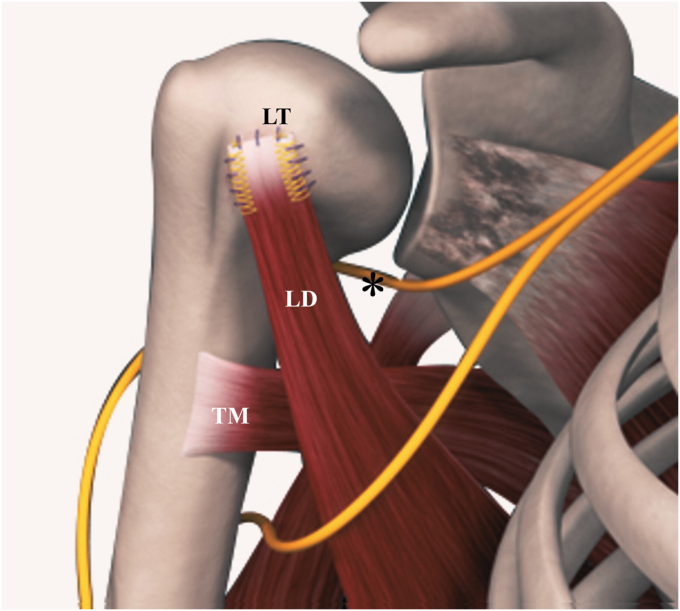 Figure 1
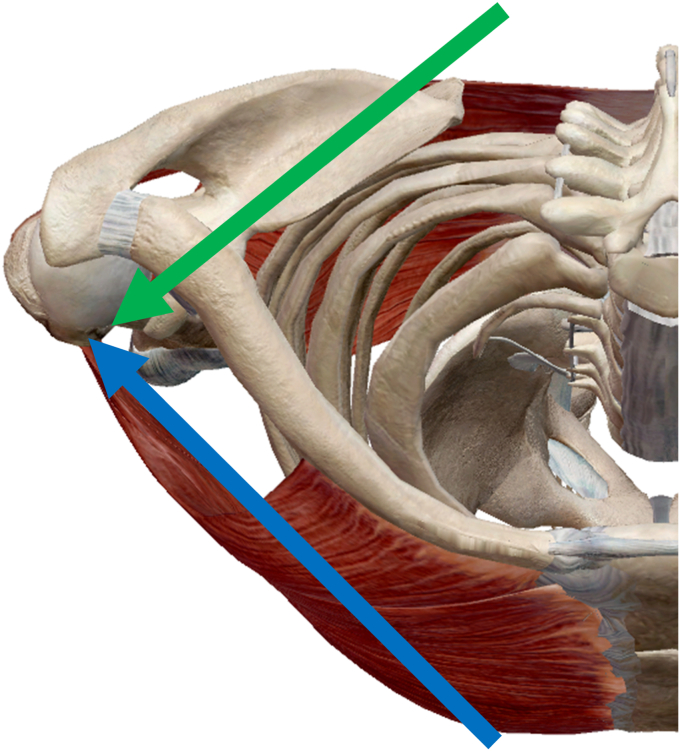 Figure 2
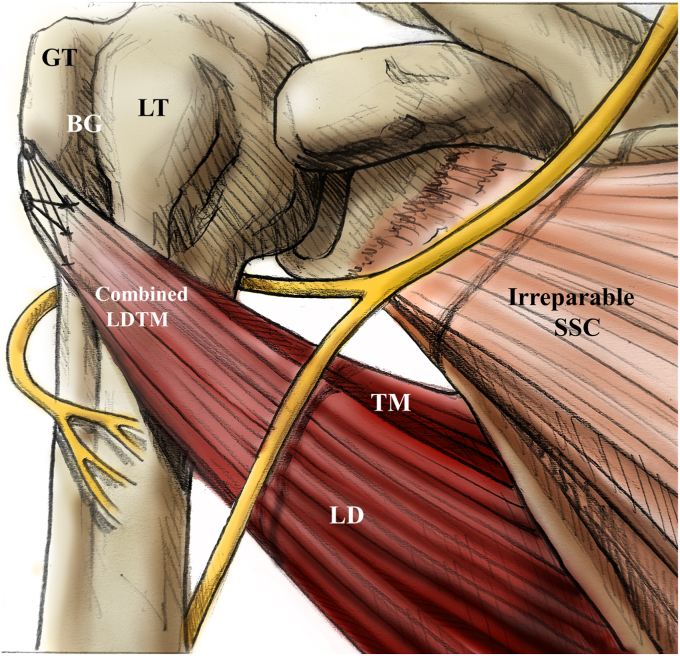 Figure 3
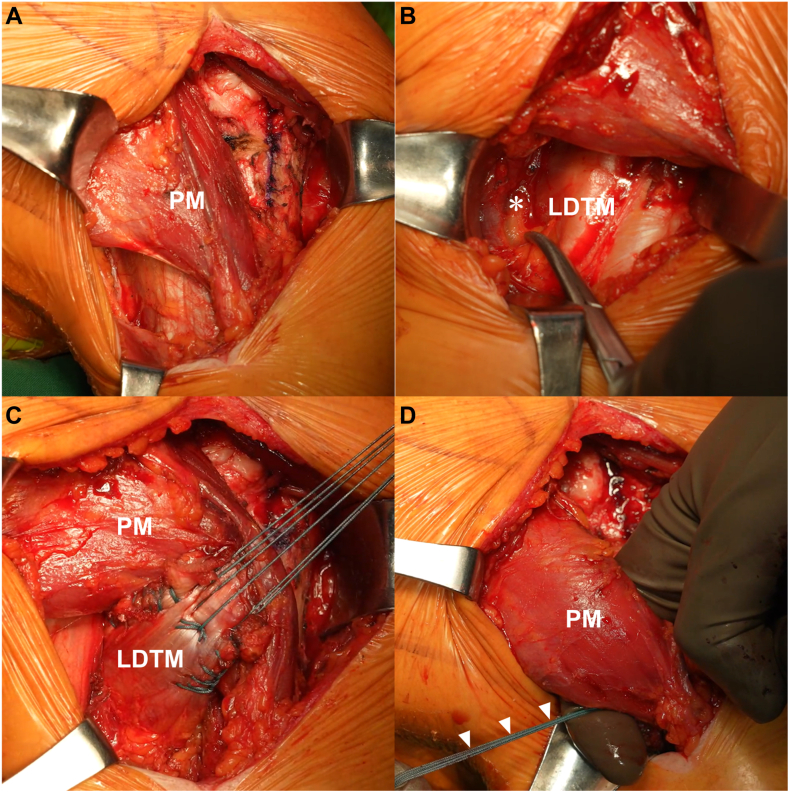 Figure 4
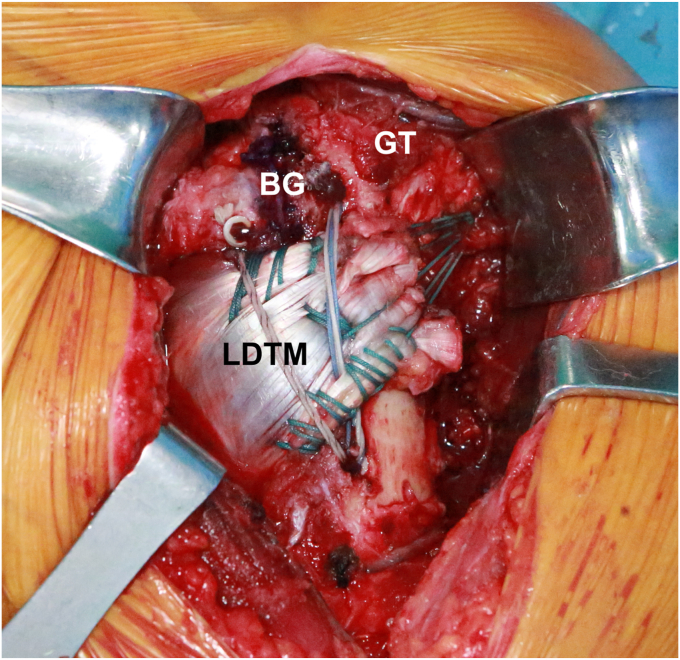 Figure 5
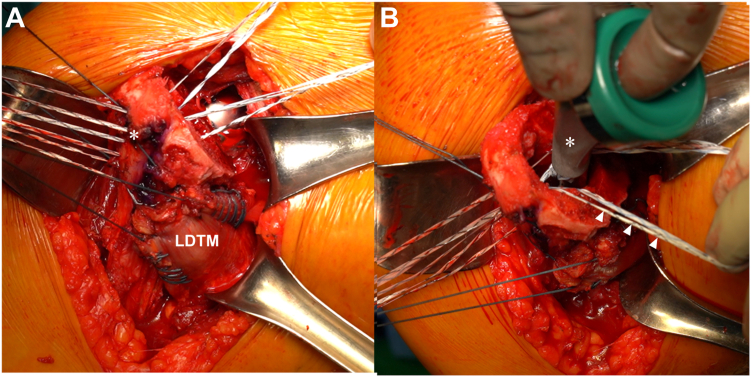 Figure 6
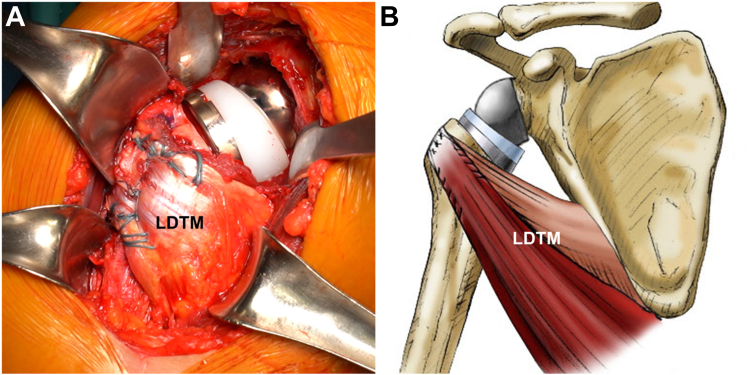 Figure 7
Peer Reviews
No public reviews on file for this paper yet. If you reviewed it on a platform where reviews are public (OpenReview, ICLR, NeurIPS, ICML), you can paste yours below so the community can read it here.
Videos
No videos yet. Explain this paper in a talk, walkthrough, or lecture? Add one.
Taxonomy
TopicsShoulder Injury and Treatment · Shoulder and Clavicle Injuries · Nerve Injury and Rehabilitation