Utilization of patient-reported outcome measures in shoulder and elbow surgery: a survey-based study
Niclas Lutz, Nils Käßer, Rony-Orijit Dey Hazra, Doruk Akgün, Markus Scheibel, Benedikt Schliemann, David Alexander Back

TL;DR
This study explores how often doctors in Germany, Austria, and Switzerland use patient-reported outcome measures in shoulder and elbow surgery and identifies barriers to their use.
Contribution
The study provides insights into the current utilization and perceived barriers of PROMs in shoulder and elbow surgery in the D-A-CH region.
Findings
Only 46% of physicians incorporate PROMs into daily practice, with significant variation in specific measures used.
Paper questionnaires remain the primary method for collecting PROMs, with limited use of digital tools.
PROMs are valued for research and treatment quality but hindered by subjective patient input and workload.
Abstract
Patient-reported outcome measures (PROMs) are widely established in shoulder and elbow surgery, as they are able to reflect the functional outcome after a respective treatment. However, various challenges exist to add PROMs into in the daily clinical practice. The aim of the presented study was to analyze the utilization of PROMs among shoulder and elbow physicians in Germany, Austria, and Switzerland. An online questionnaire (SurveyMonkey) assessed the use of shoulder- and elbow-specific PROMs in orthopedic and trauma surgery clinics across the D-A-CH region. Distributed via the D-A-CH Society for Shoulder and Elbow Surgery email list, surveys were enlisted from April to December 2024. Participation was voluntary, anonymous, and implied consent. Due to anonymity, European data protection regulations were not applicable. Ethical approval was obtained. Among 124 participants, 82% were…
Genes, proteins, chemicals, diseases, species, mutations and cell lines named across the full text — each resolved to its canonical identifier and authoritative record.
Click any figure to enlarge with its caption.
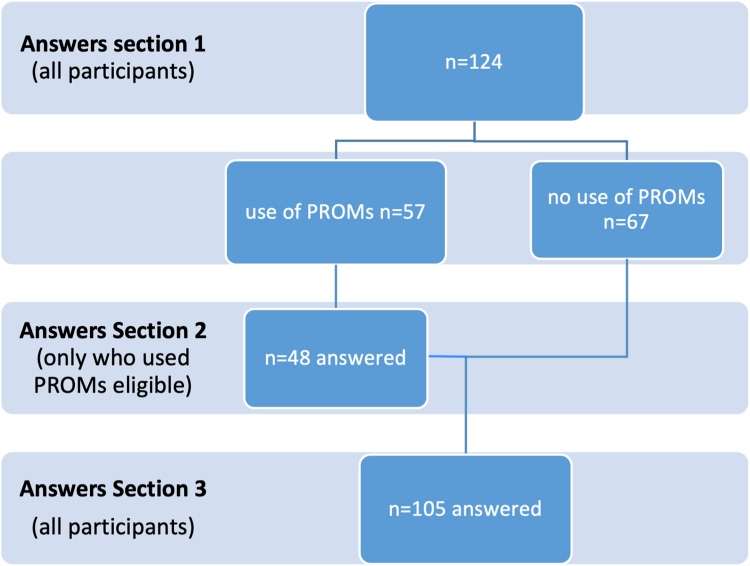 Figure 1
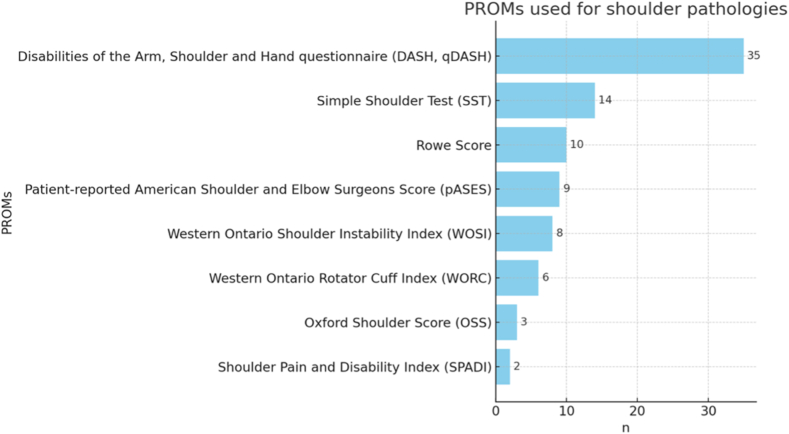 Figure 2
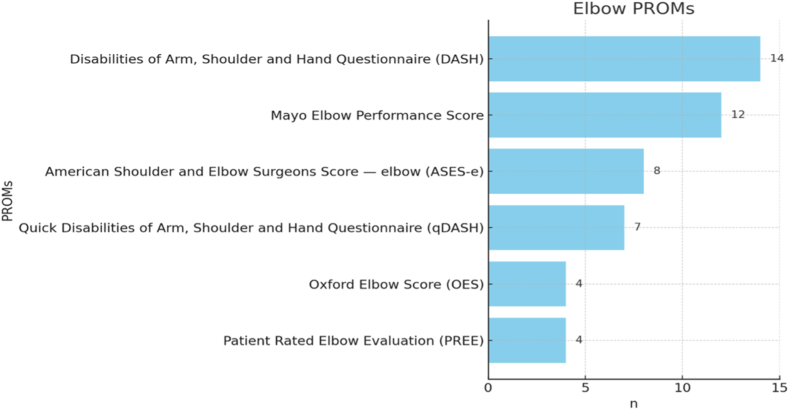 Figure 3
 Figure 4
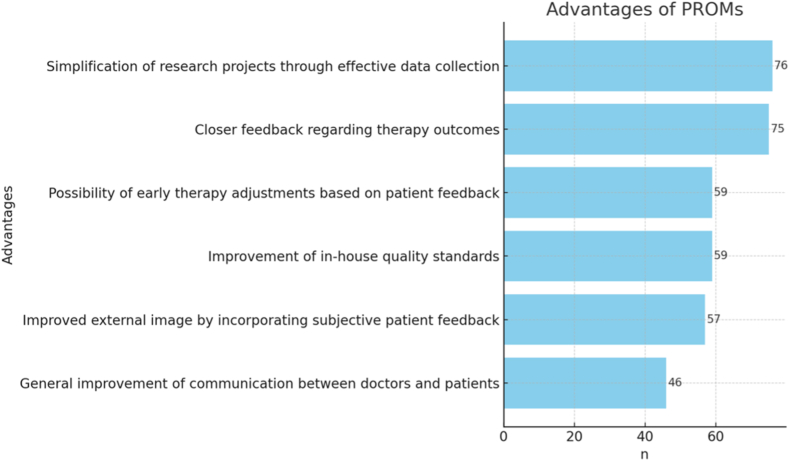 Figure 5
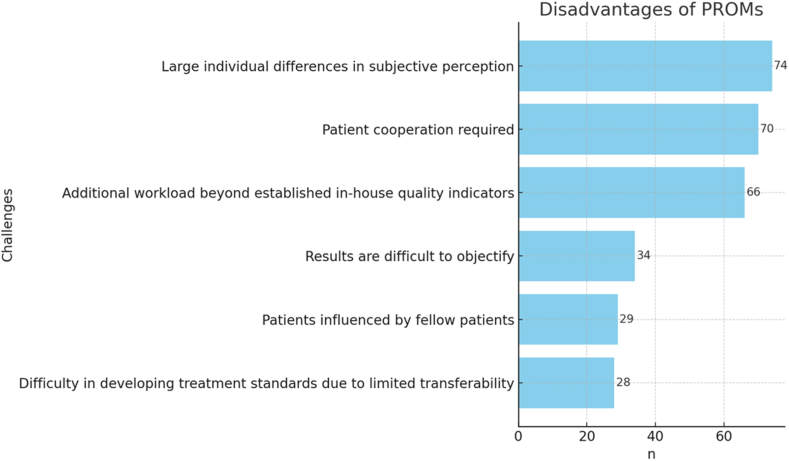 Figure 6
Peer Reviews
No public reviews on file for this paper yet. If you reviewed it on a platform where reviews are public (OpenReview, ICLR, NeurIPS, ICML), you can paste yours below so the community can read it here.
Videos
No videos yet. Explain this paper in a talk, walkthrough, or lecture? Add one.
Taxonomy
TopicsShoulder Injury and Treatment · Shoulder and Clavicle Injuries · Orthopedic Surgery and Rehabilitation