Multi-objective optimization of mechanical properties in PLA/SCG/silane composites using synthetic data and XGBoost
Atthaphon Ariyarit, Attasit Wiangkham, Phatthawit Siripaiboonsub, Jittiwat Nithikarnjanatharn, Wannisa Nutkhum, Prasert Aengchuan

TL;DR
This study uses data-driven methods to optimize the mechanical properties of eco-friendly composites made from polylactic acid, spent coffee grounds, and silane.
Contribution
A novel XGBoost-NSGA-II framework is introduced for multi-objective optimization of composite materials using synthetic data.
Findings
A data-driven model achieved high accuracy in predicting tensile strength and hardness of composites.
Optimal formulations were identified using NSGA-II, favoring higher PLA and moderate SCG and silane contents.
The best formulation achieved 53.33 MPa tensile strength and 80.06 Shore D hardness.
Abstract
Polylactic acid (PLA) composites reinforced with spent coffee grounds (SCG) and modified with a silane coupling agent (VTMS) offer a sustainable alternative for applications requiring biodegradability and enhanced mechanical performance. This study employed a data-driven approach to optimize tensile strength and Shore D hardness by varying the contents of PLA, SCG, and silane. Seventy-five composite samples were fabricated and tested, exhibiting tensile strengths of 26.5–57.9 MPa and hardness values of 77.5–80.8 Shore D. A multi-output XGBoost regression model, trained on 60% of the data and validated on the remaining 40%, achieved strong predictive accuracy (R2 = 0.884, MSE = 12.64 for tensile strength; R2 = 0.908, MSE = 0.071 for hardness) after augmentation with 159 synthetic samples generated via jittering, Gaussian noise, and kernel density estimation. Multi-objective optimization…
Genes, proteins, chemicals, diseases, species, mutations and cell lines named across the full text — each resolved to its canonical identifier and authoritative record.
Click any figure to enlarge with its caption.
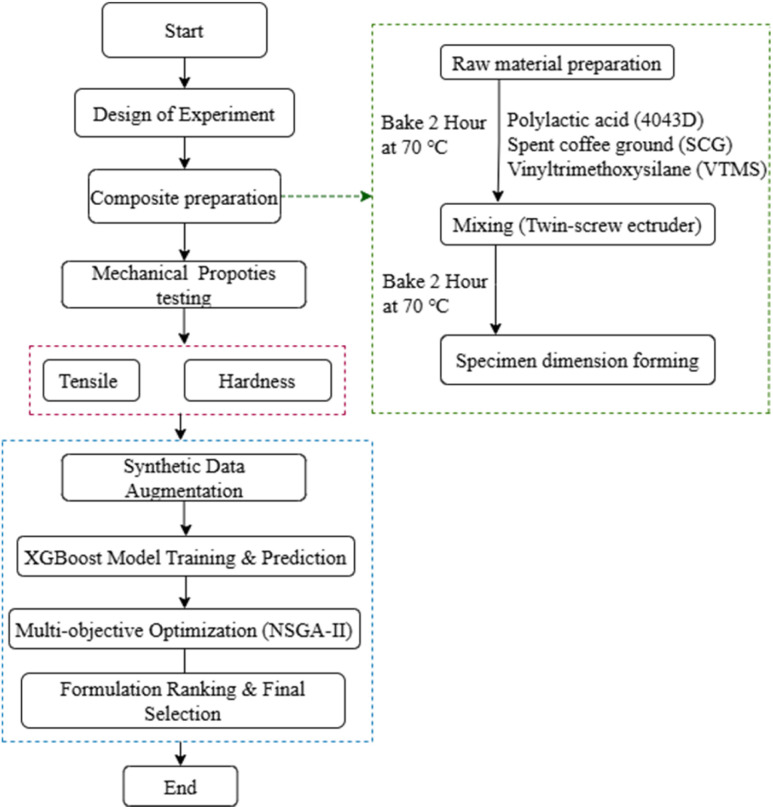 Figure 1
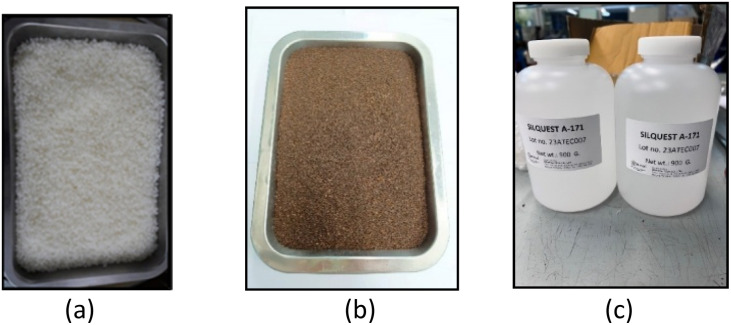 Figure 2
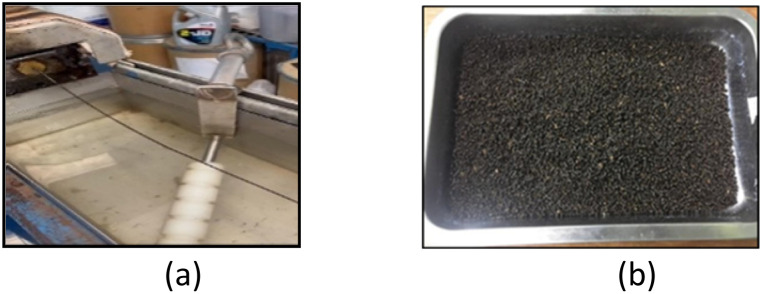 Figure 3
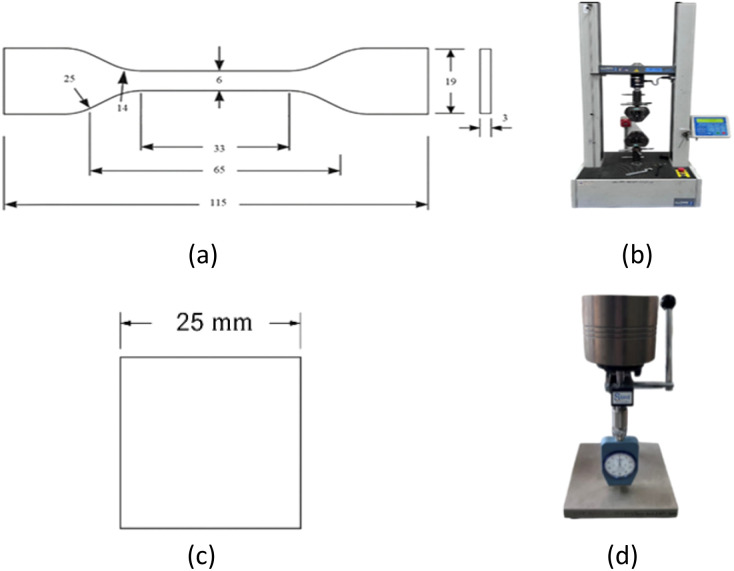 Figure 4
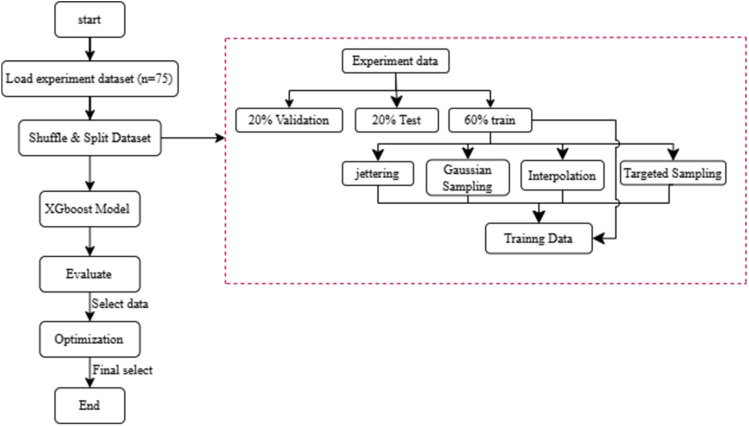 Figure 5
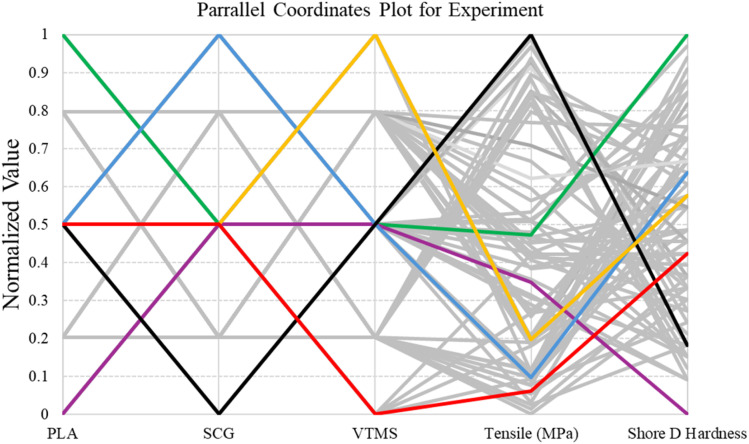 Figure 6
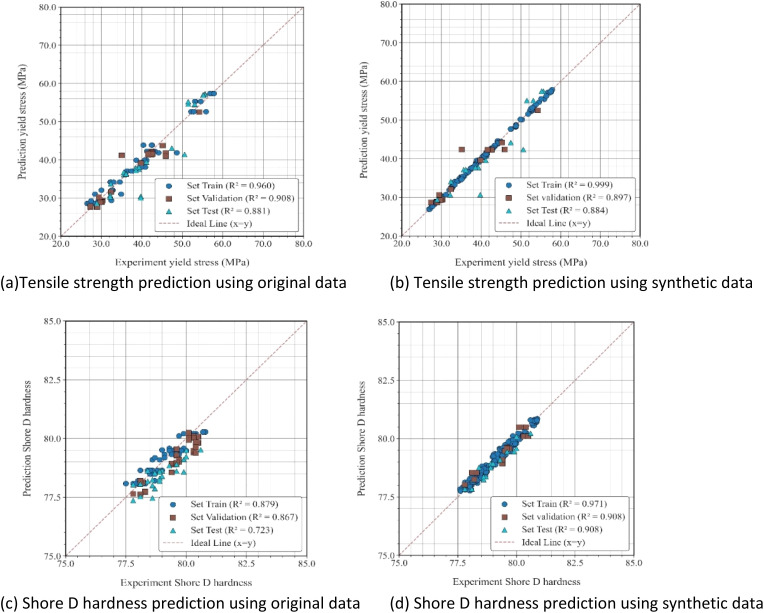 Figure 7
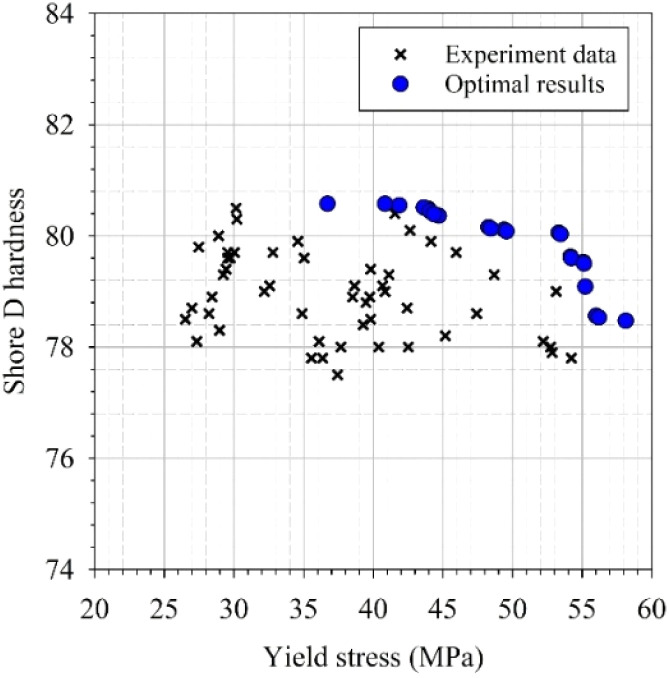 Figure 8
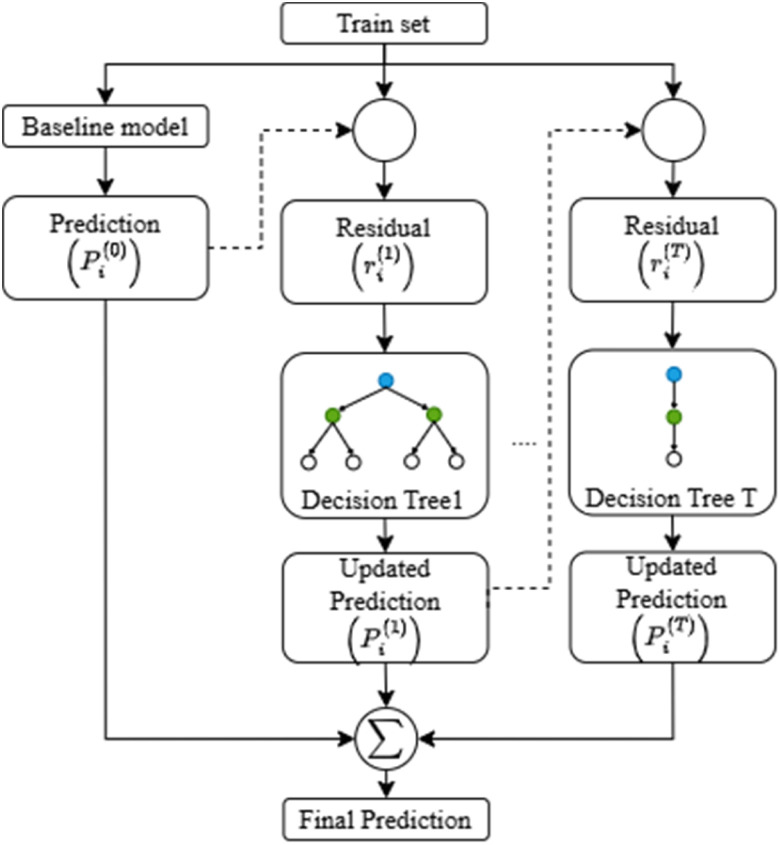 Figure 9
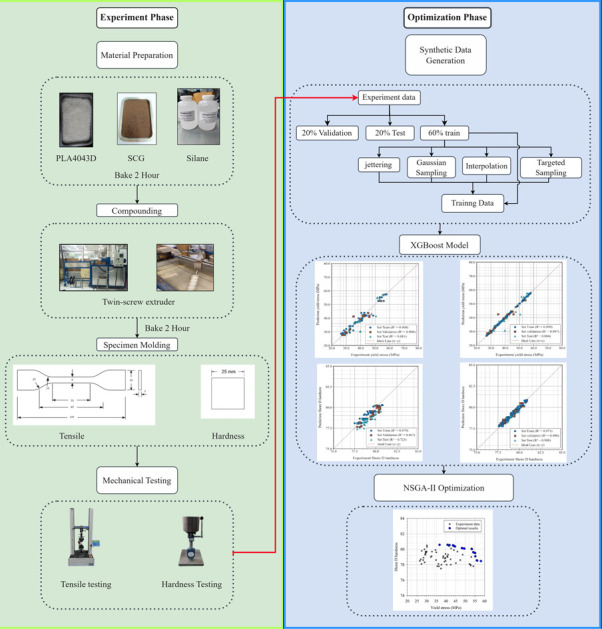 Figure 10
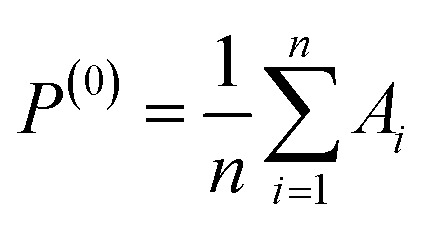 Figure 11
 Figure 12
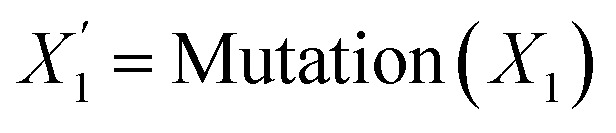 Figure 13
 Figure 14
 Figure 15
 Figure 16
 Figure 17
 Figure 18
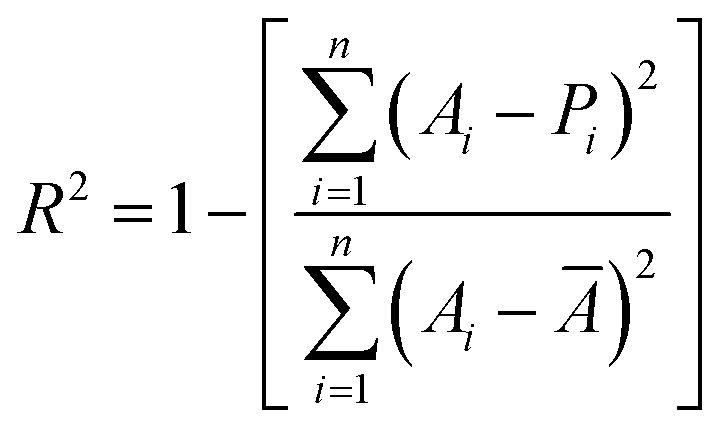 Figure 19
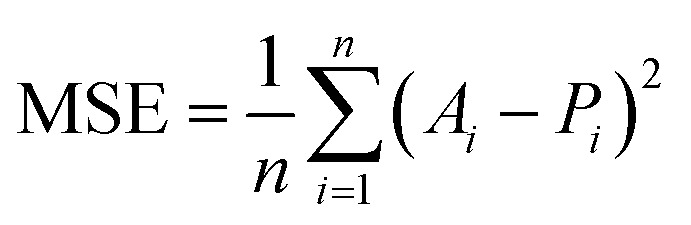 Figure 20
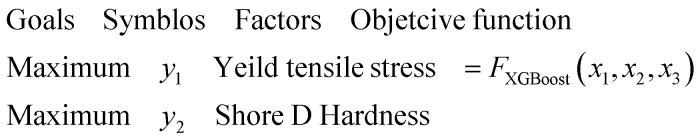 Figure 21
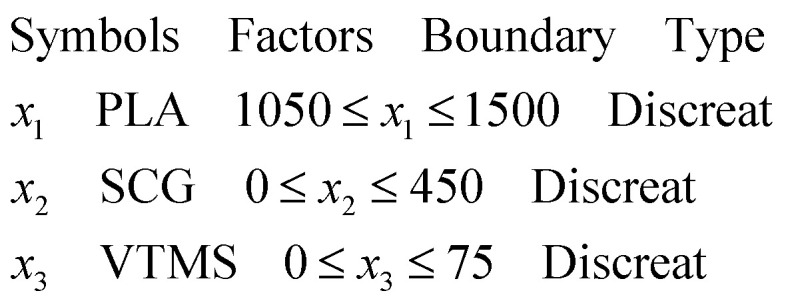 Figure 22
 Figure 23
Peer Reviews
No public reviews on file for this paper yet. If you reviewed it on a platform where reviews are public (OpenReview, ICLR, NeurIPS, ICML), you can paste yours below so the community can read it here.
Videos
No videos yet. Explain this paper in a talk, walkthrough, or lecture? Add one.
Taxonomy
TopicsNatural Fiber Reinforced Composites · biodegradable polymer synthesis and properties · Additive Manufacturing and 3D Printing Technologies