Sparse Canonical Correlation Analysis for Multiple Measurements With Latent Trajectories
Nuria Senar, Aeilko H. Zwinderman, Michel H. Hof

TL;DR
This paper introduces a new statistical method to analyze repeated high-dimensional data by capturing time-based patterns and correlations more efficiently.
Contribution
A novel sparse canonical correlation analysis method that incorporates longitudinal dynamics through latent variable modeling.
Findings
The proposed method reduces computational time in high-dimensional analyses compared to existing methods.
It successfully captures longitudinal trajectories in clustered data from real-world applications like the Human Microbiome Project.
The ℓ0 penalty improves interpretability and efficiency by enforcing sparsity in the model.
Abstract
Canonical correlation analysis (CCA) is a widely used multivariate method in omics research for integrating high‐dimensional datasets. CCA identifies hidden links by deriving linear projections of observed features that maximally correlate datasets. An important requirement of standard CCA is that observations are independent of each other. As a result, it cannot properly deal with repeated measurements. Current CCA extensions dealing with these challenges either perform CCA on summarized data or estimate correlations for each measurement. While these techniques factor in the correlation between measurements, they are suboptimal for high‐dimensional analysis and exploiting this data's longitudinal qualities. We propose a novel extension of sparse CCA that incorporates time dynamics at the latent variable level through longitudinal models. This approach addresses the correlation of…
Genes, proteins, chemicals, diseases, species, mutations and cell lines named across the full text — each resolved to its canonical identifier and authoritative record.
Click any figure to enlarge with its caption.
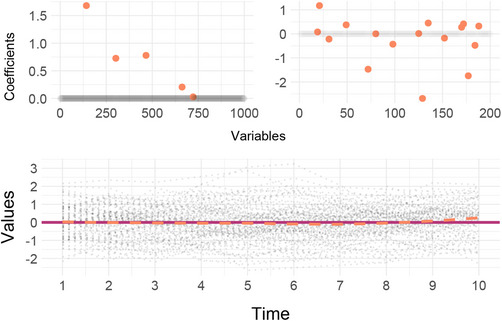 Figure 1
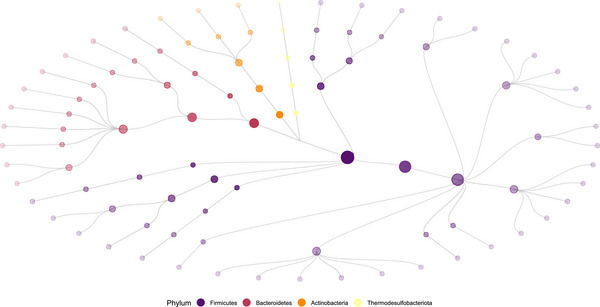 Figure 2
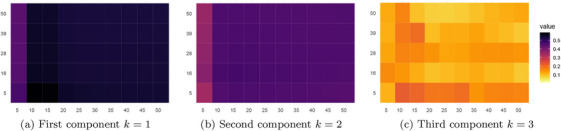 Figure 3
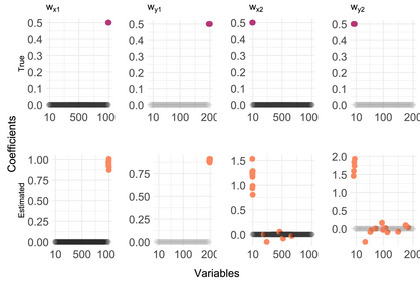 Figure 4
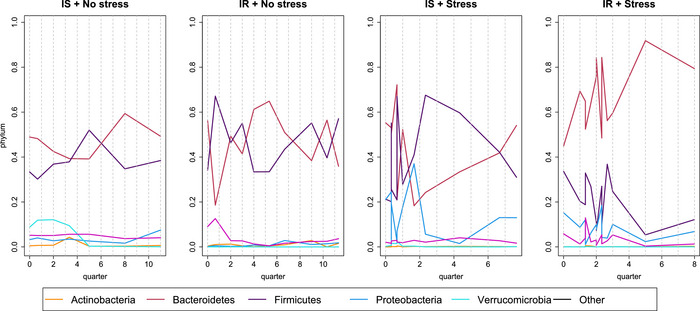 Figure 5
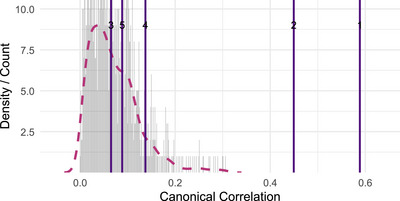 Figure 6
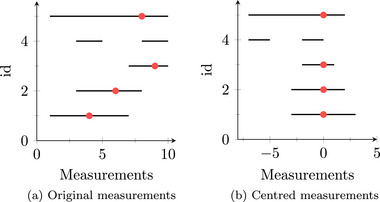 Figure 7
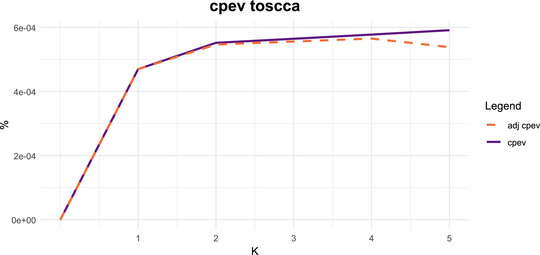 Figure 8
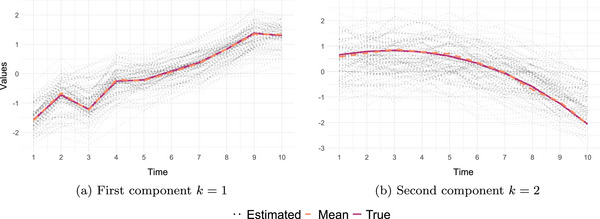 Figure 9
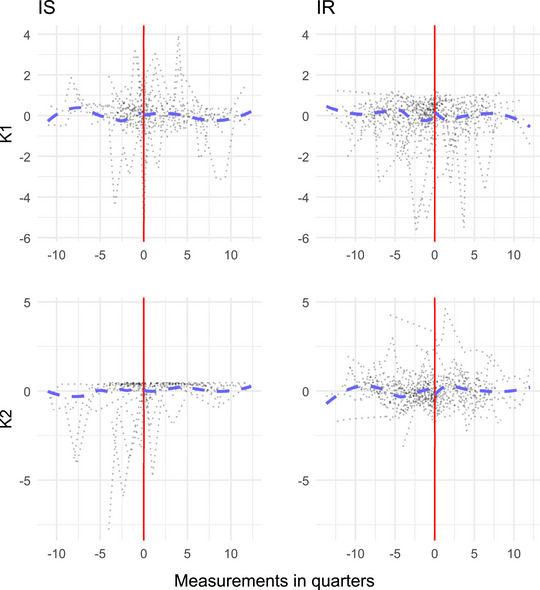 Figure 10
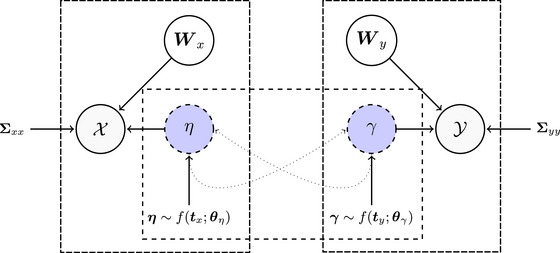 Figure 11
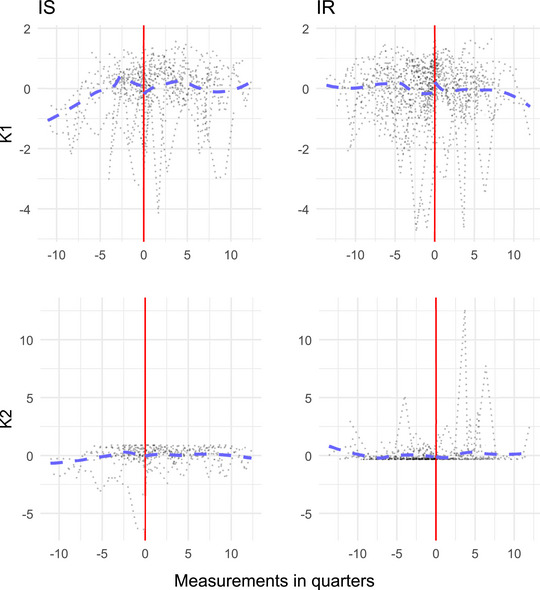 Figure 12
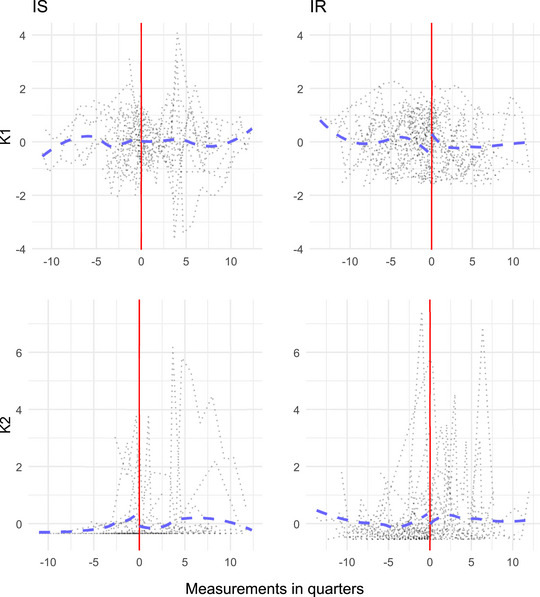 Figure 13
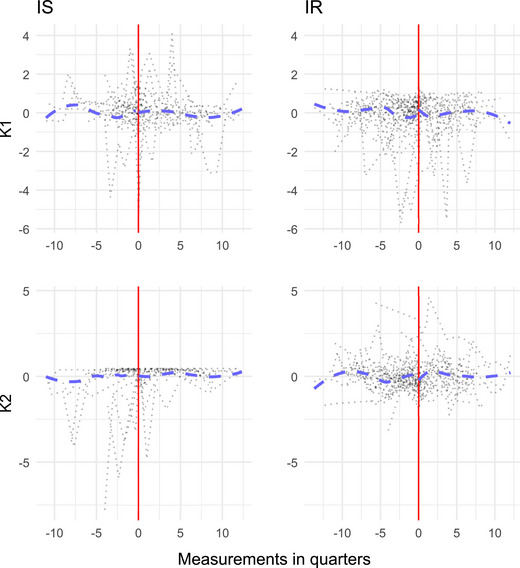 Figure 14
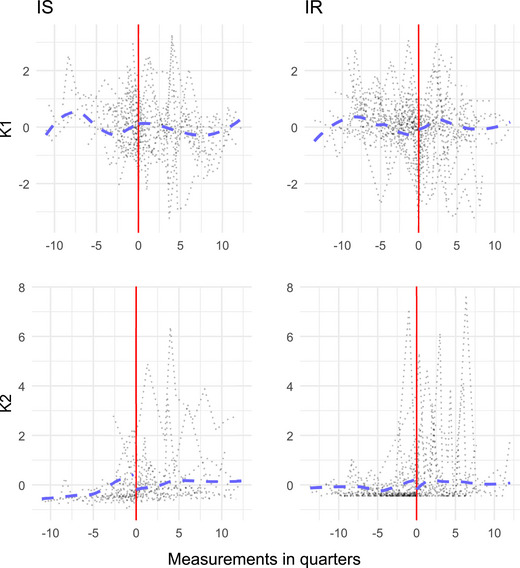 Figure 15
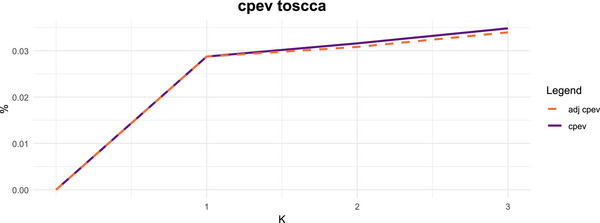 Figure 16
 Figure 17
Peer Reviews
No public reviews on file for this paper yet. If you reviewed it on a platform where reviews are public (OpenReview, ICLR, NeurIPS, ICML), you can paste yours below so the community can read it here.
Videos
No videos yet. Explain this paper in a talk, walkthrough, or lecture? Add one.
Taxonomy
TopicsBioinformatics and Genomic Networks · Mental Health Research Topics · Genetic Associations and Epidemiology