Printable Carbon Black/Graphite Conductive Ink toward Electrochemical Determination of Norfloxacin in Environmental Samples
Marcella Matos Cordeiro Borges, Thaís Cristina de Oliveira Cândido, Arnaldo César Pereira

TL;DR
A printable sensor made of carbon-based ink is developed to detect norfloxacin, an antibiotic contaminant, in environmental samples with high accuracy.
Contribution
A novel conductive ink-based electrochemical sensor for detecting norfloxacin in environmental samples is developed and tested.
Findings
The optimal ink composition for the sensor was found to be 33% graphite, 22% carbon black, and 45% stained-glass varnish.
The sensor achieved a detection limit of 0.227 μmol L–1 and a quantification limit of 0.756 μmol L–1 for norfloxacin.
The sensor demonstrated recovery values between 83.9 and 103.3% in real river water samples.
Abstract
Norfloxacin (NOR), a fluoroquinolone antibiotic widely used to treat urinary tract infections and gastrointestinal disorders caused by bacteria, poses a significant environmental concern. The widespread use of NOR can lead to the development of antibiotic resistance in human populations and, upon release into the environment, can contaminate aquatic and terrestrial ecosystems, potentially impacting human and environmental health. This work aimed to develop an electrochemical sensor printed with a conductive ink composed of graphite (Gr), carbon black (CB), and stained-glass varnish (SGV) for the detection of NOR in environmental samples. The optimal ink composition demonstrated 33% Gr, 22% CB, and 45% SGV. The morphology of the proposed sensor was designed by scanning electron microscopy and Fourier transform infrared spectroscopy, and electrochemical characterization was performed by…
Genes, proteins, chemicals, diseases, species, mutations and cell lines named across the full text — each resolved to its canonical identifier and authoritative record.
Click any figure to enlarge with its caption.
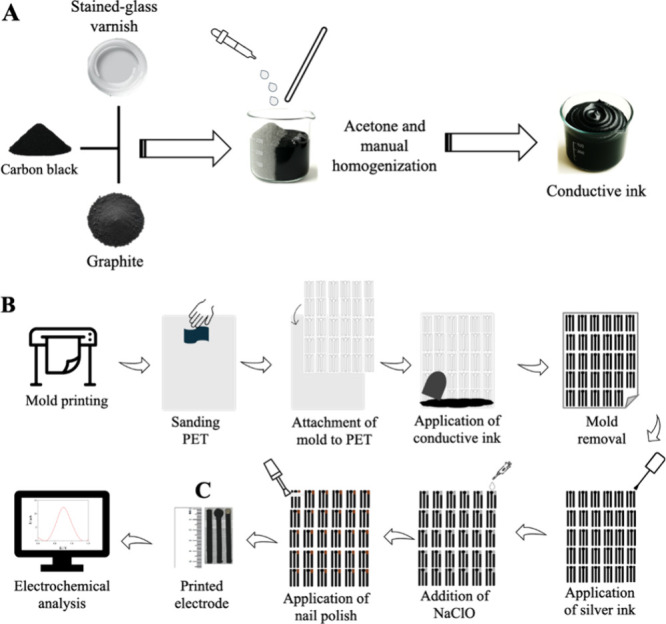 Figure 1
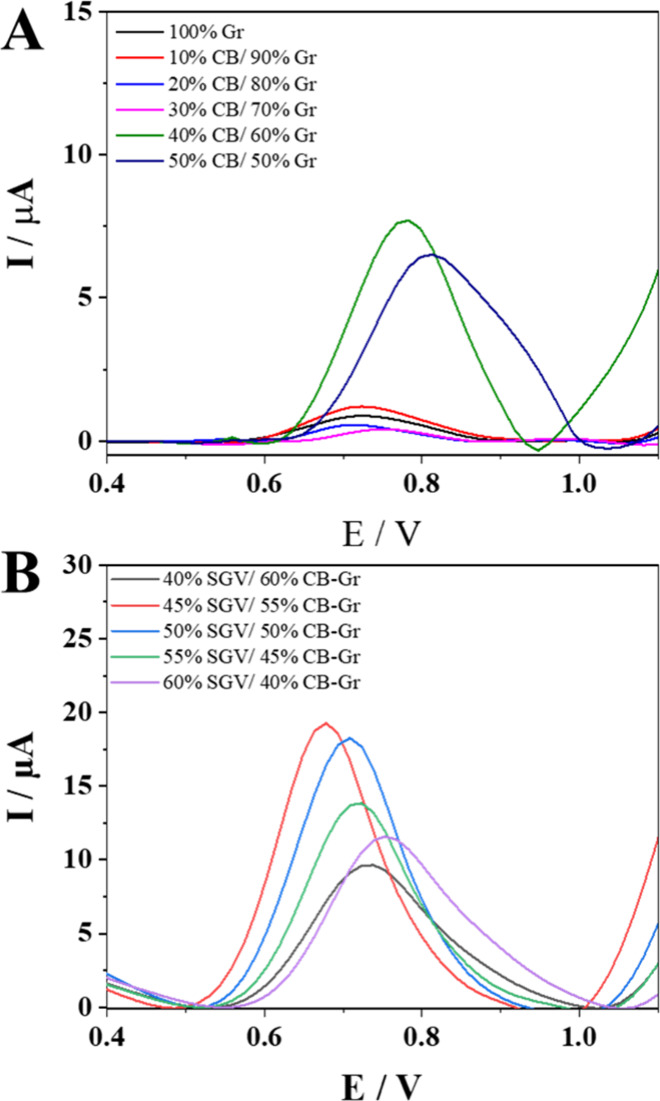 Figure 2
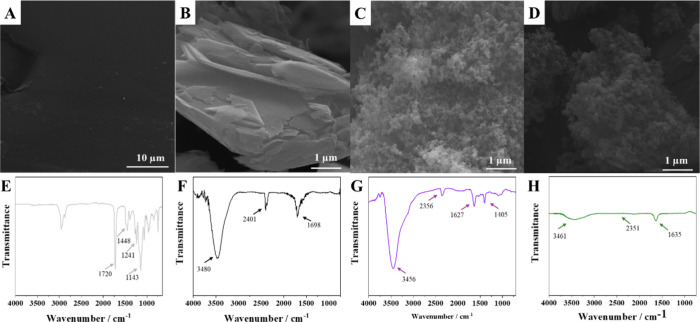 Figure 3
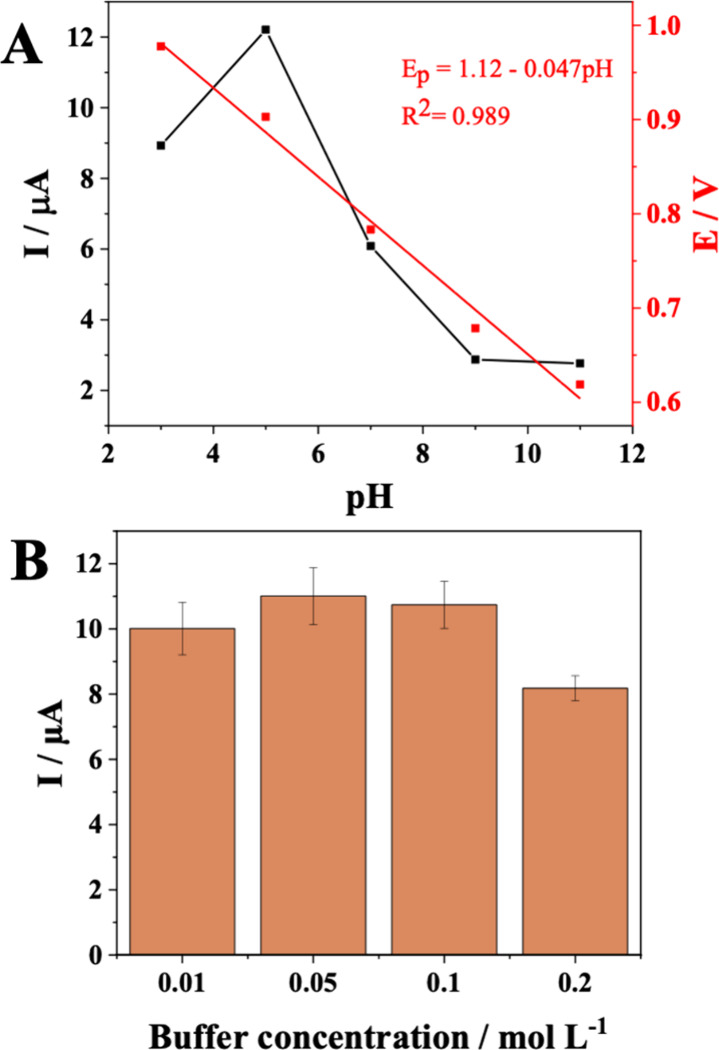 Figure 4
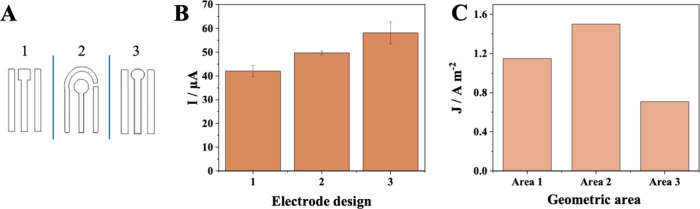 Figure 5
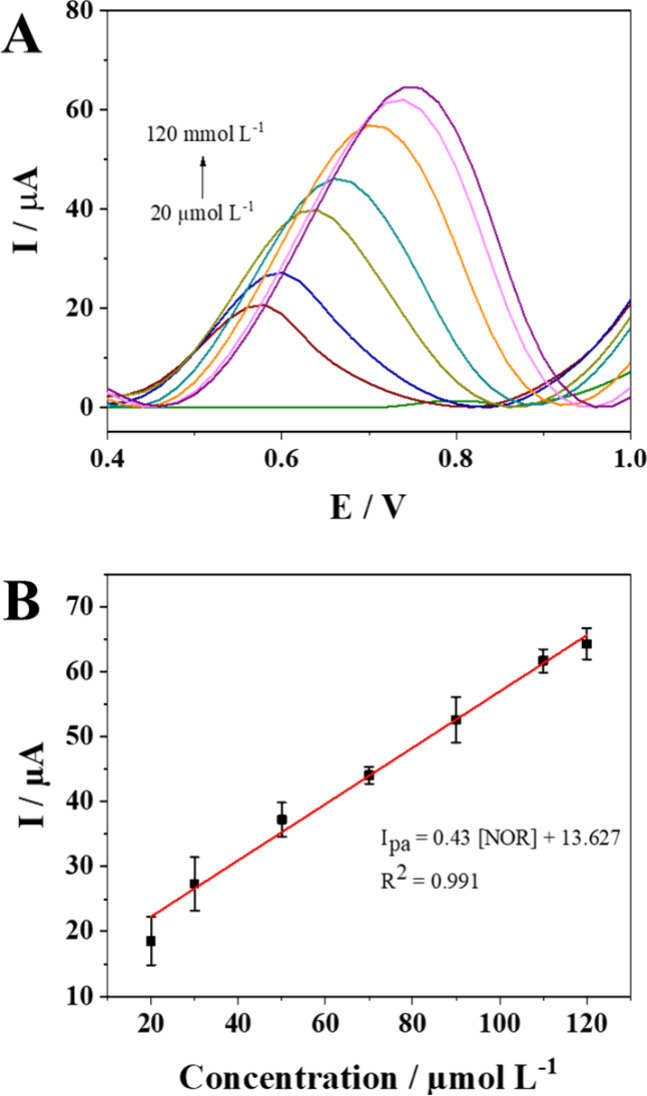 Figure 6
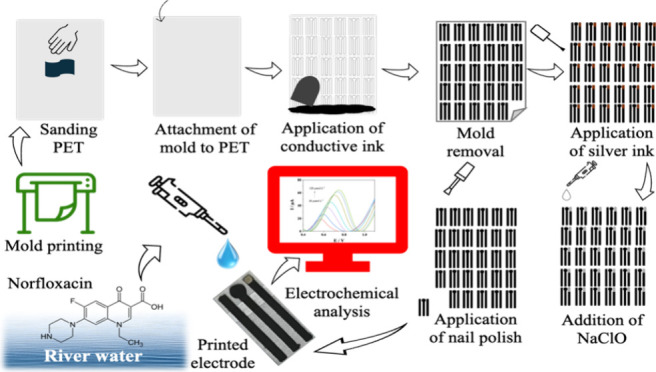 Figure 7
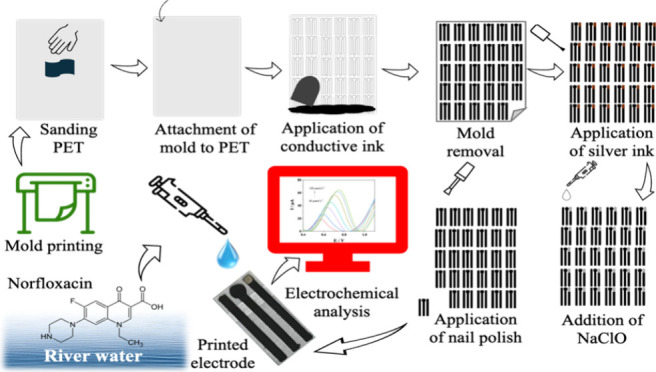 Figure 8
 Figure 9
 Figure 10
Peer Reviews
No public reviews on file for this paper yet. If you reviewed it on a platform where reviews are public (OpenReview, ICLR, NeurIPS, ICML), you can paste yours below so the community can read it here.
Videos
No videos yet. Explain this paper in a talk, walkthrough, or lecture? Add one.
Taxonomy
TopicsElectrochemical sensors and biosensors · Electrochemical Analysis and Applications · Analytical Chemistry and Sensors