Identification and genome insights into Pyrenochaeta nobilis, a novel endophytic fungus isolated from Astragalus membranaceus with gray mold-control activity
Fan Yang, Shuang Wang, Xifeng Jiang, Hongrui Du, Yu Liu, Yuanyuan Zhou, Chunlai Liu

TL;DR
A new endophytic fungus, Pyrenochaeta nobilis, was found to effectively control gray mold in tomatoes, offering a potential natural solution for disease management.
Contribution
The study identifies Pyrenochaeta nobilis as a novel biocontrol agent against Botrytis cinerea and provides its genome insights for future research.
Findings
P. nobilis strain SFJ12-R-5 inhibited B. cinerea mycelial growth by 66.67% and showed 100% lesion inhibition on tomato fruits.
The genome of P. nobilis revealed key gene families like CAZymes and Phi genes that may contribute to its biocontrol activity.
Co-treatment with P. nobilis filtrate reduced gray mold disease severity by 62.08% compared to B. cinerea alone.
Abstract
Gray mold, caused by the necrotrophic fungus Botrytis cinerea, is a significant threat to agricultural production, especially under low temperature and high humidity conditions. This disease can cause substantial yield losses in various crops, including tomatoes. To address this issue, the search for novel biocontrol agents has become a priority. In this study, we explored the potential of endophytic fungi isolated from wild medicinal plants in the southern foothills of the Daxing’an Mountains in China as biocontrol resources against B. cinerea. Endophytic fungi were isolated from the roots of Astragalus membranaceus, a wild medicinal plant native to the study area. Among the isolates, Pyrenochaeta nobilis strain SFJ12-R-5 (CGMCC No.17766) was selected for its significant antagonistic activity against B. cinerea. The inhibitory effects of P. nobilis on B. cinerea were evaluated through…
Genes, proteins, chemicals, diseases, species, mutations and cell lines named across the full text — each resolved to its canonical identifier and authoritative record.
Click any figure to enlarge with its caption.
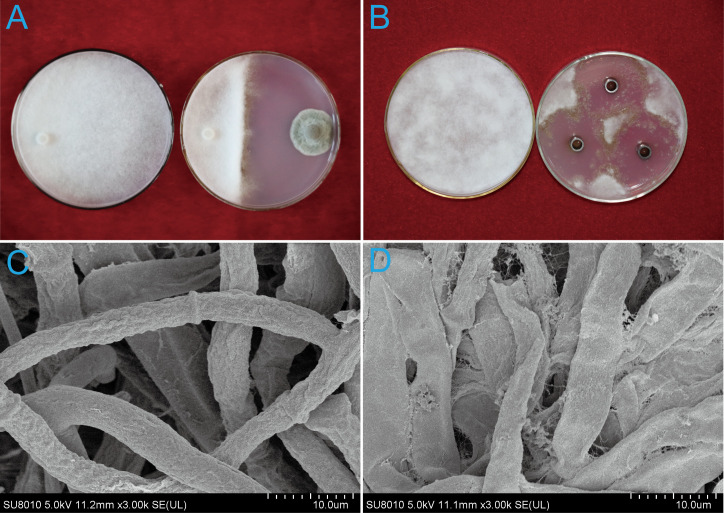 Figure 1
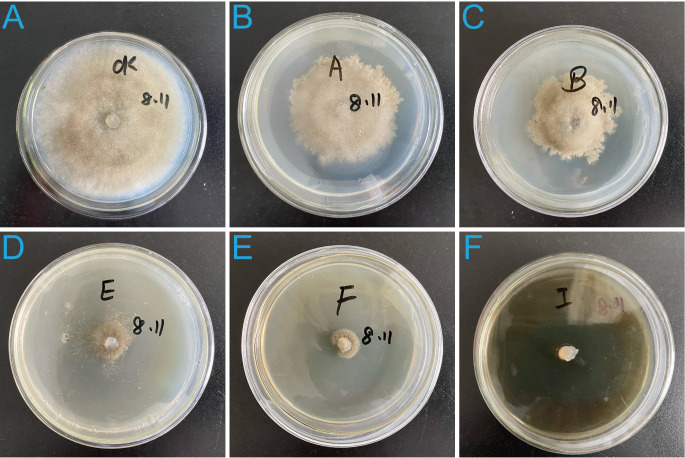 Figure 2
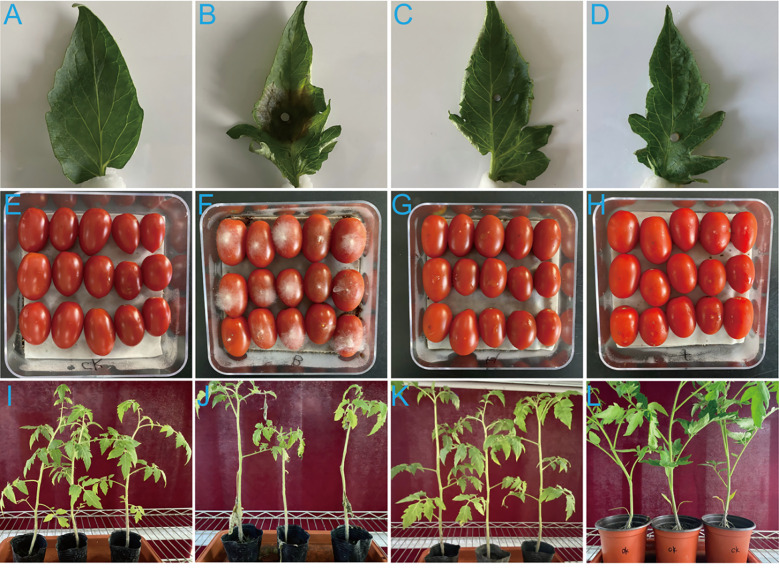 Figure 3
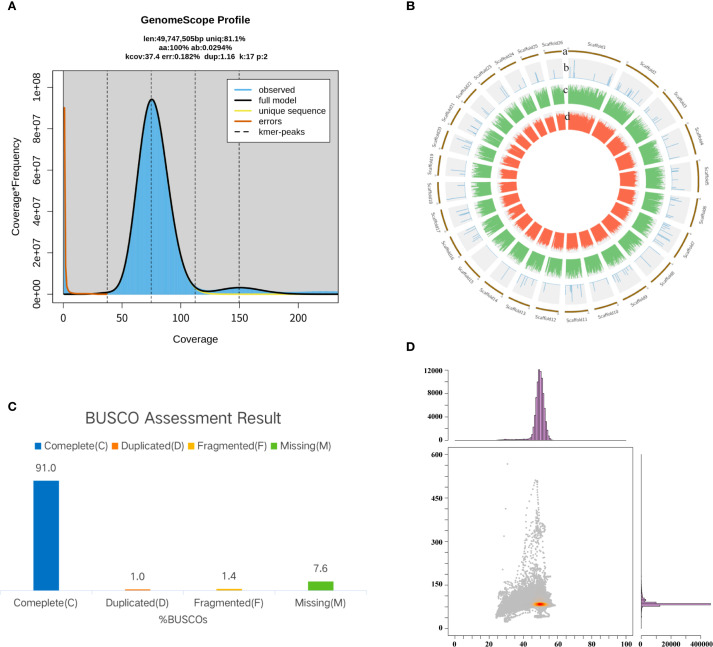 Figure 4
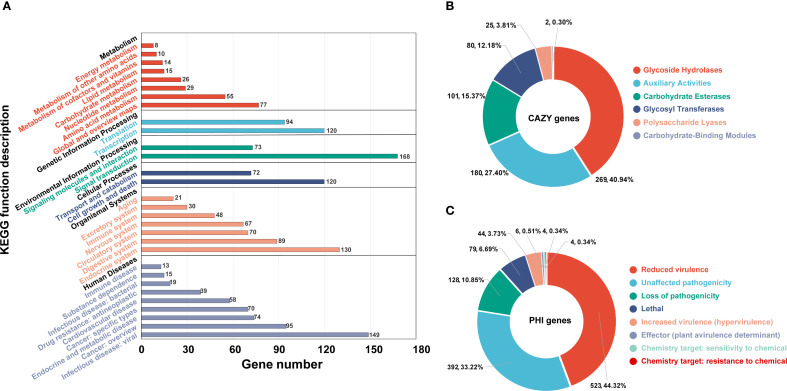 Figure 5
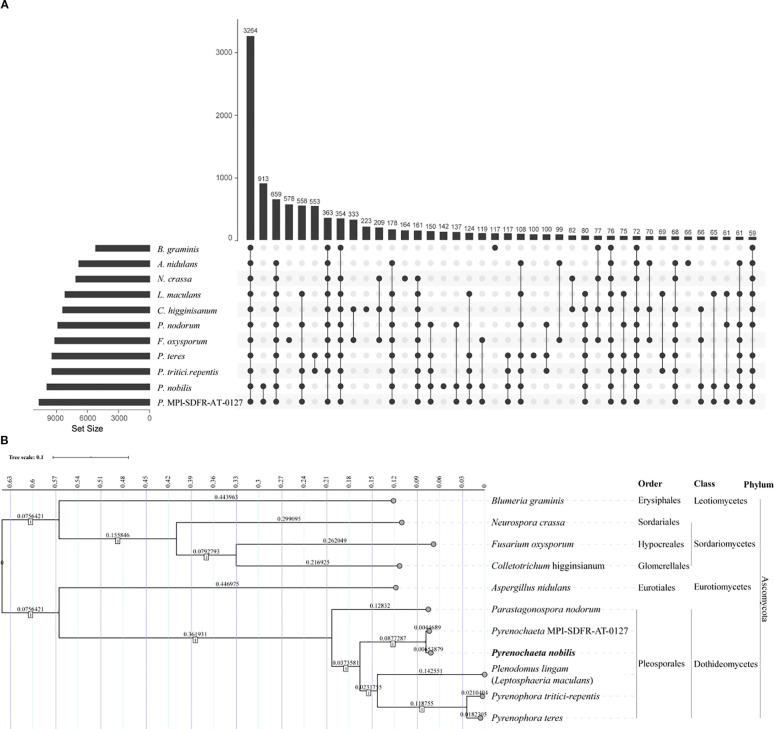 Figure 6
Peer Reviews
No public reviews on file for this paper yet. If you reviewed it on a platform where reviews are public (OpenReview, ICLR, NeurIPS, ICML), you can paste yours below so the community can read it here.
Videos
No videos yet. Explain this paper in a talk, walkthrough, or lecture? Add one.
Taxonomy
TopicsPlant Pathogens and Fungal Diseases · Microbial Natural Products and Biosynthesis · Genomics and Phylogenetic Studies