Time-resolved X-ray spectroscopy of phenanthridine: elucidating the photodynamics of a nitrogen-containing polycyclic aromatic hydrocarbon
Dorothee Schaffner, Kira Diemer, Xincheng Miao, Emil Karaev, Marco Flock, Katharina Theil, Constant Schouder, Audrey Scognamiglio, Lou Barreau, Lionel Poisson, Dennis Mayer, Andre Al Haddad, Antoine Sarracini, Gregor Knopp, Xinhua Xie, Patrick Hemberger, Kirsten Schnorr

TL;DR
This study uses advanced X-ray techniques to track how phenanthridine, a nitrogen-containing hydrocarbon, behaves when excited by light, revealing its decay and dissociation processes.
Contribution
The paper provides new insights into the excited-state dynamics and dissociation mechanisms of phenanthridine using time-resolved X-ray spectroscopy.
Findings
Phenanthridine's excited-state decay occurs via internal conversion with time constants of ~0.3 ps and ~3 ps.
Dissociation of phenanthridine occurs on a timescale of several hundred picoseconds.
Trajectory surface hopping simulations support the experimental observations of electronic transitions.
Abstract
The photophysics and photochemistry of isolated phenanthridine have been investigated by time-resolved UV pump/X-ray probe spectroscopy at the SwissFEL free-electron laser combined with computations. Phenanthridine serves as the example for a polycyclic aromatic nitrogen-containing hydrocarbon (PANH), a class of molecules of considerable interest in material science and astrochemistry. It was excited at 268 nm into the bright 2ππ* state. The dynamics was subsequently probed by time-resolved X-ray photoelectron (TR-XPS) and X-ray absorption (TR-XAS) spectroscopy at the nitrogen 1s edge. Two time constants of τ1 ≈ 0.3 ps and τ2 ≈ 3 ps were determined. The excited-state dynamics was simulated using the trajectory surface hopping method and computed TR-XAS to support the band assignments. The study reveals a sequential decay to the electronic ground state via internal conversion. Spectra…
Genes, proteins, chemicals, diseases, species, mutations and cell lines named across the full text — each resolved to its canonical identifier and authoritative record.
Click any figure to enlarge with its caption.
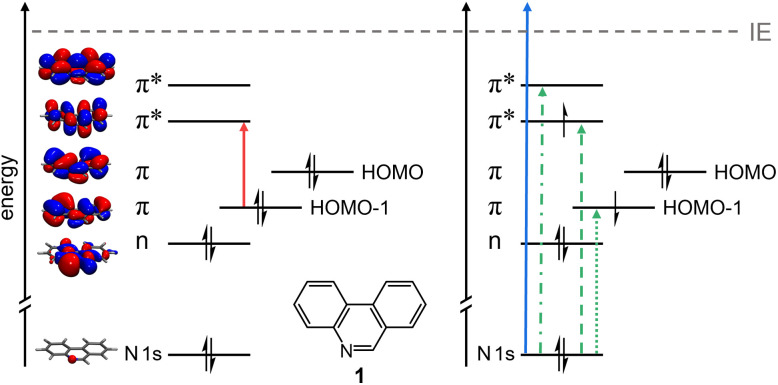 Figure 1
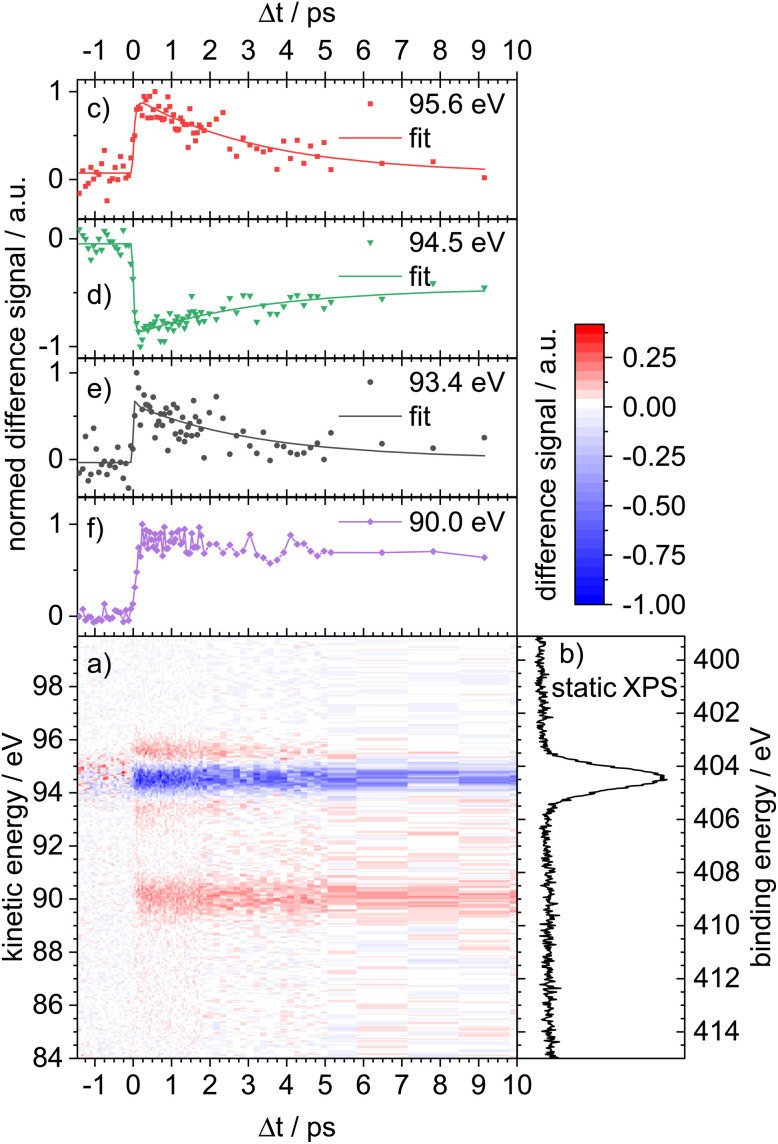 Figure 2
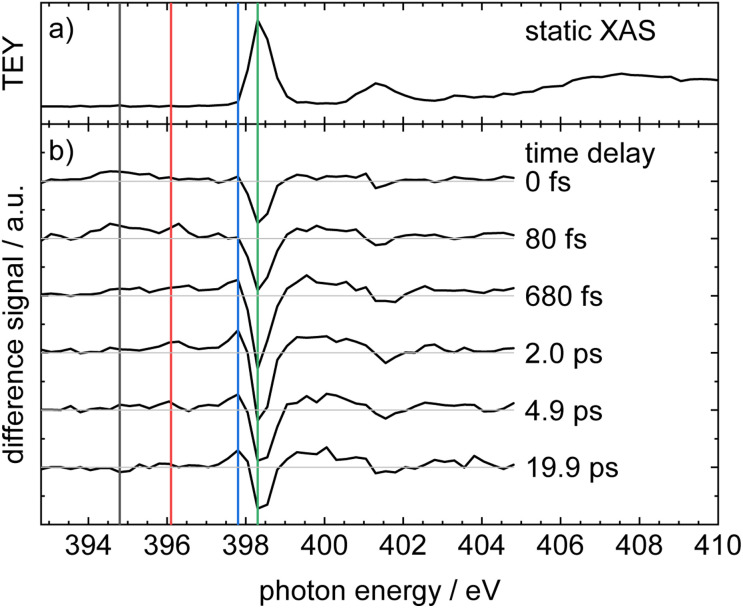 Figure 3
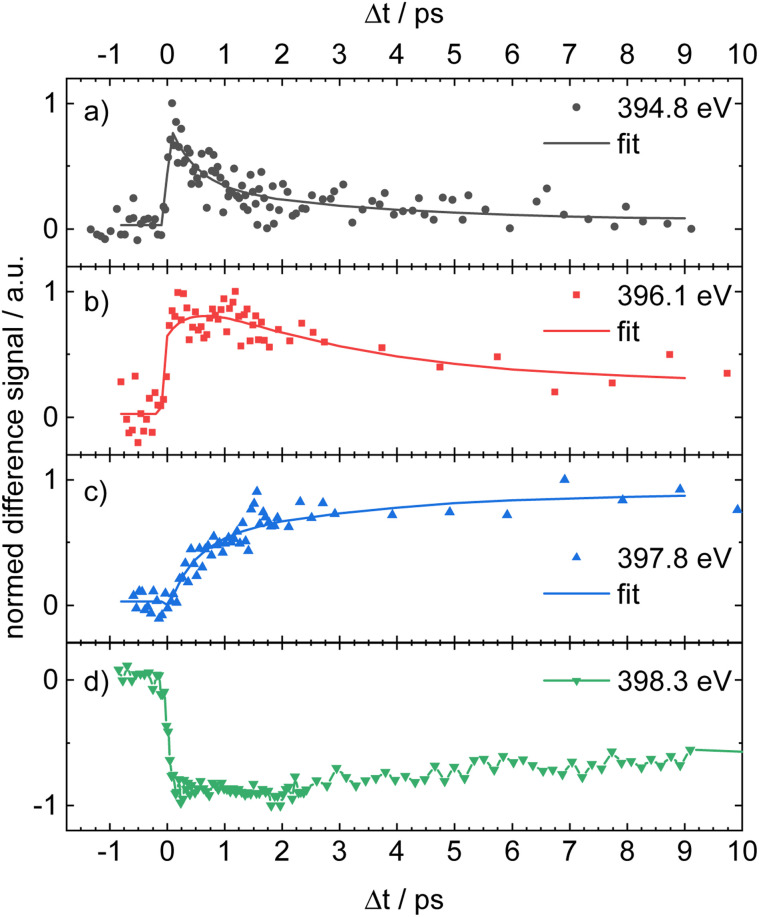 Figure 4
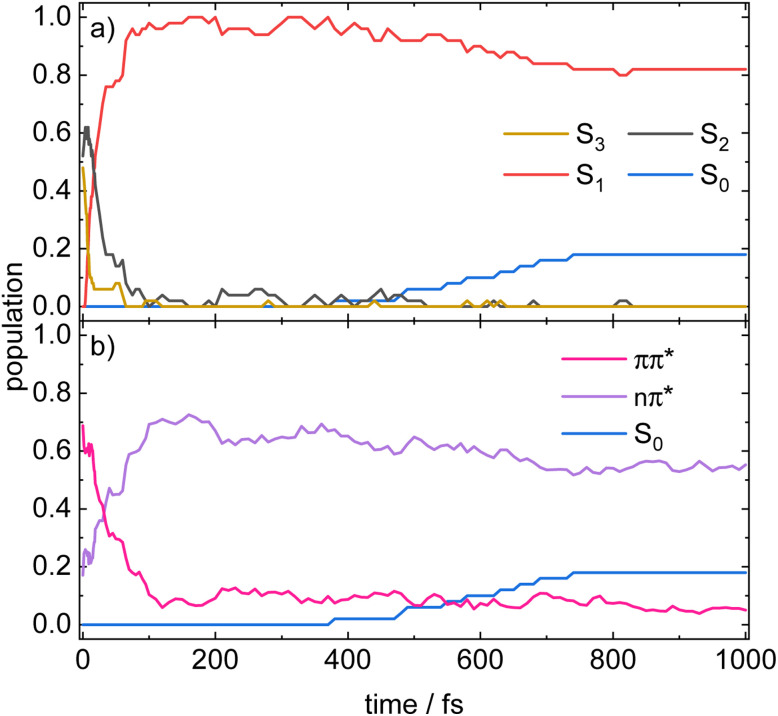 Figure 5
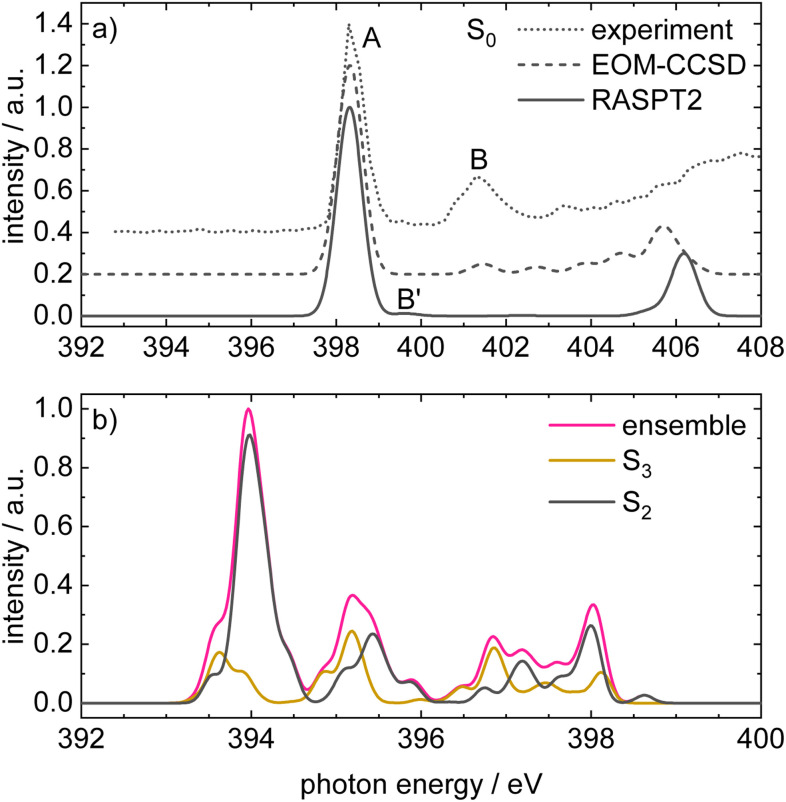 Figure 6
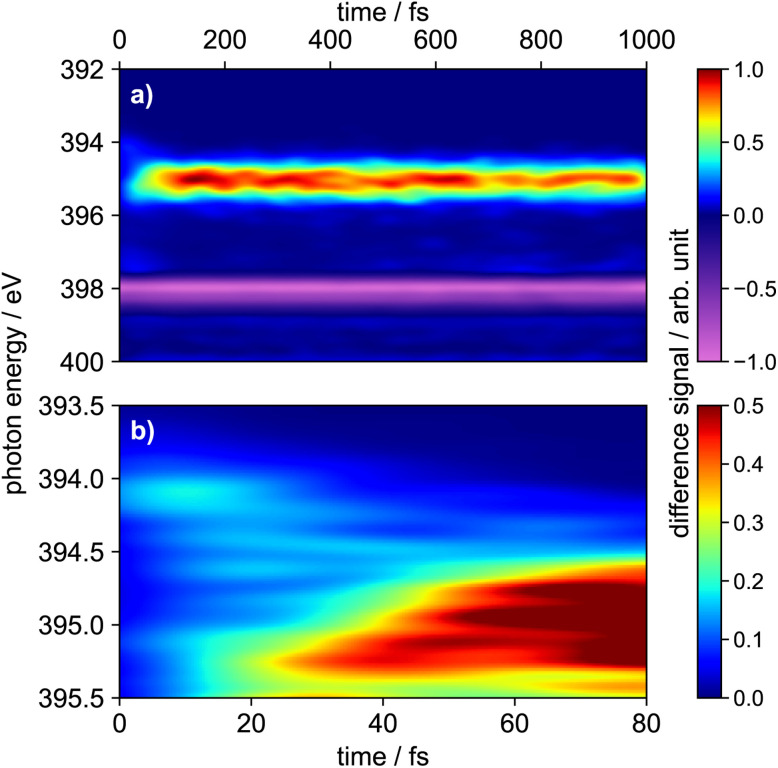 Figure 7
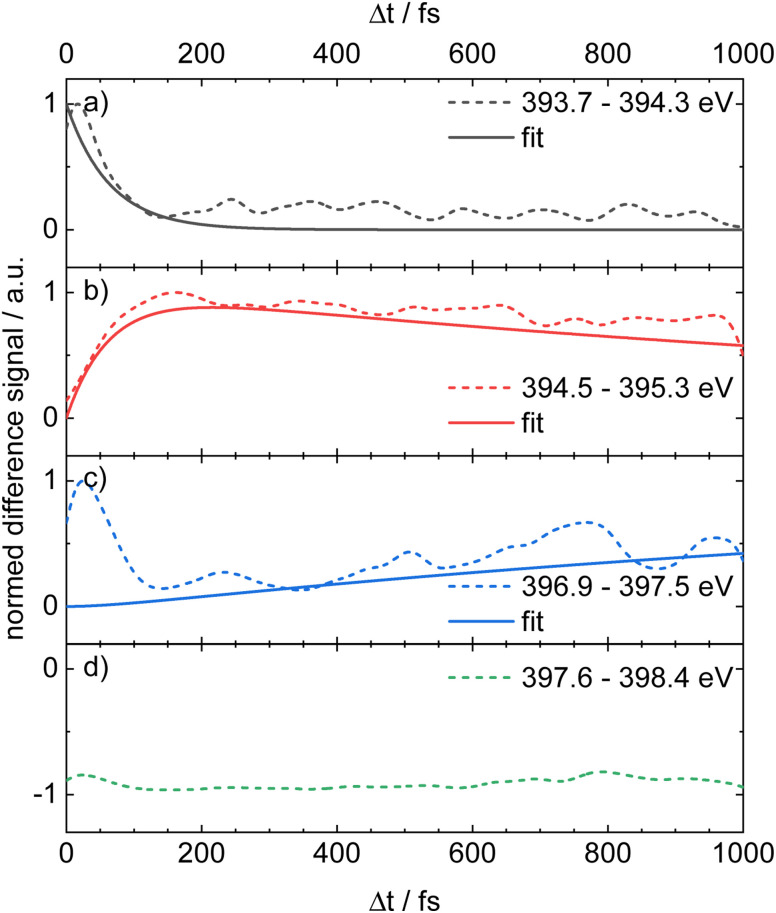 Figure 8
 Figure 9
 Figure 10
 Figure 11
 Figure 12
 Figure 13
 Figure 14
Peer Reviews
No public reviews on file for this paper yet. If you reviewed it on a platform where reviews are public (OpenReview, ICLR, NeurIPS, ICML), you can paste yours below so the community can read it here.
Videos
No videos yet. Explain this paper in a talk, walkthrough, or lecture? Add one.
Taxonomy
TopicsPhotochemistry and Electron Transfer Studies · Molecular spectroscopy and chirality · Axial and Atropisomeric Chirality Synthesis