Effective Coupling of Light Emitting Diode to a Commercial Capillary Electrophoresis Laser-Induced Fluorescence Instrument for High-Sensitivity Analysis of Fluorescently Labeled Glycans
Filip Duša, Pavlína Dadajová, Jozef Šesták, Jana Lavická

TL;DR
This paper describes a cost-effective way to improve fluorescence detection in capillary electrophoresis using LEDs, enabling highly sensitive glycan analysis with small sample amounts.
Contribution
A novel LED coupling method for commercial CE-LIF instruments that significantly enhances sensitivity and enables analysis of minute glycan samples.
Findings
A direct coupling design with a single ball lens increased fluorescence signal by 10.7-fold.
A two-lens design increased signal by 31.2-fold and achieved detection limits between 99 and 105 nmol/L.
The optimized method enabled N-linked glycan analysis from as little as 7.49 ng of ribonuclease B.
Abstract
Light-emitting diodes offer a low-cost, power-efficient, and compact solution for fluorescence excitation in analytical instrumentation. This study discusses the coupling of a near-ultraviolet light-emitting diode (340 nm) to a commercial capillary electrophoresis instrument and presents two feasible strategies: a simple, robust, and low-cost option with moderate efficiency and a more complex but significantly more efficient design for applications demanding maximum sensitivity. The coupling efficiency was assessed using capillary zone electrophoresis of maltooligosaccharides labeled with the UV-excitable fluorophore, 6-[4-(4-methylpiperazin-1-yl)phenyl]pyridine-3-carbohydrazide. Compared to a commonly used indirect light guide coupling approach, the new direct coupling design, incorporating a single ball lens, provided a 10.7-fold increase in the fluorescence signal. The design…
Genes, proteins, chemicals, diseases, species, mutations and cell lines named across the full text — each resolved to its canonical identifier and authoritative record.
Click any figure to enlarge with its caption.
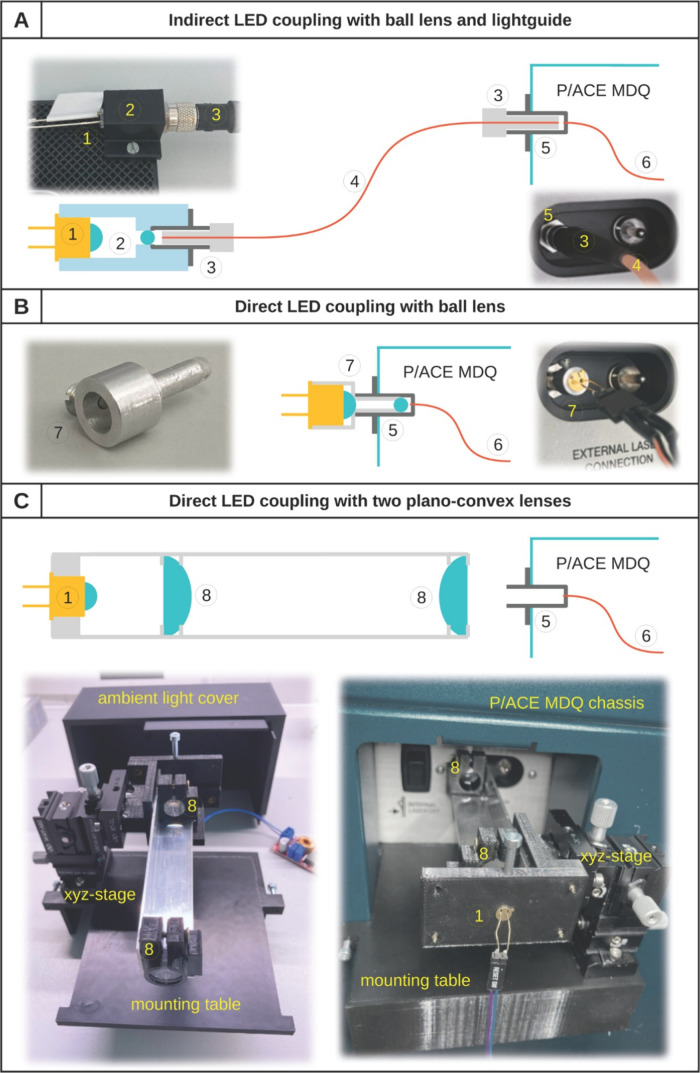 Figure 1
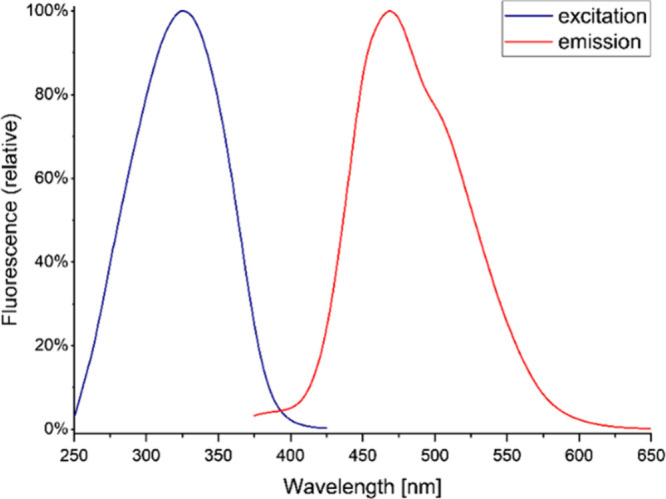 Figure 2
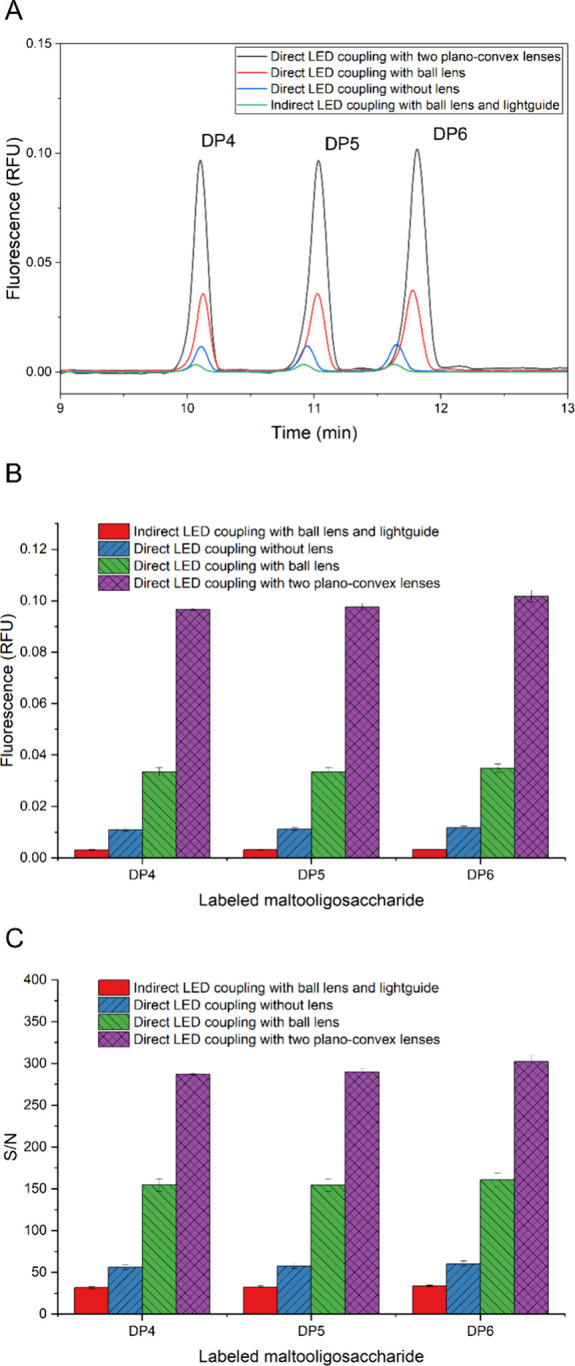 Figure 3
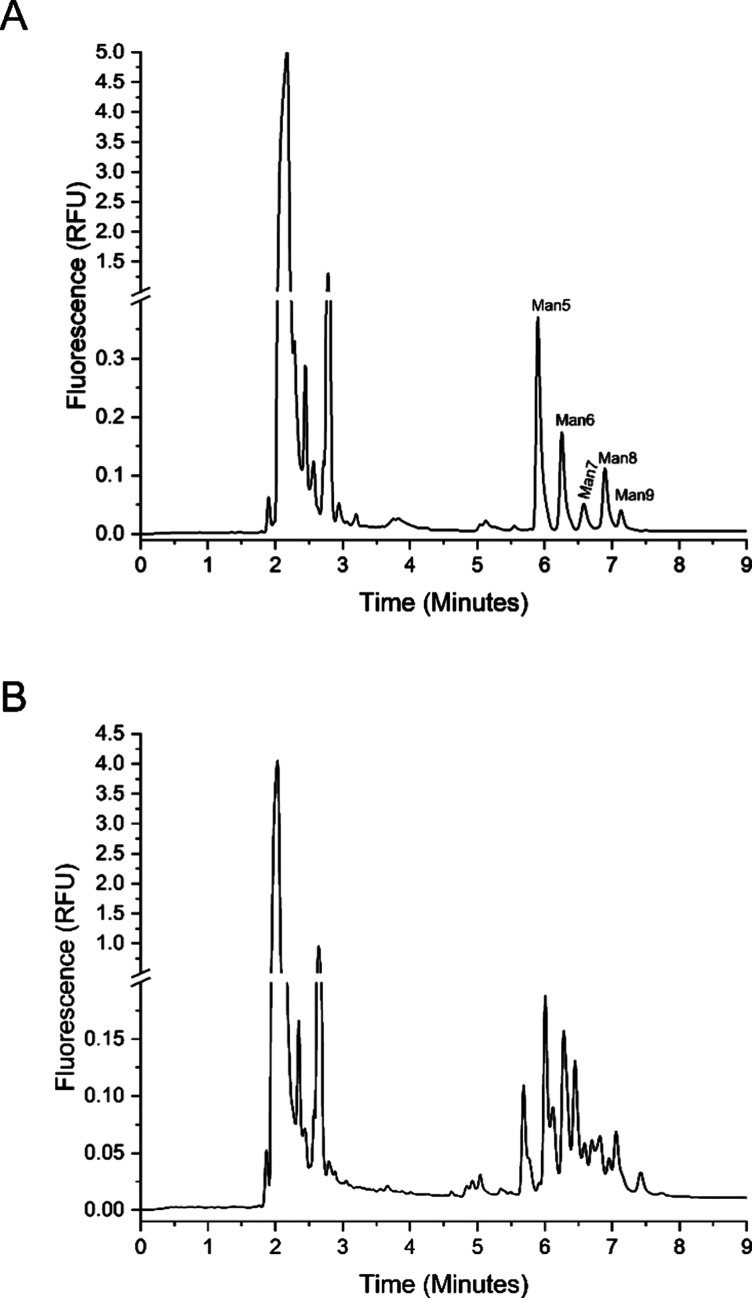 Figure 4
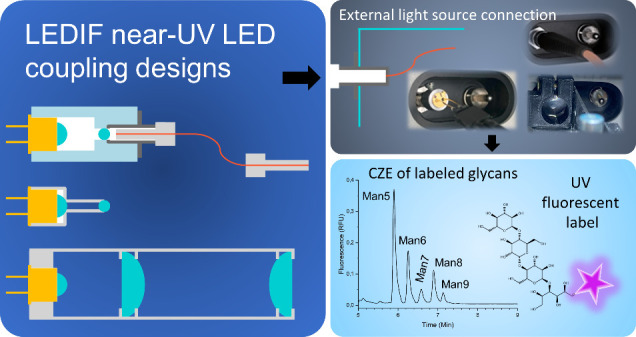 Figure 5
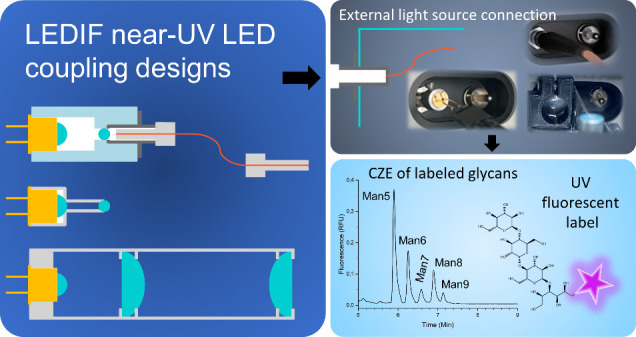 Figure 6
Peer Reviews
No public reviews on file for this paper yet. If you reviewed it on a platform where reviews are public (OpenReview, ICLR, NeurIPS, ICML), you can paste yours below so the community can read it here.
Videos
No videos yet. Explain this paper in a talk, walkthrough, or lecture? Add one.
Taxonomy
TopicsGlycosylation and Glycoproteins Research · Microfluidic and Capillary Electrophoresis Applications · Analytical Chemistry and Chromatography