Combined Preimplantation Genetic Testing for Aneuploidy (PGT-A) and Monogenic Disorders (PGT-M) to Prevent Autosomal Dominant Polycystic Kidney Disease After Kidney Transplant
Wael Elbanna, Osama Azmy, Manal A Elhinnawi

TL;DR
A woman with a history of kidney disease and a previous child with a severe kidney disorder used genetic testing to select a healthy embryo, resulting in a successful pregnancy.
Contribution
Demonstrates the successful use of combined PGT-A and PGT-M to prevent transmission of ADPKD-related mutations in a patient with a history of kidney disease.
Findings
A novel PKD2 gene variant was identified and classified as a variant of uncertain significance.
Combined PGT-M and PGT-A successfully selected an unaffected euploid embryo, leading to a healthy pregnancy and delivery.
The approach improved implantation and live birth outcomes for couples at risk of ADPKD.
Abstract
Autosomal dominant polycystic kidney disease (ADPKD) is the most prevalent genetic kidney disorder, characterized by the development of cysts within the kidneys. ADPKD is primarily caused by mutations in the polycystic kidney disease genes 1 or 2 (PKD1 or PKD2), and less commonly by variants in other genes such as glucosidase II alpha subunit (GANAB), which have been associated with milder renal phenotypes and concurrent polycystic liver disease. Therefore, preimplantation genetic testing for monogenic disorders (PGT-M) offers a promising strategy for preventing the transmission of ADPKD-related mutations to offspring. When combined with preimplantation genetic testing for aneuploidy (PGT-A), this approach enhances the selection of genetically unaffected and chromosomally normal embryos, thereby improving implantation and live birth outcomes in affected couples. Here, we present a…
Genes, proteins, chemicals, diseases, species, mutations and cell lines named across the full text — each resolved to its canonical identifier and authoritative record.
Click any figure to enlarge with its caption.
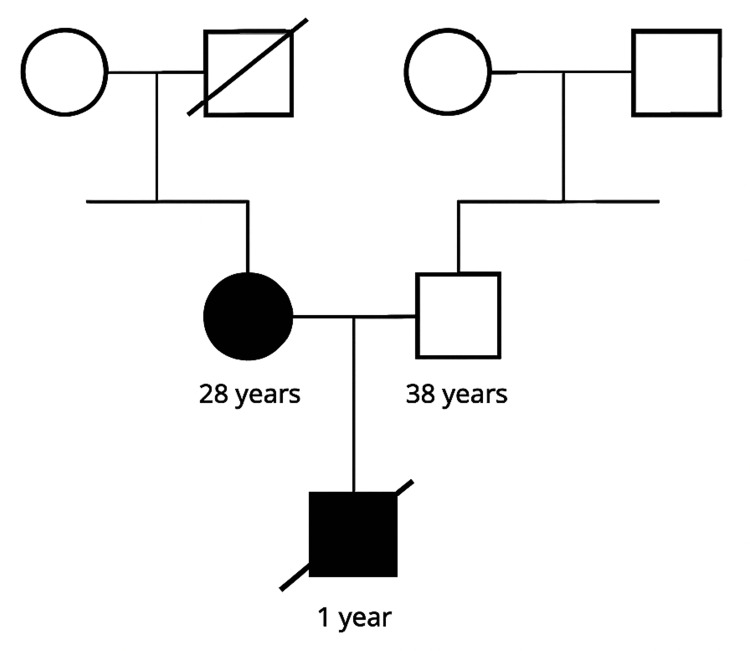 Figure 1
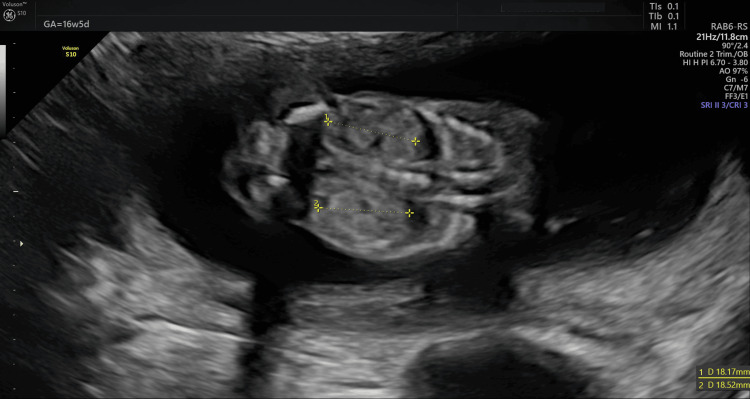 Figure 2
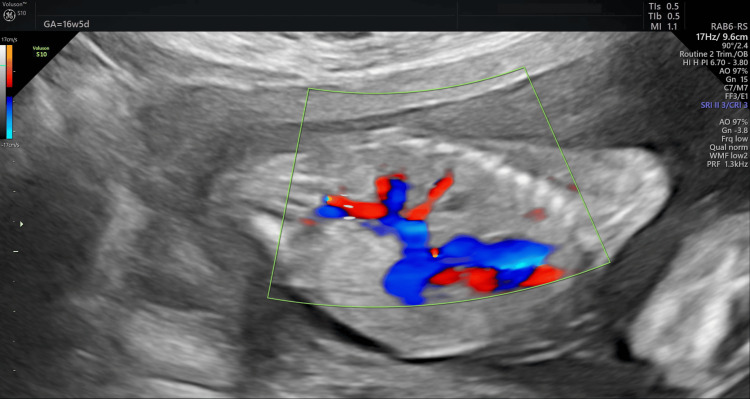 Figure 3
Peer Reviews
No public reviews on file for this paper yet. If you reviewed it on a platform where reviews are public (OpenReview, ICLR, NeurIPS, ICML), you can paste yours below so the community can read it here.
Videos
No videos yet. Explain this paper in a talk, walkthrough, or lecture? Add one.
Taxonomy
TopicsPrenatal Screening and Diagnostics · Genetic and Kidney Cyst Diseases · Renal Diseases and Glomerulopathies