Investigation on the Anti-Cancer Effects of HER2-Targeted CAR-T Cells Engineered Using the PiggyBac Transposon System
Tian-Tian Li, Ming-Yao Meng, Zheng Yu, Yang-Fan Guo, Yi-Yi Zhao, Hui Gao, Li-Li Yang, Li-Rong Yang, Meng-Yuan Chu, Shan He, Yuan Liu, Xiao-Dan Wang, Wen-Ju Wang, Zong-Liu Hou, Li-Wei Liao, Lin Li

TL;DR
Researchers tested two types of HER2-targeted CAR-T cells and found one to be more effective and safer for treating HER2-positive breast cancer.
Contribution
A novel anti-HER2-13 scFv-based CAR-T cell with improved target specificity and safety was developed using the PiggyBac transposon system.
Findings
Anti-HER2-13 CAR-T cells showed superior target specificity and slightly enhanced efficacy compared to trastuzumab-based CAR-T cells.
Both CAR-T cell types exhibited significant antitumor activity in a breast tumor xenograft model without evident off-target toxicity.
Optimized PiggyBac transposon system enabled similar expansion and functional profiles between the two CAR-T cell types.
Abstract
Chimeric antigen receptor T (CAR-T) cell therapies have demonstrated significant clinical efficacy in hematological malignancies. However, their application to solid tumors remains substantially limited by multiple challenges, including the risk of off-target effects. Hence, optimizing CAR-T cells for stronger antigen binding is essential. In this study, we employed a classical anti-human endothelial growth factor receptor 2 (HER2) single-chain variable fragment (scFv) derived from trastuzumab, alongside an anti-HER2-13 scFv identified from a combinatorial cellular CAR library, for the construction of a third-generation CAR-T cell. Meanwhile, the phenotypes and both in vitro and in vivo functions of CAR-T cells transduced with the two scFvs via PiggyBac transposon-mediated gene transfer were compared. The optimal ratio between the PiggyBac HER2-CAR-puro transposon and the Super…
Genes, proteins, chemicals, diseases, species, mutations and cell lines named across the full text — each resolved to its canonical identifier and authoritative record.
Click any figure to enlarge with its caption.
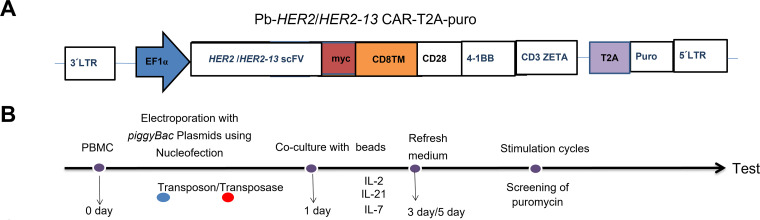 Figure 1
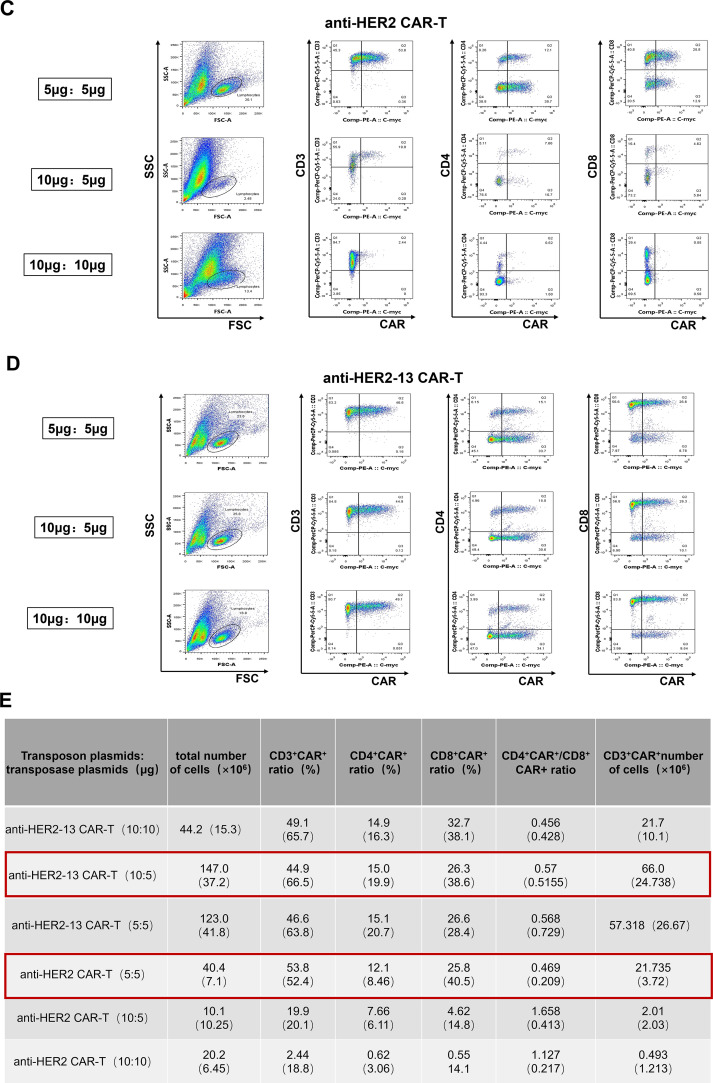 Figure 2
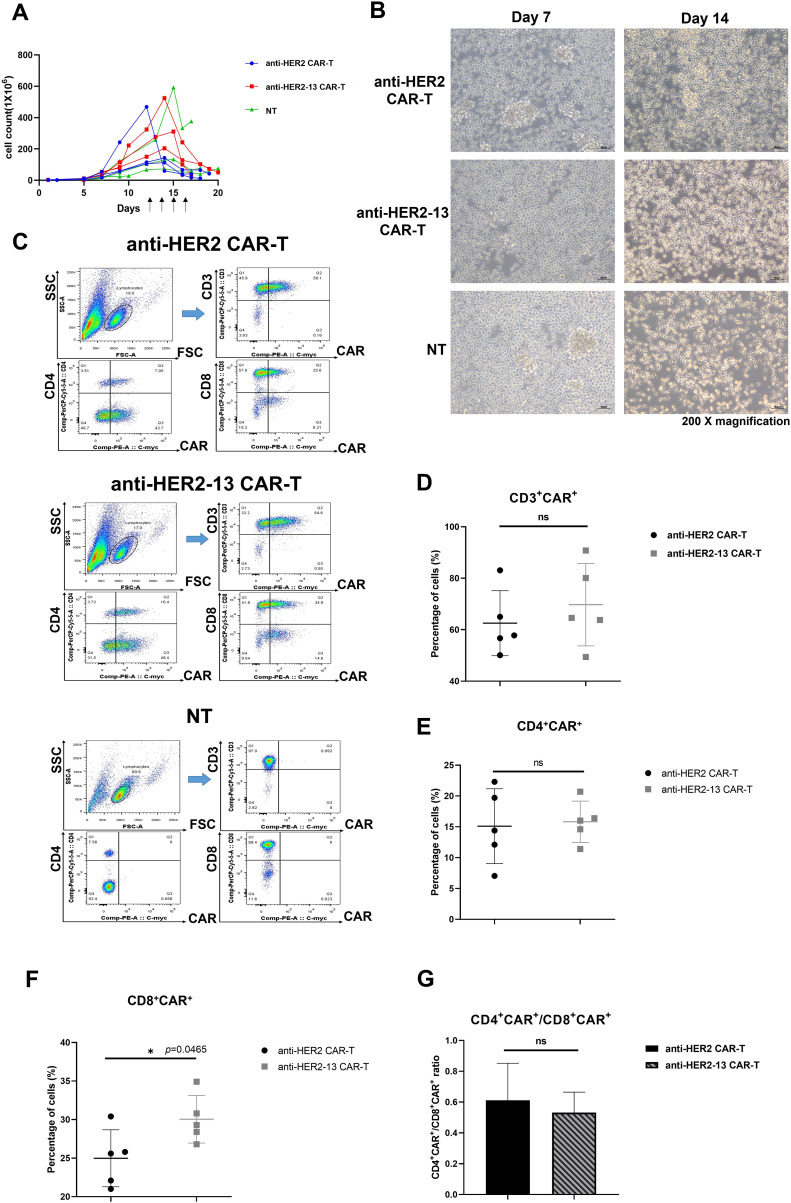 Figure 3
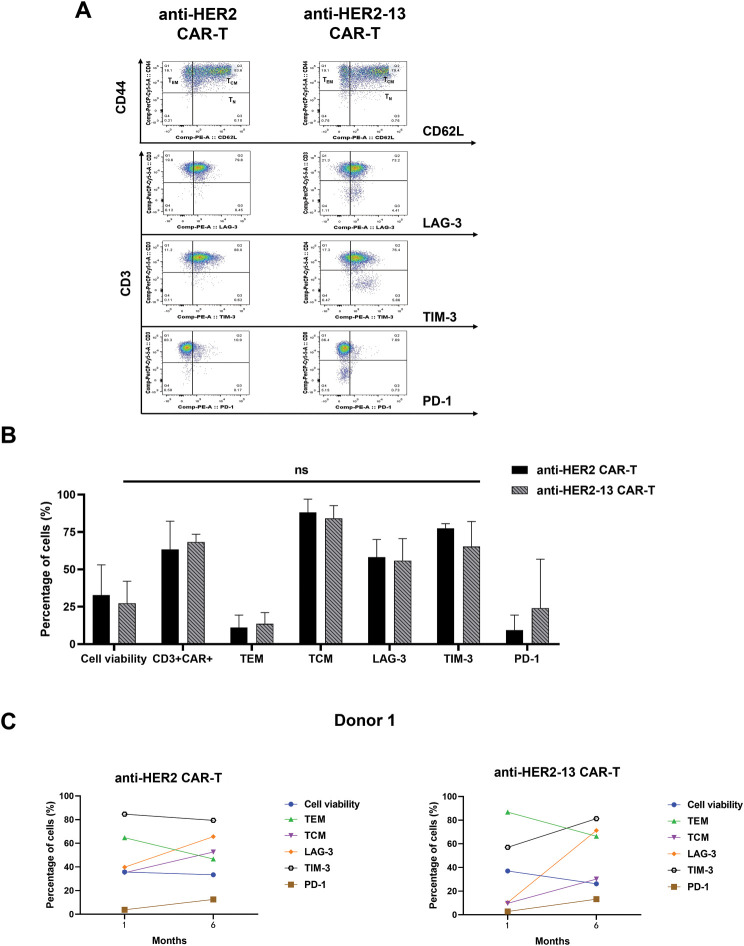 Figure 4
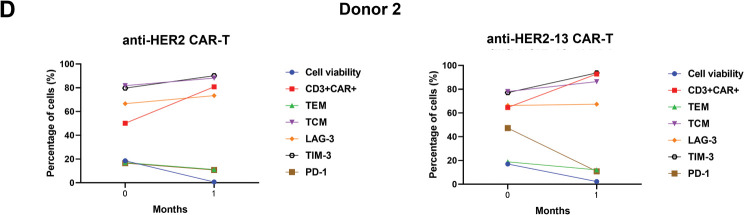 Figure 5
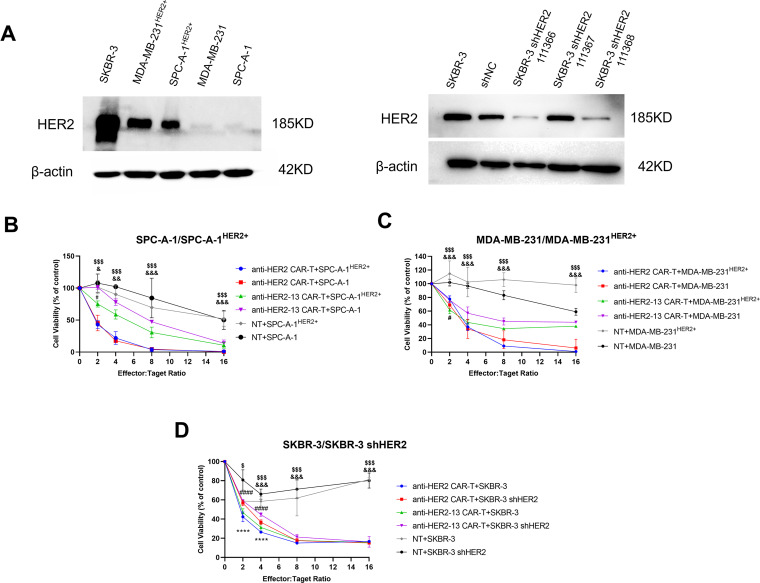 Figure 6
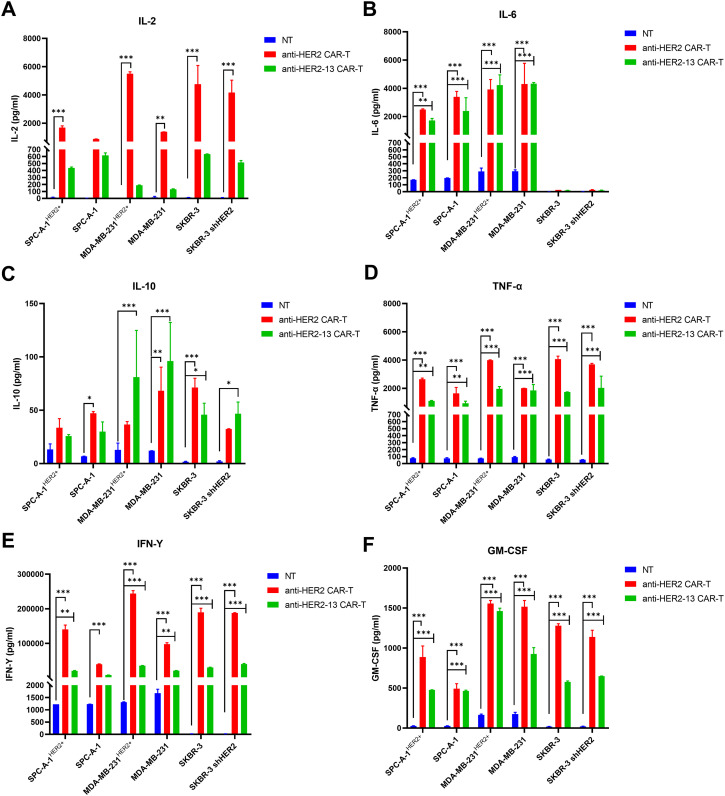 Figure 7
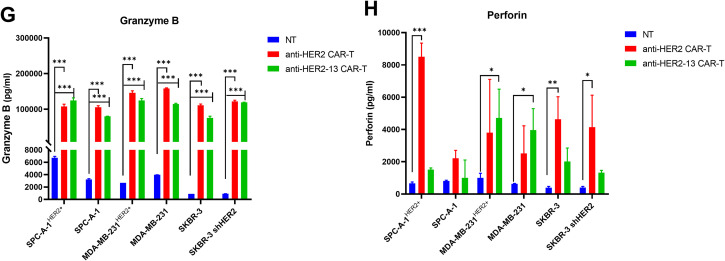 Figure 8
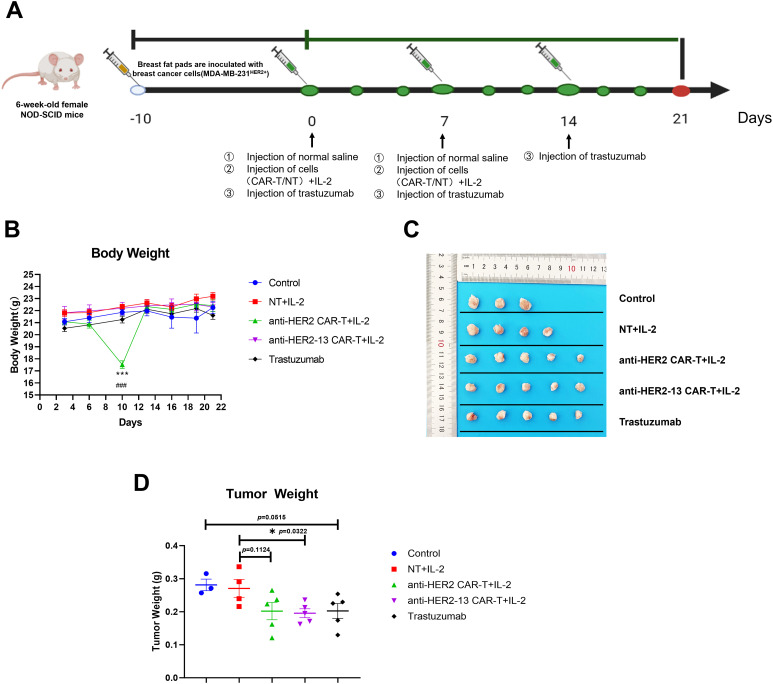 Figure 9
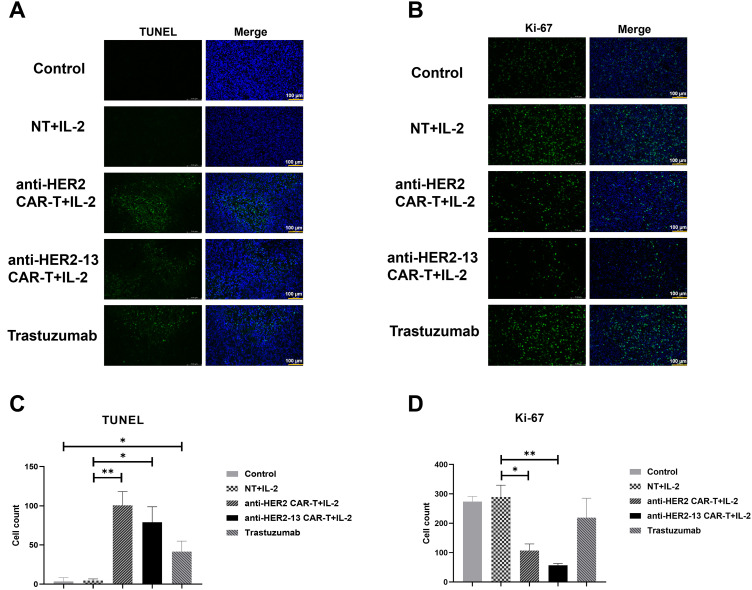 Figure 10
Peer Reviews
No public reviews on file for this paper yet. If you reviewed it on a platform where reviews are public (OpenReview, ICLR, NeurIPS, ICML), you can paste yours below so the community can read it here.
Videos
No videos yet. Explain this paper in a talk, walkthrough, or lecture? Add one.
Taxonomy
TopicsCAR-T cell therapy research · Viral Infectious Diseases and Gene Expression in Insects