Significance of CA125 Monitoring during Maintenance Treatment with Poly(ADP-Ribose) Polymerase Inhibitor in Ovarian Cancer after First-Line Chemotherapy: Multicenter, Observational Study
Szymon Piątek, Anna Dańska-Bidzińska, Paweł Derlatka, Bartosz Szymanowski, Renata Duchnowska, Aleksandra Zielińska, Natalia Sawicka, Aleksander Gorzeń, Wojciech Michalski, Mariusz Bidziński

TL;DR
This study finds that monitoring CA125 levels with a new threshold improves detection of ovarian cancer recurrence during maintenance treatment with PARP inhibitors.
Contribution
Proposes a new CA125 threshold (≥3× nadir) for detecting ovarian cancer recurrence during PARP inhibitor treatment, improving sensitivity and diagnostic accuracy.
Findings
GCIG criteria missed 46.3% of progressing patients during PARP inhibitor treatment.
The ≥3× nadir criterion achieved 79.63% sensitivity and 98.86% specificity for detecting progression.
The new criterion offers higher diagnostic accuracy (91.55%) compared to GCIG (82.39%).
Abstract
Monitoring of Cancer Antigen 125 (CA125) during ovarian cancer (OC) maintenance treatment with poly(ADP-ribose) polymerase inhibitors (PARPis) may be insufficient when using Gynecologic Cancer Intergroup (GCIG) biochemical progression criteria. This study aimed to evaluate the usefulness of CA125 monitoring in detecting OC recurrence during PARPis maintenance treatment. This multicenter retrospective cohort study included patients with primary OC who achieved complete or partial response after first-line platinum-based chemotherapy followed by PARPis maintenance treatment. Progression was defined using Response Evaluation Criteria in Solid Tumors (RECIST) and GCIG biochemical criteria. New biochemical progression definitions, based on CA125 nadir determined using receiver operating characteristic (ROC) curve analysis, were proposed. Concordance between radiological and biochemical…
Genes, proteins, chemicals, diseases, species, mutations and cell lines named across the full text — each resolved to its canonical identifier and authoritative record.
Click any figure to enlarge with its caption.
 Figure 1
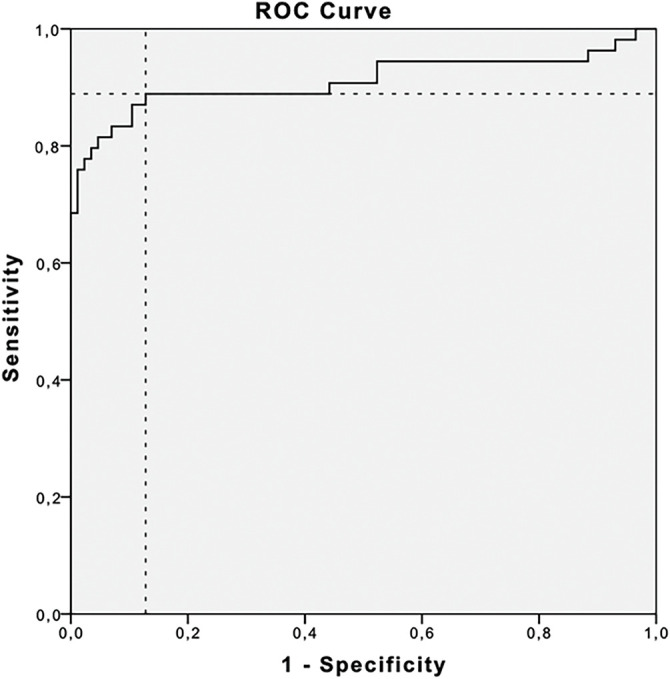 Figure 2
Peer Reviews
No public reviews on file for this paper yet. If you reviewed it on a platform where reviews are public (OpenReview, ICLR, NeurIPS, ICML), you can paste yours below so the community can read it here.
Videos
No videos yet. Explain this paper in a talk, walkthrough, or lecture? Add one.
Taxonomy
TopicsOvarian cancer diagnosis and treatment · PARP inhibition in cancer therapy