Process Analytical Technology-Integrated FT-IR and Raman Spectroscopies for Efficient Reactive Liquid–Liquid Extraction Processing in Lithium Recycling
Alexander Uhl, Alexandra F. Humann, Axel Schmidt, Jochen Strube

TL;DR
This paper presents a new method using FT-IR and Raman spectroscopy to improve lithium recycling efficiency and reduce environmental impact.
Contribution
A novel PAT-integrated framework using in-line spectroscopy and chemometric models for reactive liquid–liquid extraction in lithium recycling.
Findings
Partial least-squares regression models achieved an R² of at least 0.95 for measuring extractant concentration and saponification.
The method reduces chemical costs by 15% and global warming potential by 20% in lithium purification.
The return on investment for implementing this method is estimated to be under 0.4 years.
Abstract
Lithium is a strategic metal that is essential for the electrification of the economy and society as it is commonly used in high-tech applications and batteries. The EU has mandated that 25% of annual consumption be sourced from recycling. To achieve this goal in an economic and ecological manner, recycling processes need to improve in efficiency. One path toward this aim is by introducing smart control enabled by process analytical technologies (PATs). In this work, a framework for the integration of an in-line spectroscopy system with a chemometric model as a PAT methodological approach for a typical reactive liquid–liquid extraction using a synergistic solvent with a β-diketone is exemplified. The concentration of extractants and the degree of saponification as well as the concentration of metal-ion complexes in the organic phase are to be measured with FT-IR and Raman…
Genes, proteins, chemicals, diseases, species, mutations and cell lines named across the full text — each resolved to its canonical identifier and authoritative record.
Click any figure to enlarge with its caption.
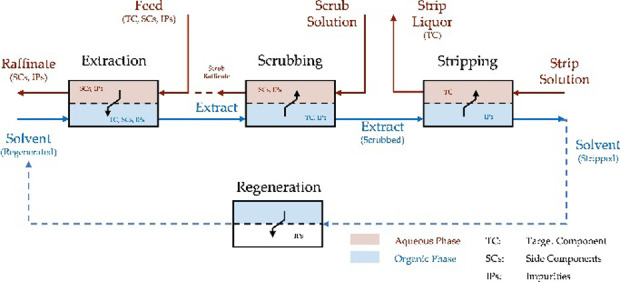 Figure 1
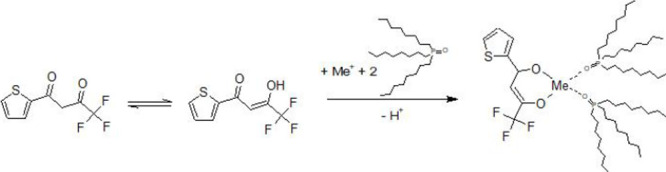 Figure 2
 Figure 3
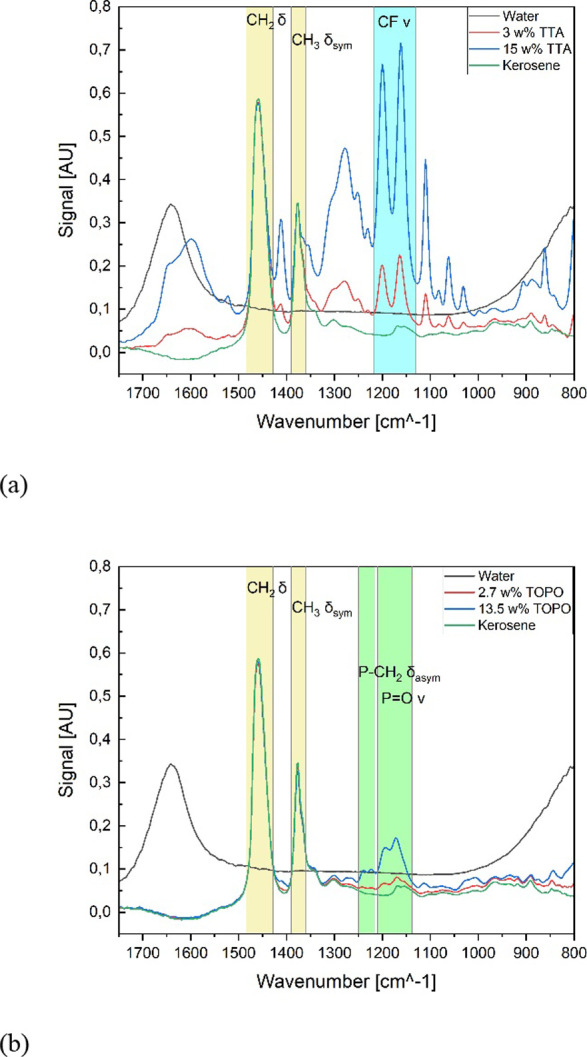 Figure 4
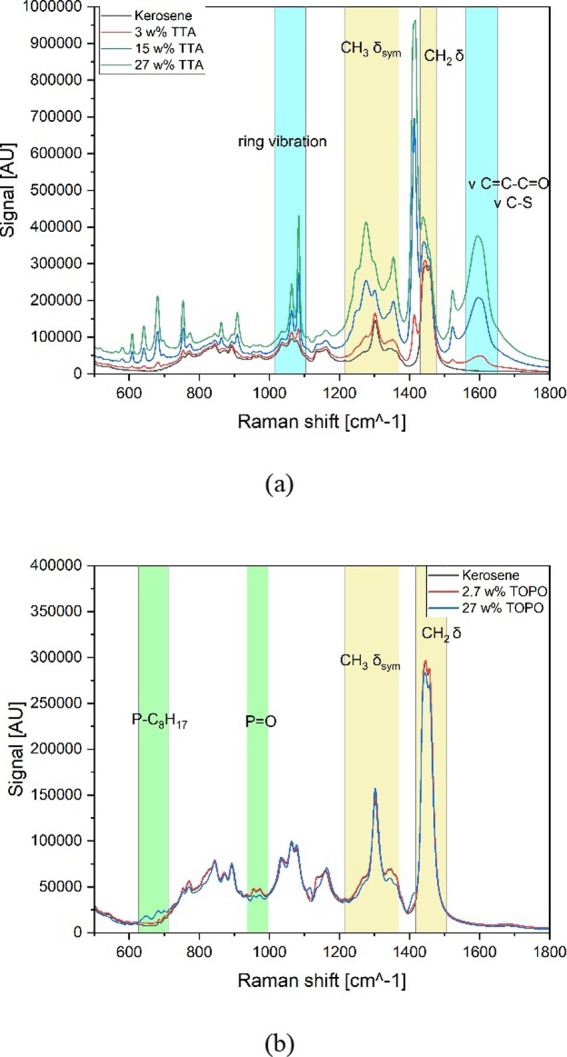 Figure 5
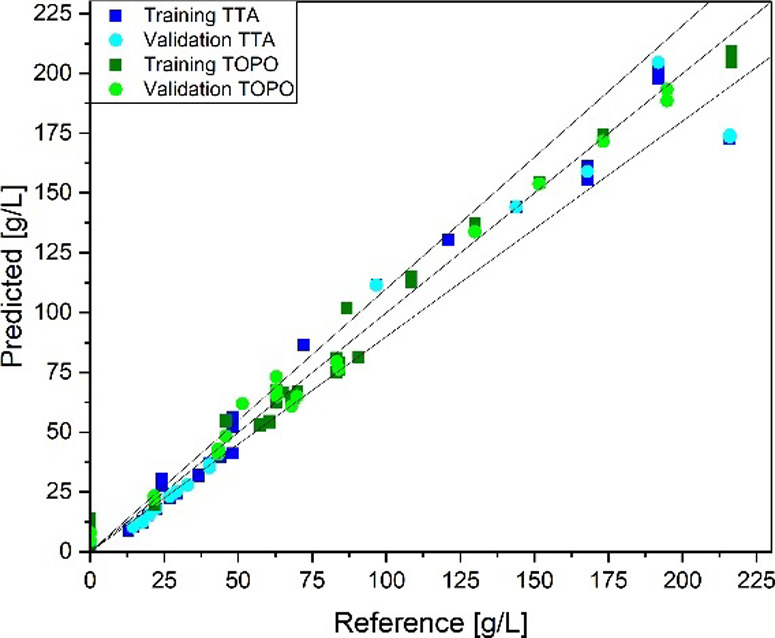 Figure 6
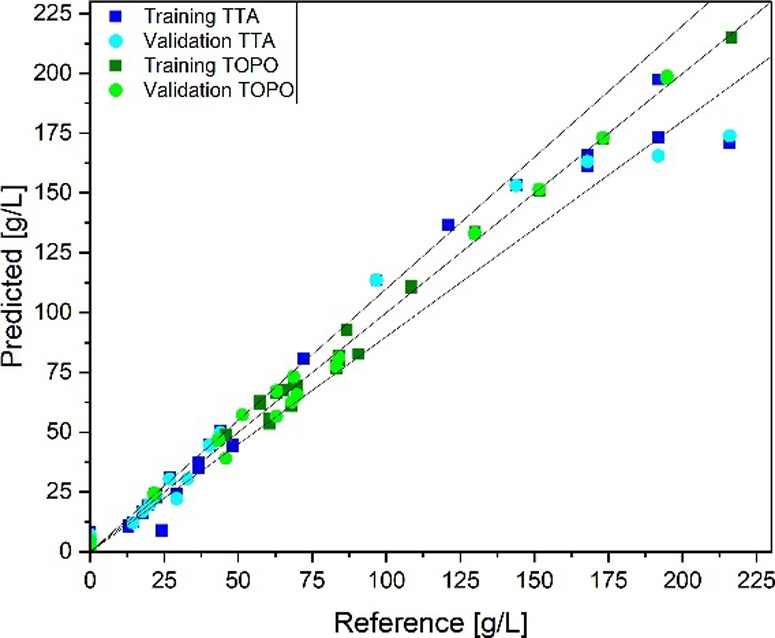 Figure 7
 Figure 8
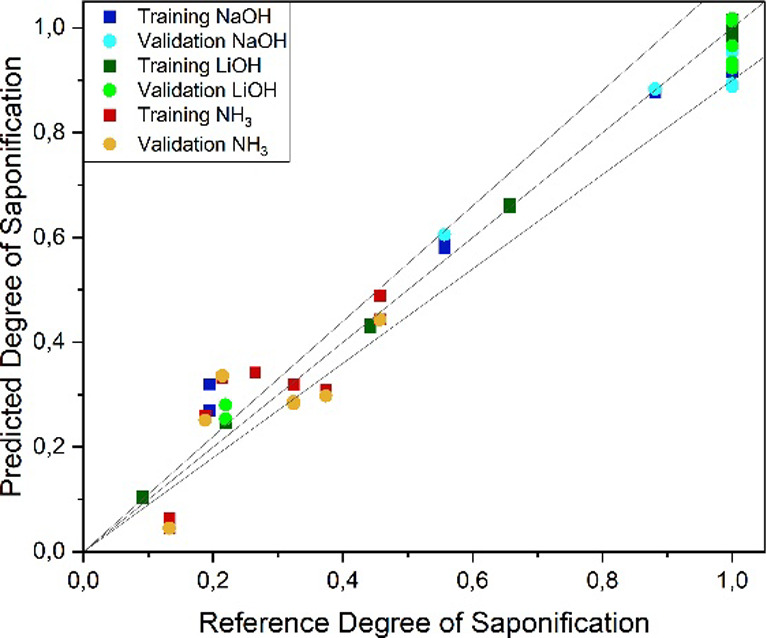 Figure 9
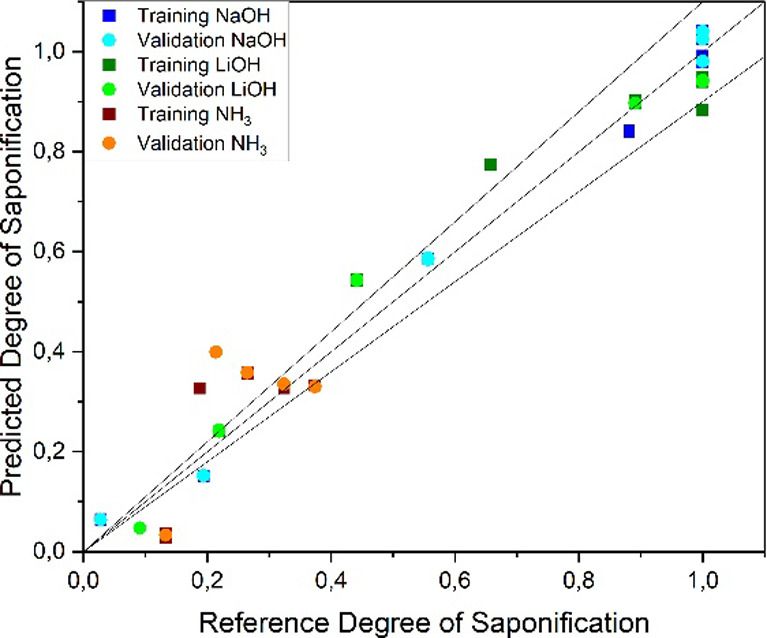 Figure 10
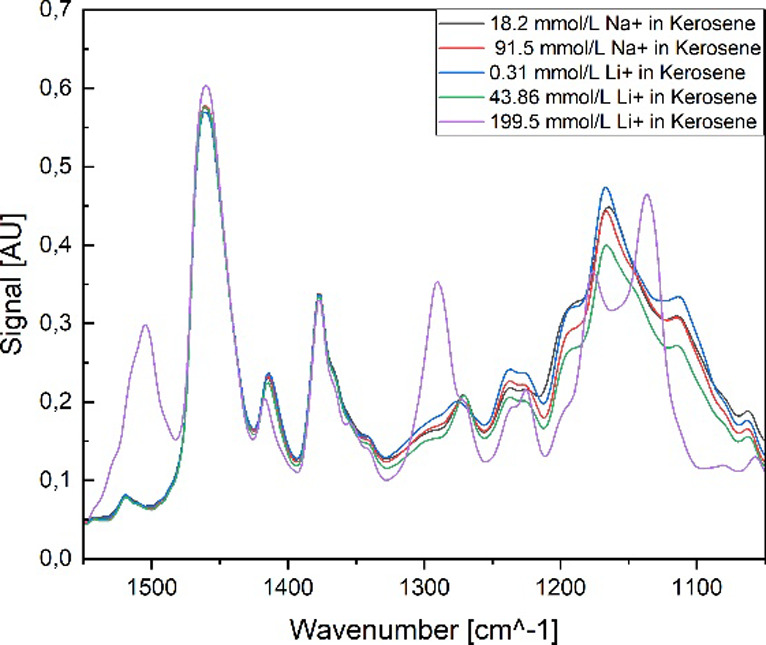 Figure 11
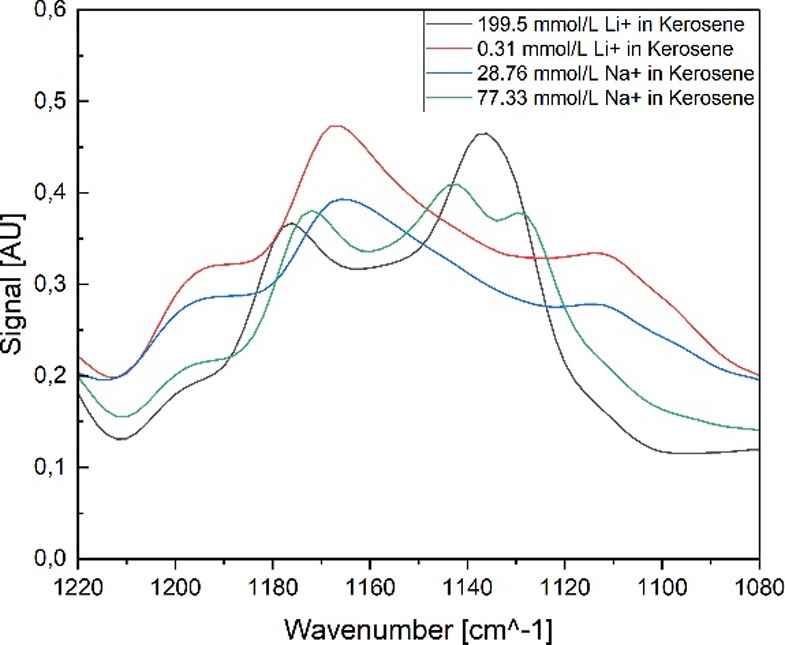 Figure 12
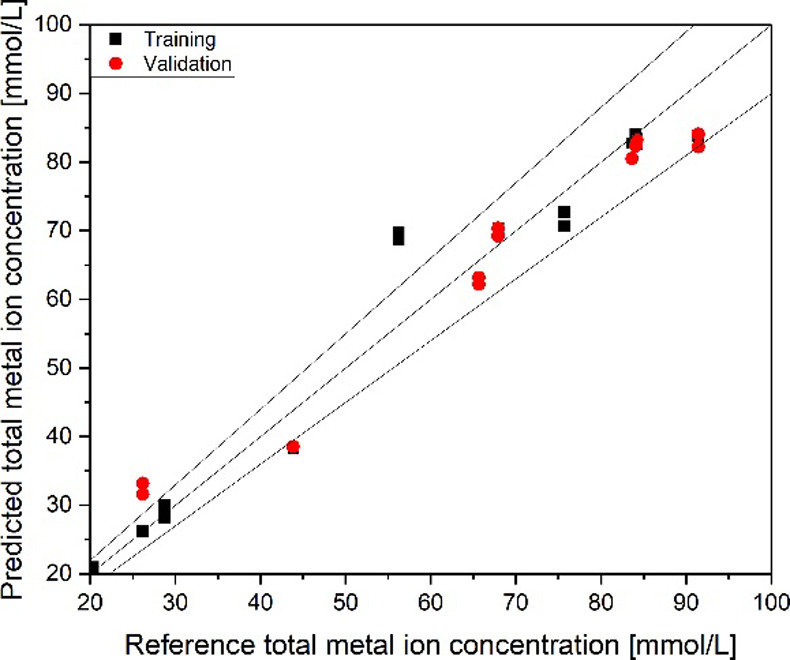 Figure 13
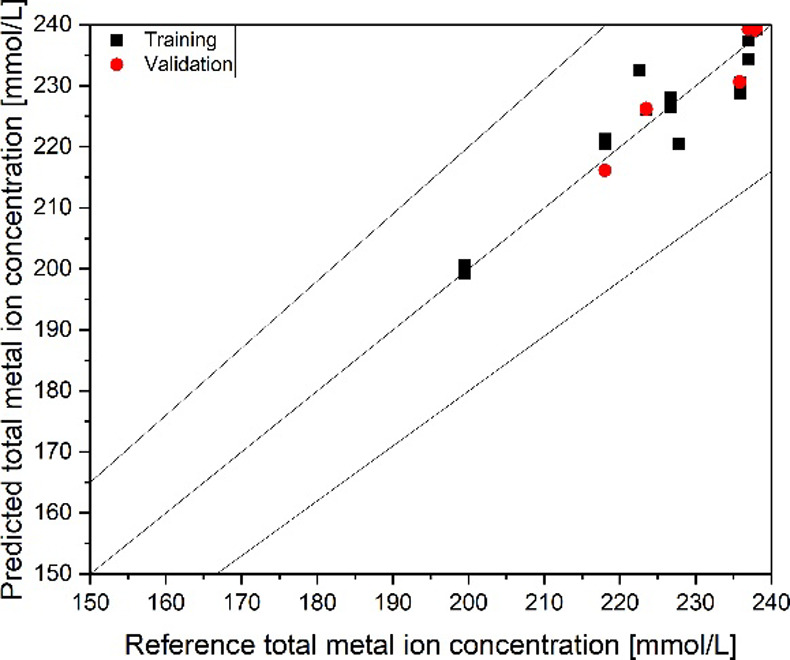 Figure 14
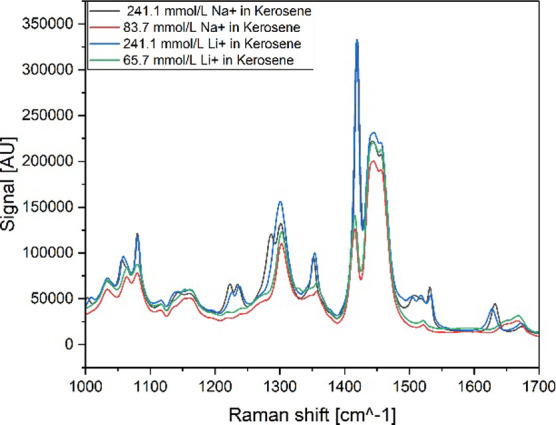 Figure 15
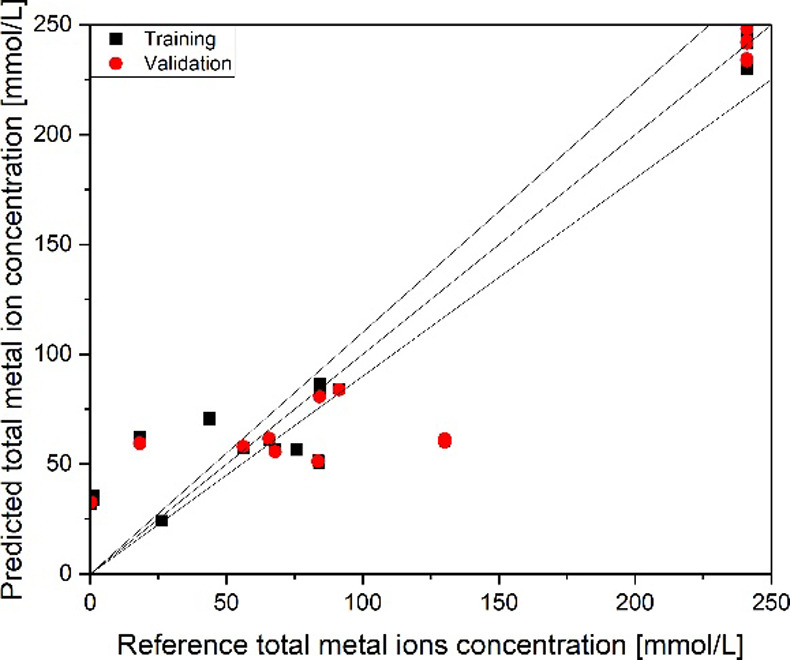 Figure 16
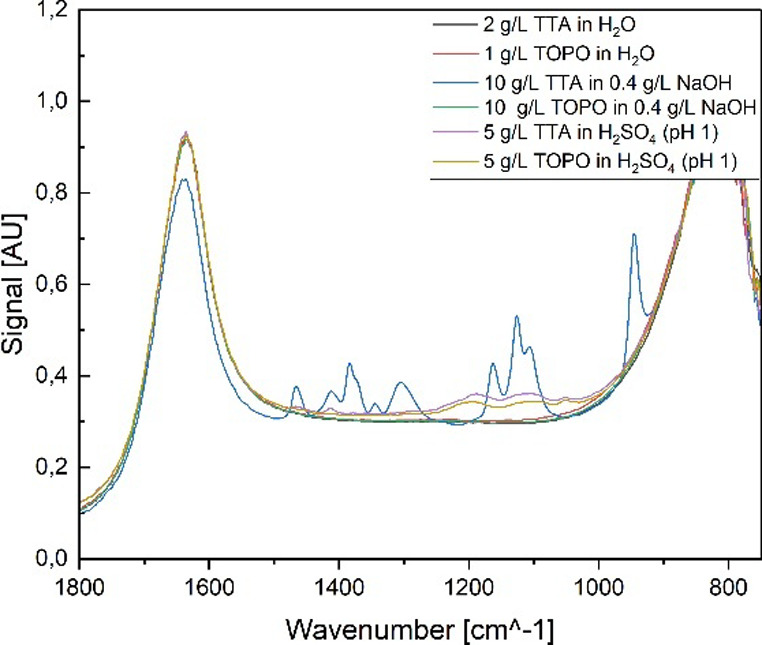 Figure 17
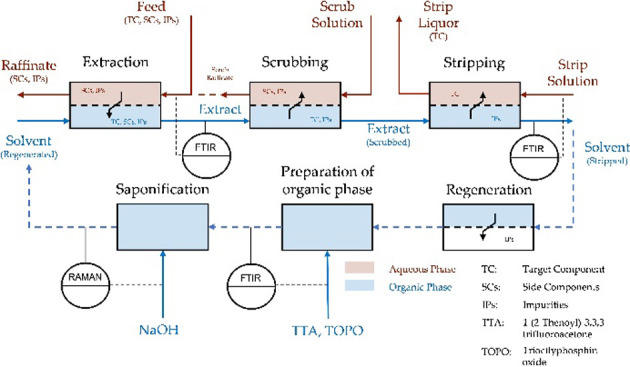 Figure 18
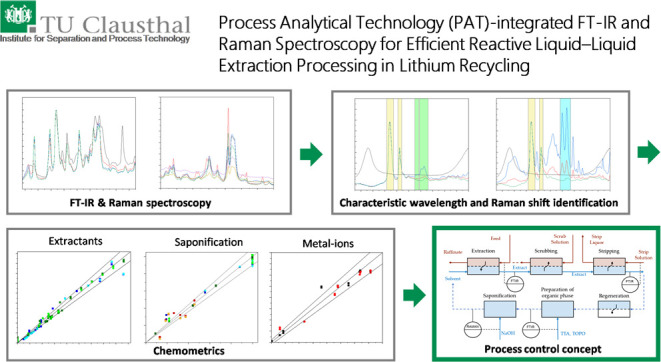 Figure 19
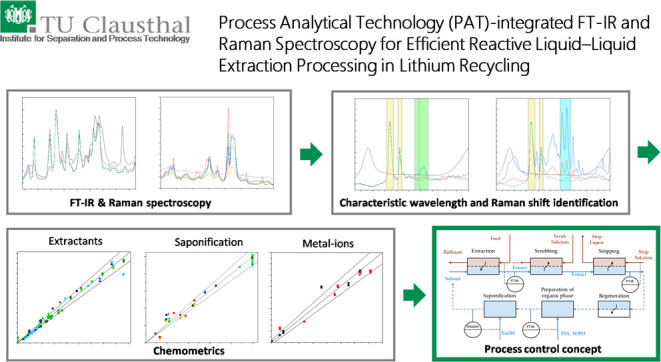 Figure 20
 Figure 21
 Figure 22
Peer Reviews
No public reviews on file for this paper yet. If you reviewed it on a platform where reviews are public (OpenReview, ICLR, NeurIPS, ICML), you can paste yours below so the community can read it here.
Videos
No videos yet. Explain this paper in a talk, walkthrough, or lecture? Add one.
Taxonomy
TopicsExtraction and Separation Processes · Metal Extraction and Bioleaching · Minerals Flotation and Separation Techniques