Mitracarpus frigidus in the Treatment of Vulvovaginal Candidiasis: A Comprehensive Evaluation of Its Therapeutic Properties
Thalita F. Souza, Matheus T. Branca, Mariane R.C. Comitre, Débora A. de Oliveira, Lara M. Campos, Ari S. O. Lemos, Priscila L. Paula, Thayná G. Ferreira, Lívia R. Gamarano, Irley Olívia M. Diniz, Thiago P. Silva, Ana Bárbara Polo, Paula R. B. Dib, Eugênio D. Hottz

TL;DR
This study explores the antifungal potential of Mitracarpus frigidus against Candida infections, showing it can reduce fungal growth without harming human cells.
Contribution
The study provides new evidence of M. frigidus's antifungal efficacy and mechanism against Candida in both in vitro and in vivo models.
Findings
MFH showed fungistatic effects against Candida with MICs between 250 and 1000 μg/mL.
MFH disrupted fungal cell envelopes and mitochondrial membranes without mammalian cell toxicity.
In vivo experiments showed MFH reduced fungal infection in a vulvovaginal candidiasis model.
Abstract
Mitracarpus frigidus (Rubiaceae) is a Brazilian native species traditionally used in folk medicine and has been associated with a range of biological activities, including anti-inflammatory, antibacterial, and antifungal effects. Among the relevant targets, Candida spp. stand out as opportunistic fungi responsible for infections such as vulvovaginal candidiasis, a widespread public health concern aggravated by the growing limitations and reduced efficacy of conventional antifungal therapies. Thus, this study investigated the cytotoxic and in vitro and in vivo antifungal activities of M. frigidus hexanic extract (MFH) against Candida species and its possible mechanism of action. Eleven compounds were identified in MFH, including pentalongin and stigmasterol. In vitro assays revealed that MFH exhibited minimum inhibitory concentrations (MIC) between 250 and 1000 μg/mL against Candida…
Genes, proteins, chemicals, diseases, species, mutations and cell lines named across the full text — each resolved to its canonical identifier and authoritative record.
Click any figure to enlarge with its caption.
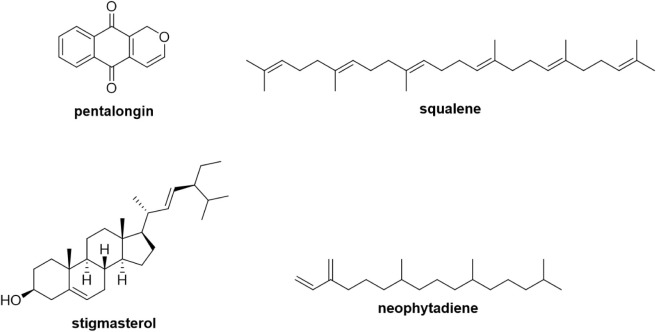 Figure 1
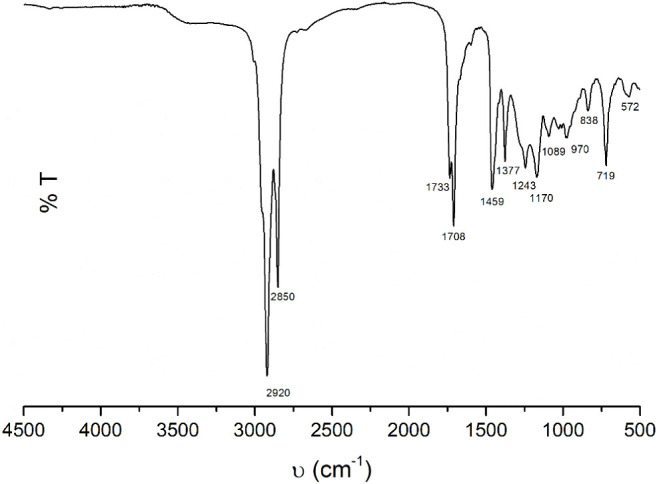 Figure 2
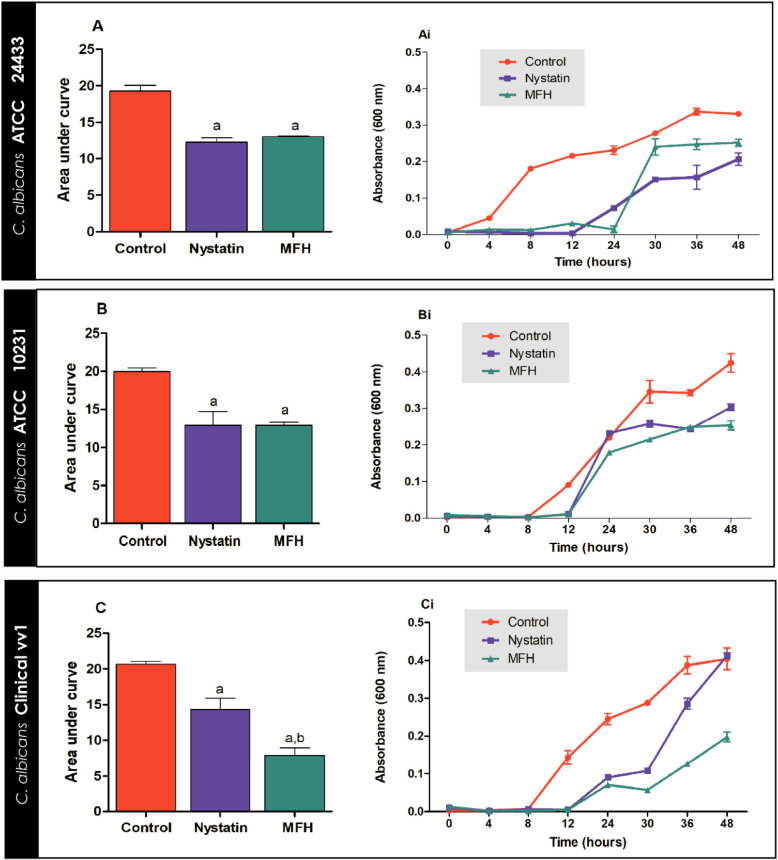 Figure 3
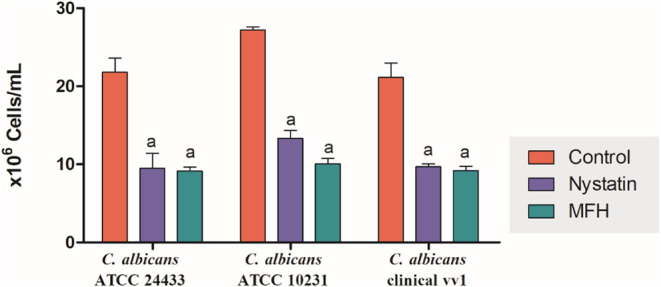 Figure 4
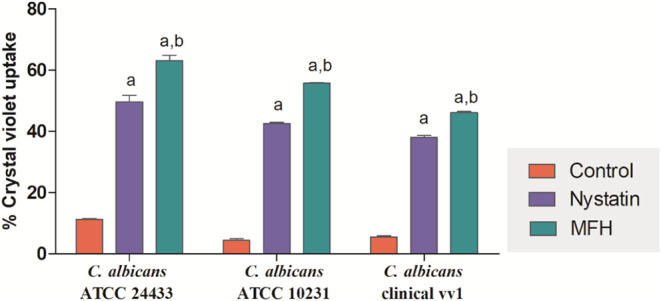 Figure 5
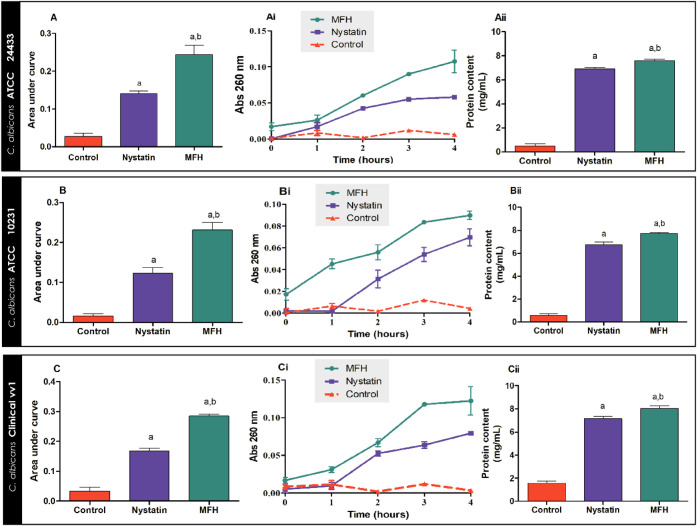 Figure 6
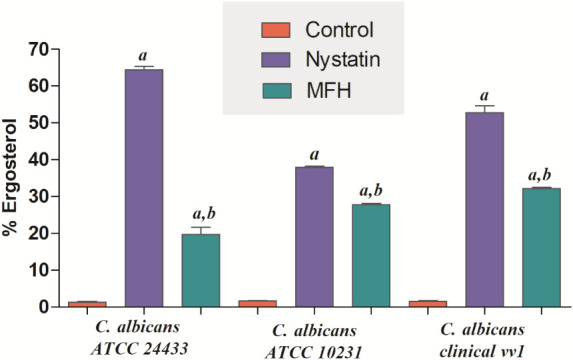 Figure 7
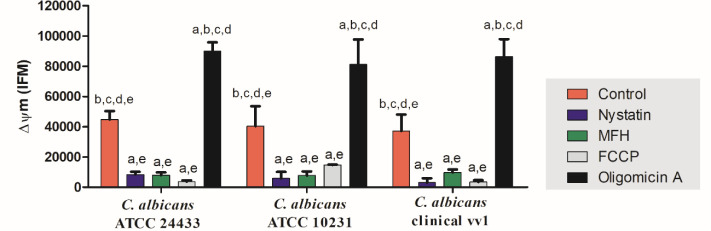 Figure 8
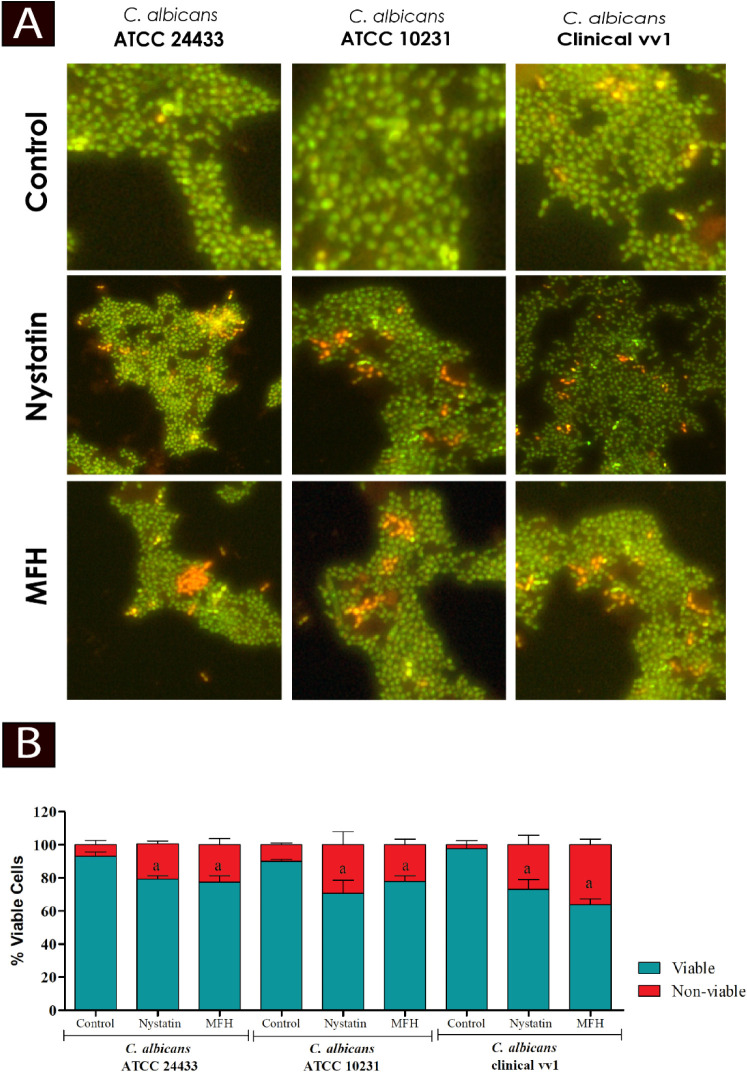 Figure 9
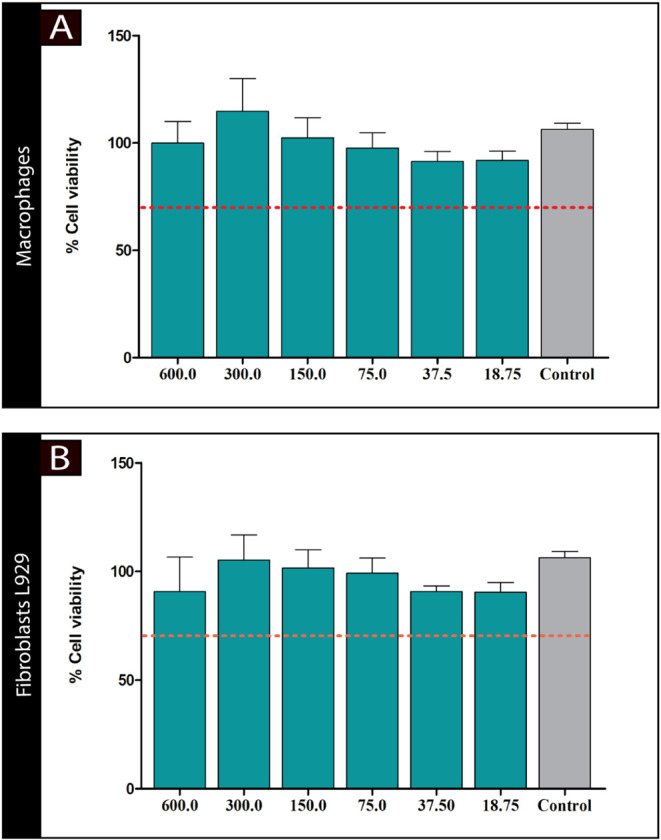 Figure 10
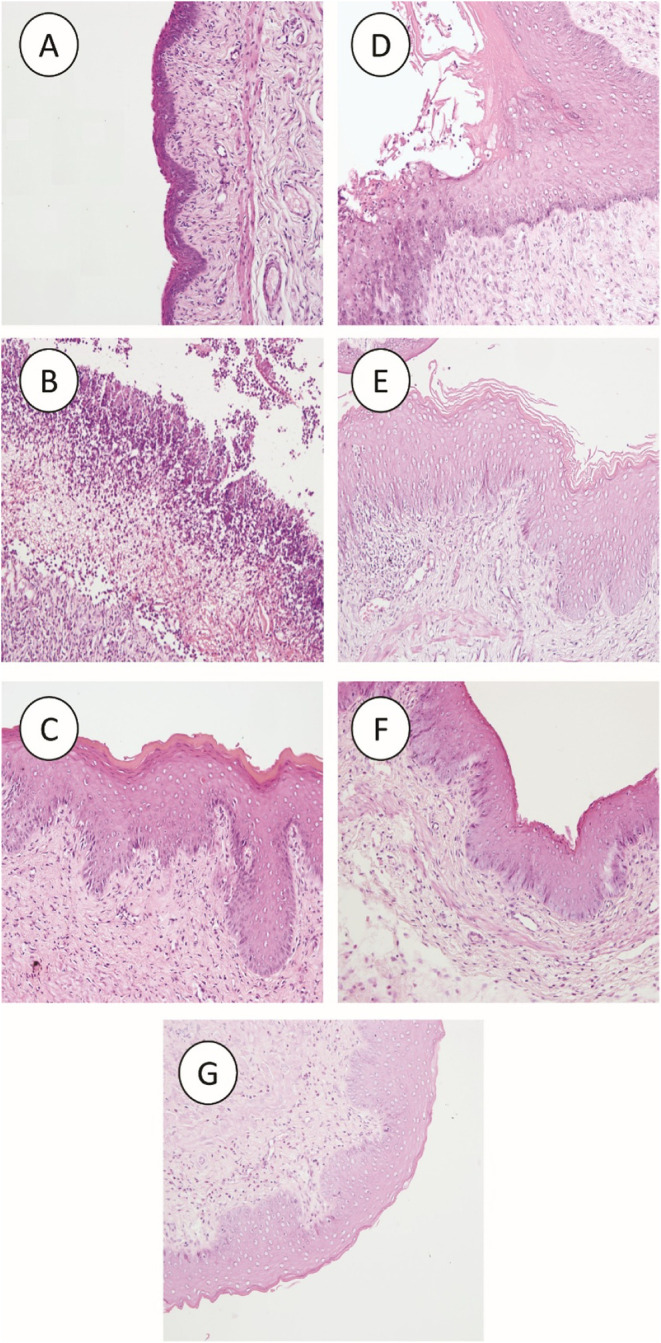 Figure 11
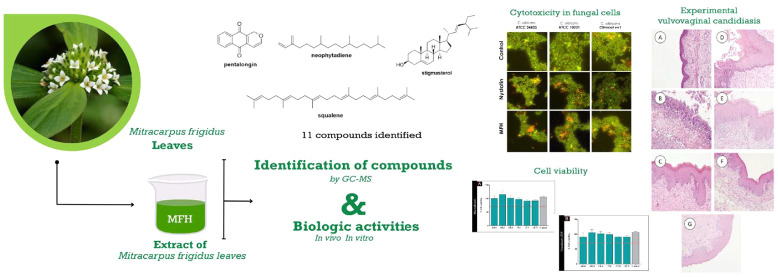 Figure 12
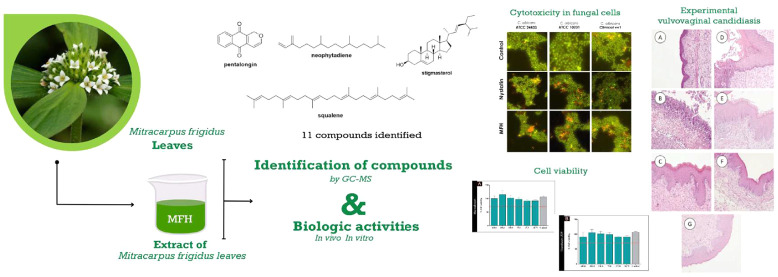 Figure 13
 Figure 14
 Figure 15
 Figure 16
Peer Reviews
No public reviews on file for this paper yet. If you reviewed it on a platform where reviews are public (OpenReview, ICLR, NeurIPS, ICML), you can paste yours below so the community can read it here.
Videos
No videos yet. Explain this paper in a talk, walkthrough, or lecture? Add one.
Taxonomy
TopicsPhytochemistry Medicinal Plant Applications · Reproductive tract infections research · Moringa oleifera research and applications