Sub-2 mm Radial Arterial Access for Endovascular Embolization of an Idiopathic Intramammary Pseudoaneurysm: A Case Report
Sounak Paul, Srijit Saha, Sourav Tripathy, Avik Bhattacharyya, Anasua Chattopadhyay

TL;DR
A rare case of a spontaneous intramammary pseudoaneurysm was successfully treated using a small radial artery access in a patient from the Indian subcontinent.
Contribution
Demonstrates the safe use of sub-2 mm radial arteries for endovascular embolization in treating rare intramammary pseudoaneurysms.
Findings
A sub-2 mm radial artery was successfully used for endovascular treatment of an intramammary pseudoaneurysm.
Intraprocedural nitroglycerine use prevented radial artery spasm and postprocedural thrombosis.
Sub-2 mm radial access is a viable option for subclavian or visceral arterial pathologies.
Abstract
Radial arterial access is a relatively uncommon vascular access site. In the Indian subcontinent, the radial artery diameters are usually sub-2 mm. Here, we present a case of a spontaneous intramammary pseudoaneurysm (Im-PSA) arising from the left internal mammary artery, which was endovascularly treated via a sub-2 mm left radial access. Intermittent 50 µg nitroglycerine (NTG) was instilled every 15-20 minutes via the sheath, intraprocedurally, and a bolus of 100 µg NTG was instilled before a 1:1 sheath-catheter flush configuration. There was no intraprocedural radial artery spasm or postprocedural thrombosis. The preprocedural and intraprocedural steps have been outlined for ease of radial access in such a subset of patients. Im-PSAs are common after percutaneous breast biopsies, and spontaneous Im-PSAs are rare. We recommend that radial access via sub-2 mm radial arteries can be…
Genes, proteins, chemicals, diseases, species, mutations and cell lines named across the full text — each resolved to its canonical identifier and authoritative record.
Click any figure to enlarge with its caption.
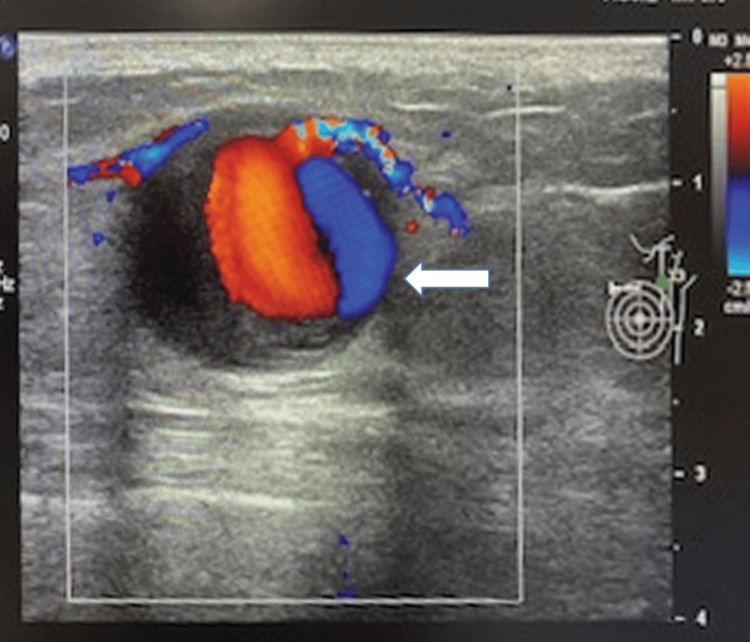 Figure 1
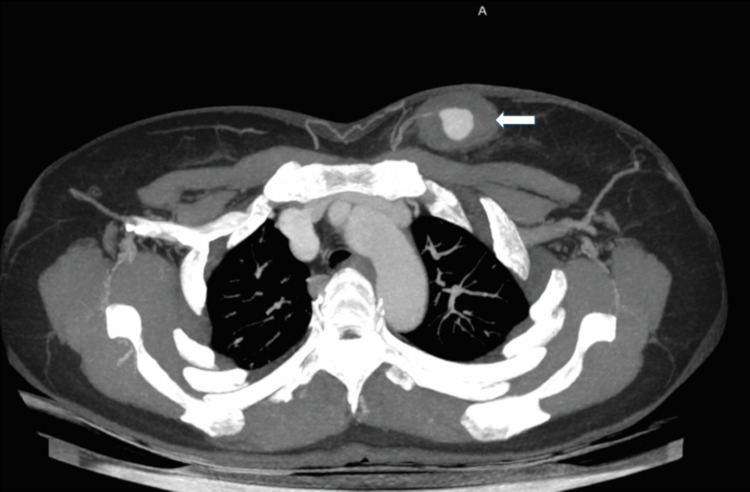 Figure 2
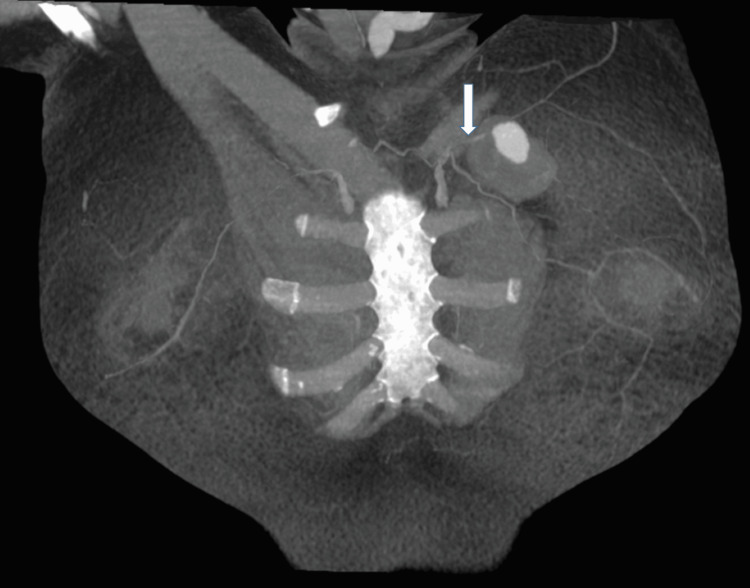 Figure 3
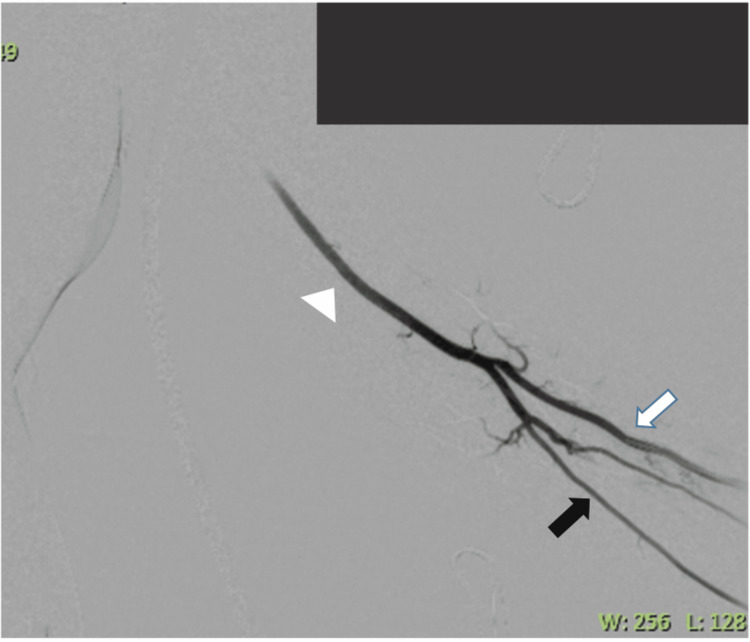 Figure 4
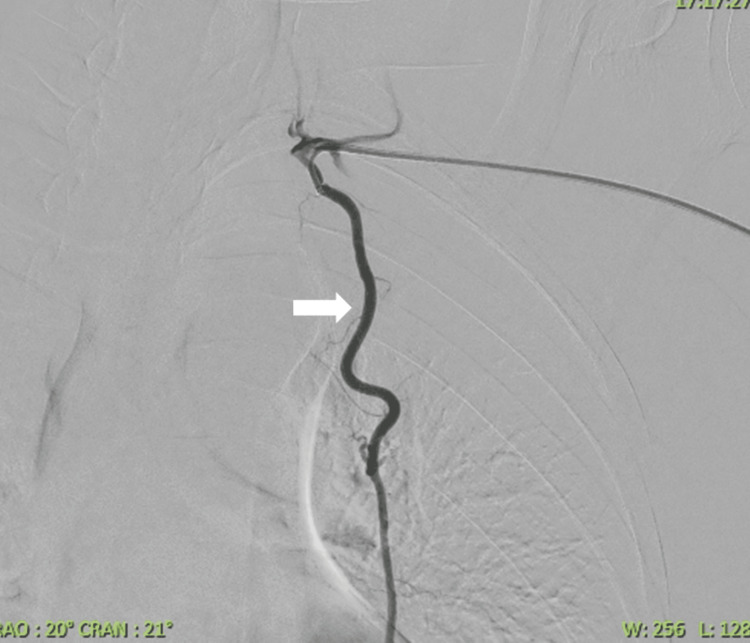 Figure 5
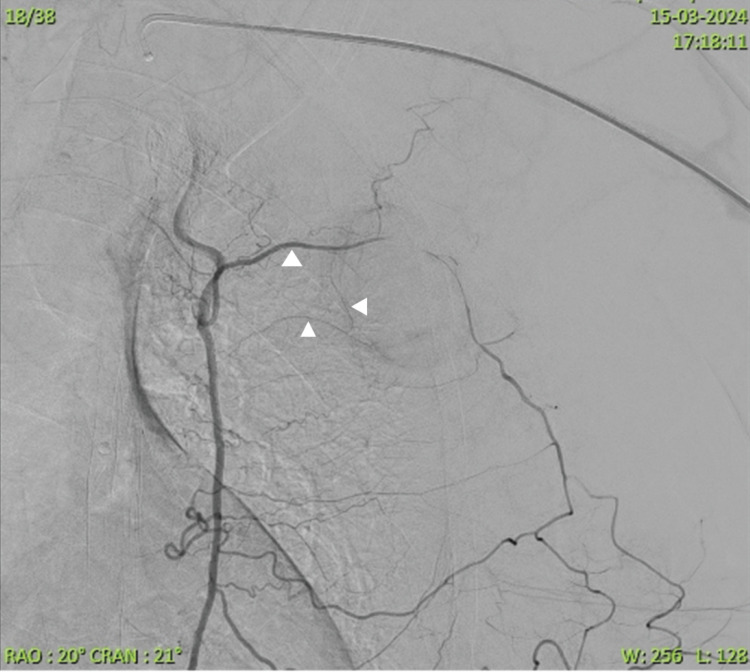 Figure 6
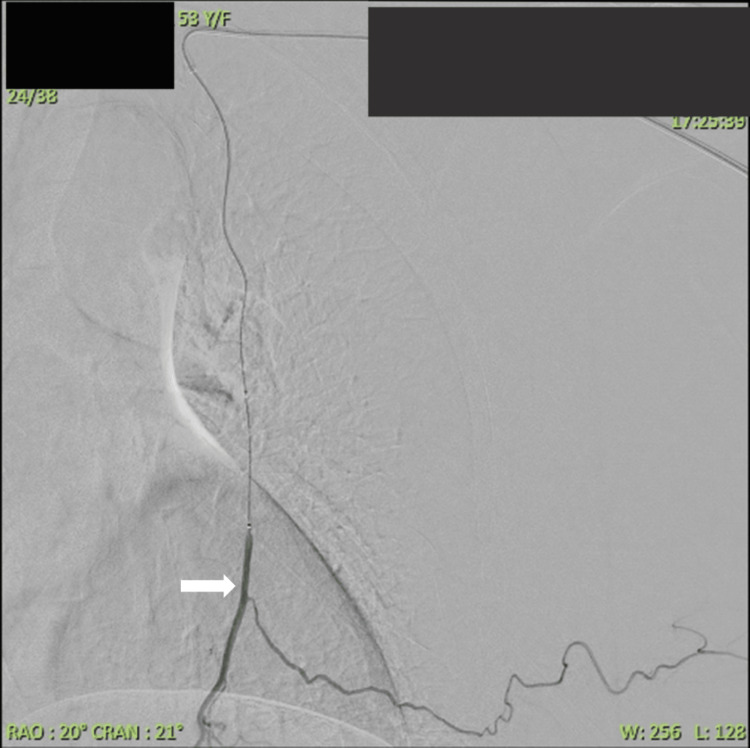 Figure 7
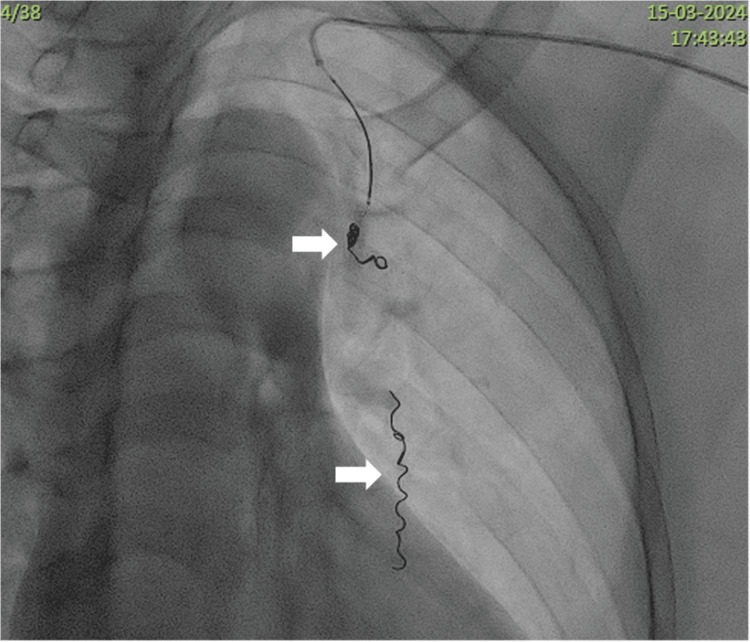 Figure 8
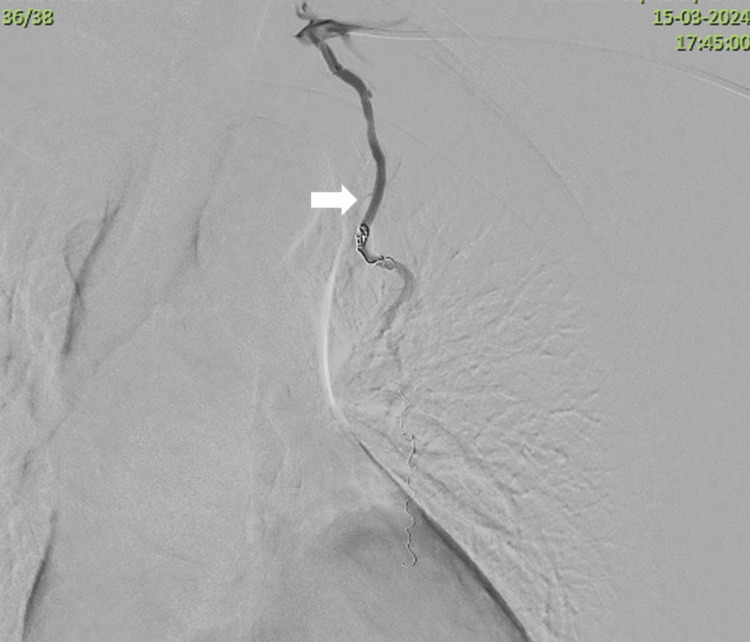 Figure 9
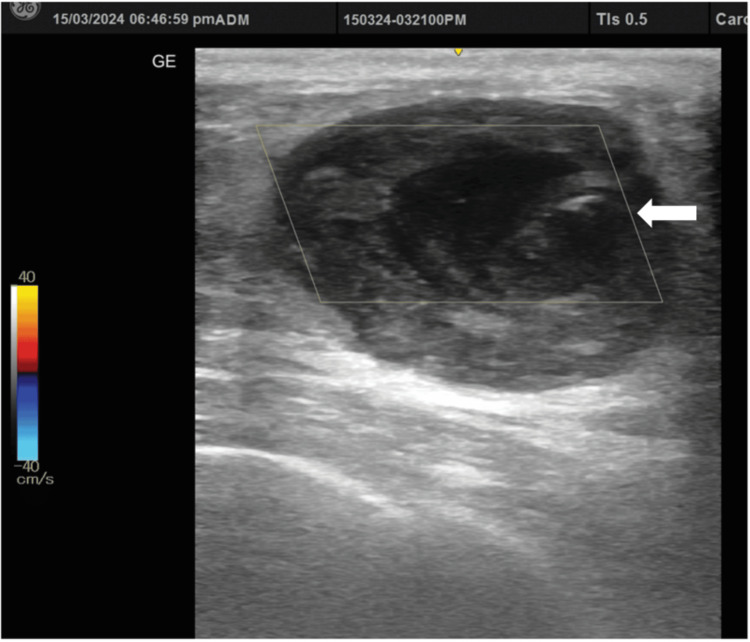 Figure 10
Peer Reviews
No public reviews on file for this paper yet. If you reviewed it on a platform where reviews are public (OpenReview, ICLR, NeurIPS, ICML), you can paste yours below so the community can read it here.
Videos
No videos yet. Explain this paper in a talk, walkthrough, or lecture? Add one.
Taxonomy
TopicsVascular Procedures and Complications · Vascular Anomalies and Treatments · Vascular anomalies and interventions