Six-Membered Thiolate–Thione Chelate Complexes of Group 10 ElementsSyntheses, Crystal Structures, and NMR Studies
Hennes Günther, Stephan Hohloch, Frank Tambornino

TL;DR
Scientists synthesized and studied new metal complexes with unique sulfur-based structures and analyzed their properties using crystallography and NMR.
Contribution
A new class of air-stable six-membered thiolate–thione complexes with group 10 metals was synthesized and structurally characterized.
Findings
The complexes exhibit a slightly distorted square planar geometry with four sulfur atoms coordinating the metal center.
Bond length changes in the complexes indicate electron delocalization within the S–C–N–C–S framework.
13C NMR data show a strong influence of the metal center but minimal effect from varying alkyl chain lengths.
Abstract
Imido-C,C’-dithiodicarbonic-O,O’-dialkyl esters (alkyl: 1 = Me, 2 = Et, 3 = i Pr) were synthesized by facile synthetic protocols. They form air-stable complexes with divalent group 10 ions (Ni[1]2, Ni[2]2, Ni[3]2, Pd[1]2, Pd[2]2, Pd[3]2, Pt[1]2, Pt[2]2, and Pt[3]2). In their crystal structures, the metal center is coordinated by four sulfur atoms of two anionic ligands in a slightly distorted square planar fashion. The backbones of all complexes show distortion depending on the bulkiness of the ligand. A comparison of bond lengths in free ligands and their respective complexes reveals CS bond length extension and CN bond length shortening due to electron delocalization among the S–C–N–C–S moiety. The 13C NMR spectra show a dominating influence of the metal center, while the effect of the different alkyl chains is negligible.
Genes, proteins, chemicals, diseases, species, mutations and cell lines named across the full text — each resolved to its canonical identifier and authoritative record.
Click any figure to enlarge with its caption.
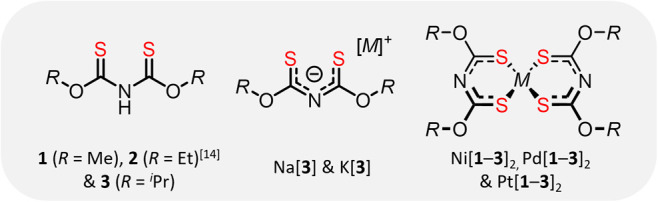 Figure 1
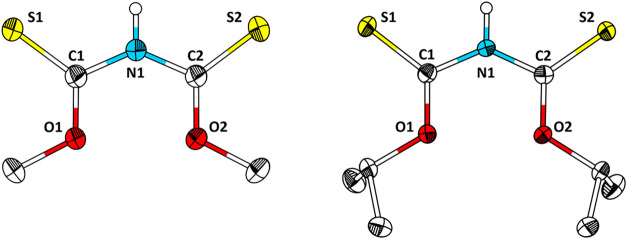 Figure 2
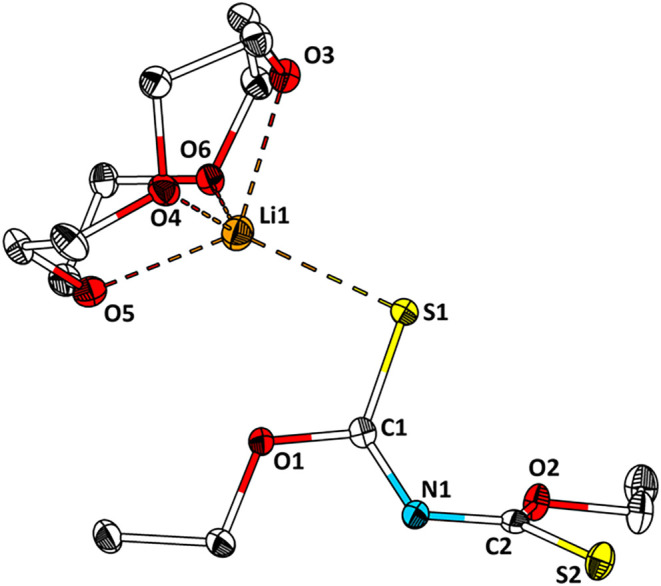 Figure 3
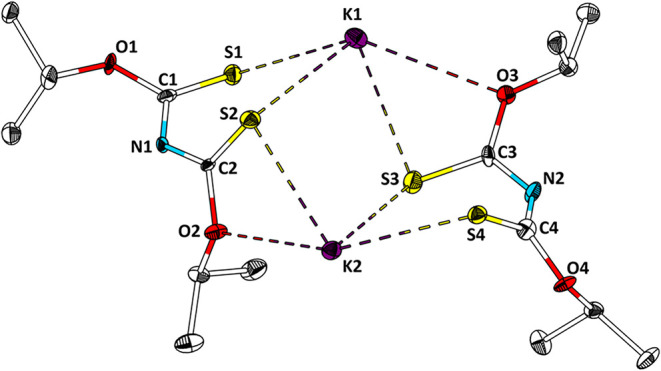 Figure 4
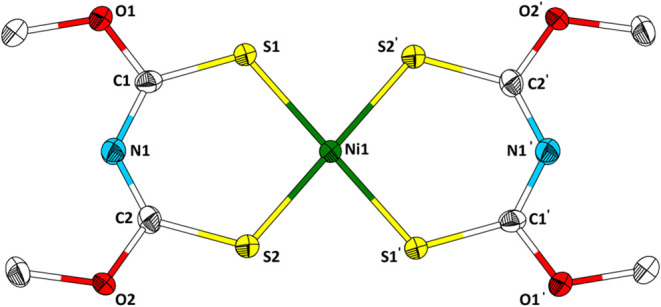 Figure 5
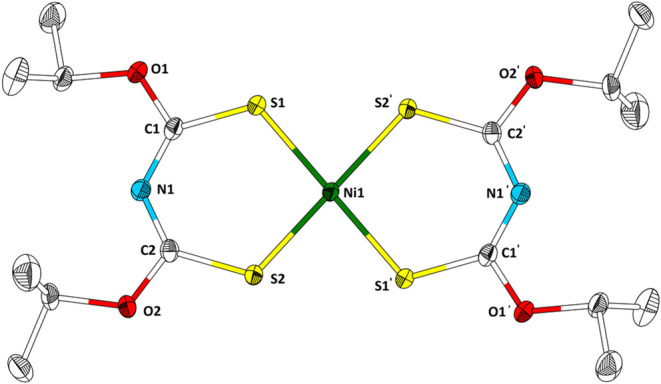 Figure 6
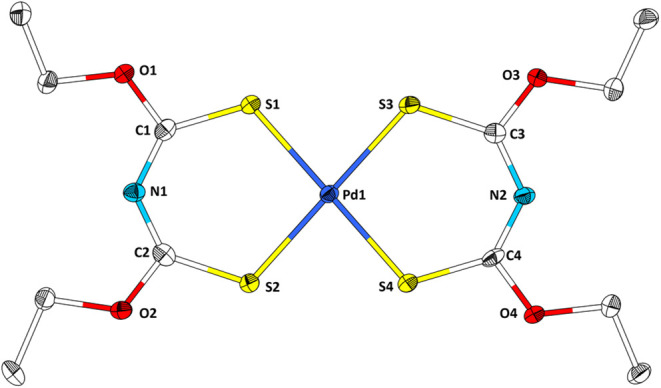 Figure 7
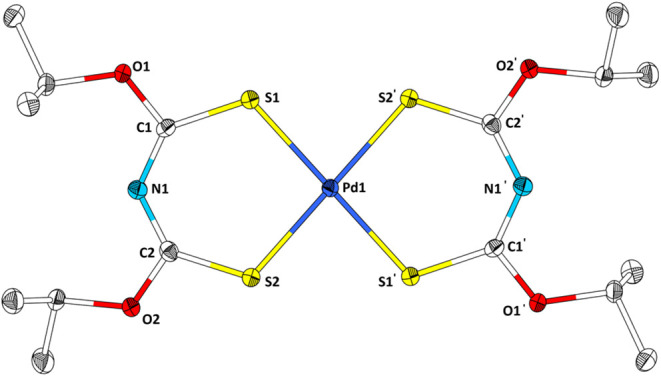 Figure 8
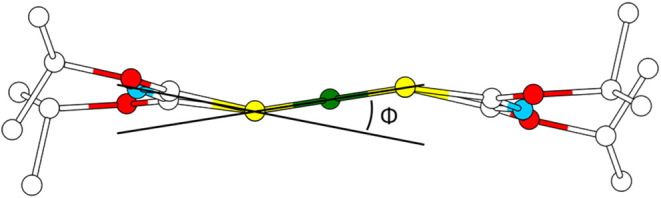 Figure 9
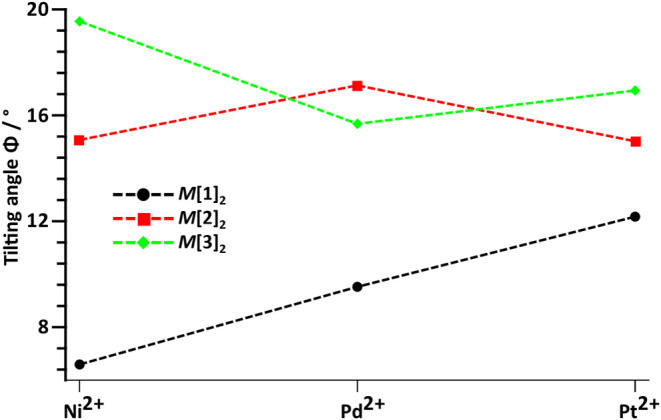 Figure 10
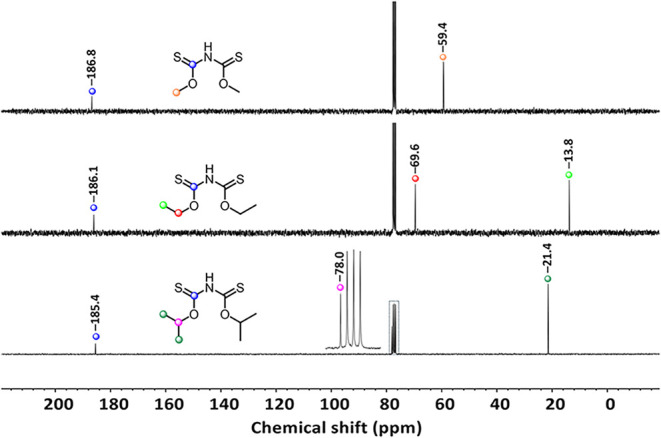 Figure 11
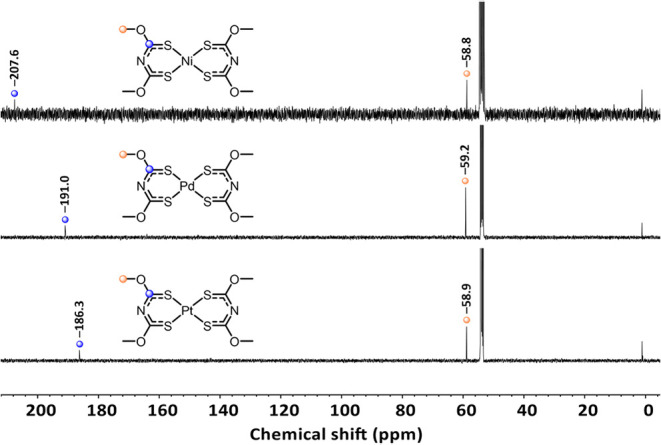 Figure 12
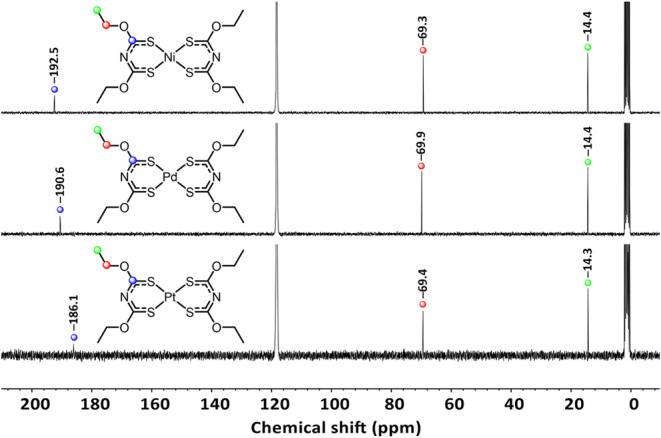 Figure 13
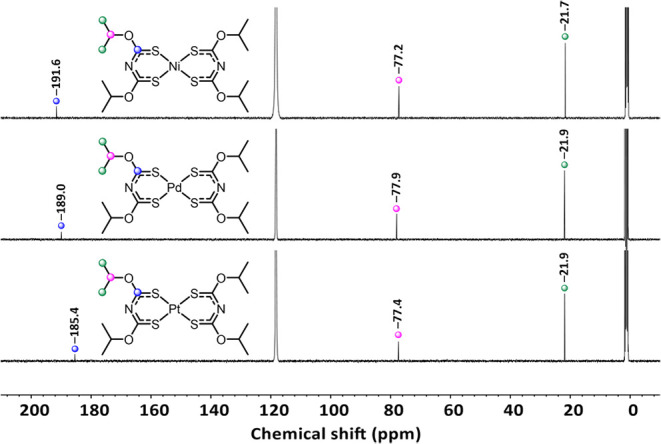 Figure 14
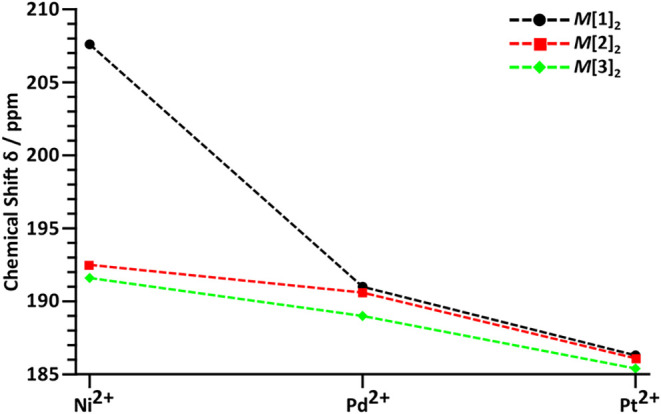 Figure 15
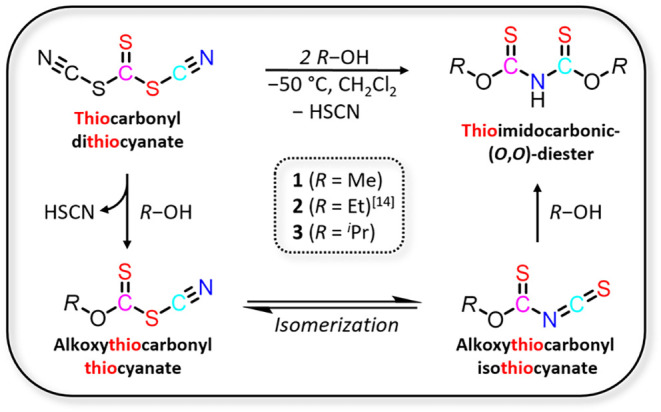 Figure 16
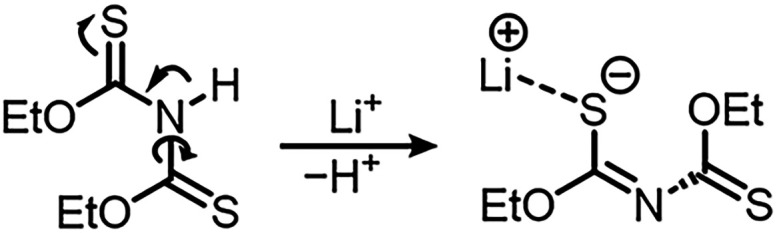 Figure 17
 Figure 18
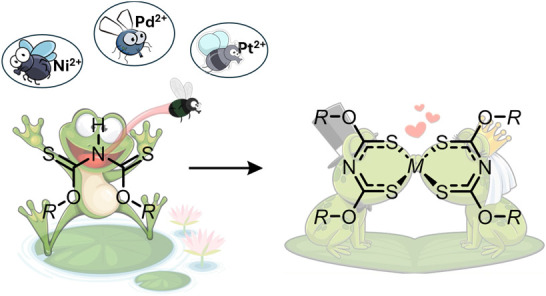 Figure 19
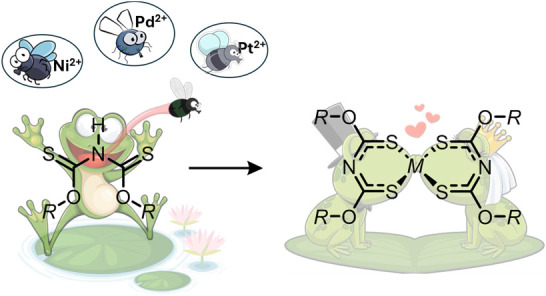 Figure 20
Peer Reviews
No public reviews on file for this paper yet. If you reviewed it on a platform where reviews are public (OpenReview, ICLR, NeurIPS, ICML), you can paste yours below so the community can read it here.
Videos
No videos yet. Explain this paper in a talk, walkthrough, or lecture? Add one.
Taxonomy
TopicsSynthesis and characterization of novel inorganic/organometallic compounds · Organometallic Compounds Synthesis and Characterization · Organometallic Complex Synthesis and Catalysis