Electrospun Maltodextrin Fibers for Efficient Removal of Nanoparticles, Atenolol, and Crystal Violet: Preparation and Characterization
Eya Ben Khalifa, Claudio Cecone, Boutheina Rzig, Giulia Mori, Federico Cesano, Mery Malandrino, Pierangiola Bracco, Giuliana Magnacca

TL;DR
Researchers made eco-friendly fibers from maltodextrin and amino acids that can efficiently remove pollutants like atenolol and crystal violet from water.
Contribution
The novel contribution is the development of amino acid-modified maltodextrin electrospun fibers for water pollutant removal.
Findings
Cysteine-modified fibers achieved up to 98% removal of crystal violet.
Lysine-modified fibers were most effective for gold nanoparticle removal.
The fibers achieved 82% atenolol removal but had limited performance for silver nanoparticles.
Abstract
Maltodextrins are promising, sustainable, and low-cost materials suitable for environmental remediation applications. This study developed eco-friendly electrospun cross-linked fibers from maltodextrins (GLU2), combined with betaine, lysine, and cysteine. The resulting fibers exhibited a well-defined bead-free structure, good thermal stability, and successfully incorporated nitrogen functional groups. They were subsequently tested for removing water pollutants, including metal nanoparticles, crystal violet, and atenolol. Adsorption tests revealed that GLU2 fibers achieved 82% atenolol removal, although the performance was limited for silver nanoparticles, likely due to particle aggregation. The combination with lysine proved to be the most effective for gold nanoparticle removal, while cysteine-modified GLU2 fibers achieved up to 98% removal of crystal violet. These findings highlight…
Genes, proteins, chemicals, diseases, species, mutations and cell lines named across the full text — each resolved to its canonical identifier and authoritative record.
Click any figure to enlarge with its caption.
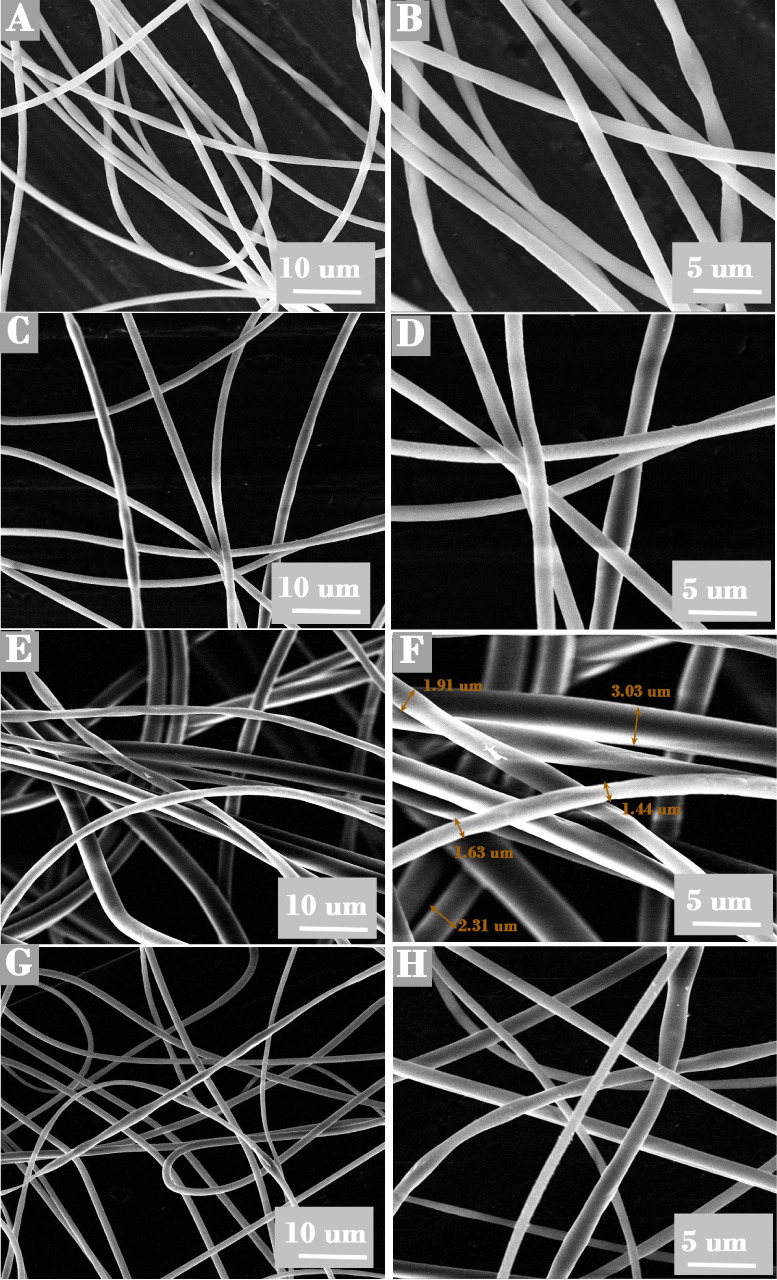 Figure 1
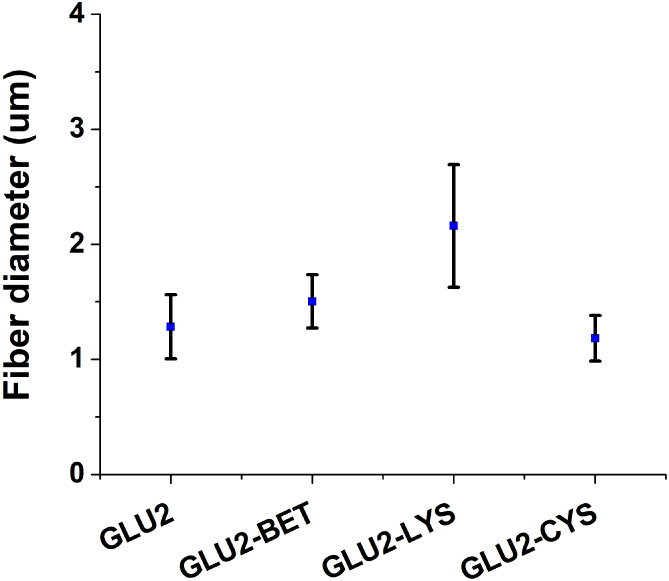 Figure 2
 Figure 3
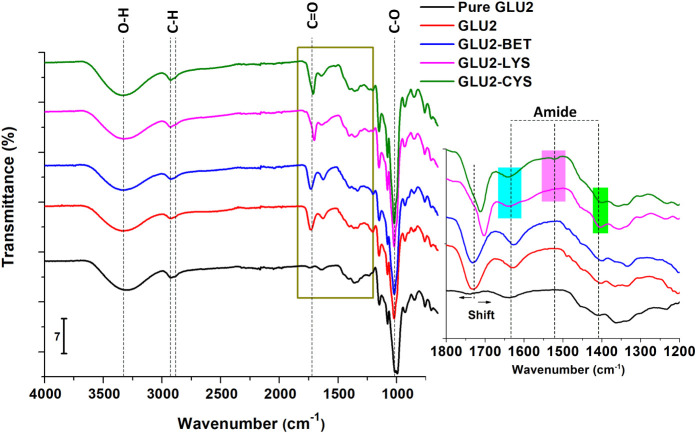 Figure 4
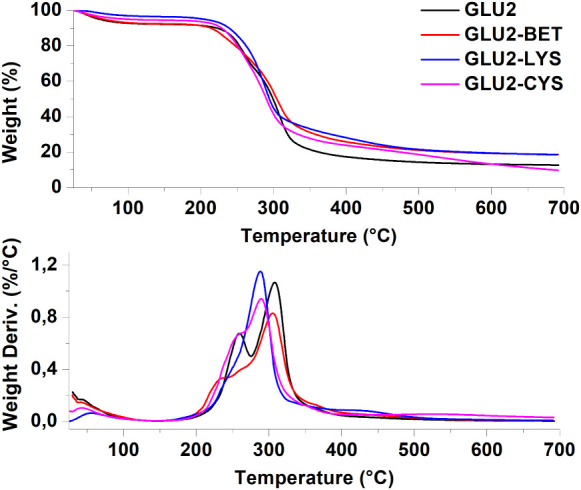 Figure 5
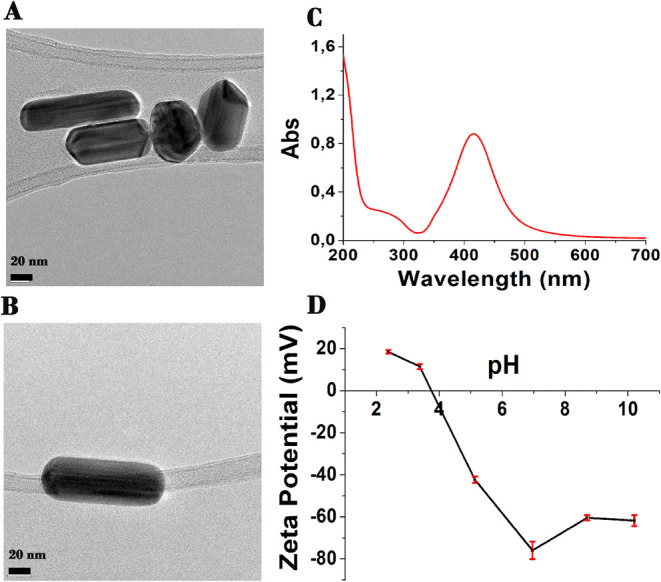 Figure 6
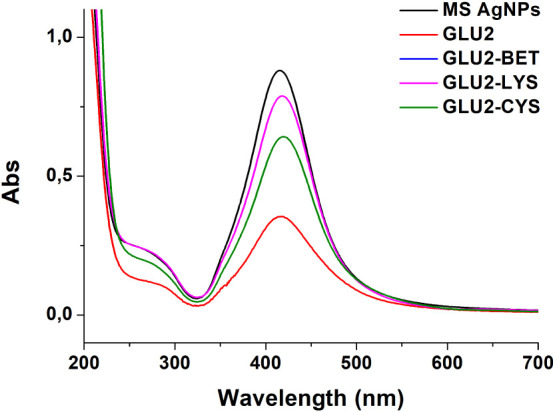 Figure 7
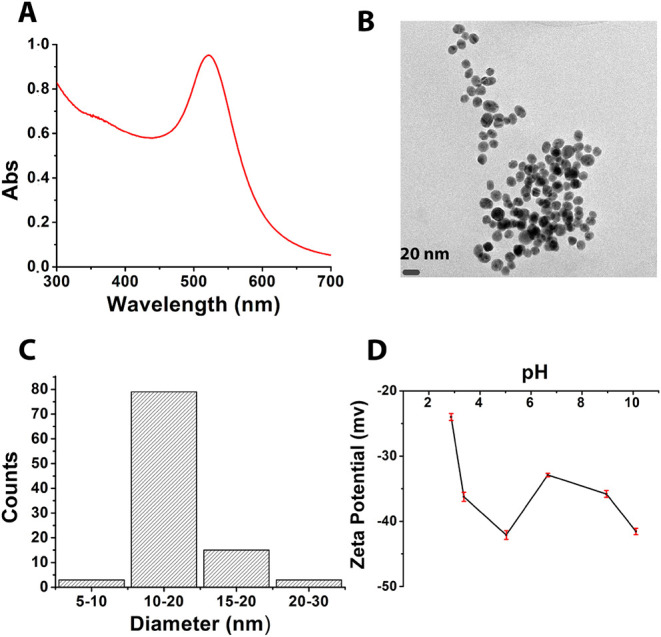 Figure 8
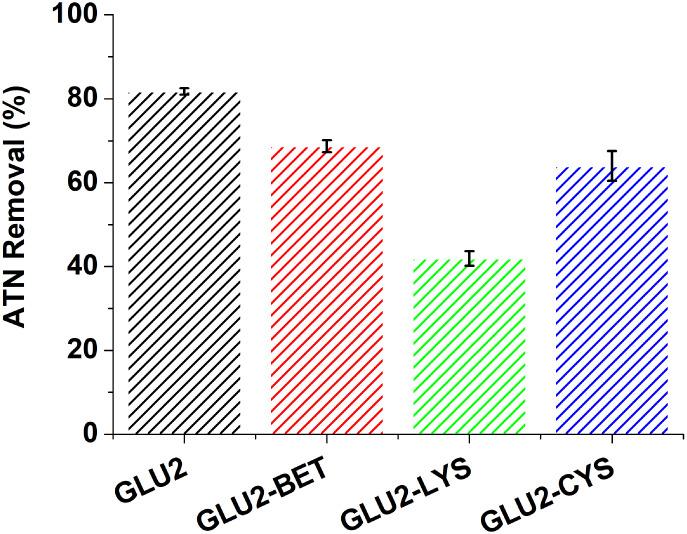 Figure 9
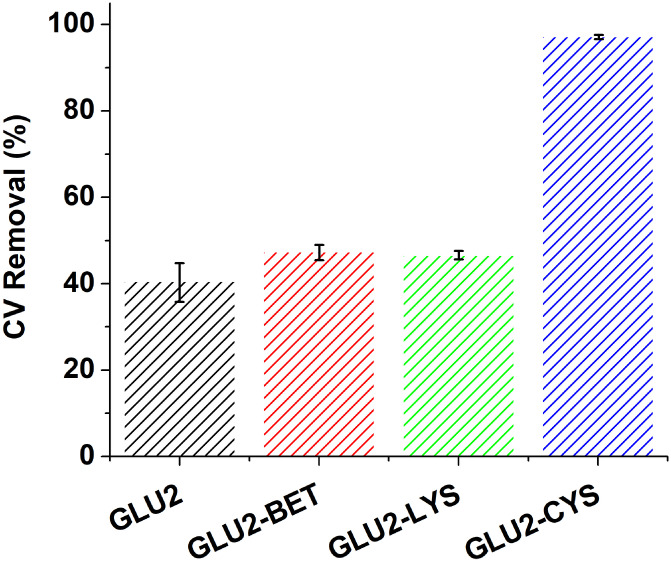 Figure 10
 Figure 11
 Figure 12
 Figure 13
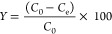 Figure 14
Peer Reviews
No public reviews on file for this paper yet. If you reviewed it on a platform where reviews are public (OpenReview, ICLR, NeurIPS, ICML), you can paste yours below so the community can read it here.
Videos
No videos yet. Explain this paper in a talk, walkthrough, or lecture? Add one.
Taxonomy
TopicsElectrospun Nanofibers in Biomedical Applications · Electrohydrodynamics and Fluid Dynamics · Microencapsulation and Drying Processes