Determination of the Preferred Stereoisomer of Natural Product Bisabolol in Chloroform Solution through Quantum Chemical Calculations of 1H NMR Chemical Shifts
Haroldo C. Da Silva, Lucas H. Martorano, Fernando M. Dos Santos, Wagner B. De Almeida

TL;DR
This paper uses quantum chemical calculations to determine the preferred 3D structure of the natural product bisabolol in chloroform solution.
Contribution
A novel computational approach combining DFT and solvent effects was used to identify the predominant enantiomer of bisabolol.
Findings
The α stereoisomer of bisabolol was confirmed as the predominant structure in chloroform solution.
Inclusion of solvent effects improved the accuracy of theoretical NMR predictions compared to previous methods.
The identified structure is expected to interact effectively with biological targets.
Abstract
The elucidation of natural product structures and the differentiation of stereoisomers are important issues in organic chemistry. An example is the sesquiterpene (−)-α-bisabolol (αBis), having two stereogenic centers, αBis and a flexible side chain that generates high conformational freedom. Recently, new tools named DP4+ and ANN-PRA, which are probabilistic approaches, were used in combination to solve the relative configuration of αBis (α and epi-α diastereomers). Nuclear magnetic resonance (NMR) chemical shifts obtained from density functional theory (DFT) calculations in the vacuum were used by the DP4+ and ANN-PRA computational algorithms averaged by the Boltzmann population. Although such a procedure can provide an indication of the most probable enantiomer, no information on the spatial arrangement of the preferred molecular structure present in the NMR experiment (in CDCl3)…
Genes, proteins, chemicals, diseases, species, mutations and cell lines named across the full text — each resolved to its canonical identifier and authoritative record.
Click any figure to enlarge with its caption.
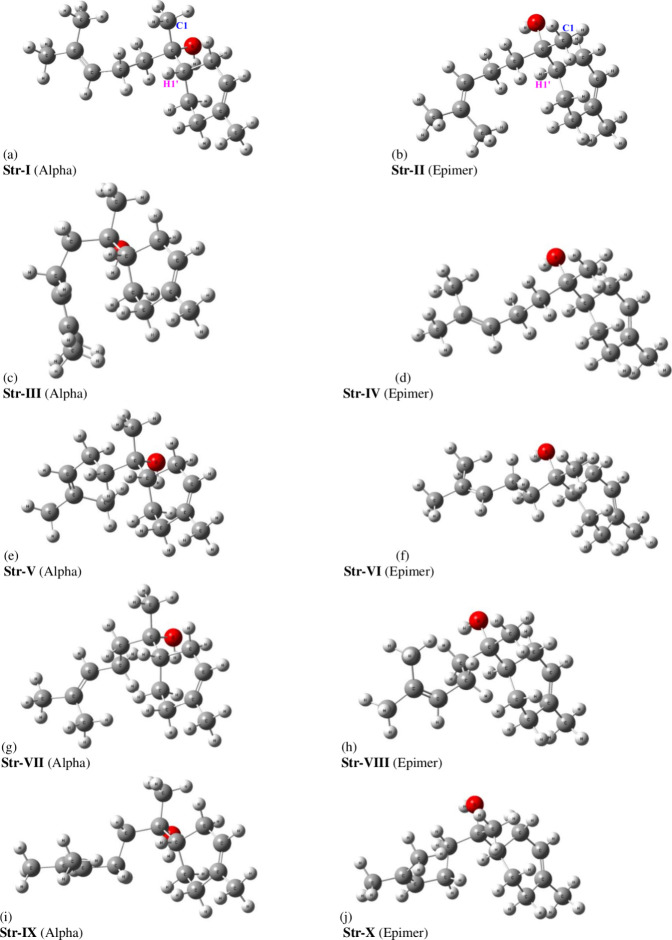 Figure 1
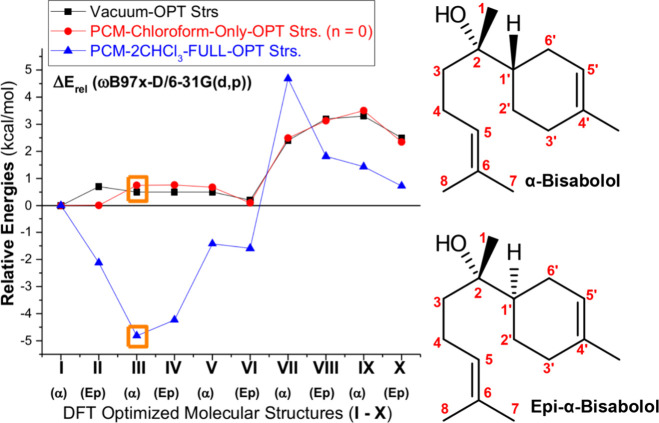 Figure 2
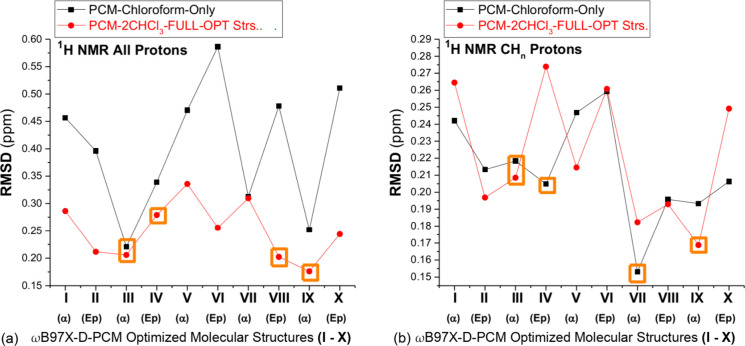 Figure 3
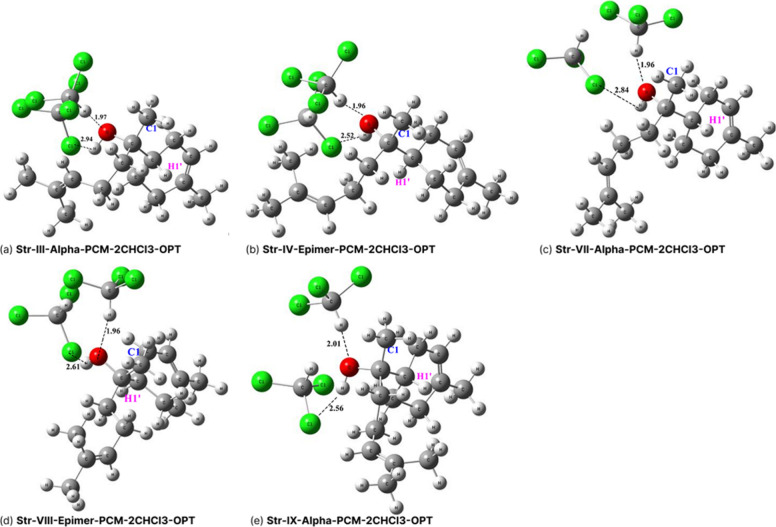 Figure 4
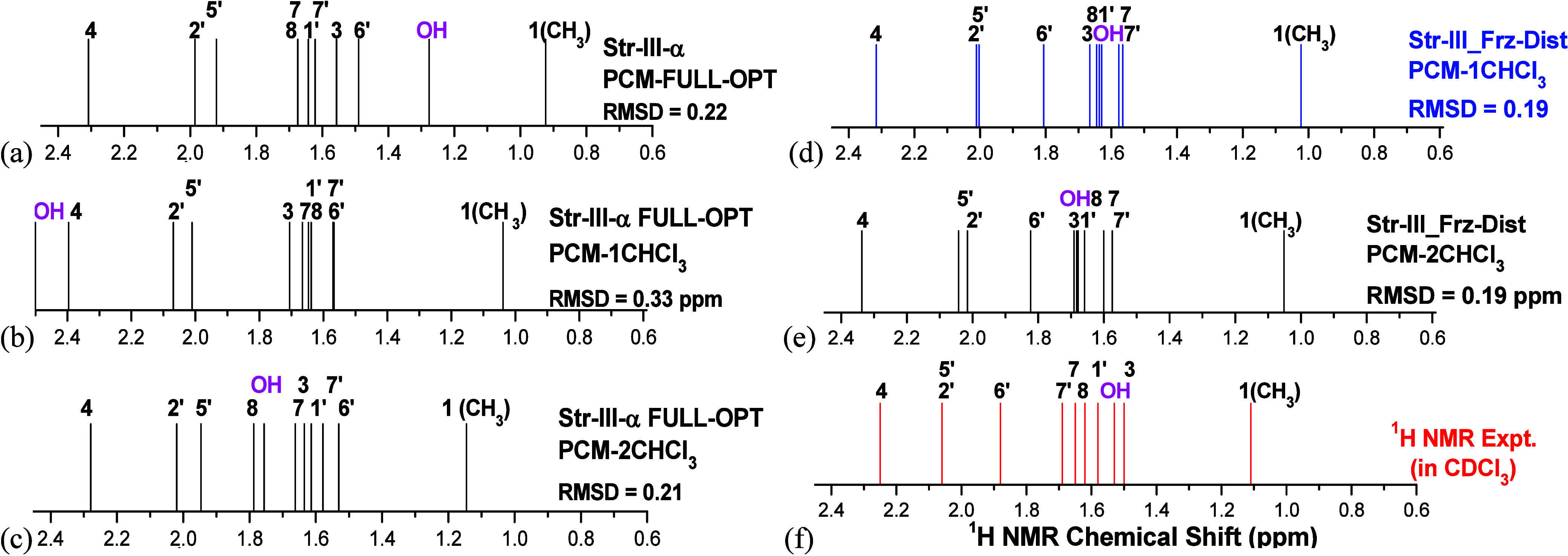 Figure 5
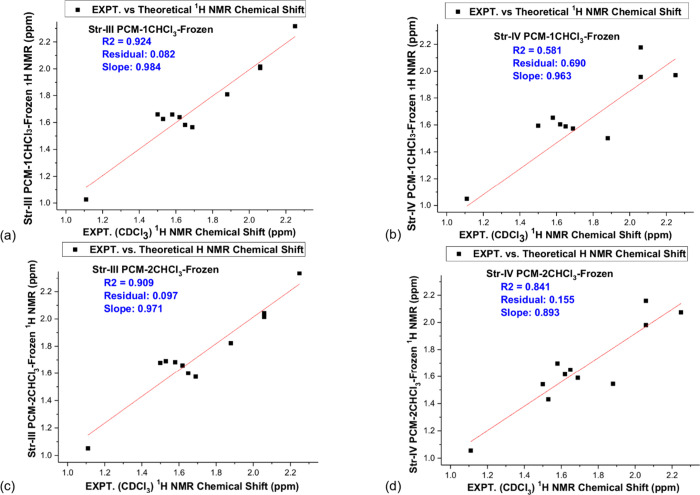 Figure 6
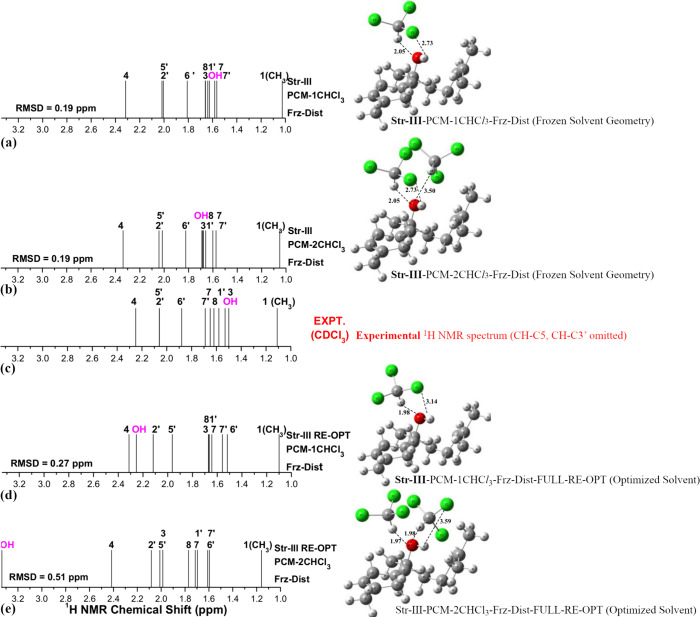 Figure 7
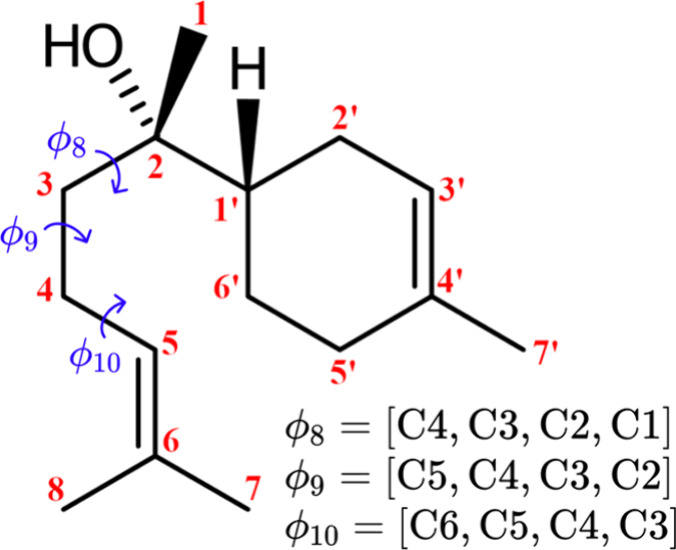 Figure 8
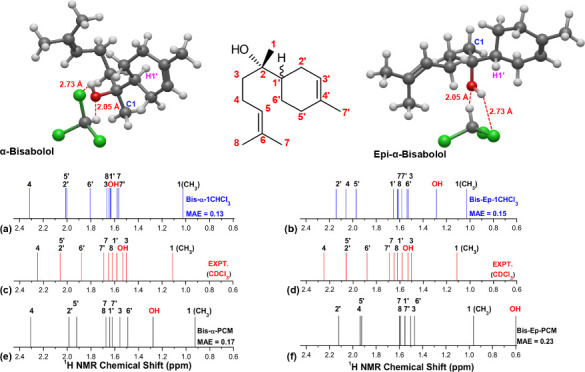 Figure 9
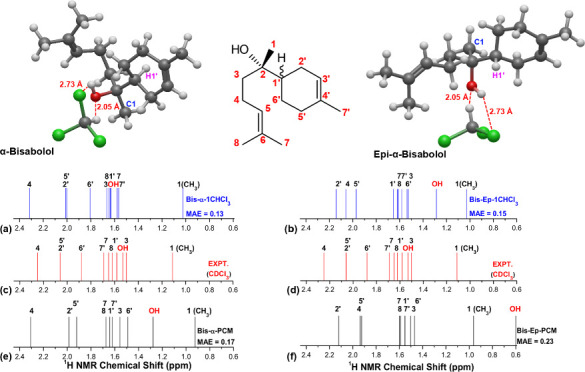 Figure 10
Peer Reviews
No public reviews on file for this paper yet. If you reviewed it on a platform where reviews are public (OpenReview, ICLR, NeurIPS, ICML), you can paste yours below so the community can read it here.
Videos
No videos yet. Explain this paper in a talk, walkthrough, or lecture? Add one.
Taxonomy
TopicsMolecular spectroscopy and chirality · Analytical Chemistry and Chromatography · Free Radicals and Antioxidants