Efficient Catalytic Removal of Polycyclic Aromatic Hydrocarbons from Produced Water Using Fe2+-Terpyridine-Modified Superparamagnetic Nanoparticles
Saeed Bahadorikhalili, Hadi Nasrabadi

TL;DR
A new magnetic nanoparticle catalyst efficiently removes harmful PAHs from oil and gas wastewater, with high reusability and performance.
Contribution
A novel Fe2+-terpyridine-modified superparamagnetic nanoparticle catalyst for PAH removal in produced water is developed and tested.
Findings
The catalyst achieved an 82% reduction in total organic carbon in real produced water samples.
The catalyst retained activity over five cycles with minimal performance loss.
Both Fe2+ and terpyridine are essential for catalytic activity, as confirmed by control experiments.
Abstract
This study presents the development and application of a novel Fe2+-supported terpyridine-modified superparamagnetic iron oxide nanoparticle catalyst (Fe2+-Tpy@SPIONs) for the efficient removal of polycyclic aromatic hydrocarbons (PAHs) from produced water. The catalyst was synthesized through the coprecipitation of iron oxides, followed by surface functionalization with a terpyridine ligand to immobilize Fe2+, thereby enhancing its catalytic activity. Catalytic performance was optimized by adjusting pH, temperature, and catalyst dosage. Under the optimized conditions, the catalyst demonstrated superior efficiency in degrading PAHs, reducing total organic carbon (TOC) levels in real produced water samples, achieving an 82% reduction. Reusability tests indicated that the Fe2+-Tpy@SPIONs catalyst retained its catalytic activity and structural integrity over five consecutive cycles, with…
Genes, proteins, chemicals, diseases, species, mutations and cell lines named across the full text — each resolved to its canonical identifier and authoritative record.
Click any figure to enlarge with its caption.
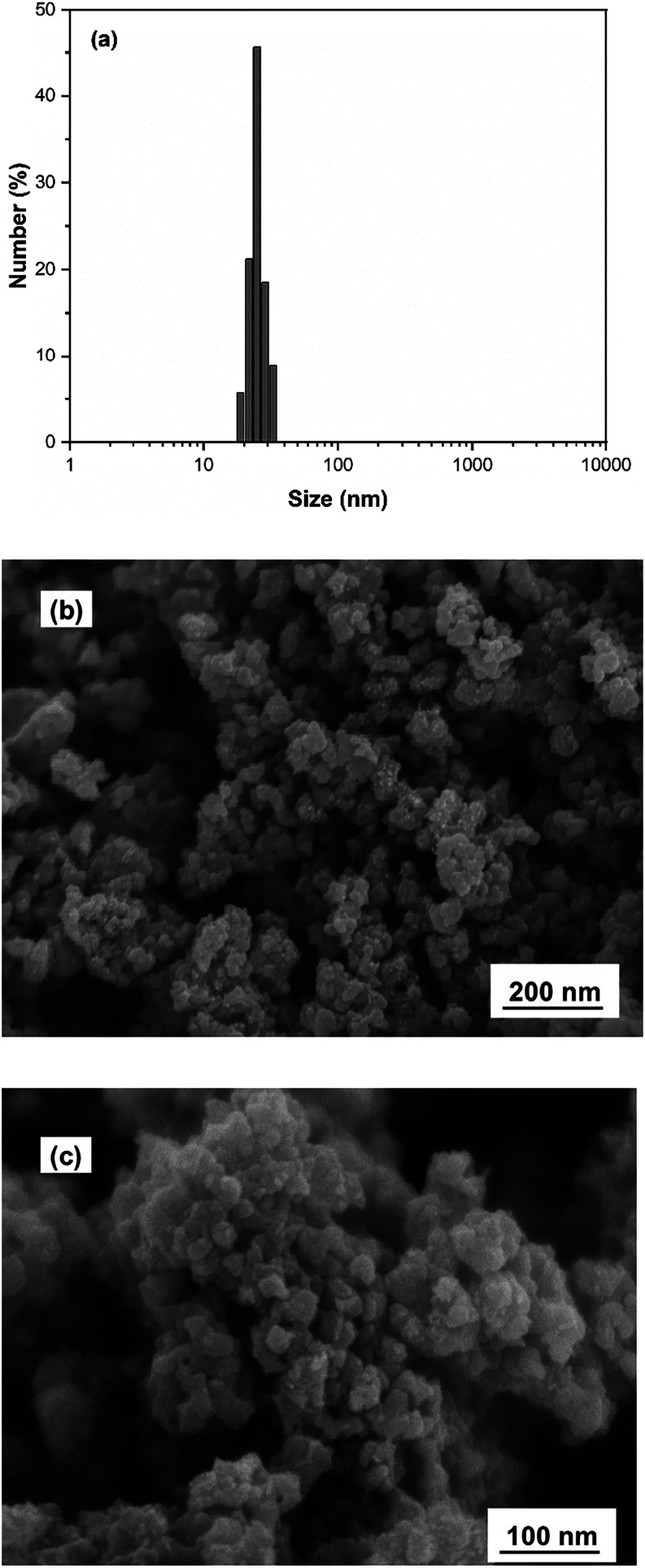 Figure 1
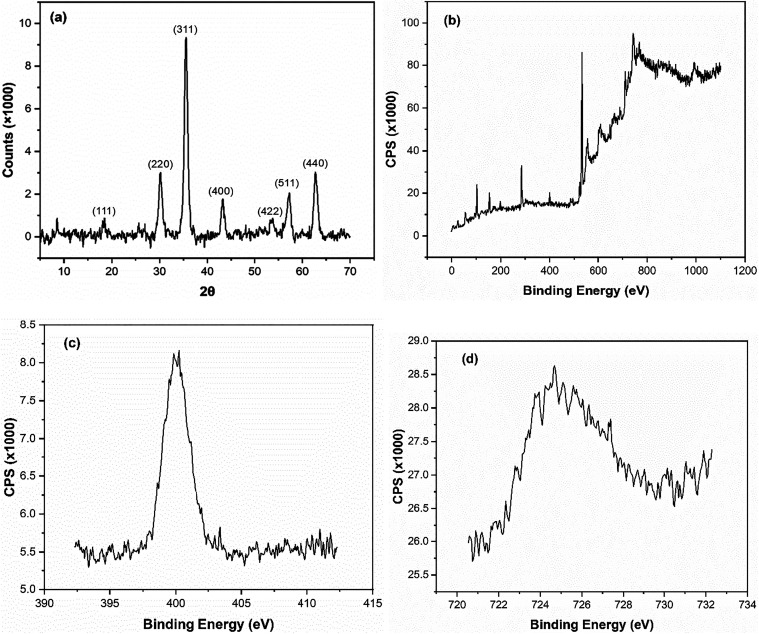 Figure 2
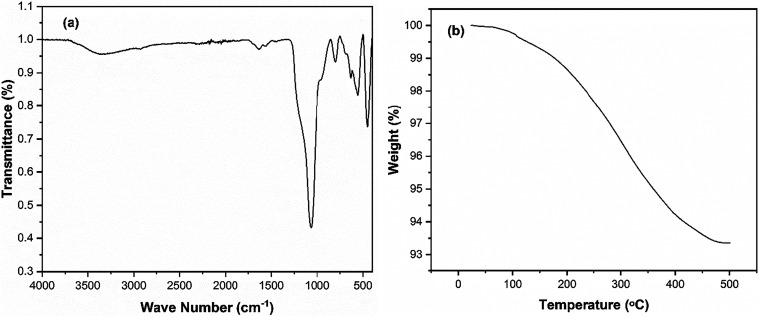 Figure 3
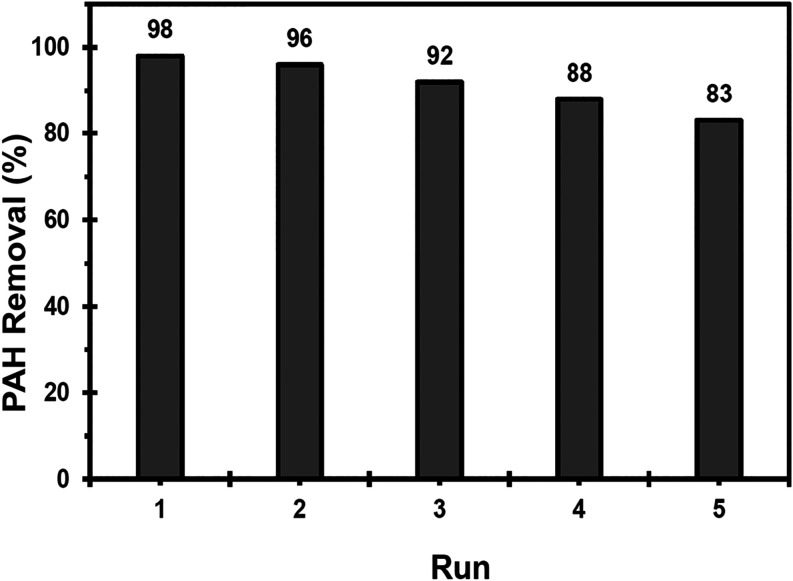 Figure 4
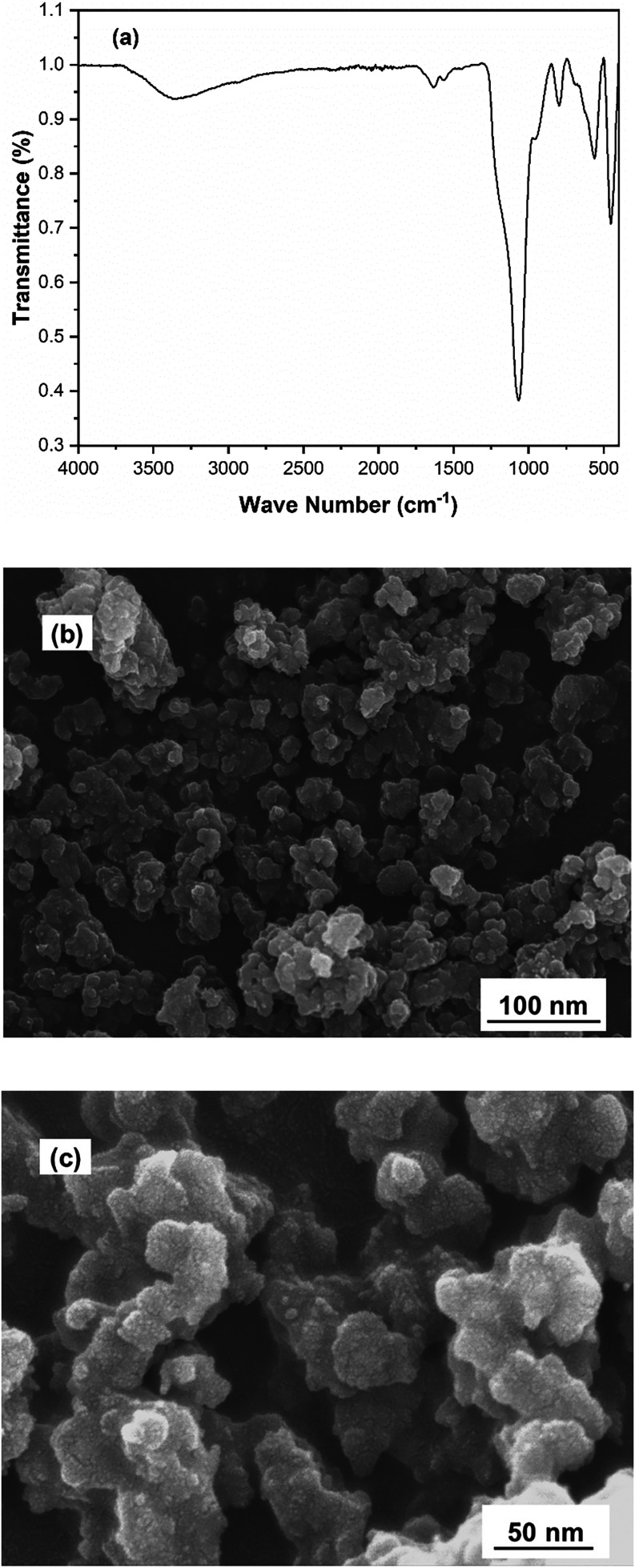 Figure 5
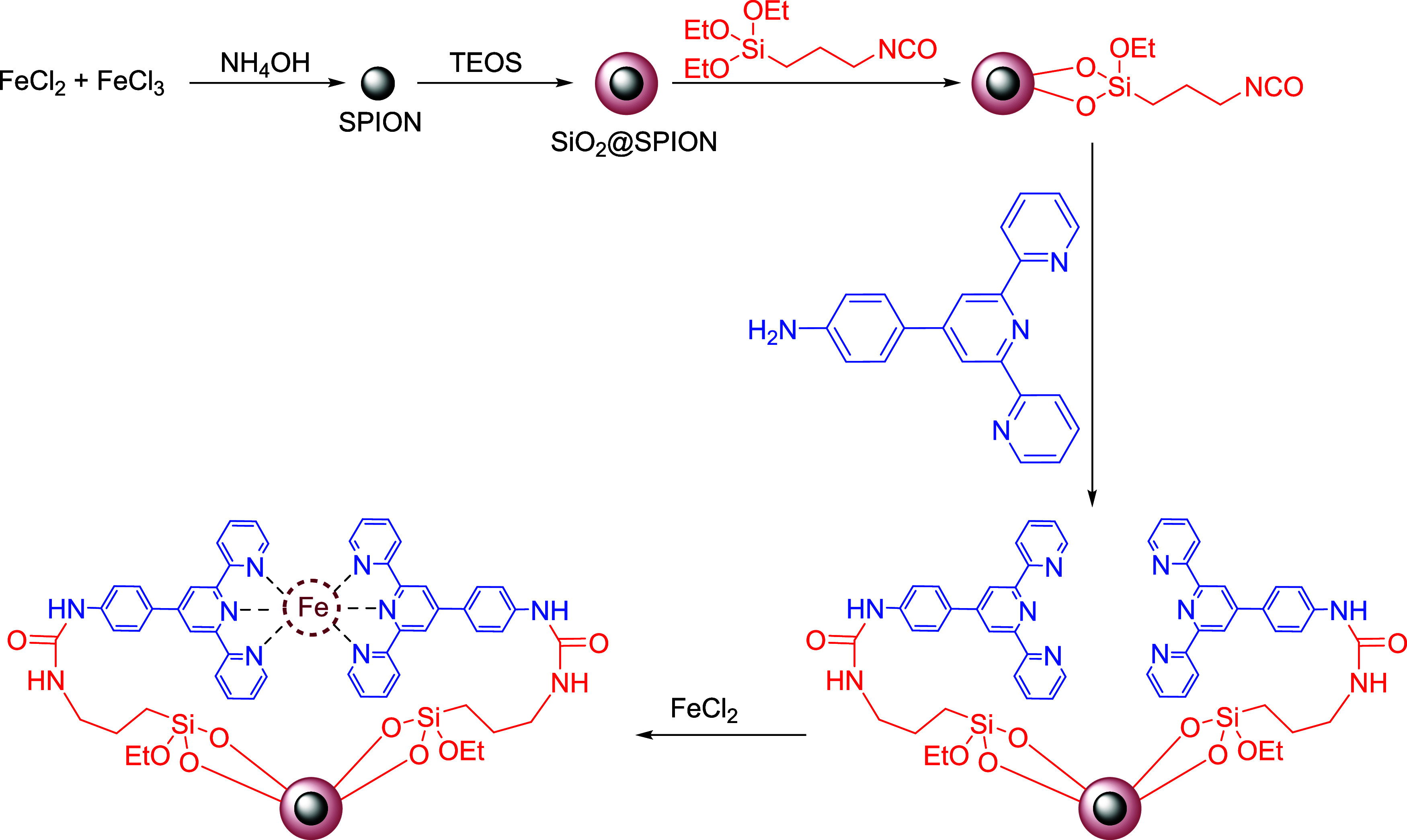 Figure 6
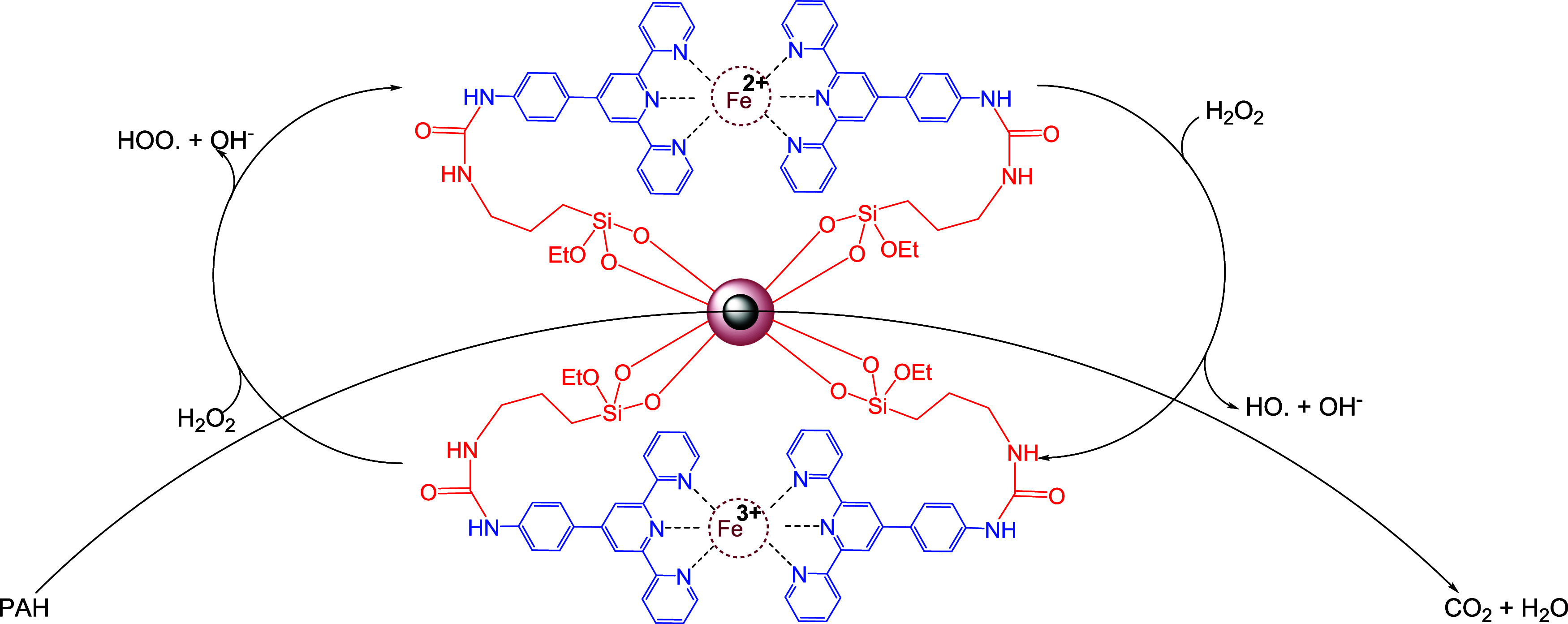 Figure 7
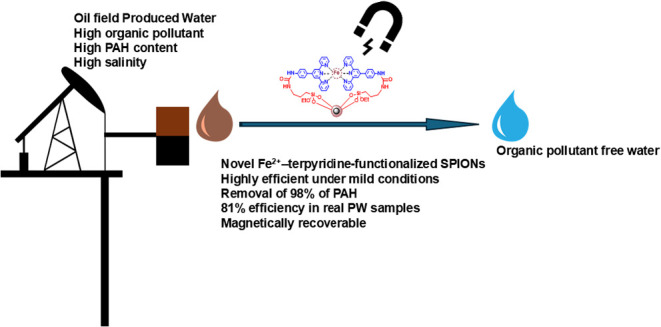 Figure 8
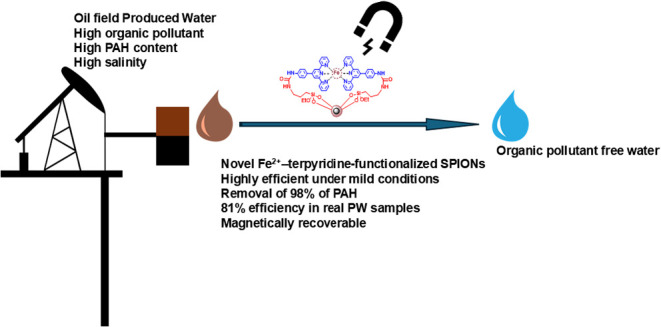 Figure 9
 Figure 10
Peer Reviews
No public reviews on file for this paper yet. If you reviewed it on a platform where reviews are public (OpenReview, ICLR, NeurIPS, ICML), you can paste yours below so the community can read it here.
Videos
No videos yet. Explain this paper in a talk, walkthrough, or lecture? Add one.
Taxonomy
TopicsEnvironmental remediation with nanomaterials · Nanomaterials for catalytic reactions · Toxic Organic Pollutants Impact