Light-Induced Degradation of Tamoxifen in Liquid Formulations: Multivariate Kinetic Profiling, Stabilization Strategies, and Estrogen Receptor Binding
Maria Antonietta Occhiuzzi, Martina Chieffallo, Giuseppina Ioele, Giancarlo Di Pinto, Giuseppe Cirillo, Michele De Luca, Antonio Garofalo, Fedora Grande

TL;DR
This study examines how light affects tamoxifen in liquid forms, identifies degradation products, and explores ways to stabilize the drug while assessing their impact on estrogen receptor binding.
Contribution
The paper provides the first integrated multivariate kinetic and molecular docking analysis of tamoxifen's photodegradation in liquid formulations.
Findings
Four photoproducts of tamoxifen were identified and found to retain estrogen receptor binding ability.
Stabilization strategies like protective packaging and chemical additives were evaluated for effectiveness.
Photodegradation products may contribute to tamoxifen's antitumor activity despite degradation.
Abstract
Tamoxifen is the most prescribed drug for the treatment of breast cancer in premenopausal women and prevention of tumor recurrence. The anticancer effect is attributed to its ability to modulate estrogen receptor activity, with the drug’s metabolites being more effective than the parent compound. Tamoxifen is sensitive to environmental conditions, leading to the formation of degradation products that may, however, retain biological activity. Herein, the photodegradation of tamoxifen in oral formulations was studied by combining spectrophotometric methodologies and multivariate analysis. The four photoproducts identified have been studied. Stabilization strategies were explored, evaluating both protective packaging precautions and the addition of chemical stabilizers, such as ascorbic acid and quercetin. Molecular docking simulations revealed that all four photoderivatives are capable of…
Genes, proteins, chemicals, diseases, species, mutations and cell lines named across the full text — each resolved to its canonical identifier and authoritative record.
Click any figure to enlarge with its caption.
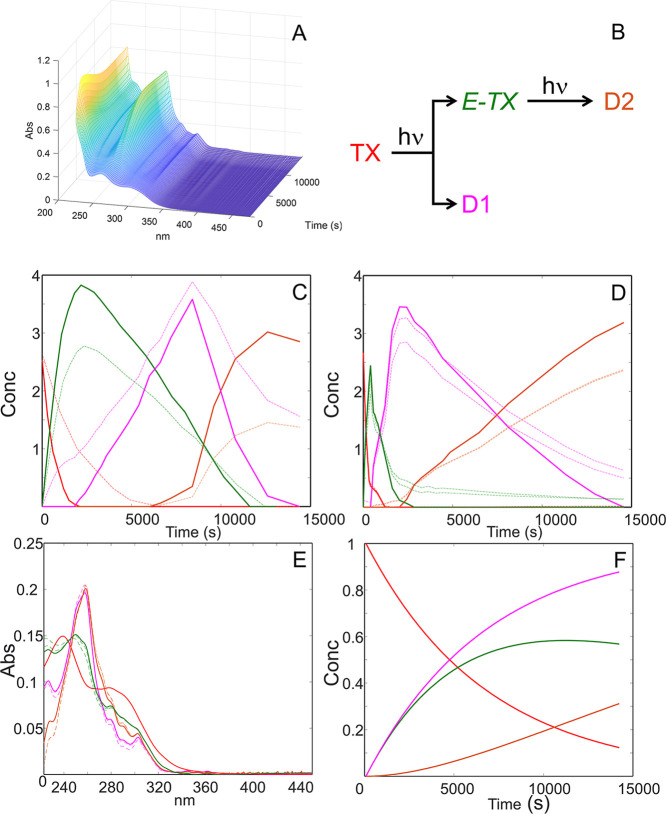 Figure 1
 Figure 2
 Figure 3
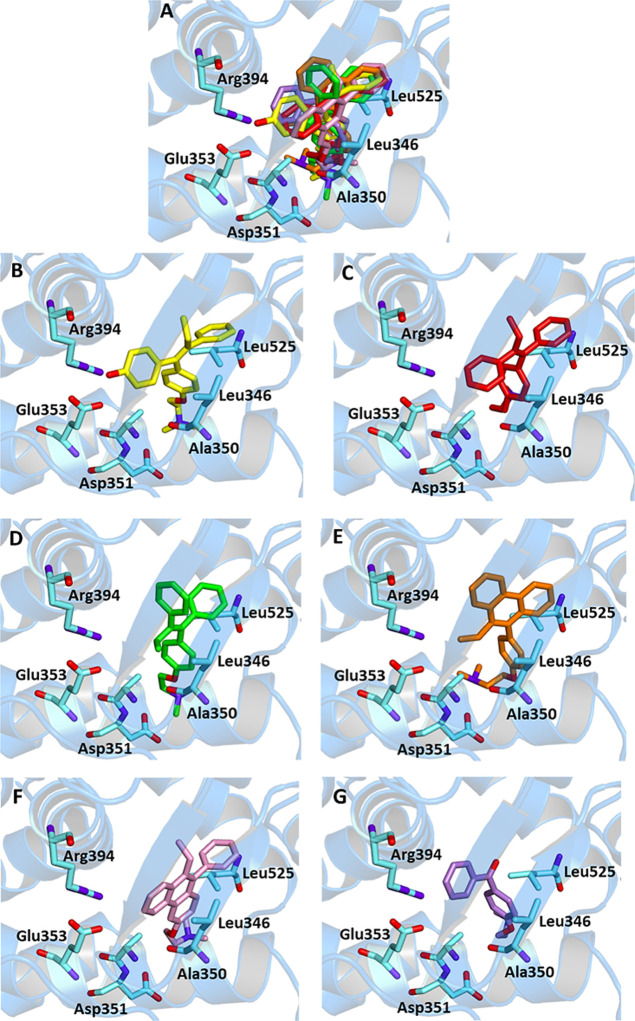 Figure 4
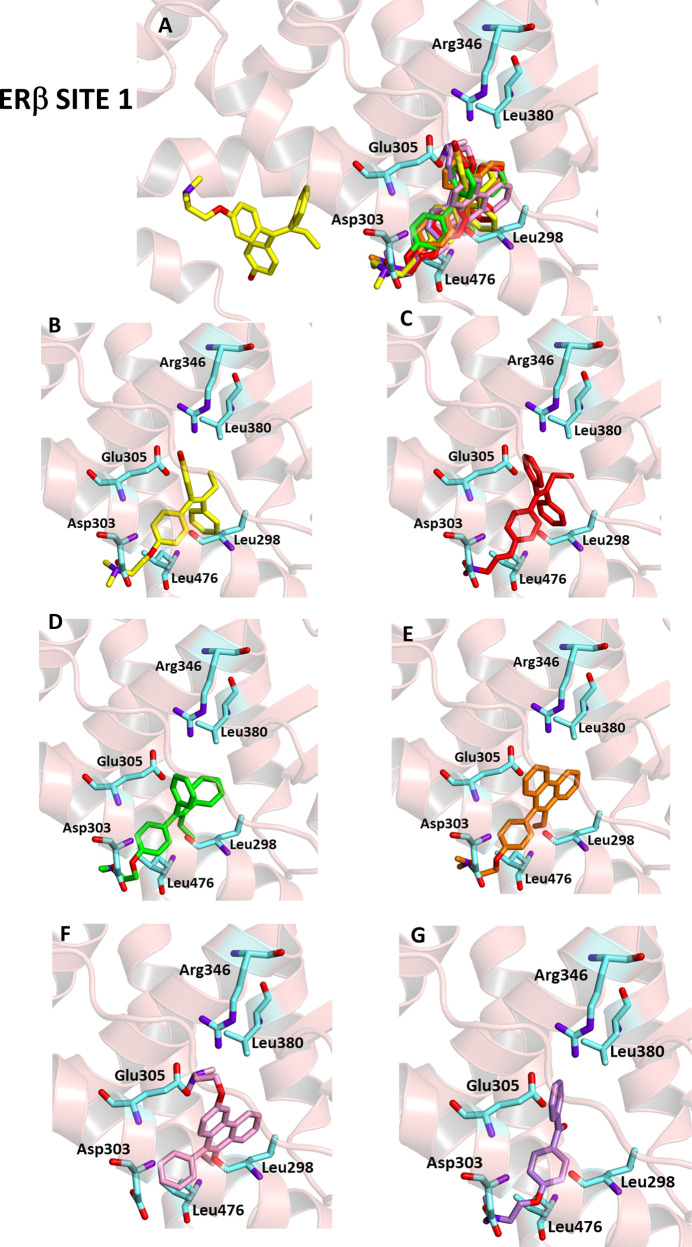 Figure 5
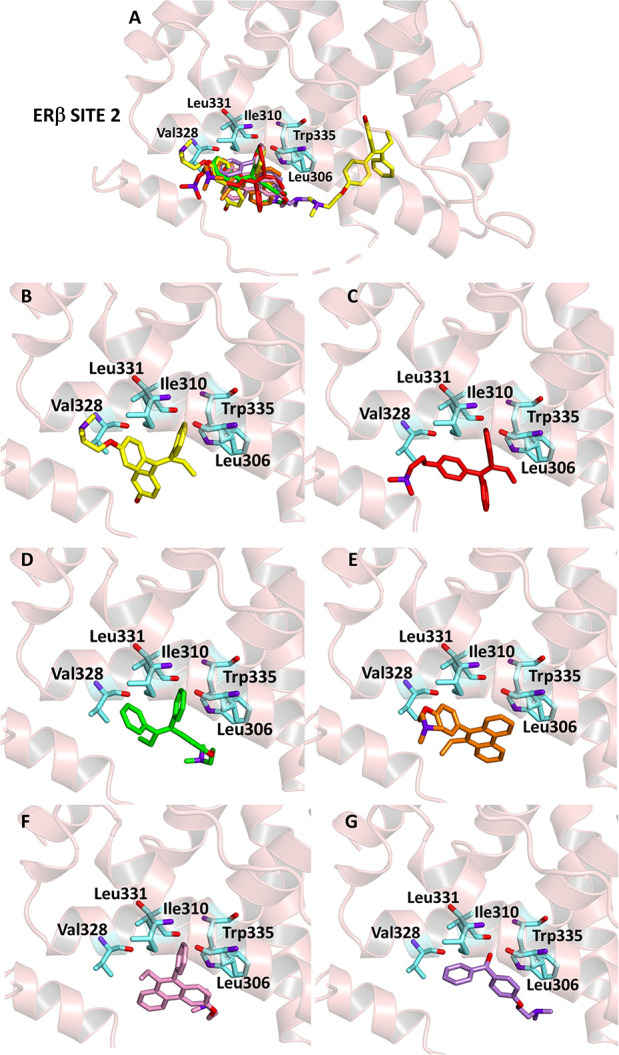 Figure 6
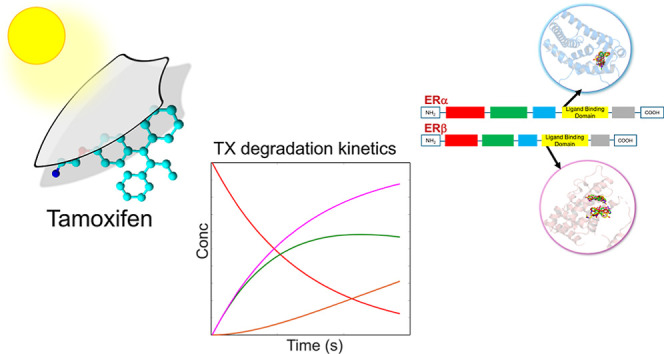 Figure 7
 Figure 8
 Figure 9
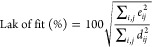 Figure 10
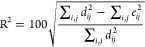 Figure 11
 Figure 12
 Figure 13
Peer Reviews
No public reviews on file for this paper yet. If you reviewed it on a platform where reviews are public (OpenReview, ICLR, NeurIPS, ICML), you can paste yours below so the community can read it here.
Videos
No videos yet. Explain this paper in a talk, walkthrough, or lecture? Add one.
Taxonomy
TopicsEstrogen and related hormone effects · Computational Drug Discovery Methods · Analytical Chemistry and Chromatography