Evaluation of Antibody–Drug Conjugate Performances Using a Novel HPLC–DAD Method for Tumor-Specific Detection of DM4 and S‑Methyl-DM4
Giulio Lovato, Miryam Perrucci, Ilaria Cela, Alessia Lamolinara, Arianna Mercatelli, Vincenzo De Laurenzi, Emily Capone, Marcello Locatelli, Gianluca Sala

TL;DR
This paper introduces a new HPLC method to measure the effectiveness of an antibody-drug conjugate in targeting tumors.
Contribution
A novel HPLC-DAD method for simultaneously quantifying DM4 and S-methyl-DM4 in tissue matrices is developed and validated.
Findings
The HPLC method was validated according to ICH guidelines for accurate quantification of DM4 and its metabolite.
The method enables comparative assessment of ADC performance in preclinical tumor models.
The ADC showed potent antitumor activity in models with LGALS3BP expression.
Abstract
Antibody–drug conjugates (ADCs) are an emerging class of therapeutics that have gained interest in precision medicine for cancer treatment, combining the targeted delivery capabilities of monoclonal antibodies with the potent cytotoxicity of small-molecule drugs. The goal is to enhance the therapeutic window by maximizing tumor cell killing while minimizing off-target toxicity. Pivotal aims are precise delivery of payload in the tumor site and a robust analytical methodology to quantify the accumulation of it. 1959-sss/DM4, a novel ADC targeting highly glycosylated LGALS3BP, which is a protein implicated in tumor progression and metastasis, was developed. This ADC has shown potent and durable antitumor activity in various preclinical models. A high-performance liquid chromatography (HPLC) method according to ICH guidelines for the simultaneous quantification of DM4 and its primary…
Genes, proteins, chemicals, diseases, species, mutations and cell lines named across the full text — each resolved to its canonical identifier and authoritative record.
Click any figure to enlarge with its caption.
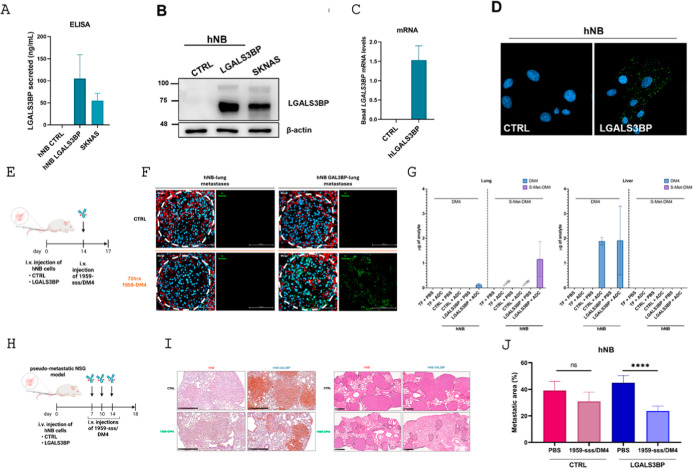 Figure 1
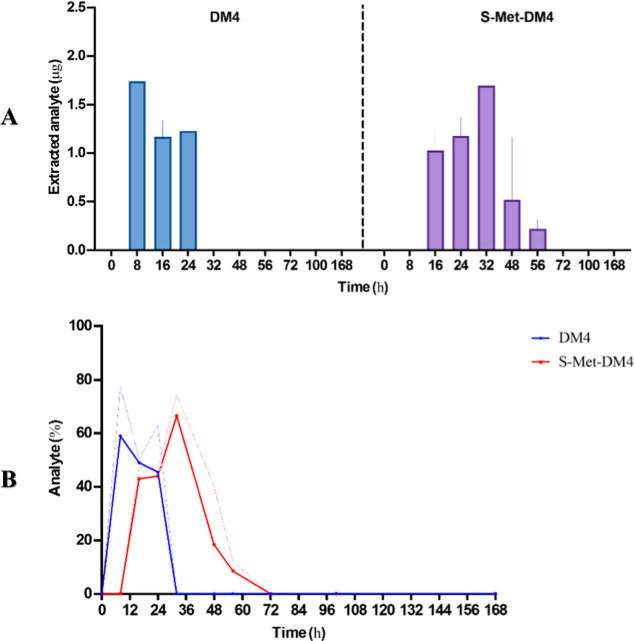 Figure 2
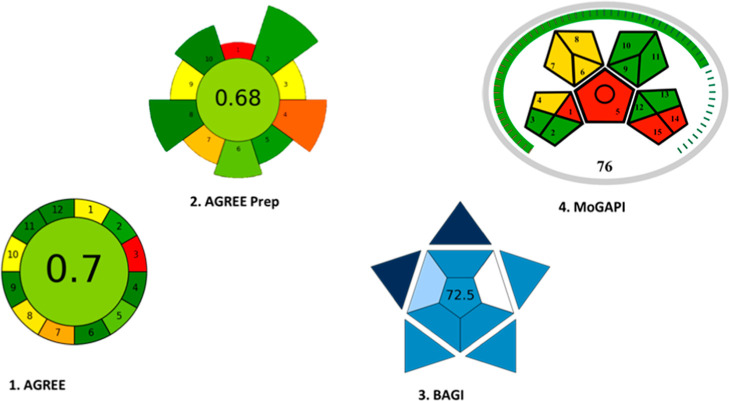 Figure 3
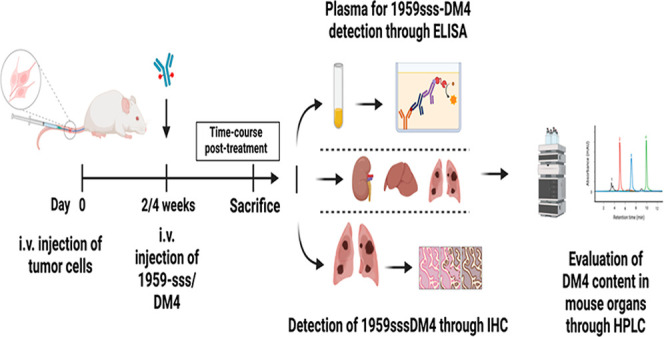 Figure 4
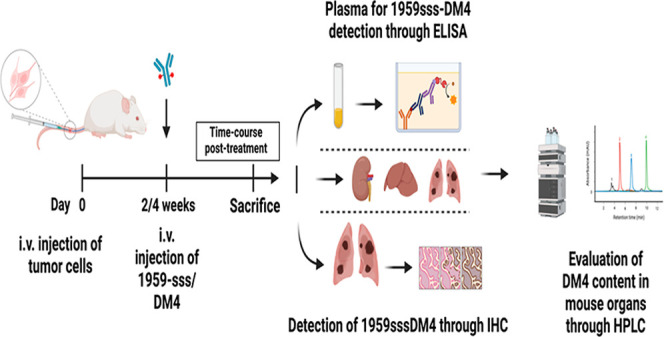 Figure 5
 Figure 6
Peer Reviews
No public reviews on file for this paper yet. If you reviewed it on a platform where reviews are public (OpenReview, ICLR, NeurIPS, ICML), you can paste yours below so the community can read it here.
Videos
No videos yet. Explain this paper in a talk, walkthrough, or lecture? Add one.
Taxonomy
TopicsHER2/EGFR in Cancer Research · Monoclonal and Polyclonal Antibodies Research · Estrogen and related hormone effects