Effects of Particle Size of Dielectric and Operating Time through Nonthermal Plasma on Fuel Characteristics of Refined Fuel from Oily Sludge
Cherng-Yuan Lin, Ying-Hao Liao, Tzu-Hsuan Hsu, Chiang Fu

TL;DR
This study explores how nonthermal plasma can refine oily sludge into usable fuel by adjusting particle size and treatment time, improving energy recovery.
Contribution
The novel contribution is optimizing nonthermal plasma refining of oily sludge using dielectric particle size and treatment time to enhance fuel quality.
Findings
Pretreatment with solvent extraction improves oily sludge properties before plasma refining.
Dielectric-barrier discharge plasma outperforms other types due to direct sludge contact and increased treatment area.
Optimal conditions (dielectric ratio 2/1, 8 min, 100 μm particles) yield highest heating value and lowest residual carbon.
Abstract
The refining processes of oil refineries, waste lubricants replaced by maintenance plants of gasoline and diesel vehicles, and mechanical lubricants of various types of ships produce oily sludge with different complex components, including varying amounts of water, hydrocarbons, metal rust, solid residues, inorganic compounds, and other components. The high heavy content of the sludge results in its high kinematic viscosity, and it exists in a liquid state close to a solid state at ambient temperature. Although the composition of oily sludge is complex and difficult to separate, its heating value can still reach 9000 cal/g, which is about 80% of the heating value of gasoline or diesel. Therefore, it has a great recycling value. This study therefore intends to develop oily sludge refining technology and establish an economical treatment process by nonthermal equilibrium plasma. The…
Genes, proteins, chemicals, diseases, species, mutations and cell lines named across the full text — each resolved to its canonical identifier and authoritative record.
Click any figure to enlarge with its caption.
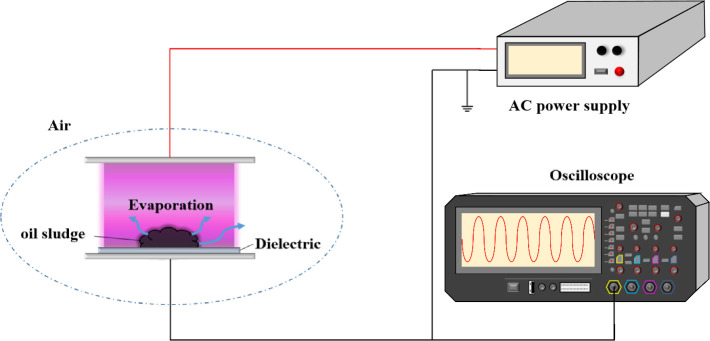 Figure 1
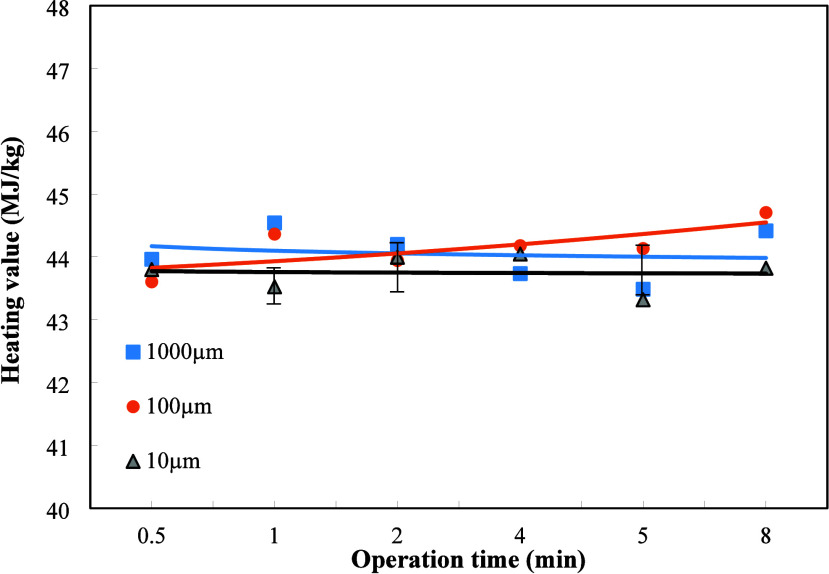 Figure 2
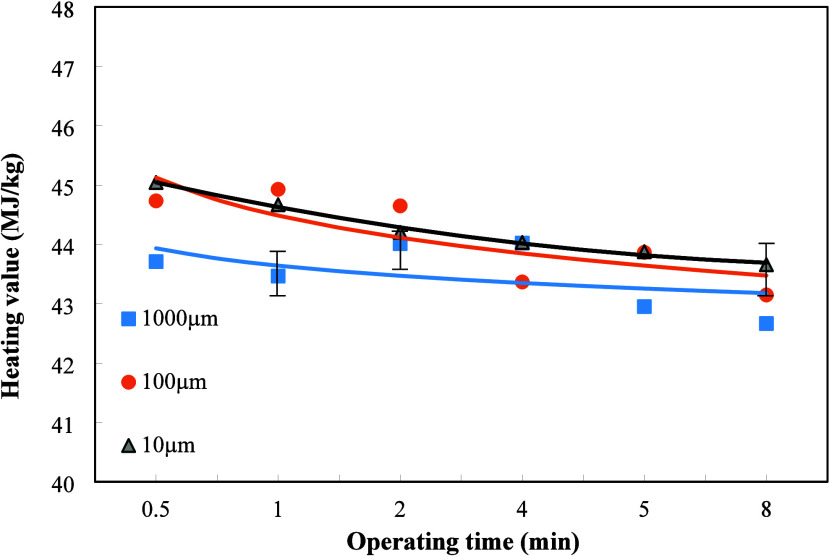 Figure 3
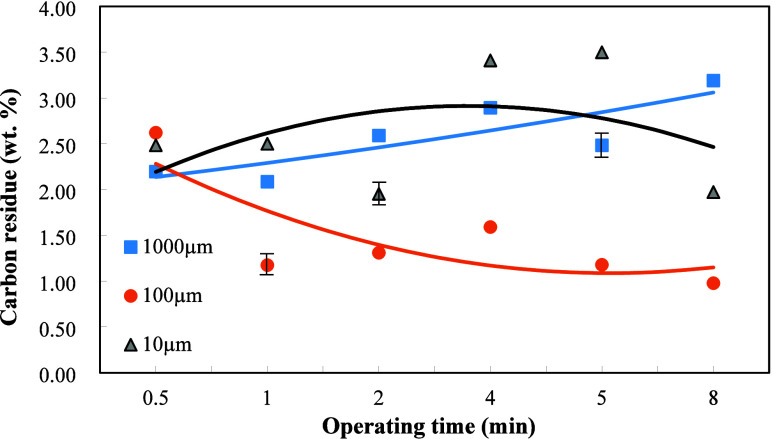 Figure 4
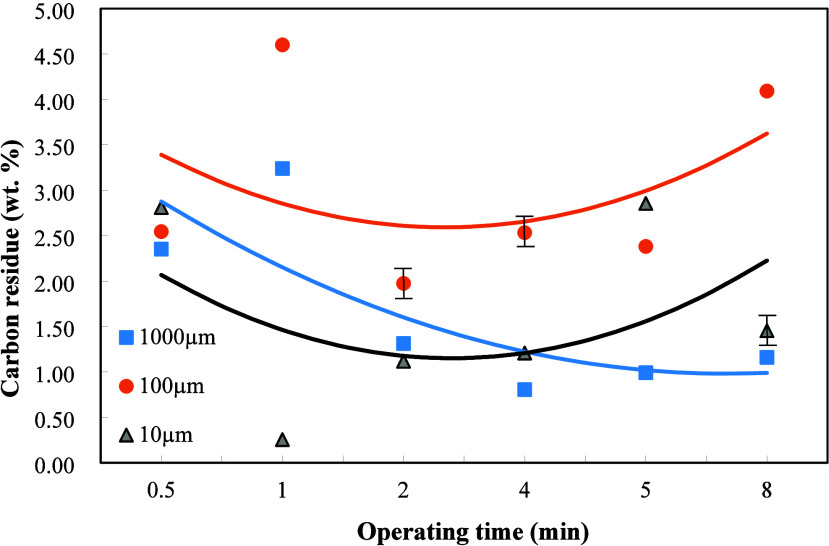 Figure 5
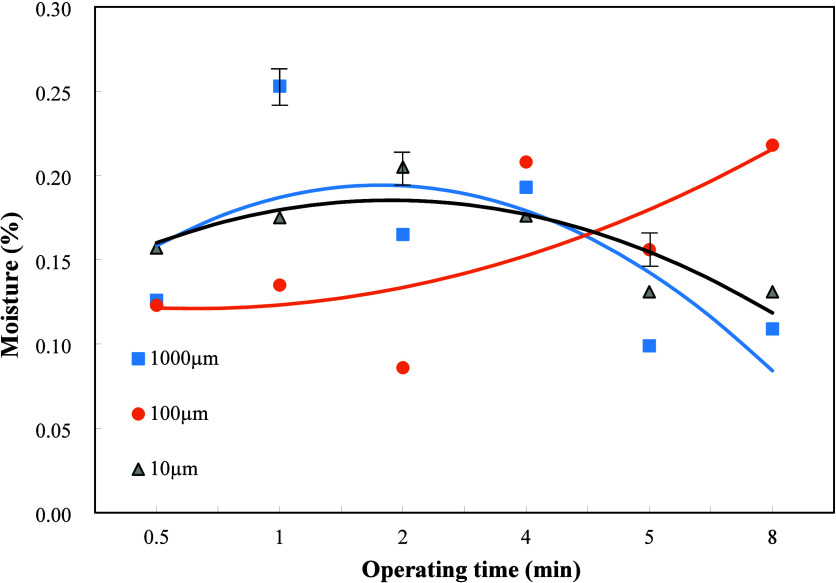 Figure 6
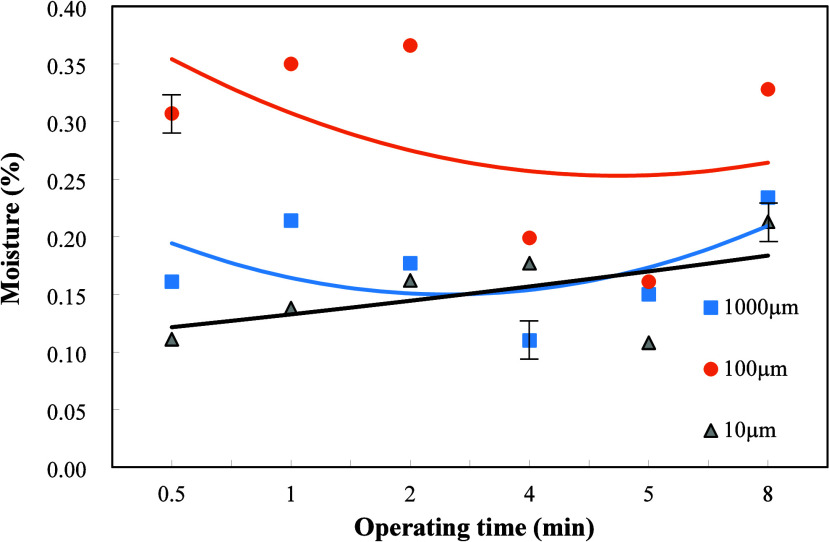 Figure 7
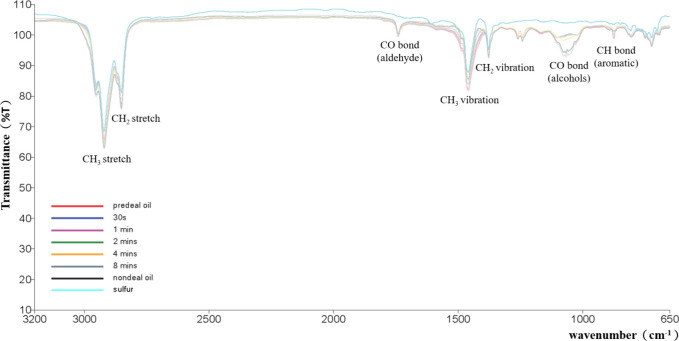 Figure 8
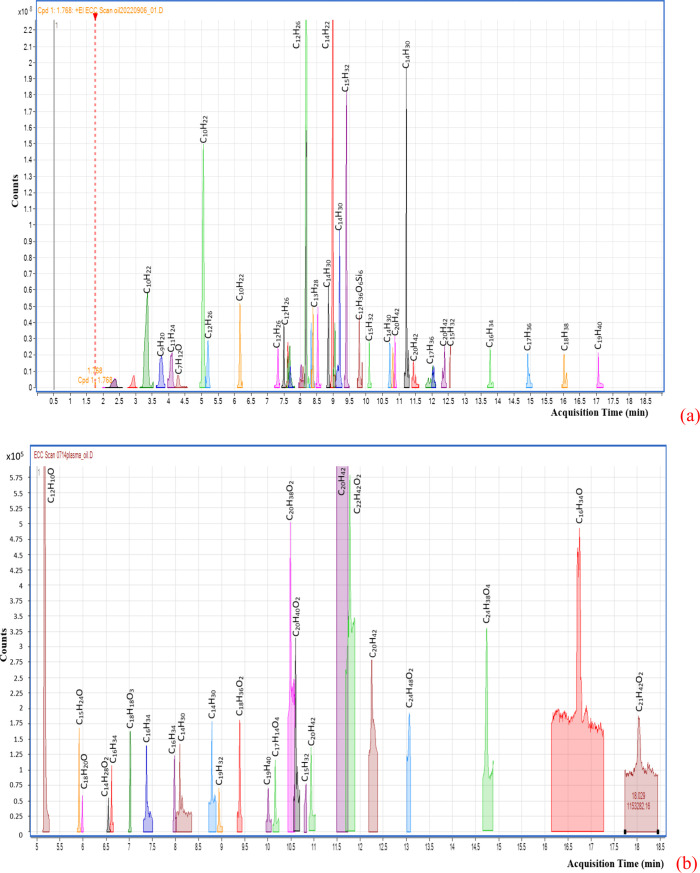 Figure 9
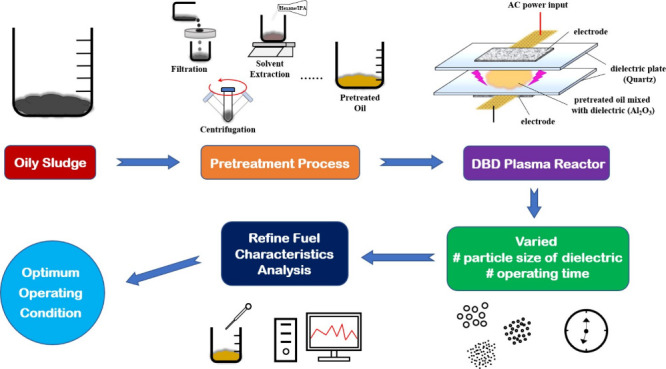 Figure 10
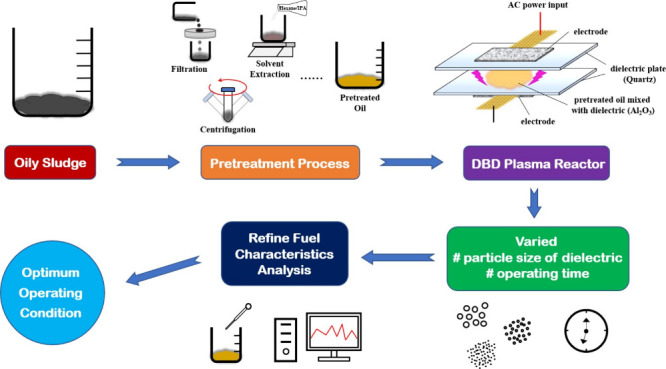 Figure 11
 Figure 12
 Figure 13
Peer Reviews
No public reviews on file for this paper yet. If you reviewed it on a platform where reviews are public (OpenReview, ICLR, NeurIPS, ICML), you can paste yours below so the community can read it here.
Videos
No videos yet. Explain this paper in a talk, walkthrough, or lecture? Add one.
Taxonomy
TopicsThermochemical Biomass Conversion Processes · Coal Combustion and Slurry Processing · Plasma Applications and Diagnostics