Avelumab Maintenance Therapy in Patients With Curatively Unresectable Urothelial Carcinoma in Japan: Subgroup Analyses of Post‐Marketing Surveillance Data by Age, Prior Chemotherapy Regimen, and Best Overall Response to Prior Chemotherapy
Masayoshi Nagata, Eiji Kikuchi, Taito Ito, Masashi Sato, Mie Ogi, Makiko Morita, Masahiro Kajita, Hiroyuki Nishiyama

TL;DR
This study analyzed the safety and effectiveness of avelumab maintenance therapy in Japanese patients with advanced urothelial cancer, showing consistent results across different age groups and treatment histories.
Contribution
The study provides real-world evidence of avelumab's safety and effectiveness in subgroups of Japanese patients with urothelial carcinoma.
Findings
Avelumab showed consistent safety and effectiveness across age groups, with 12-month OS rates ranging from 72.6% to 82.7%.
Patients with prior complete response had the highest 12-month OS rate at 89.4%.
Avelumab maintained a favorable benefit-risk profile in clinical practice for urothelial carcinoma.
Abstract
Avelumab maintenance therapy was approved in Japan for curatively unresectable urothelial carcinoma (UC) without progression after prior platinum‐based chemotherapy (PBC) based on results from the JAVELIN Bladder 100 phase 3 trial. We report post hoc analyses of post‐marketing surveillance (PMS) data in subgroups defined by age, prior PBC regimen, and best overall response (BOR) to prior PBC. Patients with curatively unresectable UC who received ≥ 1 dose of avelumab maintenance in Japan between February and December 2021 were evaluated. The primary objective was to evaluate safety based on prespecified adverse drug reactions (ADRs). The secondary objective was to evaluate effectiveness, including time to treatment failure (TTF; discontinuation for any reason) and overall survival (OS). The analysis population included 453 patients. In patients aged ≤ 64 (n = 75), 65 to 74 (n = 198),…
Genes, proteins, chemicals, diseases, species, mutations and cell lines named across the full text — each resolved to its canonical identifier and authoritative record.
Click any figure to enlarge with its caption.
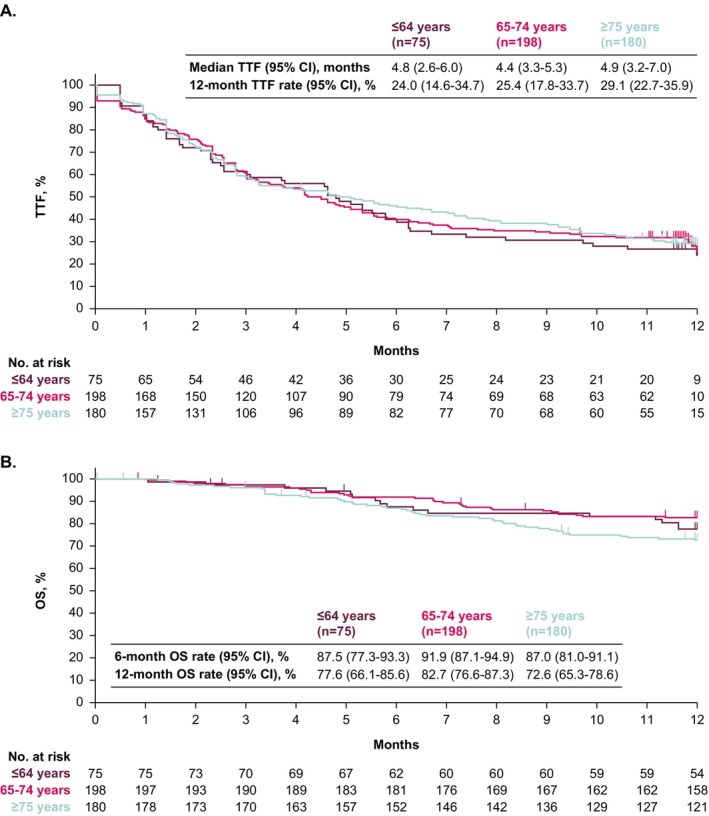 Figure 1
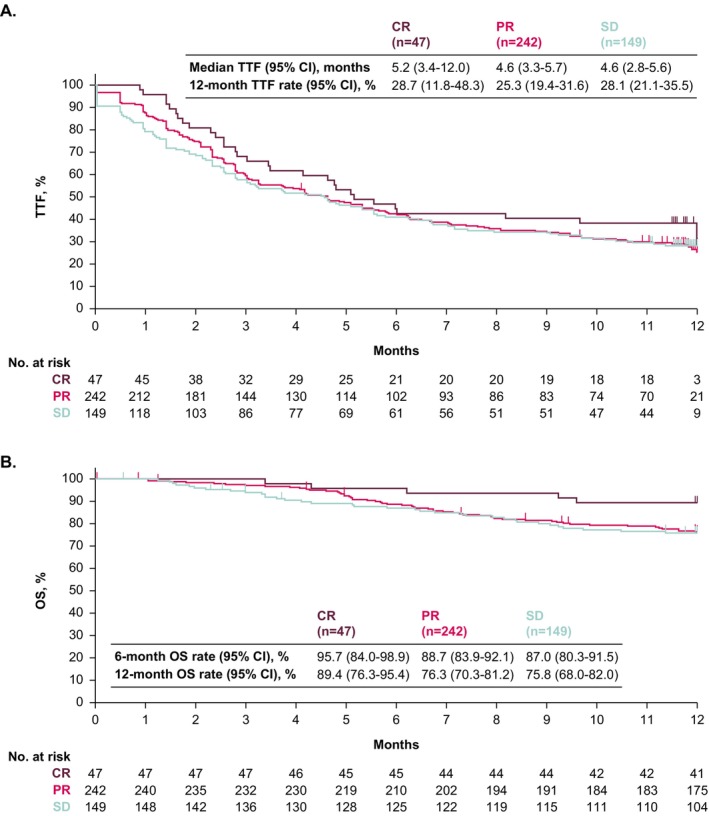 Figure 2
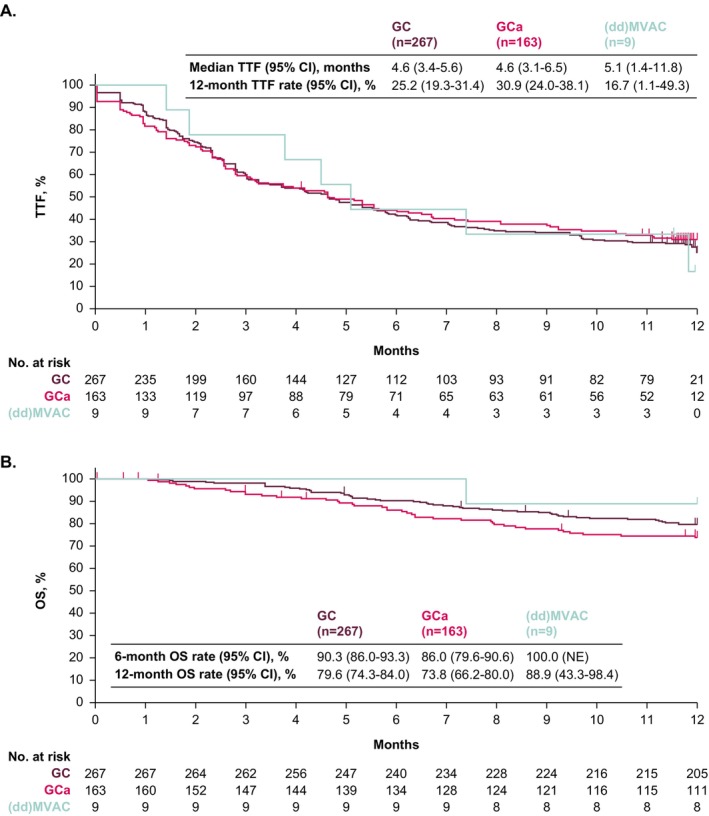 Figure 3
Peer Reviews
No public reviews on file for this paper yet. If you reviewed it on a platform where reviews are public (OpenReview, ICLR, NeurIPS, ICML), you can paste yours below so the community can read it here.
Videos
No videos yet. Explain this paper in a talk, walkthrough, or lecture? Add one.
Taxonomy
TopicsBladder and Urothelial Cancer Treatments · Chronic Kidney Disease and Diabetes · Data-Driven Disease Surveillance