Development and validation of a machine learning-based model for 90-day prognosis outcome in spontaneous intracerebral hemorrhage patients based on non-contrast computed tomography: a multicenter retrospective observational study
Lichao Wei, Biwu Wu, Tao Guo, Dewen Ru, Chen Gao, Jiayun Wu, Aimei Wu, Hong Yue, Jin Hu, Ling Wei, Zhi Geng, Kai Wang

TL;DR
This study created a machine learning model using CT scans and clinical data to predict short-term outcomes for patients with brain hemorrhages, achieving strong accuracy and creating an online tool for clinical use.
Contribution
A machine learning model using NCCT and clinical features for sICH prognosis, validated across multiple centers and made publicly accessible.
Findings
The LightGBM model achieved an AUROC of 0.813 for predicting 90-day outcomes in sICH patients.
The fusion model combining clinical and imaging features had the highest AUC of 0.852 in training and 0.796 in external validation.
Core features like GCS score, IVH, and hematoma volume were identified as key predictors.
Abstract
Spontaneous Intracerebral hemorrhage (sICH) is a disease with high mortality and disability. Non-contrast computed tomography (NCCT) is the most commonly used imaging method in the diagnosis and treatment of sICH. This study aimed to develop a clinically useful prediction model for the short-term prognosis of sICH patients based on NCCT features using a machine learning model. We retrospectively collected data from sICH patients from four centers in China between January 2021 and June 2024, used data from three centers as training cohort to build the model, and another single center data for external validation. The NCCT imaging features were combined with the basic clinical characteristics of sICH patients as training features for machine learning. We developed and verified the effectiveness of five models: support vector machine (SVM), logistic regression (LR), random forest (RF),…
Genes, proteins, chemicals, diseases, species, mutations and cell lines named across the full text — each resolved to its canonical identifier and authoritative record.
Click any figure to enlarge with its caption.
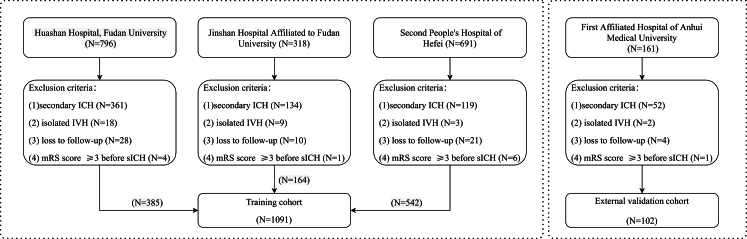 Figure 1
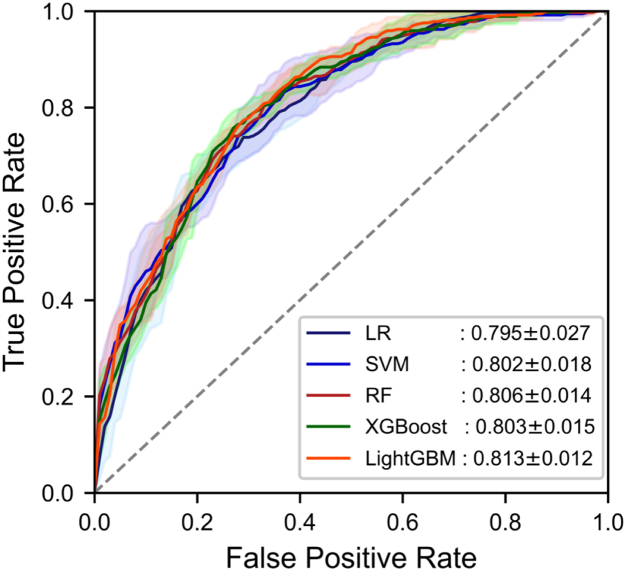 Figure 2
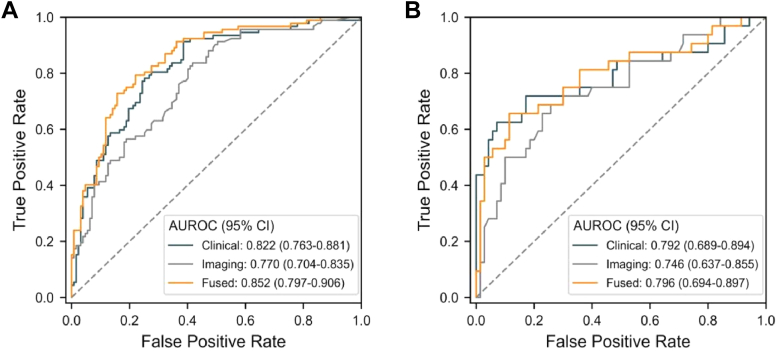 Figure 3
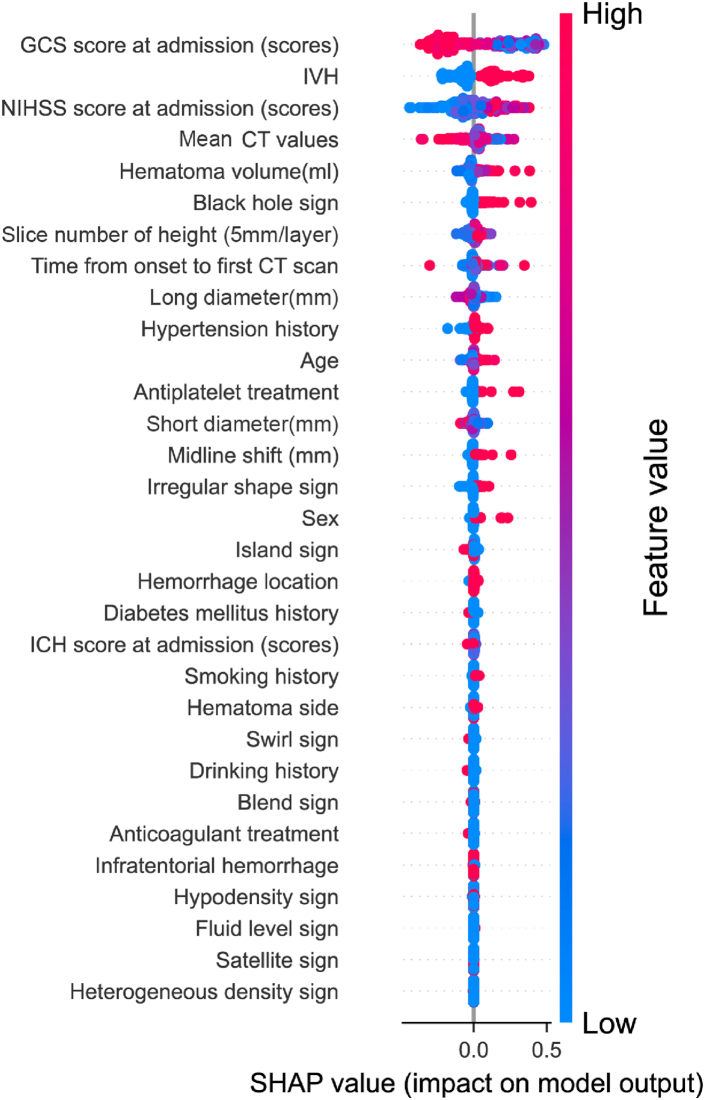 Figure 4
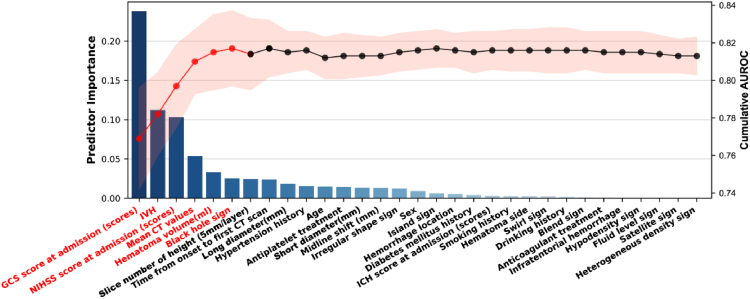 Figure 5
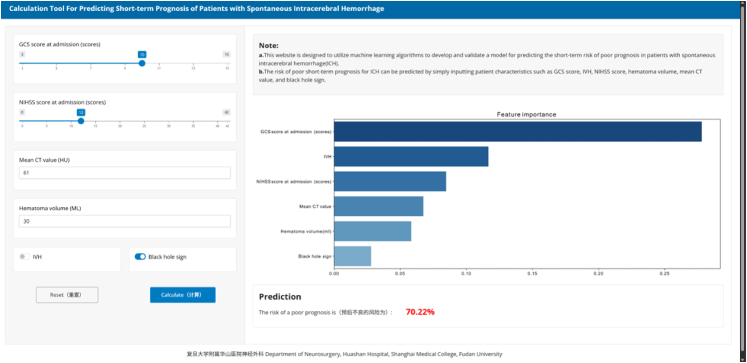 Figure 6
Peer Reviews
No public reviews on file for this paper yet. If you reviewed it on a platform where reviews are public (OpenReview, ICLR, NeurIPS, ICML), you can paste yours below so the community can read it here.
Videos
No videos yet. Explain this paper in a talk, walkthrough, or lecture? Add one.
Taxonomy
TopicsIntracerebral and Subarachnoid Hemorrhage Research · Acute Ischemic Stroke Management · Artificial Intelligence in Healthcare and Education