The association between gastric cancer and sarcopenia: a scoping review
Xue Wang, Xuefeng Sun, Yuanyu Wu, Yanjun Wang, Jingyi Ren, Xuedong Fang

TL;DR
This review explores how sarcopenia, or muscle loss, is linked to gastric cancer and affects patient outcomes like survival and recovery.
Contribution
The study systematically reviews the relationship between gastric cancer and sarcopenia, highlighting its clinical significance and gaps in current research.
Findings
Sarcopenia prevalence in gastric cancer patients ranges from 6.8% to 72.22%.
Reduced muscle mass is an independent predictor of postoperative complications and survival outcomes.
Inconsistent diagnostic criteria limit the reliability of current evidence.
Abstract
To explore the relationship between gastric cancer and sarcopenia and review the underlying mechanisms. A systematic search was conducted across the Web of Science, PubMed, Cochrane, CNKI, Wanfang, and VIP databases following the Preferred Reporting Items for Systematic Reviews and Meta-Analyses extension for Scoping Reviews (PRISMA-ScR) guidelines. Literature describing the relationship between gastric cancer and sarcopenia was included in this study, with methodological quality assessed using the Joanna Briggs Institute (JBI) Critical Appraisal Tools. Among the 1,518 identified publications, 33 cohort studies involving 10,679 participants were ultimately included. The results revealed a sarcopenia prevalence ranging from 6.8% to 72.22% in gastric cancer patients. Most studies indicated that reduced muscle mass—potentially attributable to fat infiltration, immunosuppression,…
Genes, proteins, chemicals, diseases, species, mutations and cell lines named across the full text — each resolved to its canonical identifier and authoritative record.
Click any figure to enlarge with its caption.
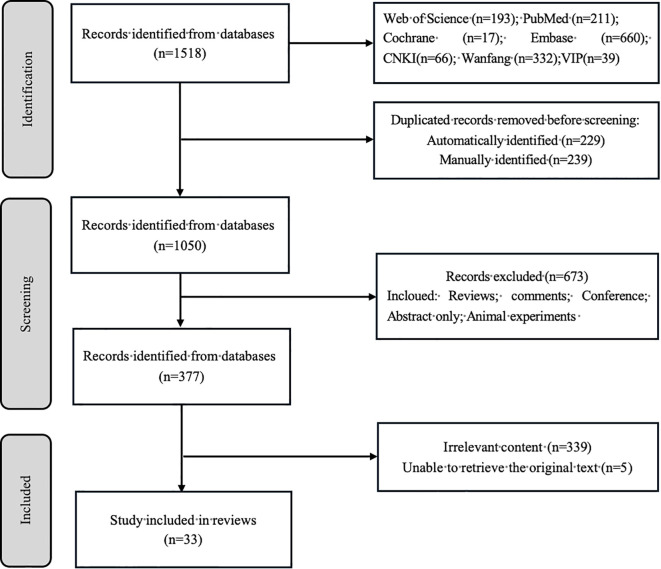 Figure 1
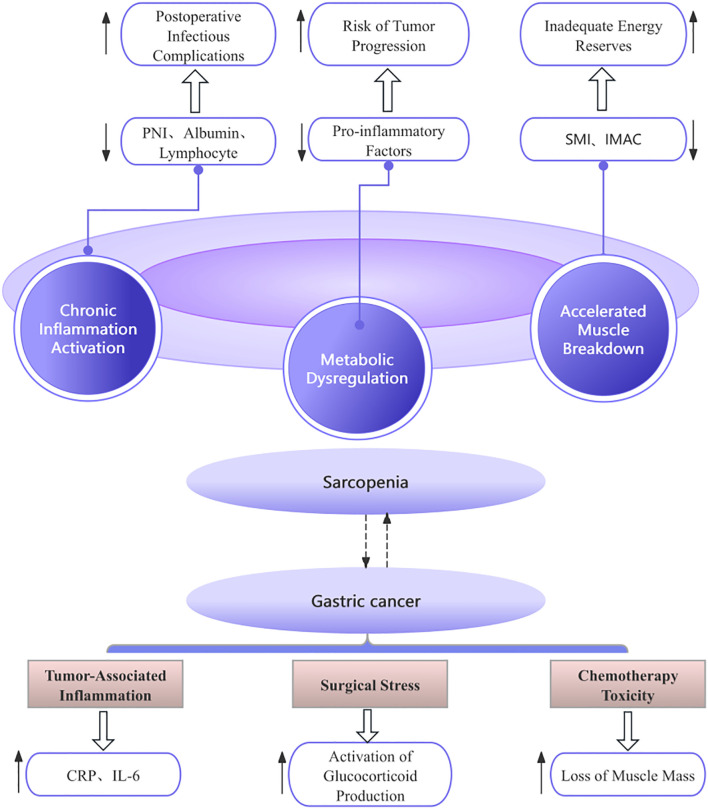 Figure 2
| # | MeSH | Free-text terms (in titles/abstracts) |
|---|---|---|
| #1 | (“Stomach Neoplasm”) OR | (“Gastric Neoplasms” OR “Gastric Neoplasm” OR “Neoplasm, Gastric” OR “Neoplasms, Gastric” OR “Neoplasms, Stomach” OR” Cancer of Stomach OR “Stomach Cancers” OR “Cancer of the Stomach” OR Gastric Cancer” OR “Cancer, Gastric” OR “Cancers, Gastric” OR “Gastric Cancers” OR “Stomach Cancer” OR “Cancers, Stomach” OR “Cancer, Stomach” OR “Gastric Cancer, Familial Diffuse”) |
| #2 | (“Sarcopenia”) OR | (“Muscular Atrophies” OR “Muscle Atrophies” OR “Muscle Atrophy” OR “Neurogenic Muscular Atrophy” OR “Neurogenic Muscular Atrophies” OR “Neurotrophic Muscular Atrophy” OR “Muscular Atrophy”) |
| #3 | #1 AND #2 |
| Author(s) year, country | Study design | Sample size/age | Treatment method | Sarcopenia | ||||
|---|---|---|---|---|---|---|---|---|
| Assessment indicators | Diagnostic criteria | Measure | Threshold definition | Prevalence | ||||
| Uchida et al., 2021 | Retrospective cohort study |
| Surgery | SMI, IMAC | NA | ① CT |
| NA |
| Erkul et al.,2022 | Prospective cohort study |
| Surgery | Muscle mass | EWGSOP | ① CT |
| 21.2% |
| Ma et al., 2019 | Retrospective cohort study |
| Surgery | SMI | EWGSOP | ① CT |
| 7.3% |
| Juez et al.,2023 | Retrospective cohort study |
| Surgery | SMI | CT | CT |
| Sarcopenia (14.7%) |
| Sugawara et al., 2020 (Japan) ( | Retrospective cohort study |
| Surgery | SMI | CT | CT |
| 23.8% |
| Sierzega et al., 2019 (Poland) ( | Retrospective cohort study |
| Surgery | SMI | International consensus definitions | CT |
| 43% |
| Zheng et al., 2024 | Retrospective cohort study |
| Surgery | SMI | CT | CT |
| 26.5% |
| Wang et al., 2016 | Prospective cohort study |
| Surgery | SMI | EWGSOP | ① CT |
| 12.5% |
| Lou et al., 2016 (China) ( | Prospective cohort study |
| Surgery | SMI | EWGSOP | ① CT |
| 6.8% |
| Duan et al., 2024 | Retrospective cohort study |
| NAC | SMI | CT | CT |
| Sarcopenia (37.7%) |
| Ricciardolo et al., 2022 (Italy) ( | Retrospective cohort study |
| Surgery | SMI | CT | CT |
| 70% |
| Zhang et al., 2022 | Prospective cohort study |
| Surgery | SMI | EWGSOP | CT |
| 14.4% |
| Ding et al., 2024 | Retrospective cohort study |
| Robotic surgery | SMI | CT | CT |
| 70.4% |
| Tamura et al., 2019 | Retrospective cohort study |
| Surgery | Body composition | NA | Multifrequency BIA |
| 15.7% |
| Kim et al., 2020 | Retrospective cohort study |
| Surgery | SMI | CT | CT |
| 37.7% |
| Zhang et al., 2018 | Prospective cohort study |
| Surgery | SMI | CT | CT |
| 15.4% |
| Zurlo et al., 2024 | Retrospective cohort study |
| Chemotherapy | SMI | CT | CT |
| 60.2% |
| Kouzu et al., 2021 | Retrospective cohort study |
| Surgery | PMI | CT | CT |
| 37.3% |
| Matsui et al., 2021 | Retrospective cohort study |
| Surgery | IMAC | CT | CT |
| 50.2% |
| Matsunaga et al., 2021 (Japan) ( | Retrospective cohort study |
| Surgery | SMI | CT | CT |
| 49.3% |
| Tanaka et al., 2023 | Retrospective cohort study |
| Surgery | SMI | CT | CT |
| 23.3% |
| Dogan et al., 2024 | Retrospective cohort study |
| Surgery | HUAC | CT | CT | Male: 10.45HU; Female: 9HU | 24.6% |
| Zhong et al., 2024 | Retrospective cohort study |
| Surgery | SMI | CT | CT |
| NA |
| Li et al., 2025 | Retrospective cohort study |
| Surgery | SMI | EWGSOP | CT |
| Preoperative: 23.7% |
| Lee et al., 2018 | Retrospective cohort study |
| Palliative | SMI | KNHANES | CT |
| 47.9% |
| O’Brien et al., 2018 | Retrospective cohort study |
| Surgery | SMI | CT | CT |
| 35.7% |
| Wu et al., 2025 | Prospective cohort study |
| Surgery | SMI | GLIS | ① CT |
| Criteria 1: 24.2% |
| Wagh et al., 2024 | Prospective cohort study |
| Surgery | SMI | AWGS | ① CT |
| 42.3% |
| Beuran et al., 2018 | Retrospective cohort study |
| Surgery | SMI | CT | CT |
| 72.22% |
| Bhattacharyya et al., 2022 (India) ( | Prospective cohort study |
| Surgery | SMI | CT | ①CT |
| 50% |
| Chen et al., 2024 | Prospective cohort study |
| Surgery | SMI | CT | CT |
| 7.61% |
| Zhao et al., 2025 | Prospective cohort study |
| Surgery | SMI | EWGSOP | CT |
| NA |
| Rodrigues et al., 2021 (Spain) ( | Retrospective cohort study |
| Surgery | SMI | CT | CT |
| Sarcopenia (45.4%) |
| Author(s) year, country | Sample size/age | Treatment method | GC | Relationship between GC and sarcopenia | Key findings | |
|---|---|---|---|---|---|---|
| Outcome assessment/prevalence | Follow-up | |||||
| Uchida et al., 2021 (Japan) ( |
| Surgery | Postoperative complication (infectious). | 30 days | High IMAC (OR = 2.391, | A high IMAC was significantly correlated with infectious complications following gastrectomy for gastric cancer. |
| Erkul et al.,2022 |
| Surgery | Postoperative complication | 30 days | Postoperative overall complication was significantly higher in sarcopenic group than nonsarcopenic group ( | Severe sarcopenia may serve as a more robust prognostic indicator. The variation between the complication rates for sarcopenic versus nonsarcopenic patients was mainly due to the difference in systemic complications. |
| Ma et al., 2019 |
| Surgery | Postoperative complication | 30 days | Sarcopenia was an independent predictor (OR = 2.330; 95%CI: 1.132 to 4.796; | Sarcopenia is a significant independent risk factor for postoperative complications after gastrectomy in patients without nutritional risk. |
| Juez et al.,2023 |
| Surgery | Postoperative complication | 34.3 months | SO was identified as a risk factor for serious complications [OR = 2.82 (1.1–7.1); | SO was a risk factor for severe postoperative complications as well as worse long-term oncological after a gastrectomy for GC. Early detection and treatment could improve GC outcomes. |
| Sugawara et al., 2020 (Japan) ( |
| Surgery | OS (5-year) | 82.2 months | Sarcopenic patients had significantly worse 5-year overall survival than nonsarcopenic patients ( | Preoperative low nutritional status, especially when present in combination with sarcopenia, is associated with poor survival outcomes in patients with GC. |
| Sierzega et al., 2019 (Poland) ( |
| Surgery |
| 30 months | Postoperative complication ( | SMI, is associated with an increased risk of postoperative morbidity and impaired long‐term survival. |
| Zheng et al., 2024 |
| Surgery |
| 10 years | OS: (HR = 1.467, 95% CI: 1.169–1.839) | Sarcopenia remained an independent risk factor for postoperative very long-term prognosis of GC. The effect of sarcopenia on the long-term outcome of patients with GC was consistent at 10 years postoperatively. |
| Wang et al., 2016 |
| Surgery |
| 30 days | Sarcopenia was independent predictors of postoperative complications ( | Sarcopenic patients had adverse clinical outcomes and sarcopenia was an independent predictor of postoperative complications after gastrectomy. |
| Lou et al., 2016 (China) ( |
| Surgery |
| 30 days | The incidence of postoperative complications was significantly higher in the sarcopenic group compared to the nonsarcopenic group ( | Although the prevalence of sarcopenia in overweight/obese patients is relatively low, its presence increases the risk of postoperative complications by sixfold. |
| Duan et al., 2024 |
| NAC |
| 52 months | The 3-year OS ( | SO was independently associated with both postoperative complications and survival outcomes, with significantly differential impacts on short-term and long-term outcomes. |
| Ricciardolo et al., 2022 (Italy) |
| Surgery |
| 10 years | A statistically significant difference between the sarcopenic and nonsarcopenic groups was observed in terms of mean OS ( | Sarcopenia can be considered a critical risk factor for survival in patients with resectable GC treated with up-front surgery. |
| Zhang et al., 2022(China) ( |
| Surgery |
| 38.8 months | Patients with sarcopenia had significantly higher incidence of postoperative complications ( | Sarcopenia was an independent risk factor for both short- and long-term clinical outcomes. Low muscle quantity and low handgrip strength mediated the adverse impacts of sarcopenia on postoperative complications while low muscle quality mediated the adverse impacts of sarcopenia on OS. |
| Ding et al., 2024 |
| Robotic surgery |
| 23.4 months | Sarcopenia was a major independent risk factor for postoperative complications (OR = 3.66, 95% CI: 2.18–6.13, | Preoperative sarcopenia is correlated with increased postoperative complications and poorer long-term survival in GC patients. |
| Tamura et al., 2019 (Japan) |
| Surgery |
| 30 days | Postoperative complications occurred significantly more frequently in the group with sarcopenia ( | Sarcopenia is an independent risk factor for postoperative infectious complications in GC patients and can serve as a predictive indicator for postoperative infectious complications following GC surgery. |
| Kim et al., 2020 |
| Surgery | The 5-year OS was 81%. OS in the high SMI group showed a trend toward being higher than that in the low SMI group ( | 59.5 months | High and low BMI, and low SMI, were independent prognostic factors for OS (HR = 2.355, 1.736, and 1.607, respectively; | SMI and BMI did not impact perioperative morbidity in patients undergoing gastrectomy for GC. Both SMI and BMI are useful prognostic factors for OS in GC. |
| Zhang et al., 2018 |
| Surgery |
| NA | Sarcopenia was independently associated with overall complications (OR: 3.4; 95% CI: 1.3 to 8.8; | Sarcopenia is significantly associated with increased postoperative complication rates following radical gastrectomy for GC and adversely affects patients’ postoperative nutritional and inflammatory status. |
| Zurlo et al., 2024 |
| Chemotherapy |
| 42 months | PFS was significantly higher in the nonsarcopenic population than in the sarcopenic group (HR = 0.52; 95% CI: 0.20–0.96; | Early recognition of sarcopenia may contribute to personalizing second or further lines of treatment in advanced GC. |
| Kouzu et al., 2021 (Japan) |
| Surgery |
| NA | The sarcopenia group had a significantly shorter OS from recurrence than did the nonsarcopenia group ( | Sarcopenia was poor prognostic factors after GC recurrence. To improve prognosis, preventing sarcopenia development after gastrectomy is required. |
| Matsui et al., 2021 (Japan) |
| Surgery |
| NA | High-IMAC was an independent risk factor for severe complications (OR: 2.260, 95% CI: 1.220–4.190, | Muscle quality (regardless of the assessment method used) is a significant predictor of postoperative complications. |
| Matsunaga et al., 2021 (Japan) ( |
| Surgery |
| NA | The SMILow group had a significantly higher incidence of grade 3 or 4 side effects ( | The incidence of grade 3 or 4 side effects was significantly higher in patients with SMILow recurrent GC. SMI was a useful prognostic marker of recurrent GC. |
| Tanaka et al., 2023 (Japan) |
| Surgery |
| 57 months | SMI (HR = 0.927; 95% CI = 0.877–0.979, | Reduction in skeletal muscle mass after GC surgery were significantly associated with overall survival. Long-term management of these patients should focus on maintenance of postoperative skeletal muscle mass. |
| Dogan et al., 2024 (Japan) |
| Surgery |
| 43 months | Patients with sarcopenia demonstrated significantly shorter median survival compared to non-sarcopenic patients ( | Sarcopenia may impact the survival prognosis of patients with metastatic GC. |
| Zhong et al., 2024 (China) |
| Surgery |
| 36 months | SMG is an independent protective factor against postoperative complications (OR = 0.98, 95%CI:0.97–0.99). SMG was better than SMI and SMRA in predicting OS, DFS, and RFS among the three groups of muscle parameters [SMI, 0.743; SMRA, 0.610; SMG, 0.761], DFS [SMI, 0.720; SMRA, 0.598; SMG, 0.728], RFS [SMI, 0.718; SMRA, 0.622; SMG, 0.755] | SMG is a powerful indicator for predicting the prognosis of GC patients. Its efficacy in predicting postoperative complications and long-term survival is significantly superior to that of a single muscle quantity indicator (SMI) or quality indicator (SMRA). As a comprehensive muscle parameter, SMG has higher clinical predictive value. |
| Li et al., 2025 |
| Surgery |
| 68.9 months | Preoperative sarcopenia (HR = 2.332, | Preoperative sarcopenia is an independent predictor of both short-term and long-term clinical outcomes in GC patients, while significant skeletal muscle loss during curative gastrectomy further worsens OS and DFS. |
| Lee et al., 2018 |
| Palliative |
| 31.9 months | Sarcopenia group had a significantly shorter OS than those without ( | Sarcopenia can serve as a predictor of poor prognosis in advanced GC patients receiving palliative chemotherapy. |
| O’Brien et al., 2018 (Ireland) |
| Surgery |
| 39.9 months | Sarcopenia was significantly associated with decreased OS ( | Sarcopenia was significantly associated with decreased OS and serious postoperative complications in patients undergoing radical gastrectomy. We recommend incorporating preoperative CT-based skeletal muscle index assessment into routine clinical practice. |
| Wu et al., 2025 |
| Surgery | Overall complication (25.6%) | 60.9 months | Low muscle strength was identified as an predictor for postoperative complications (OR = 1.502, 95% CI: 1.079–2.090, | The combination of low muscle strength with either low muscle mass or low muscle-specific strength demonstrated optimal predictive consistency for postoperative complications and survival outcomes in GC patients. |
| Wagh et al., 2024 (India) ( |
| Surgery |
| 30 days | Sarcopenia was not associated with increased risk of major complications ( | Sarcopenia, though associated with a substantial proportion of patients with GC, does not significantly affect early postoperative complications in a high volume oncology centre. |
| Beuran et al., 2018 (Romania) |
| Surgery | Mortality (7.7%) | 30 days | Sarcopenia showed significant correlations with both overall complication rates ( | Sarcopenia is highly prevalent in patients having surgery for GC in Romania and correlates with increased postoperative morbidity. |
| Bhattacharyya et al., 2022 (India) ( |
| Surgery |
| NA | Sarcopenic patients were having higher T3/T4 tumors as compared to non-sarcopenic patients ( | Sarcopenia is an independent prognostic factor for adverse short-term postoperative outcomes in GC patients. |
| Chen et al., 2024 |
| Surgery |
| 60 months | SO is an independent predictive factor for both 5-year OS (HR = 13.529, 95%CI: 7.064–25.912, | Preoperative assessment of SO is useful not only for monitoring nutritional status but also for predicting 5-year OS in gastrointestinal cancer patients. |
| Zhao et al., 2025 |
| Surgery |
| 30 days | Excessive SMD loss (OR = 1.864; 95% CI: 1.052–3.300; | Both excessive losses in SMI and SMD are independently associated with the incidence of postoperative complications. Clinical interventions targeting modifiable preoperative risk factors are essential to minimize perioperative muscle loss and improve prognosis. |
| Rodrigues et al., 2021 (Spain) ( |
| Surgery |
| 54.5 months | No body composition category was found to be associated with postoperative complications or worse OS and DFS ( | Neither sarcopenia nor sarcopenic obesity was associated with adverse postoperative outcomes in GC patients. |
Peer Reviews
No public reviews on file for this paper yet. If you reviewed it on a platform where reviews are public (OpenReview, ICLR, NeurIPS, ICML), you can paste yours below so the community can read it here.
Videos
No videos yet. Explain this paper in a talk, walkthrough, or lecture? Add one.
Taxonomy
TopicsNutrition and Health in Aging · Digestive system and related health · Gastric Cancer Management and Outcomes
Introduction
1
Gastric cancer, a malignancy originating from the gastric mucosal epithelium, represents a significant global health burden. Data indicate that an estimated 19.3 million new cancer cases occurred worldwide in 2020, with gastric cancer accounting for approximately 1.09 million cases (1). Cancer-related deaths approached 10 million, including roughly 769,000 gastric cancer fatalities, underscoring its persistent status as a major public health challenge globally (2). Patients with gastric cancer frequently experience persistent digestive dysfunction due to anatomical alterations, manifesting as chronic eating difficulties, vomiting, diarrhea, and malabsorption. Sarcopenia—a syndrome characterized by progressive loss of muscle mass and function—exhibits multifactorial pathogenesis involving chronic inflammation, malnutrition, mitochondrial dysfunction, prolonged disuse, neuromuscular degeneration, and insufficient physical activity (3).
Research demonstrates that tumor-associated inflammatory metabolic dysregulation and hypercatabolic states significantly contribute to sarcopenia pathogenesis in gastric cancer, with prevalence rates ranging from 10.0% to 57.7% (4). The underlying mechanisms involve proinflammatory cytokine-mediated enhancement of proteolytic pathways, where excessive IL-6 and TNF-α in the tumor microenvironment persistently activate both ubiquitin-proteasome and autophagy-lysosomal systems, accelerating muscle protein catabolism (5). Concurrently, tumor-induced insulin resistance and dysregulated lipid metabolism compromise bioenergetic supply to muscle tissue (6), while gastrointestinal obstruction and malabsorption further exacerbate protein-energy malnutrition, establishing a self-perpetuating vicious cycle (7). Notably, aberrant myokine secretion resulting from muscle atrophy modulates critical signaling pathways, including JAK/STAT and mTOR, thereby altering the tumor microenvironment to promote cancer proliferation and metastasis (8).
Despite accumulating evidence supporting the association between gastric cancer and sarcopenia, research on their bidirectional mechanisms remains fragmented due to methodological heterogeneity, population diversity, and lack of standardized interventions, precluding comprehensive systematic synthesis. This review, therefore, aims to consolidate existing evidence by integrating findings across study designs, analyzing how population characteristics modulate association strength, evaluating comparative merits of sarcopenia assessment tools, and elucidating the clinical implications of their interplay—ultimately informing the development of integrated management strategies encompassing screening, assessment, and targeted interventions for gastric cancer patients.
Materials and methods
2
This scoping review consolidates current knowledge on the sarcopenia-gastric cancer relationship through a five-phase methodology comprising research question development, systematic literature screening, rigorous study selection, standardized data extraction, and critical evidence synthesis (9), with all results reported in strict adherence to the Preferred Reporting Items for Systematic Reviews and Meta-Analyses Extension for Scoping Reviews (PRISMA-ScR) guidelines (10). The study protocol was registered on the Open Science Framework with the registration number https://doi.org/10.17605/OSF.IO/JC9VD.
Research questions
2.1
This review addresses three core research questions: 1. What is the reported prevalence range of sarcopenia among gastric cancer patients in existing studies? 2. How does sarcopenia affect survival and prognosis in gastric cancer patients? 3. What are the underlying biological mechanisms governing the bidirectional relationship between gastric cancer and sarcopenia?
Search strategy
2.2
This study conducted a systematic literature search under the guidance of a professional librarian, encompassing records from database inception to 1 July 2025, across PubMed, Web of Science, Embase, Cochrane Library, CNKI, Wanfang, and VIP databases, utilizing the key terms “gastric cancer” and “sarcopenia” as primary search parameters (Table 1).
Study selection
2.3
Literature management and screening were performed using Zotero software. Inclusion criteria comprised (1) POS framework adherence: P (Participants)—adults (≥18 years) with clinically confirmed gastric cancer and sarcopenia; O (Outcomes)—gastric cancer-related complications, survival outcomes, and prognosis; S (Study design)—empirical human studies (randomized controlled trials, cohort studies, case-control studies, cross-sectional studies); (2) no restrictions on demographic characteristics or geographical regions. Exclusion criteria included (1) non-empirical studies (e.g., reviews, editorials, theoretical articles), (2) secondary data analyses, (3) non-English literature, and (4) studies failing to report outcomes examining the gastric cancer-sarcopenia relationship.
Data extraction
2.4
This study implemented a standardized data extraction protocol whereby two researchers independently extracted literature information using predefined Excel templates, with discrepancies resolved by a third reviewer. Extracted variables included first author, publication year, study design, country, gastric cancer staging, sample size, patient age, sarcopenia diagnostic criteria, assessment metrics, gastric cancer patient outcomes, and their interrelationship.
Evidence synthesis
2.5
Data were categorized according to research context, sample characteristics, assessment tools, metrics, outcome presentations, and key findings, with this review specifically centering on elucidating the bidirectional relationship between gastric cancer and sarcopenia.
Critical appraisal of included studies
2.6
The methodological quality of included studies was assessed using the Joanna Briggs Institute (JBI) Critical Appraisal Tools (11). As all incorporated studies were cohort designs, the corresponding checklist containing 11 appraisal items was applied.
Results
3
Search results and literature characteristics
3.1
A comprehensive search identified 1,518 publications. Following deduplication (n = 468 excluded), title/abstract screening eliminated 673 records, yielding 377 articles for full-text assessment. Ultimately, 33 studies met the inclusion criteria and were incorporated into this review. The selection process is detailed in Figure 1. Quality appraisal confirmed that all eligible studies were retained for analysis (Appendix 1).
PRISMA-ScR flow diagram.
Geographically, 25 studies originated from Asian countries, including 13 from China (14, 18–21, 23, 24, 27, 34, 35, 38, 42, 43), 8 from Japan (12, 16, 25, 29–33), 2 from South Korea (26, 36), and 2 from India (39, 41). European contributions comprised eight studies: Spain (n = 2) (15, 44), Italy (n = 2) (22, 38), with single studies from Turkey (13), Poland (17), Ireland (37), and Romania (40). Publications spanned 2016–2025, encompassing 10,679 participants aged 26–89 years. All studies employed cohort designs, with 23 retrospective cohorts (12, 14–18, 21, 22, 24–26, 28–37, 40, 44) and 10 prospective cohorts (13, 19, 20, 23, 27, 38, 39, 41–43). Regarding therapeutic approaches, surgery was reported as the primary gastric cancer treatment in most studies, while only three investigations incorporated chemotherapy (28, 31, 36)—including one combining surgical and chemotherapeutic approaches (31) (Tables 2, 3).
Prevalence and assessment of sarcopenia in gastric cancer patients
3.2
This systematic review synthesizes evidence of a 6.8%–72.22% sarcopenia prevalence in gastric cancer patients, with assessment metrics including SMI (12, 14–24, 26–28, 30–32, 34–44), IMAC (12, 30), VFA (21, 30, 42, 44), VAT (15), PMI (29), BMI (26), physical performance (13, 14, 19, 20, 23, 38, 39, 41), body composition (25), SMD (23, 43), muscle strength (13, 14, 19, 20, 23, 38, 39, 41), and muscle-specific strength (38), where CT emerged as the predominant diagnostic modality implemented alongside criteria from the EWGSOP (13, 14, 19, 20, 23, 25, 38, 43), AWGS (19, 20, 38, 39), KNHANES (38), WHO (26), and international consensus definitions (17), while VAT specifically serves as a biomarker for sarcopenic obesity with thresholds at −150 to −50 HU measured through volumetric analysis (12), dynamometry (13, 14, 19, 20, 38, 39), multifrequency BIA (25), and handheld dynamometer (41), revealing significant heterogeneity in threshold definitions across instruments and inconsistent cutoffs for identical tools (Table 3).
Survival and prognosis of gastric cancer
3.3
Analysis of gastric cancer outcomes in the included literature primarily focused on postoperative complications, encompassing overall complications (24, 27, 38) and major complications (24, 37); survival metrics including OS (16–18, 21, 22, 24, 26, 28, 29, 32–36, 42), DFS (24, 34, 42), and RFS (18, 21, 22, 34); as well as hospitalization duration and costs (17, 18, 20, 23, 43). Two additional studies evaluated sarcopenia’s impact on chemotherapy delays (43) and treatment-related toxicities (31) in gastric cancer patients. Evidence indicates significantly elevated overall complication rates among sarcopenic patients, with major complication rates reaching 12.9%–43.8% in this subgroup. Regarding survival outcomes, sarcopenia substantially reduced long-term survival rates and increased recurrence risk. Sarcopenic patients incurred higher hospitalization costs with prolonged hospital stays. Follow-up durations varied considerably across studies: short-term (30-day) assessments (12–14, 20, 25, 39, 40, 43), intermediate term (3–5 years) (15–17, 21, 23, 24, 26, 28, 32–38, 42, 44), and long term (18, 22). Regarding short-term outcomes, sarcopenia substantially increases postoperative complication risks, including infectious complications (12, 25, 30), anastomotic leakage (12, 30), and major complications (19, 24); prolongs hospital stays (17, 20, 23); and elevates healthcare costs (20, 23). Sarcopenia independently predicts reduced survival, significantly diminishing 5-year overall survival (16, 18, 42) and disease-free survival (18, 24), with particularly pronounced effects in metastatic/advanced disease (33, 36). Concurrent evidence indicates sarcopenia correlates with higher chemotherapy-related toxicities (31) and treatment delay risks (34). However, two studies reported no significant impact of sarcopenia or body composition alterations on postoperative complications or survival outcomes (39, 44) (Table 3).
Insights into the mechanism of action between gastric cancer and sarcopenia
3.4
Through a review of the included literature, we have preliminarily summarized that the core mechanisms underlying the interaction between sarcopenia and gastric cancer may encompass four key aspects. First, sarcopenia exacerbates postoperative risks in gastric cancer patients through disordered nutritional metabolism (12, 14, 16, 19). Second, inflammation and immune suppression mediate bidirectional adverse effects (12, 16, 18, 20). Third, surgical stress and tumor progression act synergistically to cause harm (13, 17, 18, 21). Finally, the fourth aspect may involve the compounded risk resulting from altered body composition, such as sarcopenic obesity (12, 15, 18, 19). Please refer to the schematic diagram of the mechanism of action for specific details (Figure 2).
Diagram of the mechanism of action. PNI, Prognostic Nutritional Index; SMI, Skeletal Muscle Index; IMAC, intramuscular adipose tissue content.
Discussion
4
Gastric cancer treatment risks increase with advancing age, while the prevalence of sarcopenia is notably higher in older populations (45). Therefore, precise nutritional risk assessment and careful selection of management strategies are clinically essential for elderly patients. Multiple studies have confirmed that sarcopenia is a significant risk factor for survival following curative surgery for gastric cancer (46, 47), although the exact relationship between sarcopenia and gastric cancer remains incompletely understood. Consistent with the majority of existing evidence, this review confirms that sarcopenia significantly increases the risk of postoperative complications, reduces overall survival (OS) and disease-free survival (DFS), and is associated with prolonged hospitalization and higher medical costs (37, 43). Notably, one study reported a fivefold increase in the risk of major complications among sarcopenic patients compared to non-sarcopenic patients after adjusting for covariates (19). Li et al. (35) identified both preoperative and postoperative sarcopenia as independent risk factors for OS in gastric cancer patients (35). However, conflicting evidence exists regarding the effect of sarcopenia on OS (48). There is growing research interest in the impact of sarcopenic obesity on gastric cancer outcomes (20, 21). Due to the complexity of screening procedures, clinicians often rely excessively on BMI for nutritional assessment, which may lead to underrecognition of nutritional risks in overweight or obese patients (49).
However, several limitations persist in current research, including the absence of standardized diagnostic criteria for sarcopenia—particularly in the systematic assessment of muscle strength and physical performance—which contributes to substantial discrepancies in reported prevalence rates. Most existing studies depend on preoperative imaging for muscle mass evaluation, with CT being the most widely used modality, despite ongoing debate regarding its validity in accurately reflecting whole-body musculature (25). Bioelectrical impedance analysis (BIA), although radiation-free and cost-effective, has not been routinely incorporated into preoperative assessment protocols (50). Moreover, muscle strength evaluations such as grip dynamometry can be influenced by subjects’ volitional effort or preexisting hand pathologies, potentially affecting measurement accuracy (51). Current sarcopenia diagnosis predominantly relies on SMI cutoffs; however, conventional definitions often overlook age as a critical modifier of muscle quality. Excessive reliance on SMI alone may therefore introduce bias into research outcomes (52). The revised 2018 EWGSOP guidelines explicitly incorporated “reduced muscle quality” as a core diagnostic criterion (53), underscoring the inadequacy of muscle quantity alone in predicting gastric cancer prognosis and highlighting the necessity of incorporating comprehensive functional assessments. A recent multicenter study integrating CT imaging and clinical data from three prospective gastric cancer cohorts proposed a composite metric known as the SMG, which synergistically evaluates both muscle mass and quality and may outperform single-parameter indices (54). This approach is conceptually analogous to diamond valuation, which considers both carat weight and clarity; nevertheless, the utility of SMG remains underexplored in gastric oncology. Concurrently, IMAC has emerged as a quantifiable biomarker of muscle quality, with emerging evidence indicating that IMAC-guided prehabilitation programs may contribute to improved surgical outcomes (12).
The pathophysiological interplay between gastric cancer and sarcopenia involves complex mechanisms, with no definitive causal relationship yet established. Current evidence indicates that gastric cancer patients exhibit heightened susceptibility to sarcopenia, primarily mediated through accelerated protein catabolism, systemic inflammatory responses, metabolic dysregulation, and reduced nutritional intake—processes intrinsically linked to cancer cachexia (55). Cachexia further impairs skeletal muscle regenerative capacity (56), while the concomitant loss of muscle-derived myokines, which exert anti-inflammatory and anti-tumor effects, may facilitate cancer progression (57). The immunometabolic imbalance hypothesis posits that fat-infiltrated skeletal muscle secretes aberrant adipokines that suppress NK cell function, thereby exacerbating postoperative immunosuppression and predisposing patients to infectious complications (58). Notably, males with sarcopenic obesity demonstrate elevated perioperative risk, largely attributable to increased adipose tissue friability that compromises surgical exposure (59). Concurrently, inadequate protein reserves in sarcopenic patients impair postoperative tissue repair under hypercatabolic stress, leading to delayed wound healing and prolonged hospitalization (60, 61). Skeletal muscle serves as an amino acid reservoir that mobilizes substrates for biosynthetic defense during surgical trauma; sarcopenia-induced amino acid deficiency restricts this reparative capacity, thereby increasing infection susceptibility (62). Importantly, most available studies do not adequately evaluate post-gastrectomy dietary intake patterns, which precludes definitive attribution of muscle loss to either surgical sequelae or underlying cancer pathophysiology (29).
This review synthesizes current evidence regarding the association between gastric cancer and sarcopenia, delineating the prevalence of sarcopenia among gastric cancer patients and evaluating its prognostic implications. While consolidating key insights, several limitations must be acknowledged. First, the predominance of retrospective study designs inherently constrains the assessment of core diagnostic parameters for sarcopenia—such as muscle strength and physical performance—which are frequently unavailable in archival datasets. Second, a geographical selection bias is evident, with studies predominantly involving East Asian populations and a notable scarcity of data from Western demographics. Furthermore, the use of heterogeneous assessment metrics across studies complicates comparative analysis. To address these issues, future efforts should focus on establishing integrated diagnostic criteria that combine artificial intelligence—enhanced imaging with validated biomarkers. Such advances would improve diagnostic accuracy and facilitate the identification of patients who may benefit from early nutritional and therapeutic interventions aimed at increasing muscle mass and improving clinical outcomes. Additionally, mechanistic studies are needed to elucidate the role of muscle density in gastric cancer progression, alongside randomized controlled trials to determine whether targeted interventions for sarcopenia significantly improve long-term survival.
Conclusion
5
This study demonstrates that sarcopenia is highly prevalent after gastric cancer surgery and serves as a significant predictor of adverse postoperative outcomes. However, its underlying mechanisms and standardized diagnostic criteria require further elucidation. Methodological variations and the lack of uniform assessment metrics across existing studies have contributed to inconsistent conclusions. Future efforts should focus on developing muscle preservation strategies and multimodal diagnostic approaches that integrate both mass and functional parameters to improve diagnostic accuracy and clinical outcomes. Moreover, prospective studies are essential to establish causal relationships between sarcopenia and gastric cancer progression, thereby facilitating evidence-based clinical pathways.
The reference list from the paper itself. Each links out to its DOI / PubMed record.
- 1Sung H Ferlay J Siegel RL Laversanne M Soerjomataram I Jemal A . Global cancer statistics 2020: GLOBOCAN estimates of incidence and mortality worldwide for 36 cancers in 185 countries. CA Cancer J Clin. (2021) 71:209–49. doi: 10.3322/caac.21660, PMID: 33538338 · doi ↗ · pubmed ↗
- 2Ilic M Ilic I . Epidemiology of stomach cancer. World J Gastroenterol. (2022) 28:1187–203. doi: 10.3748/wjg.v 28.i 12.1187, PMID: 35431510 PMC 8968487 · doi ↗ · pubmed ↗
- 3Argilés JM López-Soriano FJ Busquets S . Mediators of cachexia in cancer patients. Nutrition. (2019) 66:11–5. doi: 10.1016/j.nut.2019.03.012, PMID: 31177056 · doi ↗ · pubmed ↗
- 4Xie K He D Zhao T Liu T Tang M . Gastric cancer with sarcopenia: an area worth focusing on. Curr Treat Options Oncol. (2023) 24:1305–27. doi: 10.1007/s 11864-023-01122-y, PMID: 37464229 · doi ↗ · pubmed ↗
- 5Ma DW Cho Y Jeon MJ Kim JH Lee IJ Youn YH . Relationship between sarcopenia and prognosis in patient with concurrent chemo-radiation therapy for esophageal cancer. Front Oncol. (2019) 9:366. doi: 10.3389/fonc.2019.00366, PMID: 31139564 PMC 6519340 · doi ↗ · pubmed ↗
- 6Raun SH Knudsen JR Han X Jensen TE Sylow L . Cancer causes dysfunctional insulin signaling and glucose transport in a muscle-type-specific manner. FASEB J. (2022) 36:e 22211. doi: 10.1096/fj.202101759 R, PMID: 35195922 · doi ↗ · pubmed ↗
- 7Morton M Patterson J Sciuva J Perni J Backes F Nagel C . Malnutrition, sarcopenia, and cancer cachexia in gynecologic cancer. Gynecol Oncol. (2023) 175:142–55. doi: 10.1016/j.ygyno.2023.06.015, PMID: 37385068 · doi ↗ · pubmed ↗
- 8Shi X Wang X Yao W Shi D Shao X Lu Z . Mechanism insights and therapeutic intervention of tumor metastasis: latest developments and perspectives. Signal Transduct Target Ther. (2024) 9:192. doi: 10.1038/s 41392-024-01885-2, PMID: 39090094 PMC 11294630 · doi ↗ · pubmed ↗