Towards a comprehensive school food environment audit tool in Canada: a systematic review of school food environment measurements and nutrition determinants
Hayun Jeong, Emma Wedekind, Dilothi Selvarajah, Mavra Ahmed, Chelsea McPherson, Daniel W. Sellen, Mary R. L’Abbe

TL;DR
This paper reviews existing tools for measuring school food environments in Canada to help develop a comprehensive tool aligned with the new National School Food Policy.
Contribution
The study identifies gaps in current measurement tools and proposes a framework for a new audit tool aligned with Canada’s National School Food Policy.
Findings
Most tools focus on the physical dimension of school food environments, with limited coverage of economic factors.
Only 26% of tools measured the economic dimension, and staff role modeling was rarely included.
None of the seven Canadian tools fully captured all six principles of the National School Food Policy.
Abstract
School food programs (SFPs) support children’s health, learning, and well-being, yet Canada remains one of the few high-income countries without a nationally coordinated SFP. Instead, a patchwork of independent programs has created disparities in access, funding, and quality. In 2024, the federal government released Canada’s first National School Food Policy built on principles of accessibility, health promotion, inclusivity, flexibility, sustainability, and accountability, and committed $1 billion over five years. However, no clear frameworks exist for implementation or evaluation. This review examines existing measurement tools to identify captured dimensions of school food environments and student nutrition determinants, and assess alignment with Canada’s National School Food Policy to inform the development of a comprehensive monitoring and evaluation tool for Canada’s forthcoming…
Genes, proteins, chemicals, diseases, species, mutations and cell lines named across the full text — each resolved to its canonical identifier and authoritative record.
Click any figure to enlarge with its caption.
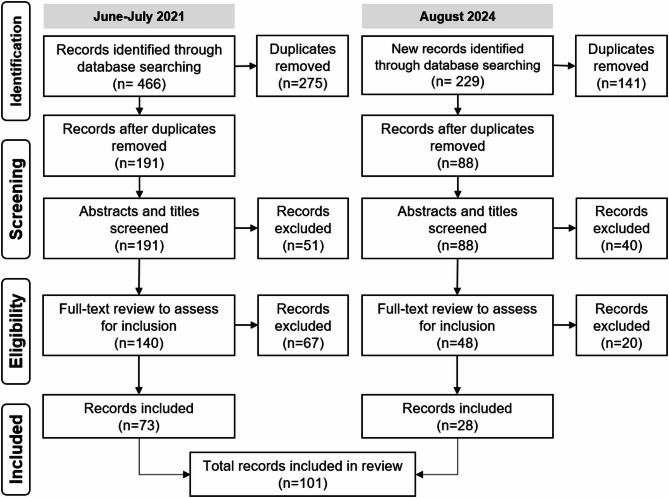 Figure 1
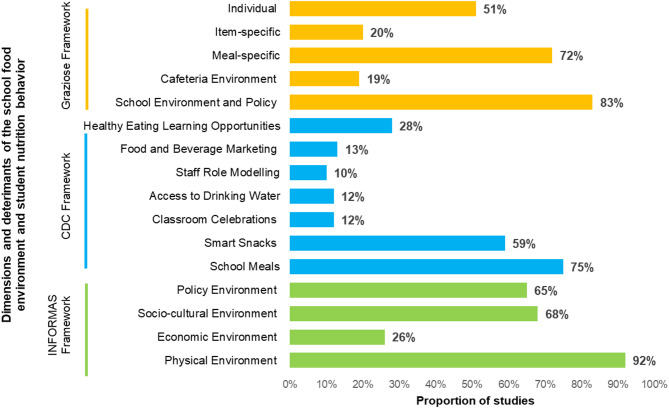 Figure 2
- —Feeding Kids, Nourishing Minds School-Based Nutrition Graduate Award, funded by President’s Choice Children’s Charity
Peer Reviews
No public reviews on file for this paper yet. If you reviewed it on a platform where reviews are public (OpenReview, ICLR, NeurIPS, ICML), you can paste yours below so the community can read it here.
Videos
No videos yet. Explain this paper in a talk, walkthrough, or lecture? Add one.
Taxonomy
TopicsObesity, Physical Activity, Diet · Food Security and Health in Diverse Populations · Child Nutrition and Water Access
Background
Renewed focus on national school food programs (SFPs) as a policy priority in recent years is based on evidence that schools serve as focal points for interventions that promote children’s health, academic success, and overall well-being [1]. Research has shown that well-implemented SFPs benefit children in multiple ways that include improved school attendance and academic performance [2–4], enhanced children’s access to and consumption of nutritious foods [4–6], and reduced risk of chronic diseases in adulthood [7, 8]. Beyond their direct positive impacts on students, successful SFPs contribute to broader societal gains, including reduced burden and cost of illness [9], improved health equity [10, 11], strengthened local food systems [9, 10], economic opportunities for farmers [9, 12], economic growth with a return of some nine dollars for every dollar invested [13], and progress toward the United Nations’ Sustainable Development Goals [10, 14]. However, for SFPs to fully realize these benefits, they must be designed to ensure broad accessibility [11], such as being universal or having minimal barriers to participation. Programs that are poorly funded, restrictive, or stigmatized may fail to reach the children who need them most [15], limiting their overall effectiveness.
Despite these benefits, Canada remained until 2024 among the few high-income countries without a nationally coordinated and funded SFP [16]. Currently, Canada continues to rely on a historically emergent patchwork of independently implemented programs across provinces, regions, and school boards [17, 18], leading to significant disparities in capacity, funding, and program quality. This fragmented approach creates inequities [17], leaving many children without consistent access to nutritious meals at school and missing out on the broader benefits of well-established SFPs. International examples, such as Finland and Brazil, demonstrate that structured, universally accessible SFPs not only improve children’s nutrition, academic performance, and food-related habits but also support local economies and job creation [19–22]. To align with global best practices, there is an unmet need across Canada for a commonly adopted set of indicators that can benchmark a comprehensive, equitable, and sustainable national SFP that ensures healthy meals and food literacy education for all children.
In response to the pressing interest and call for a national SFP, the federal government announced a commitment of $1 billion over five years in the 2024 budget to develop and implement Canada’s national SFP, with the goal of reaching up to 400,000 additional children annually [23]. In June 2024, the National School Food Policy was released, outlining the federal government’s long-term vision that all children and youth in Canada have access to nutritious, stigma-free meals at school while fostering healthy eating habits and strengthening local food systems [10]. This vision is guided by six principles: accessibility, health promotion, inclusivity, flexibility, sustainability, and accountability [10]. Beyond these principles, there are also clear objectives, such as progressively working toward universal access, prioritizing underserved and food-insecure communities, reducing barriers to participation, and supporting sustainable operations through infrastructure and staffing investments [10]. The policy also emphasizes fostering food literacy, promoting culturally appropriate programming, and creating opportunities to connect with local food systems. Together, these principles and objectives provide a roadmap for action but lack concrete steps for implementation, monitoring, or evaluation, raising concerns that this vision may remain aspirational rather than actionable.
A significant gap in the development of Canada’s national SFP is the absence of a robust monitoring and evaluation (M&E) framework. M&E must be integrated at every stage—from development to implementation and impact assessment—to ensure continuous improvement and accountability [24]. Without a standardized M&E framework and tool, assessing the success of SFPs and making evidence-based improvements remain, therefore, challenging. Various measurement tools, such as questionnaires and menu audits, exist to evaluate school food environments, yet each prioritizes specific outcomes, limiting their ability to provide a comprehensive assessment [25]. While previous reviews have explored and categorized these tools [25], none have systematically examined them in the context of informing the development of an M&E framework and tool that can guide the design and implementation of Canada’s national SFP.
To address this gap, we systematically reviewed the literature on school food environment measurement tools to: (1) identify the dimensions of school food environments and determinants of student nutrition behaviors captured by existing tools; (2) assess how well current tools align with the key principles outlined in Canada’s National School Food Policy; and (3) evaluate the quality of existing tools to inform the development of a M&E framework and subsequently a comprehensive audit tool for Canada’s future national SFP.
Materials and methods
This systematic review followed the Preferred Reporting Items for Systematic Reviews and Meta-Analysis (PRISMA) guidelines [26] and was registered with the International Prospective Register of Systematic Reviews (CRD42023492602).
Search strategy
This review builds upon search methods outlined in previous studies from O’Halloran et al. [25], and Lytle & Sokol [27]. An electronic search of peer-reviewed literature was first conducted in June and July of 2021 as part of an internal review that was not published. With the release of Canada’s National School Food Policy, an updated search was conducted in August 2024 to ensure the most recent literature was captured. The databases used for this systematic review were MEDLINE, Embase, the Cochrane Library, Scopus, and Web of Science.
Search terms were established to reflect three research concepts: (1) food environments; (2) schools; and (3) measurement tools. Initial search terms returned broad results and were thus refined to focus the scope of the results to relevant studies. Final search terms and search strategy is presented in Supplementary Material 1.
Inclusion and exclusion criteria
Inclusion and exclusion criteria used in a previous review [25] served as the basis for our eligibility criteria. Studies included in this review were limited to those that were: (1) published in English; (2) human studies; (3) studies that specified the methods or tools used to assess the school food environments; (4) studies of elementary/primary schools, middle schools, and/or secondary/high schools. Since this review focused on school food environments, studies conducted in settings other than schools, such as day care centres, were excluded.
Study selection
The study selection process was performed manually using Microsoft Excel (Version 2507, Microsoft 365 MSO) by H.J., E.W., D.S., and M.A. The search results from all databases produced 466 records in 2021 and 229 records in 2024, for a total of 695 records. All records were reviewed and after 416 duplicates were removed, 279 abstracts and titles were screened by H.J. and E.W. to determine inclusion or exclusion of studies based on the specified search criteria. A total of 188 records that met the criteria from the first screening were then reviewed by M.A. and D.S., before undergoing a full-text review by H.J., E.W., D.S., and M.A. for a final selection based on their eligibility. In total, 101 articles met inclusion criteria and were selected for this review (Fig. 1).
Fig. 1. Preferred Reporting Items for Systematic Reviews and Meta-Analyses (PRISMA) flowchart summarizing the literature search process
Frameworks for evaluating identified measurement tools
To comprehensively evaluate the school food environment, we applied three complementary frameworks that together provide a robust approach to assessing both the structural and behavioral influences on student nutrition (Table 1). The primary framework, Swinburn and colleagues’ INFORMAS (International Network for Food and Obesity/non-communicable Diseases Research, Monitoring and Action Support) food environment framework was chosen for its well-established methodology in evaluating food environments’ obesogenicity [28]. However, since the INFORMAS framework is not specific to school settings, we incorporated two additional frameworks (Centers for Disease Control and Prevention (CDC) Framework for Addressing School Nutrition Environment [29] and the Socioecological Framework of Environmental Influences [30] to provide a more granular and school-specific lens. While other frameworks (e.g., WHO Health Promoting Schools Framework) were considered, their broader whole-school health focus and limited detail on food environment and nutrition-specific dimensions made them less suitable for the current study objectives. Adaptations were made to these frameworks a priori to align them with the Canadian school context. Each tool identified from the included studies was coded against the three frameworks using a binary system (captured/not captured). Overall, the integration of these three frameworks enabled a multidimensional evaluation of school food environments in a way that is both evidence-based and aligned with Canada’s policy context, while also capturing the behavioral and socio-cultural influences that shape student nutrition outcomes. Importantly, the frameworks were mapped to the principles and objectives of Canada’s National School Food Policy [10] to examine how well existing tools capture priority areas for Canada’s forthcoming national SFP (Table 1).
Table 1. Alignment of the INFORMAS framework, CDC school environment framework, and graziose socioecological framework with Canada’s National School Food Policy guiding principles and actionable objectivesGuiding PrincipleObjectives^1^INFORMAS Dimensions^2^ [25](Physical, Economic, Socio-cultural, Policy)CDC Components^3^ [29](School meals, Competitive foods, Classroom celebrations, Access to drinking water, Staff role modelling, Food marketing, Healthy eating learning)Graziose Factors^4^ [30](School environment/policy, Cafeteria environment, Meal-specific, Item-specific, Individual)AccessibleChildren and youth can participate in school food programs without stigma or barriers.• Progressively expand toward universal accessEconomicSchool mealsIndividual• Prioritize underserved communitiesEconomicN/AIndividual• Reduce financial, physical, and social barriers to participationEconomic, Socio-culturalSchool mealsSchool environment/policy• Strive for free meals at point of service to reduce stigmaPhysical, EconomicSchool meals, Access to drinking waterSchool environment/policyHealth PromotingFood served is consistent with Canada’s Food Guide, and children and youth are supported in developing healthful food-related behaviors, knowledge, and skills.• Align meals with Canada’s Food Guide and provincial/territorial nutrition standardsPhysical, PolicySchool mealsSchool environment/policy, Meal-specific• Foster positive eating environmentsPhysicalSchool meals, Competitive foods, Access to drinking water, Staff role modellingSchool environment/policy, Cafeteria environment, Meal-specific, Item-specific• Protect against marketing of unhealthy foodsPhysical, EconomicFood marketingSchool environment/policy, Cafeteria environment/policy• Promote food literacy and nutrition skillsSocio-culturalHealthy eating learningSchool environment/policyInclusiveChildren and youth have access to culturally appropriate, relevant and inclusive SFPs that engage students and the broader community.• Ensure programming is culturally relevant and responsive to diverse dietary needsPhysical, Socio-culturalSchool mealsSchool environment/policy• Involve students, parents, and communities in program designSocio-culturalN/AN/A• Leverage Indigenous leadership and perspectivesSocio-culturalN/AN/AFlexibleFood is locally sourced where possible and reflective of local and regional circumstances.• Adapt programming to regional and community contextsEconomicN/AN/A• Support local decision-making and inputPolicyN/AN/A• Incorporate student engagement in menu planning and food preparationSocio-culturalN/AN/ASustainablePrograms are designed to be environmentally sustainable, and adequately resourced.• Strengthen and expand funding for long-term viabilityEconomicN/AN/A• Invest in infrastructure, staffing, and trainingPhysical, EconomicN/AN/A• Encourage sustainable food procurement and practices to reduce food loss and wastePolicyN/ASchool environment/policyAccountableConsistent and transparent monitoring and evaluation to ensure that programs are achieving policy objectives.• Provide clear, transparent program informationPolicySchool mealsSchool environment/policy• Ensure mechanisms for feedback from families and communitiesSocio-cultural, PolicyN/AN/A• Promote equitable monitoring and reporting to track progressPolicyN/AN/AAbbreviations: *INFORMAS *International Network for Food and Obesity/non-communicable diseases research, monitoring and action support, CDC Centers for Disease Control and Prevention^1^These objectives guided by the six key principles are listed and further described in Canada’s National School Food Policy [10] ^2^Dimensions of a school food environment. Descriptions of the dimensions have been paraphrased or adapted from a previous review by O’Halloran and colleagues [25]^3^Components of a school food environment as outlined by the Centers for Disease Control and Prevention, USA [29]^4^Factors that influence student nutrition behaviours as defined by Graziose [30]
Dimensions of school food environments
Information on school food environments captured by measurement tools was evaluated using Swinburn and colleagues’ food environment framework that adapted the widely accepted INFORMAS definition of the food environment [28]. Outcomes of measurement tools were categorized into the framework’s four food environment dimensions: (1) physical; (2) economic; (3) socio-cultural; and (4) policy. As the focus of the original framework was understanding the obesogenicity of food environments [28], we adapted this framework by expanding the definition of the socio-cultural environment to include the perceptions, attitudes, knowledge, and beliefs of students, school staff, and parents, as they relate to the school food environment (hereafter “INFORMAS dimensions”) ( Supplementary Material 2).
Centers for Disease Control and Prevention (CDC) – comprehensive framework for addressing the school nutrition environment and services
The CDC framework outlines seven components of the school food environment [29]: (1) School Meals; (2) Smart Snacks in School; (3) Classroom Celebrations, Events, and Non-food Rewards; (4) Access to Drinking Water; (5) Staff Role Modelling; (6) Food and Beverage Marketing; and (7) Healthy Eating Learning Opportunities. For the purposes of our review, we amended the component descriptions to be more generalizable and appropriate for the Canadian context. Descriptions can be found in Supplementary Material 2.
Socioecological framework of environmental influences on elementary students’ consumption of fruits and vegetables at school lunch
The socio-ecological framework presented by Graziose and Ang pieced together existing models to explore the overarching factors that influence students’ nutrition behaviors [30, 31]. In Graziose’s dissertation [30], the framework was further tailored to the school food environment by defining five factors: (1) school environment and policy factors; (2) cafeteria environment factors; (3) meal-specific factors; (4) item-specific factors; and (5) individual factors. We further amended the definition of “School Environment and Policy Factors” to include participation in any nutrition policy or program, not limited to the United States’ National School Lunch Program (NSLP). Definitions can be found in Supplementary Material 2.
Principles of Canada’s National School Food Policy
A sub analysis of Canadian studies was conducted to investigate whether existing measurement tools capture the six guiding principles outlined in Canada’s National School Food Policy that aims to support progress towards the policy’s vision [10]. The principles are:(1) Accessible; (2) Health promoting; (3) Inclusive; (4) Flexible; (5) Sustainable; and (6) Accountable. Descriptions for each guiding principle are presented in Table 1.
Quality assessment of measurement tools
The quality of measurement tools was assessed using criteria adapted by O’Halloran et al. from the INFORMAS quality assessment tool [25]. These criteria include (1) comprehensiveness (2), relevance (3), generalizability, and (4) feasibility. Each measurement tool was given a quality rating for each category (Low, Medium, or High), and then assigned an overall quality rating based on a combination of these ratings. Tools were rated High if they had mostly “High” ratings with no “Low,” Low if they had two or more “Low” ratings, and Medium if they fell between these two thresholds. Detailed criteria are available in Supplementary Material 3.
Results
The systematic search yielded 101 articles that met the inclusion criteria and were included in this review [32–132] (Table 2). Articles were published between 2001 and 2024. Most studies used quantitative methods, while others used qualitative or mixed methods to measure the school food environment. Major reasons for exclusion were that studies (1) did not specify methods or tools used to assess school food environments, (2) focused on food environments outside of the specified school settings, and (3) measured pre/post-intervention related to school environments.
Table 2. Summary of the included studies featuring measurement tools capturing the dimensions of school food environments and the determinants of student eating behaviors [32–132]. Total n = 101Author (reference)Study CountryObjective of StudySetting & PopulationINFORMAS DimensionsCDC ComponentsGraziose FactorsTools UsedOutcomes MeasuredMethodologyOverall Quality of Tool Acciai et al., 2019[32]USATo measure students’ exposure to school food and physical activity environment.n = 141 primary & secondary public schools in New JerseyPhysical; Sociocultural; PolicySchool meals; Smart snacksSchool environment and policy; Meal-specificQuestionnaireHealthy/unhealthy items available at school.QuantitativeMedium Alston et al., 2019[33]AustraliaTo determine the association between school food environments, dietary intake and BMI.n = 3,496 students at 53 primary schools in VictoriaPhysical; Sociocultural; PolicySchool meals; Smart snacks; Healthy eating learning opportunitiesSchool environment and policy; Cafeteria environment; Meal-specific; IndividualDietary questionnaires; school audit.Daily fruit and sugary drink consumption; presence of vegetable gardens, breakfast & healthy canteen programs; school socioeconomic status.QuantitativeMedium Andretti et al., 2021[34]BrazilTo assess how changes in cafeteria food and beverage quality affect subsequent (un)healthy purchases.n = 20,233 students from 54 private schools in BrazilPhysical; PolicySchool mealsSchool environment and policy; Meal-specificStudent transactions at school assessed by company database.Daily purchases; nutritional value of food and beverages offered by school cafeteria.QuantitativeMedium Arcan et al., 2013[35]USATo examine food practices and beliefs among students and teachers and determine impact of obesity intervention training.n = 14 elementary school’s teachers on American Indian reservationsPhysical; Sociocultural; PolicySmart snacks; Staff role modelingSchool environment and policy; Cafeteria environment; IndividualTwo surveys.Teacher classroom food-related practices; eating habits; teacher perceptions of schoolwide food practices and policies.QuantitativeLowAzaredo et al., 2016[36]BrazilTo evaluate the association between regular unhealthy food consumption and the school food environments.n = 109,104 ninth grade students in public and private schoolsPhysical; Sociocultural; PolicySmart snacksSchool environment and policy; Meal-specific; IndividualBrazilian National Survey of School Health; questionnaires.Sociodemographic data; unhealthy food intake; cafeteria menu items; food sold in nearby and on-site retailers.QuantitativeMedium Babashahi et al., 2021[37]IranTo analyze the Healthy School Canteen policy and identify implementation challenges for improving the school food environment in Iran.n = 64 primary schools in Tehran provincePhysical; Economic; Sociocultural; PolicySchool meals; Healthy eating learning opportunitiesSchool environment; IndividualSemi-structured interviews, document review, direct observation; Food items data.Food items in Tehran primary school canteens.MixedHigh Bardin et al., 2020[38]USATo examine how school food environment healthfulness and NSLP lunch quality vary by student poverty levels and racial/ethnic composition.n = 1,207 public, non-charter primary, middle, and high schoolsPhysical; Sociocultural; PolicySchool meals; Smart snacks; Healthy eating learning opportunitiesSchool environment and policy; Meal-specific; Item-specific; IndividualChecklists; menu audit.Presence and sources of competitive foods; school food policies and programs; nutrition promotion activities; nutritional quality of NSLP lunches; sociodemographic data.QuantitativeMedium Belansky et al., 2010[39]USATo assess the impact of the Local Wellness Policy in rural schools in Colorado.n = 45 elementary schools in rural ColoradoPhysical; Sociocultural; PolicySchool meals; Smart snacks; Classroom celebrations; Access to drinking waterSchool environment and policy; Cafeteria environment; Meal-specific; Item-specific; IndividualInterviews with foodservice managers; self-report surveys.Demographics; wellness policy; food offerings; lunch duration; serving methods; vending contents; recess timing; celebration foods; manager perceptions.MixedLow Betts et al., 2022[40]USATo assess how school food availability relates to intake frequency and BMI, and the influence of neighborhood food outlets on these relationships.n = 2,263 10th graders from 72 high schools in United StatesPhysical; EconomicSchool meals; Smart snacksSchool environment; Cafeteria environmentSurveys.Anthropometrics; demographics; school food availability; external food environment; neighborhood factors; student food intake frequency.QuantitativeLow Bhatt et al., 2019[41]IndiaTo assess the consumption patterns of school canteen food among children in Mumbai.n = 300 children, 10–12 y/o from schools in MumbaiPhysical; Economic; Sociocultural; PolicySchool meals; Smart snacksSchool environment and policy; Meal-specific; Item-specific; IndividualQuestionnaire; food menu; interviews with canteen operators; researcher observation.Food availability; accessibility; healthiness; canteen perceptions; guideline adherence; and school authority roles.MixedMedium Black et al., 2015[42]CanadaTo assess the integration of healthy and sustainable food initiatives in elementary and secondary schools.n = 32 elementary and secondary schools in VancouverPhysical; Economic; Sociocultural; PolicySchool meals; Smart snacks; Classroom celebrations; Healthy eating learning opportunitiesSchool environment and policy; Cafeteria environment; Meal-specific; Item-specificField observations; interviews with stakeholders.Eating spaces; food sales points; availability; presentation; healthy/sustainable eating policies; stakeholder insights.QualitativeHigh Brennan et al., 2021[43]United KingdomTo assess the intervention’s effect on children’s health-related quality of life, wellbeing, food knowledge, and dietary habits.n = 903 students from 15 primary schools in Northern IrelandSociocultural; PolicySchool meals; Smart snacks; Food and beverage marketing; Healthy eating learning opportunitiesSchool environment and policy; Meal-specific; IndividualRandomized-controlled trial.Dietary intake; emotional and behavioral wellbeing and health-related quality of life; cooking competence and food-related knowledge.QuantitativeMedium Briggs & Lake, 2011[44]United KingdomTo evaluate and describe the home and school food environments of children.n = 27 children, 8–10 y/o from a primary school in the suburb of NewcastlePhysical; SocioculturalSchool meals; Access to drinking waterSchool environment and policy; Cafeteria environmentPhotographs of meals; group interviews; informal observations; menu audit; discussion with school cook.School meal preferences of students; food intake; menu content and availability.MixedLow Brouse, 2009[45]USATo examine the perceptions of school food service directors on barriers/strategies for improving the school food environment and nutrition.n = 508 food service directors in schoolsSocioculturalHealthy eating learning opportunitiesSchool environment and policySelf-report questionnaire.Demographic; perceived barriers and strategies to improving healthy food choices.QuantitativeLow Bullock et al., 2010[46]USATo collect and analyze data on competitive foods in schools, and evaluate adherence to California nutrition policies.n = 21 schools in CaliforniaPhysicalSchool mealsMeal-specificAnalysis of nutrition composition using software.Nutrition composition of foods and beverages; percent adherence to the school nutrition policy.QuantitativeLow Burkhart et al., 2023[47]Pacific Islands regionTo explore learnings associated within existing school food programs, and barriers to adopting the program.n = 14 stakeholders from 11 countries in the Pacific island’s region, n = 2 representing regional organizationsPhysicalSchool meals; Smart snacksSchool environment and policyWorkshop sessions with stakeholders.SFP policy presence; challenges (local food environments, alignment, advocacy, leadership, collaboration); integration opportunities.QualitativeLow Callaghan et al., 2010[48]CanadaTo evaluate the impact of a healthy vending machine pilot project.n = 40 grade 9–11 students from 4 Ontario secondary schoolsPhysical; PolicySmart snacksSchool environment and policyFocus groups; vending machine inventory.How well healthier snacks sell; student perception of healthier snack options in vending machines.MixedLow Carter & Swinburn, 2004[49]New ZealandTo examine the impact of school food environments on student health and obesity.n = 200 primary and intermediate school teachers; n = 26 secondary school teachersPhysical; Economic; Sociocultural; PolicySchool meals; Smart snacks; Classroom celebrations; Staff role modeling; Healthy eating learning opportunitiesSchool environment and policy; Meal-specificSelf-report questionnaire.Facilities and food availability; menu prices; policies; nutrition prioritization; perceptions of food; quantity of menu items sold.QuantitativeHigh Chote et al., 2022[50]New ZealandTo measure the comprehensiveness and strength of school food policies.n = 127 principal, senior management, health/nutrition teacher in Hawke’s BayPhysical; Economic; SocioculturalSchool meals; Food and beverage marketing; Healthy eating learning opportunitiesSchool environment; IndividualQuestionnaires answered by school staff.Part A: Nutrition policies and programs; Part B: Food and beverage provision and sales (fundraising, celebrations, rewards), water fountains, sales methods, and types of food sold; Part C: School culture around healthy eating.MixedMedium Clarke et al., 2015[51]USATo determine whether perceptions of home and school food environments are related to food and beverage intakes of postpartum teens.n = 853 postpartum teens enrolled in a weight-loss studyPhysical; Economic; Sociocultural; PolicySchool meals; Smart snacksSchool environment and policy; Meal-specific; IndividualQuestionnaire; anthropometric measurements.Perceived access of 4 groups of food items at home and school; dietary behaviors (using the SBFFQ).QuantitativeMedium Cullen et al., 2005[52]USATo assess the impact of reducing sugar sweetened beverages and high-fat, salt, and sugar food portions on energy intake of students.Middle school students from n = 23 schoolsPhysical; PolicySchool mealsMeal-specificSales data; kilocalories of sold food products.Snack bar sales; students’ energy intake.QuantitativeLow Cullen et al., 2006[53]USATo assess the impact of changes in school food policy on student lunch consumption in middle schools.n = 2,790 grade 6–8 students from three middle schoolsPhysical; PolicySchool mealsSchool environment and policy; Meal-specific; IndividualFood records; point of service machine electronic data files.Amount and source of food and beverages; snack bar sales.QuantitativeLow Cullen et al., 2007[54]USATo examine the feasibility of instituting school environmental changes during a 6-week pilot in school foodservice programs.Students and staff at n = 6 middle schoolsPhysical; PolicySchool mealsSchool environment and policyQuestionnaires; daily food production and sales record.Feedback from students and staff on policy implementation; adherence to 13 food service goals.MixedLow Czarniecka-Skubina et al., 2023[55]PolandTo identify food and meal organizations in primary schools through feedback from school staff and catering representatives.n = 48 participants (24 headmasters/canteen workers, 24 catering reps) from 24 primary schoolsPhysical; Sociocultural; PolicySchool meals; Access to drinking waterSchool environment and policyIn-depth interviews.Meal organizations; school shop/vending operations; preferences & satisfaction; food waste; ideal system; COVID-19 adjustments; issues; improvement prospects.QualitativeLow D’Souza et al., 2022[56]New ZealandTo evaluate the healthiness of New Zealand school food environments.n = 819 schoolsPhysical; Economic; PolicySchool mealsSchool environment and policyQuestionnaire; canteen menu analysis.School nutrition policies and canteen menus.QuantitativeMediumde Assis Correia et al., 2022[57]BrazilTo assess association between schools’ internal environment factors and its surroundings with obesity in adolescents.n = 2,530 adolescents in public and private schools in Belo Horizonte CityPhysicalSchool meals; Smart snacksSchool environment; IndividualAnthropometric measurements; questionnaire.Obesity; school managerial dependence type; number of operational drinking fountains; school sports environment; food sales environment around the school.QuantitativeLow Evans et al., 2021[58]USATo investigate stakeholders’ perspectives on the school food environment since the school nutrition reform.n = 42 faculty and/or staff from 14 public middle schoolsPhysical; Economic; Sociocultural; PolicySchool meals; Smart snacks; Classroom celebrationsSchool environment and policyInterviews with key stakeholders.Stakeholder views on nutrition reform: awareness, attitudes, benefits, barriers, food quality, taste, student behaviors, and policy improvement recommendations.QualitativeHigh Fitzpatrick et al., 2017[59]CanadaTo examine the relationship between school indoor dietary environment, the surrounding school neighborhoods and adiposity in children.n = 431 children, 8–10 y/o who are at risk of obesity from 246 primary schools in MontrealPhysical; SocioculturalSchool meals; Smart snacksSchool environment and policy; Meal-specific; IndividualSurvey; Geographic Information System; census data for neighborhood deprivation; adiposity measures.Cafeteria menu; healthy food for sale; school neighborhood socioeconomic status; anthropometric measurements; family socioeconomic status.QuantitativeLowFoo et al., 2021[60]MalaysiaTo assess the type and quality of food and beverages sold in canteens in public schools.n = 140 public schools (97 primary and 43 secondary) in KelantanPhysical; EconomicSchool mealsMeal-specific; Item-specificDirect observations in school canteens.Food and beverage ingredients; size of food and beverage served; total calories, fat, sugar, and salt.QuantitativeMedium Gangemi et al., 2020[61]USATo assess adolescents’ views on their food environments through photographs and corresponding interviews.n = 20 adolescents from a high school in PhiladelphiaPhysical; Sociocultural; PolicySchool meals; Smart snacksMeal-specificPhoto-elicitation; non-structured interviews.Healthfulness of school vending machines; lunch choices (home vs. school); factors influencing students’ food choices; critiques of school food environments.QualitativeLow Gebremariam et al., 2012[62]NorwayTo investigate the food environment in elementary schools and assess dietary behaviors children.11 y/o students and principals and teachers at 35 elementary schoolsPhysical; Sociocultural; PolicySchool meals; Staff role modeling; Food and beverage marketingSchool environment and policy; Meal-specific; IndividualFrequency questionnaire for dietary assessment; questionnaires.Dietary behaviors; demographic analysis; school-level factors (responsibility, food/nutrition prioritization, nearby food sales, nutrition guidelines).QuantitativeMedium Godin et al., 2019[63]CanadaTo examine associations between Canadian adolescents’ sugar-sweetened beverage consumption and school food environment characteristics.n = 41,829 students at 89 secondary schools in Ontario and AlbertaPhysical; SocioculturalSmart snacks; Access to drinking waterSchool environment and policy; Cafeteria environment; Meal-specific; IndividualCOMPASS student questionnaire; COMPASS School Environment Application (Co-SEA) and Desktop Mapping Technologies Inc.Student SSB intake; SSB availability; in-school water fountain access; food outlets within a 1 km radius of schools.QuantitativeMedium Goldberg et al., 2009[64]USATo describe the improvement of nutrient quality of school meals and associated barriers/facilitators.Students, food service staff, parents, teachers and school leaders at elementary schoolPhysical; Sociocultural; PolicySchool meals; Healthy eating learning opportunitiesSchool environment and policy; Meal-specificFocus groups or interviews with school employees, students, parents, guardians.Dietary behaviors; menu changes; staff training; awareness, attitudes, and behavior changes in the school food environment.QualitativeLow Gonçalves et al., 2019[65]BrazilTo characterize the food environment and to identify factors associated with hypertension and obesity.n = 73,399 students in secondary schools, 12–17 y/oPhysical; Sociocultural; PolicySchool meals; Food and beverage marketingSchool environment and policy; Meal-specific; IndividualSelf-administered survey; interviews with school principals; observations on school food environment.Anthropometrics; school location/type; school meals and competitive foods; nearby food retailers; food advertisements.MixedMedium Gordon et al., 2009[66]USATo examine the role of low-nutrient energy dense foods in children’s diets and the role of school meal environments in shaping dietary behaviors.n = 2,314 grades 1–12 students, principals, foodservice directors at 287 schoolsPhysical; Sociocultural; PolicySchool meals; Smart snacks; Classroom celebrationsSchool environment and policy; Meal-specific; Item-specific; IndividualMenu analysis; questionnaires; direct observation; 24-hour dietary recall.Availability and consumption of competitive foods; their energy contribution; school food environment; policies; lunch characteristics; dietary behavior; food opinions.MixedMedium Gosliner et al., 2011[67]USATo elucidate student perception of school food environments and assess correlations between perceptions, purchasing, and consumption at school.n = 5,365 students at 19 schools in multi-ethnic, low-income California neighbourhoodSocioculturalSchool mealsSchool environment and policy; Meal-specificKnowledge, attitudes, and behavior assessment; questionnaire and intakes assessment.Food intakes and KAB regarding school food environmentQuantitativeLow Graves et al., 2008[68]USATo assess the school breakfast environment in rural Appalachian schools.Fourth & fifth grade students and food service managers at 4 rural schoolsPhysical; PolicySchool mealsMeal-specific; Item-specificMenu documentation; interviews.School food environment and nutrition compositionMixedLow Green et al., 2018[69]USATo evaluate the impacts of the Philadelphia Campaign for Healthier Schools.n = 100 schools (kindergarten – grade 8) in PhiladelphiaPhysical; Sociocultural; PolicySmart snacks; Classroom celebrations; Food and beverage marketing; Healthy eating learning opportunitiesSchool environment and policy; Meal-specificInterviews and surveys with school staff before and 1 year into the campaign.Availability of classroom foods; corner store foods; vending machine items; after-school foods; school-sold foods; corporate marketing; and health promotion activities at baseline and follow-up.QualitativeMedium Gross et al., 2019[70]USATo examine how the physical cafeteria environment contributes to school food consumption.Students, 6–8 y/o at 10 New York City public elementary schoolsPhysicalSchool mealsMeal-specific and Item-specificBefore and after lunch tray photos; checklist for cafeteria’s physical environment.FV and whole-grain consumption; physical environment of cafeteriaQuantitativeLow Gustafson et al., 2017[71]USATo examine the effects of food purchasing patterns and the home, school, and consumer food environments on dietary intake among rural adolescents.n = 432 high school students from 8 rural high schools in Kentucky and North CarolinaPhysical; Economic; Sociocultural; PolicySmart snacks; Food and beverage marketing; Healthy eating learning opportunitiesSchool environment and policy; Cafeteria environment; Meal-specific; IndividualSurveys; school and consumer food environment audits.Home and school food environments; consumer food environment; food purchasing patterns; dietary intake of fruits, vegetables, and added sugarsQuantitativeHigh Hadi et al., 2021[72]IndonesiaTo describe the characteristics of school canteens in Indonesia and examine impact of canteen management on food quality.n = 152 primary schools (private, public, religious)Physical; SocioculturalSchool meals; Smart snacks; Access to drinking waterSchool environment; Individual; Item-specificSurvey administered to principals; Interviews with heads of elementary schools via Zoom.Healthy Canteen Score: canteen presence, nutrition curriculum, food storage, food availability, restrictions, sales bans, outside food limits, and oversight.MixedMedium Hermans et al., 2020[73]NetherlandsTo examine adolescents’ food purchasing patterns in and around school and its relationship with perceived maternal relationship support and monitoring.n = 726 adolescents and n = 713 mothers at primary schoolsPhysical; SocioculturalSmart snacksMeal-specific; IndividualFood Frequency Questionnaire; self-report questionnaires.Adolescents’ frequency of bringing and purchasing foods; perceived maternal relationship support and monitoringQuantitativeLow Huang et al., 2017[74]ChinaTo evaluate the intake of food and nutrients among students and provide recommendations for new school lunch standards.Primary, middle, and high school students in ShanghaiPhysical; SocioculturalSchool mealsMeal-specific; IndividualMenu surveys analyzed by a nutrient analysis software; plate waste measures; questionnaire.Menu evaluation; food intake frequency; knowledge and attitudes about food, nutrients, and opinions on food servedQuantitativeHigh Hugues et al., 2021[75]MexicoTo describe the implementation of, and compliance with, the 2014 version of the AGREEMENT in a representative sample of elementary schools.n = 119 schools, median number of students per school was 237Physical; Economic; SocioculturalSchool mealsSchool environment and policy; Cafeteria environmentHealthy Canteen Score.Implementation and compliance with Agreement; barriers and facilitators; water fountain availability/quality; processed food/beverage advertising.MixedMedium Iyassu et al., 2024[76]EthiopiaTo assess factors that influence dietary behaviors of adolescents in urban Ethiopia.n = 432 students, 15–19 y/o and n = 36 school principals from 12 secondary schools in three cities of EthiopiaPhysical; Sociocultural; PolicySchool meals; Classroom celebrations rewardsSchool environment and policy; Item-specific; IndividualFocus groups with photovoice; interviews.Principal and student perspectives on dietary behaviors; school food policies; barriers to healthy eating.QualitativeLow Jensen et al., 2021[77]Costa RicaTo assess the extent to which mandatory school food environment guidelines were implemented in high schools and the perspectives of key policy actors.n = 22 participants (principles and kiosk concessionaires) in San JoséPhysical; Economic; PolicySchool meals; Smart snacksSchool environment and policy; Item-specificTwo semi-structured interviews; checklist; site observations.Opinions on student health; food availability; recent changes and reasons; assessment of on-site prepared foods and beverages.QualitativeMedium Jones et al., 2011[78]USATo test the effectiveness of using a Positive Youth Development framework to train youth leaders in rural schools to plan, implement, and evaluate school nutrition environment interventions.n = 350 grade 4–5 students from five rural East Tennessee County schoolsPhysical; SocioculturalSchool meals; Healthy eating learning opportunitiesSchool environment and policy; Individual24-hour dietary recall and surveys.Intake; knowledge, attitudes, and behaviors on food environment.QuantitativeMedium Kilandeka et al., 2024[79]DodomaTo examine the school food environment among primary school children and its relationship with their eating behaviors.n = 248 primary school children in urban and rural areasPhysicalSchool meals; Smart snacksSchool environment; IndividualQuestionnaire.A: rapport; B: socio-economic data; C: eating behaviors.QuantitativeLow Krukowski et al., 2011[80]USATo develop a comprehensive, standardized, and validated measurement of school cafeterias.n = 125 public schoolsPhysicalSchool mealsCafeteria environment; Meal-specificSchool cafeterias measured using a scoring system.School meals and lunches (i.e. foods available); demographics.QuantitativeMedium Kubik et al., 2010[81]USATo examine if nutrition policies on junk food in school vending machines and stores were associated with lower availability of junk food.n = 538 public school districts across all 50 statesPhysical; PolicySchool meals; Smart snacks; Classroom celebrations; Staff role modelingSchool environment and policy; Meal-specificTelephone interviews; self-administered mail questionnaires.State/district requirements on junk foods; student access to food or beverages from vending machines, school stores, canteens, or snack bars.MixedHigh Lambert et al., 2016[82]USATo investigate teachers’ behavior towards using foods with low nutritional value in the classroom.n = 280 teachers from 10 public elementary schools in 3 northern Mississippi school districtsPhysical; Sociocultural; PolicyClassroom celebrations; Staff role modelingSchool environment and policy; Cafeteria environment; Meal-specificSurveys.Teacher allowances for low-nutritional-value foods in the classroom; frequency of rewards; teacher attitudes.QuantitativeMedium Leite et al., 2021[83]BrazilTo investigate the association between the presence of canteens and availability of ultra-processed foods with the consumption of these foods, inside schools.n = 2,680 9th grade students from 119 schools Sao PauloPhysical; Economic; SocioculturalSchool meals; Smart snacks; Food and beverage marketingSchool environment; IndividualQuestionnaires; researcher observation.Commercial canteens; ultra-processed food sales; unhealthy food markers; lack of cafeterias; alternative food outlets; nearby street vendors; food ads inside schools.QuantitativeMedium Lien et al., 2014[84]7 European countriesTo describe practices related to the school food environment in 7 European countries.10–12 y/o and school managementPhysical; Sociocultural; PolicySchool meals; Smart snacks; Classroom celebrations; Access to drinking water; Staff role modeling; Healthy eating learning opportunitiesSchool environment and policy; Cafeteria environment; Meal-specific; IndividualQuestionnaires; anthropometric measurement; interviews; school environment audit instrument.Student demographics; food availability; school nutrition policies; staff roles in nutrition modeling and teaching; and student soft drink consumption frequency.MixedHigh Longacre et al., 2014[85]USATo examine whether school food reduces household income-related disparities in adolescents’ frequency of fruit and vegetable intake.n = 1,542 grade 4–6 students at 26 public schools in New Hampshire and VermontPhysical; Economic; SocioculturalN/ASchool environment and policy; Meal-specific; IndividualLongitudinal telephone survey with students and parents.Adolescent frequency of fruit and vegetable intake.QualitativeMedium Lytle et al., 2006[86]USATo examine the effects of an intervention for increasing the availability of fruits, vegetables, and lower fat foods in homes and schools.n = 3,600 middle school students at 16 schoolsPhysical; PolicySchool meals; Healthy eating learning opportunitiesSchool environment and policy; Meal-specific; IndividualSurvey; food availability data; observations of school meals and number of students served.Home and school food environments (i.e., foods available).QuantitativeMedium Martinelli et al., 2021[87]USATo compare the healthfulness of foods offered in schools with parental perception of school meals.n = 1,201 students from public schools in Camden, New Brunswick, Newark and TrentonPhysical; SocioculturalSchool meals; Smart snacksSchool environmentComputer-assisted phone interviews and surveys.Demographics; relationship between school food environment and perceptions.QuantitativeMedium Martinez-Ospina et al., 2019[88]ColombiaTo examine the school food environment and the relationship of consumption and physical activity with overweight/obesity.7–14 y/o students at 10 elementary and secondary education schools in BogotaPhysical; SocioculturalSchool meals; Smart snacks; Access to drinking waterSchool environment and policy; Meal-specific; IndividualSurveys; field assessment; anthropometric measurementsFood consumption; physical activity; sleep; access to stores; health; access to healthy foods/water; health knowledge; anthropometric measures.QuantitativeMediumMasse et al., 2013[89]CanadaTo determine whether the availability of certain foods was associated with school environment policies.Public school principals at elementary and middle schools in British ColumbiaPhysical; Sociocultural; PolicySchool meals; Smart snacks; Classroom celebrations; Staff role modeling; Food and beverage marketing; Healthy eating learning opportunitiesSchool environment and policy; Meal-specificSurvey.Nutrition policies and guidelines; qualifications of food personnel; nutrition education at schools.QuantitativeLow Mauti et al., 2021[90]Burkina FasoTo better understand the food and health environment across schools.n = 19 school administrators; n = 18 food vendors; n = 1,059 in-school adolescents from 22 schoolsPhysical; Economic; Sociocultural; PolicySchool meals; Smart snacks; Access to drinking water.School environment and policy; Meal-specific; Item-specific; IndividualStructured questionnaires administered by field workers.Health policies; nutrition; WASH; physical activity; healthcare access; food sales; hygiene; preferences; security; peer influence; mental health.QuantitativeHigh McIsaac et al., 2015[91]CanadaTo evaluate policy adherence of school lunch menus in Nova Scotia.n = 110 public elementary schools in Nova ScotiaPhysical; Sociocultural; PolicySchool meals; Smart snacksSchool environment and policy; Meal-specificMenu analysisMenu items and nutrition category (i.e., healthy versus unhealthy).QuantitativeLow Moore et al., 2023[92]IrelandTo develop and test an instrument assessing the school food environment, and provide recommendations.n = 18 schools in urban and rural geographical regions of Northern Ireland of varying socio-economic statusPhysical; Sociocultural; PolicySchool Meals; Staff Role ModellingSchool Environment and Policy; Meal-specificObservation; intake monitoring; questionnaire.Physical setting; food policies; food provision; parental engagement in school food.QuantitativeHigh Neumark-Sztainer et al., 2005[93]USATo describe school lunch practices and vending machine purchases among high school students, and associations between their eating patterns and school food environment.n = 1,088 high school students from 20 high schools in metropolitan areas in MinnesotaPhysical; PolicySchool meals; Smart snacksSchool environment and policy; Meal-specific; Item-specificSelf-administered surveys; researcher observation.Number and hours of operation of vending machines; existence of nutrition policies; how often students bought lunch from school versus brought lunch from home.QuantitativeMedium Newton et al., 2011[94]USATo evaluate the implementation of a multicomponent childhood obesity prevention intervention in rural schools.n = 232 classroom teachers; n = 53 physical education teachers; n = 33 food service managers; n = 9 trained observers at 17 rural Louisiana schoolsPhysical; Sociocultural; PolicySchool meals; Healthy eating learning opportunitiesSchool environment and policy; Cafeteria environment; IndividualQuestionnaires and observations.School cafeteria practices; health guidelines and recommendations; physical activity education; school cafeteria environment.MixedMedium Nollen, 2007[95]USATo examine the perceptions of school staff on school food environment in relation to obesity and legislation.n = 8 high school principals, n = 7 dietitians/food service managersSociocultural; PolicyN/ASchool environment and policy; IndividualSemi-structured interviews.Perceptions of student health; obesity; school nutrition policies; food offerings; barriers; student demographics.QualitativeLow Noor et al., 2024[96]Sub-Saharan Africa regionTo understand the school food environment through school administrators, food vendors, and adolescents.n = 4,999 adolescents from 79 primary schools (22 in Burkina Faso, 20 in Ethiopia, 5 in South Africa, 11 in Sudan, and 21 in Tanzania)Physical; EconomicSchool meals; Smart snacks; Food and beverage marketingSchool Environment and Policy; Cafeteria Environment; Meal-specificStructured questionnaires administered by field workers; surveys.Availability of health policies, guidelines, and curricula; health, nutrition, and WASH services; food items from vendors in and around schools; school food environment and eating habits.QuantitativeHigh O’Donnell et al., 2022[97]USATo assess facilitators and barriers to participating in the school meal program among adolescents of color.n = 47 students; n = 24 caregivers across 4 public schools in the USAPhysical; PolicySchool meals; Smart snacks; Healthy eating learning opportunitiesSchool Environment and Policy; Cafeteria Environment; Meal-specificFocus groups; key informant interviews.Demographics, socioeconomic status; school meal participation; health habits; meal participation predictors; nutrition knowledge; communication preferences.QualitativeMedium Ohri-Vachaspati et al., 2023[98]USATo assess the association between school and community food environments and the prevalence of obesity.106 public schools located in Camden, New Brunswick, Newark, and TrentonPhysical; Economic; PolicySmart snacksMeal-specific; IndividualSurvey; systematic classification protocol.Healthfulness of school lunches; competitive foods; community food environment (food outlets, NSLP, à la carte, and vending options).QuantitativeMedium Okamura et al., 2022[99]BrazilTo investigate the role of school feeding in insulin resistance.n = 27,990 adolescents aged 12 to 17 from public and private schoolsPhysical; EconomicSmart snacksSchool Environment and Policy; Meal-specificCross-sectional national data based on questionnaires or school observations.School location area; sale of food at school; presence of vending machines; presence of advertising of industrialized foods; sale of food in the vicinity of the school.QuantitativeHigh Park et al., 2017[100]South KoreaTo create and pilot test a school nutrition environment index.7 elementary and 8 middle schools in SeoulPhysical; Economic; Sociocultural; PolicySchool meals; Smart snacks; Staff role modeling; Healthy eating learning opportunitiesSchool environment and policy; Meal-specificQuestionnaire for school dietitians; lunch menu analysis.Resource availability; education and programs; dietitians’ perceptions and characteristics; school lunch menu.QuantitativeHigh Pehlke et al., 2016[101]GuatemalaTo assess privately owned casitas (kiosks) in Guatemalan schools.n = 4 school principals; n = 4 kiosk vendors; n = 48 children, 7–12 y/o at 4 schools in low income, peri-urban municipalities near Guatemala CityPhysical; Economic; Sociocultural; PolicySmart snacksSchool environment and policy; Meal-specificIn-depth interviews; focus groups; direct observations.Student preferences; food availability; staff perceptions of nutrition barriers (pricing, time, space); policy regulations/enforcement.QualitativeLow Pillay et al., 2024[102]New ZealandTo assess primary school canteen food menus against the newly implemented Ministry of Health ‘Food and Drink Guidance for Schools’.n = 133 primary school canteensPhysical; SocioculturalSchool meals; Smart snacks; Access to Drinking Water; Healthy eating learning opportunitiesSchool Environment and Policy; IndividualQuestionnaire; menu analysis.Healthiness of school food menus.MixedMedium Prelip et al., 2012[103]USATo evaluate the impact of a multi-component school-based nutrition education program on students’ knowledge, attitude, and behaviors.n = 339 grade 3–5 students at 6 elementary schools in low-income areasSociocultural; PolicyStaff role modeling; Healthy eating learning opportunitiesSchool environment and policy; Meal-specific; IndividualBaseline and post-intervention questionnaires.Fruit and vegetable (FV) consumption; knowledge, attitudes, and behaviors about food groups; parent and teacher influence on FV consumption; demographics.QuantitativeMedium Rathi et al., 2017[104]IndiaTo describe the opinions of adolescents, parents, educators, and principals on food environment and canteen policies.n = 15 adolescents; n = 15 parents; n = 12 teachers; n = 10 principals at 10 private secondary schools in KolkataPhysical; Sociocultural; PolicySchool meals; Smart snacks; Healthy eating learning opportunitiesSchool environment and policy; Meal-specific; IndividualSemi-structured interviews.Interviewee’s opinion on school food environment and whether it promotes healthy eating.QualitativeMedium Richardson et al., 2020[105]USATo assess the school food environments of children from military families in the USA.n = 815 children, 12–13 y/o from US military familiesPhysical; EconomicSmart snacksMeal-specific; IndividualOnline surveys; anthropometric measurements.Food intake (fruit, vegetables, soft drinks, sweets); purchasing behaviors; food availability; home environment; and demographics.QuantitativeMedium Rocha et al., 2021[106]BrazilTo examine the association between the school food environment and sugar-sweetened beverage consumption among adolescents.n = 71,549 adolescents, 12–17 y/o; n = 1,247 schools in Brazilian cities with a population of >100,000Physical; EconomicSmart snacks; Access to Drinking Water; Food and beverage marketingSchool Environment and Policy; Meal-specific24-h recall, systematic social observation using a questionnaire.SSB consumption (mL/day); number of drinking fountains per 100 students; soft drink sales; soft drink advertising; presence of street vendors.QuantitativeHighRollings et al., 2018[107]USATo quantify associations between elementary school cafeteria environments and students’ selection and consumption of fruits and vegetables.n = 3,187 elementary school students at 50 schools in New York, Iowa, Arkansas, and WashingtonPhysicalSmart snacks; Food and beverage marketingCafeteria environment; Meal-specific; Item-specific; IndividualUS census data: school tray photographs before and after eating analyzed by Digital Food Image Analysis software.Demographics; room; table/display; plate; food scales; fruits and vegetables served and consumed.QuantitativeLow Schneider et al., 2009[108]USATo describe the design and methods of evaluating the HEALTHY study.Students and staff at middle schoolsPhysical; PolicySchool mealsSchool environment and policyDirect observations; interviews and focus groups.Fidelity (intervention delivery); dose (amount); reach (recipient proportion); facilitators/barriers; participant feedback.MixedLow Schwartz et al., 2020[109]USATo assess whether strong state-level policies are associated with lower student BMI-for-age percentiles.n = 1,625 students in 284 schools in 30 states and the District of ColumbiaPhysical; Sociocultural; PolicySchool mealsSchool Environment and Policy; Meal-specific; IndividualNationally representative data of students enrolled in public, non-charter schools that participated in the National School Lunch Program.Availability of competitive foods in vending machines, school stores, and à la carte; state laws; free/reduced lunch eligibility.MixedLow Stephenson et al., 2013[110]CanadaTo evaluate of the potential impact of the Healthy Eating Guidelines Initiative on the school food environment and students’ self-reported diets.n = 8,428 grades 7–12 students from 22 schoolsPhysical; Sociocultural; PolicySchool meals; Smart snacksSchool environment and policy; Cafeteria environment; Meal-specificInterviews with school representatives; inspection list assessment; student questionnaire.Type of food service available (full service, vending machine only, no service); student self-reported dietary behaviors during preceding 24 h.MixedMedium Steyn et al., 2015[111]South AfricaTo assess the effectiveness of a primary school nutrition intervention on the dietary quality of children from low-income backgrounds.n = 998 fourth grade students from 16 schools from low-income districts in Western Cape ProvincePhysical; Sociocultural; PolicySmart snacksSchool environment and policy; Meal-specific; IndividualThree wave surveys [2009–2011]; 24-hour recall.Consumption of food and drinks by participating students over a 24-hour period; percent of participants who consumed foods high in fat and/or sugar.QuantitativeLow Taber et al., 2015[112]USATo examine whether state competitive food laws reduce disparities in compliance across income levels.5th and 8th grade students from 2,850 schoolsPhysical; PolicySmart snacksSchool environment and policy; Meal-specificQuestionnaire completed by school administrators; state codified laws extracted from secondary dataset.Food and beverage items sold in school; state competitive food laws.QuantitativeMedium Teo et al., 2019[113]MalaysiaTo evaluate the effectiveness of the School Nutrition Program.7–11 y/o children from six selected schools in Batu Pahat District, Johor State, MalaysiaPhysical; SocioculturalSchool mealsIndividualQuestionnaires; self-administered 7-day recall; Pediatric Quality of Life Inventory (five-point Likert scale)Anthropometrics; nutrition knowledge, attitudes, behaviors; eating habits; physical activity; psychological distress; cognitive performance; quality of life in children.QuantitativeMedium Terry-McElrath et al., 2009[114]USATo identify trends in foods available in schools and associations with intakes and BMI-related outcomes.n = 78,442 students in 684 secondary schools and food service managersPhysical; PolicySchool meals; Smart snacksSchool environment and policy; Meal-specific; IndividualQuestionnaires.School food environment policies; self-reported anthropometrics (height and weight); self-reported student food consumption.QuantitativeMedium Thompson et al., 2010[115]USATo evaluate the relationship between school vending machine purchasing behavior, access, and individual-level dietary characteristics.n = 1,695 children and adolescentsPhysicalSmart snacksMeal-specific; IndividualSecondary analysis of a consumer mail panel survey (Youth Styles 2005 survey)Vending machine purchasing behavior and access; dietary intake; and self-reported demographic data.QuantitativeMediumTrubswasser et al., 2022[116]EthiopiaTo assess whether food environments in and around schools influence dietary diversity, quality, BMI status or perceptions of adolescents.n = 217 high school students in Addis Ababa, Ethiopia.Physical; Economic; Sociocultural; PolicySchool meals; Smart snacks; Access to Drinking Water;School Environment and Policy; Meal-specific; Item-specific; IndividualInterviews; dietary intake assessments, and anthropometric measurements.Socio-economic factors; purchasing behavior; food environment perceptions; dietary intake; anthropometrics; food assessment.MixedHigh Tsai et al., 2021[117]USATo characterize school nutrition environments by identifying underlying factors and their relationships with child anthropometric and dietary outcomes.Children from 386 schools in South, West, Midwest, and Northeast of the United StatesPhysical; Sociocultural; PolicyAccess to Drinking Water; Food and beverage marketing; Healthy eating learning opportunitiesSchool Environment and Policy; Meal-specific; Item-specific; IndividualObservations, surveys.Nutrition education; food options; wellness policies; dining environment; unhealthy food restriction; nutrition programs.QuantitativeHighTurner et al., 2012[118]USATo examine changes in school food environment post-implementation of a wellness policy.Principals and food service managers at 1,803 schoolsPhysical; Sociocultural; PolicySchool meals; Smart snacks; Classroom celebrations; Healthy eating learning opportunitiesSchool environment and policy; Cafeteria environment16-item questionnaire.Competitive foods; school lunches; kitchen facilities; participation in nutrition program; nutrition education; nutrition of staff.QuantitativeMedium van der Horst et al., 2008[119]NetherlandsTo examine the association between availability of canteen food and drinks, the presence of food stores around school, and attitudes, behaviors, and knowledge.n = 1,293 adolescents, 12–15 y/o from 17 secondary schools in RotterdamPhysical; SocioculturalSchool meals; Smart snacksMeal-specific; IndividualQuestionnaires and observations.Cognitive factors (attitudes, parental norms, modeling, perceived control); snack and soft drink availability; school and local food environment; demographics.MixedMedium Vilela et al., 2023[120]BrazilTo evaluate the economic and financial aspects of different models of companies in the school canteen sector.n = 6 outsourced companies responsible for 36 private school canteens.Physical; SocioculturalSchool meals; Smart snacksSchool Environment and Policy; Meal-specificOnline questionnaire self-completed by canteen managers.Food items sold in traditional vs. healthy canteens; nutritional content; student servings; costs; profit margins; investment recovery; profitability.MixedMedium Volpe et al., 2013[121]USATo develop and test a school-based intervention aimed at reducing modifiable risk factors for type 2 diabetes in middle schools.n = 4603 students from 42 middle schools across the USAPhysical; Economic; Sociocultural; PolicySchool meals; Healthy eating learning opportunitiesSchool environment and policy; Meal-specific; Item-specificObservations; structured interviews; cafeteria menu analysis.Nutrition goals; nutrition education and strategies; barriers and facilitators for a healthy food environment.MixedLowWeigel et al., 2022[122]EcuadorTo examine the association of school food sources with healthy and unhealthy food intake and BMI in students.n = 12,632 primary, and n = 6,617 secondary students in Ecuadorian provincesSociocultural; PolicySchool meals; Healthy eating learning opportunitiesSchool Environment and Policy; Meal-specific; IndividualQuestionnaire; food frequency questionnaire.School bar presence; “red traffic light” foods availability; child intake of six food/beverage groups over a week; BMI from height and weight.QuantitativeMedium Whatley Blum et al., 2007[123]USATo examine the impact of implementing guidelines in competitive food offerings.n = 7 high schools in MainePhysicalSmart snacksMeal-specific; Item-specificObservations; availability and nutrition profiles of foods in vending machines; portion size records.Vending machines; competitive foods; nutrition profiles; barriers to low-fat; low-sugar; portion-controlled guidelines in schools.MixedLow Whatley Blum et al., 2011[124]USATo assess the effect of nutrition policy on the food environment of public schools.Food service directors at 89 high schoolsPolicySchool mealsSchool environment and policyObservations; Survey.Types of foods available; program evaluation.QuantitativeLow Wijnhoven et al., 2014[125]12 European countriesTo assess differences in school nutrition environment and BMI in primary schools between and within 12 European countries.Primary school students at 1,831 schools in 2007/2008 and 2,045 schools in 2009/2010Physical; Sociocultural; PolicyN/ASchool environment and policy; Meal-specific; IndividualQuestionnaire completed by school personnel; anthropometric measures.Physical education frequency; playground access; on-site food/beverage availability; healthy lifestyle initiatives; anthropometric measures.QuantitativeMedium Wolfenden et al., 2019[126]AustraliaTo assess whether improvements in primary school implementation of a mandatory state-wide healthy canteen policy were sustained.n = 35 primary in the Hunter Region of New South WalesPhysical; Sociocultural; PolicySchool meals; Smart snacksSchool environment and policy; Meal-specificMenu assessment using a quick menu audit tool.Canteen menu compliance with state policies; proportion of schools without restricted item and those with >50% healthy menu options.QuantitativeMedium Woodward-Lopez et al., 2010[127]USATo assess the impact of nutrition standards on school meals in California.Students, food service directors, principals, and wellness team members at schools in CaliforniaPhysical; Sociocultural; PolicySchool meals; Smart snacksSchool environment and policy; Meal-specific; IndividualSurveys; sales data.Student food intake; purchases; attitudes; perceptions; sales data; factors influencing nutrition standards and school wellness policy implementation.QuantitativeMedium Yang & Kim, 2020[128]South KoreaTo examine how household and school fruit environments influence fruit intake and overweight risk in low-income children and adolescents.n = 3,148 students who were beneficiaries of Seoul’s Community Childcare CentrePhysical; SocioculturalSchool mealsMeal-specific; IndividualFruit frequency questionnaires.Anthropometric measures; fruit intake at home and school; habit of frequently eating fruit among parents and friends.QuantitativeMedium Yazdi-Feyzabadi et al., 2018[129]IranTo examine the role of Iranian Health Promoting Schools in improving the school food environment and snacking behaviors among adolescents.n = 1,320 eight grade students from 40 middle schools in KermanPhysical; Sociocultural; PolicySmart snacks; Healthy eating learning opportunitiesSchool environment and policy; Meal-specific; Individual55-item qualitative Food Frequency Questionnaire.Snacking frequency (healthy and unhealthy); school food environment; nutritional knowledge.QualitativeMedium Yip et al., 2017[130]ChinaTo assess the diet quality and eating behaviors of preschool children, parents’ feeding practices, and the kindergarten nutrition environment.*n *= 302 preschool children, 30–60 months oldPhysical; Sociocultural; PolicySchool meals; Healthy eating learning opportunitiesSchool environment and policy; Meal-specific; Item-specific; Individual24-hour dietary recalls and questionnaires.Meal types; times and locations of food consumption; cooking methods of meals consumed; acceptance of new foods or dishes; most common foods and beverages.QuantitativeHigh Yoong et al., 2015[131]AustraliaTo assess healthy food availability, pricing, promotion strategies, and variation by school characteristics in primary school canteens.n = 340 school principals and n = 203 canteen managers at schools in New South WalesPhysical; Economic; Sociocultural; PolicySchool meals; Smart snacks; Food and beverage marketing; Healthy eating learning opportunitiesSchool environment and policy; Cafeteria environment; Meal-specific; Item-specificComputer assisted telephone interview with canteen managers; menu audits.Proportions of healthy/unhealthy foods; canteen operations; manager’s knowledge of healthy strategies; pricing/promotion practices.MixedLow Zive et al., 2002[132]USATo describe the food environment at 24 middle schools and multiple food sources’ dietary fat contribution.n = 24 middle schoolsPolicySchool mealsSchool environment and policy; Meal-specificBagged lunch content observation; school meal sample collection; à la carte and store data; interviews with food service staff.Sales; nutrient analysis (i.e., grams of saturated and total fat).QuantitativeLow
Table 2. Summary of the included studies featuring measurement tools capturing the dimensions of school food environments and the determinants of student eating behaviors. Total n = 101.
Country of origin
47% (n = 47) of studies were conducted in the United States (Table 2). The second most studied country was Brazil (8%, n = 8), followed by Canada (7%, n = 7) and New Zealand (4%, n = 4). There were three or less studies from the remaining countries in Asia, Africa, South America, Europe, and Australia.
Methods employed by measurement tools
Of the 101 studies, 60% (n = 61) used only quantitative methods to evaluate the school food environment. Most studies employed questionnaires and/or surveys (n = 65), while others incorporated menu audits (n = 12), dietary records (n = 9), sales data (n = 3), and/or others. Eleven studies using quantitative methods were rated as ‘high’ quality (Table 2), all of which included questionnaires and/or surveys. The most common pairing of quantitative methods were dietary records and questionnaires, and menu audits and questionnaires.
Fifteen studies (15%) used only qualitative methods to evaluate the school food environment. Interviews and focus groups were often used (n = 12) where students, staff, parents, and/or other stakeholders were asked about their perspectives, knowledge, and observations of the school food environment (Table 2).
There were 25 studies (25%) that took a mixed methods approach where at least one quantitative method was combined with a qualitative method to evaluate the school food environment (Table 2). Focus groups and interviews were the most commonly employed methods across mixed methods studies, and were often complemented with menu audits (Table 2). The qualitative method of research observation was also often paired with student questionnaires).
INFORMAS dimensions of the school food environment
Only 13% of all studies (n = 13) captured all four INFORMAS dimensions of the school food environment [37, 41, 42, 49, 51, 58, 71, 90, 100, 101, 116, 121, 131]. 38% (n = 38) measured three dimensions, 37% (n = 37) measured two dimensions, and 13% (n = 13) measured only one dimension of the school food environment. The spread of dimensions captured by measurement tools in the studies is presented in Fig. 2.
Fig. 2. Proportion of studies that captured each dimension or determinants of school food environments and student eating behavior by framework. Total n = 101
The physical dimension of the school food environment was captured by a majority (92%, n = 93) of the studies. 58% (n = 54/93) of them used quantitative methods, 16% (n = 15/93) used qualitative methods, and 27% (n = 25/93) used mixed methods. This dimension mostly captured the availability of foods and infrastructure to facilitate students’ access to healthy and safe foods at school (Table 2).
The economic dimension was the least captured, with 26% (n = 26) of the studies measuring financial determinants of the school food environment. Studies capturing the economic dimension evaluated and compared the prices of food items sold in school canteens or cafeterias with the prices of competitive foods (Table 2). Prices of foods available in schools were collected using questionnaires, and/or by school and food service staff surveys or interviews. Overall, studies demonstrated that the prices of unhealthy foods sold in school were lower, and thereby more affordable to the students than healthier alternatives available (Table 2).
The socio-cultural dimension of the school food environment was measured by 68% of the studies (n = 68). This information was widely captured using quantitative methods (54%, n = 37/68). The review yielded 66 studies (65%) that capture the policy dimension of the school food environment. Studies measuring the policy dimension determined the existence of policies related to school food and nutrition, as well as the adherence to and effectiveness of the policies (Table 2). Only two studies solely assessed the policy environment [124, 132].
CDC – comprehensive framework for addressing the school nutrition environment and services
School meals were measured by 75% of the studies (n = 76). Smart snacks in schools, including competitive foods, were captured by 59% of the studies (n = 60). Classroom celebrations, events, and non-food rewards were measured by 12% of the studies (n = 12). Access to drinking water was also measured by 12% of the studies (n = 12), while staff role modelling was measured by only 10% (n = 10). Food and beverage marketing within schools was captured by 13% (n = 13) of the studies, and healthy eating learning opportunities, such as food literacy workshops and home economic classes, were measured by 28% (n = 28) (Table 2).
Socioecological framework of environmental influences on elementary students’ consumption of fruits and vegetables at school lunch
Most studies investigated the school environment and policy factors (83%, n = 84) and meal-specific factors (72%, n = 73). Common meal-specific factors captured were the types of items offered within schools and the plate or serving sizes (Table 2). Cafeteria factors, such as recess times and placement, allocated time for lunch, and food delivery method (i.e., offering system vs. self-serve), were measured by only 19% of the studies (n = 19). Item specific factors were evaluated by 20% of the studies (n = 20), while individual factors, such as age, grade, gender, and overall diet quality of the study population, were captured by 51% (n = 52).
Principles of Canada’s National School Food Policy
Table 3 summarizes the principles of Canada’s National School Food Policy captured by the 7 Canadian studies included in this review. The health promoting principle was evaluated by measurement tools in all studies with a particular focus on the availability of healthy foods at schools. Whether SFPs are accessible to children and accountable to ensure they are achieving policy objectives were each evaluated by 4 out of the 7 studies. Otherwise, the remaining principles (inclusive, flexible, and sustainable) were only captured by one of 7 studies. Notably, there were no tools that evaluated all 7 principles.Table 3. Principles of Canada's National School Food Policy captured by existing school food environment measurement tools in CanadaAuthorObjective of StudyPrinciples of Canada’s National School Food Policy Captured Black et al., 2015[42]To assess the integration of healthy and sustainable food initiatives in elementary and secondary schools.Accessible, Health Promoting, Flexible, Sustainable Callaghan et al., 2010[48]To evaluate the impact of a healthy vending machine pilot project.Accessible, Health Promoting Fitzpatrick et al., 2017[59]To examine the relationship between school indoor dietary environment, the surrounding school neighborhoods and adiposity in children.Health Promoting, Accountable Godin et al., 2019[63]To examine associations between Canadian adolescents’ sugar-sweetened beverage consumption and school food environment characteristics.Accessible, Health PromotingMasse et al., 2013[89]To determine whether the availability of certain foods was associated with school environment policies.Accessible, Health Promoting, Inclusive, Accountable McIsaac et al., 2015[91]To evaluate policy adherence of school lunch menus in Nova Scotia.Health Promoting, Accountable Stephenson et al., 2013[110]To evaluate of the potential impact of the Healthy Eating Guidelines Initiative on the school food environment and students’ self-reported diets.Health Promoting, Accountable
Quality assessment of measurement tools
Based on the quality assessment criteria, measurement tools from 17 studies (17%) were considered ‘high’ quality (Table 2). These studies were conducted in high-income countries, had large sample sizes, and most used a validated questionnaire to measure their outcomes of interest. Almost half of the tools (49%, n = 49) received a ‘medium’ quality rating, and a considerable number of tools (35%, n = 35) received a ‘low’ quality rating.
Discussion
This systematic review provides a comprehensive evaluation of existing measurement tools used to assess school food environments and nutrition behavior at school. By analyzing 101 studies across multiple countries and methodologies, our findings highlight significant gaps in measurement coverage, methodological inconsistencies, and areas requiring further development to inform the creation of a robust school food environment audit tool for Canada’s national SFP.
Despite the growing recognition of school food environments as critical determinants of student health and nutrition behaviors [1, 133], our findings indicate substantial gaps in measurement coverage. The majority of studies focused on the physical dimension (92%), emphasizing the availability and accessibility of food within schools. This reflects ongoing research that suggest the physical environment has significant effects on one’s diet [134–136]. Labelling practices and marketing of unhealthy foods are two food policy targets endorsed by many governments to improve the physical food environment [137–139], and, in turn, the population’s diet. Similarly, implementing positive changes to the physical environment is one of the most actionable and direct strategies to improve students’ food choices and eating behavior [140, 141]. However, evidence from the recent INFORMAS Canada 2025 report highlights only 14% of schools surveyed exclusively offered healthier foods, while sugary drinks and processed foods such as cookies and pizza with processed meat were widely available [142]. Furthermore, most schools were found to be using unhealthy foods for fundraising or as rewards, and incorporating corporate-sponsored educational materials in their classes. While they can seem harmless, these indirect marketing strategies continue to shape student’s dietary preferences and behaviors, potentially undermining efforts to promote healthier eating habits in school [138]. These findings reveal critical gaps in the physical dimension of the school food environment in Canada and underscore the need for targeted design of the national SFP to promote healthier school food environments.
Other critical dimensions, such as the economic (26%), policy (65%), and socio-cultural (68%) environments, were far less studied. This imbalance suggests that existing tools may not fully capture the structural and systemic factors influencing school food environments, including affordability, pricing strategies, and the enforcement of food policies. The economic dimension, in particular, is crucial for evaluating disparities in access to healthy food choices [143–145]. In fact, research suggests food insecurity and associated poor health outcomes are closely related to being in a low-income household [144, 145]. A study in Canada demonstrated that this is especially prominent in the school setting, where a lower socioeconomic status of children was associated with an increased risk of childhood obesity [146]. No studies in this review exclusively assessed the economic environment but rather evaluated it together with the other dimensions. This aligns with the consensus that nutrition behavior of an individual is a highly complex process involving the interplay of multiple determinants [147]. Nonetheless, pricing data captured across the studies indicate challenges in affordability for nutritionally favourable diets [34, 36, 51, 101, 105, 131], and suggest an opportunity for effective pricing strategies to make the healthier choice the easiest option for children in school. Given the importance of economic factors in determining child health and nutrition [140, 143], its consideration and representation should be prioritized in school food measurement tool development.
Overall, only 13% (n = 13) of the studies considered all four INFORMAS dimensions of the school food environment (Fig. 2). Evidence suggests the dimensions are interconnected and collectively exert influence on one’s nutrition behavior and nutritional status, and thus, the exclusion of any one dimension would be an incomplete evaluation [28]. For example, gathering information on what food is available through menu audits (i.e. the physical dimension), but not assessing food prices (i.e. the economic dimension), student preferences (i.e. the sociocultural dimension), and why those foods are offered in the first place (i.e. the policy dimension) limits our understanding of the school food environment and the development of an effective, tailored SFP. Therefore, school food measurement tools should capture all four dimensions.
Methodologically, most studies relied on quantitative approaches (60%), with surveys and questionnaires being the dominant tools. While these methods provide valuable insights into food availability and purchasing behaviors, they may overlook nuanced socio-cultural and policy influences. The limited use of qualitative methods (15%) and mixed-methods approaches (25%) suggests a need for more holistic evaluation strategies that incorporate stakeholder perspectives, including students, parents, and school staff, to better understand contextual barriers and facilitators to healthy eating. These findings align with the emerging recognition that research on students and stakeholders’ perceived barriers and facilitators to healthy eating is important for informing the development of effective and appropriate interventions [148–150]. Research examining school-level stakeholder perspectives provided insights into the facilitators and barriers, including lack of funding, human resources, and lack of purpose behind the programming, and implementing existing SFPs in Ontario, Canada [151, 152]. Further research on stakeholder perspectives is, therefore, needed to inform the development of an effective national SFP that aligns with the goals outlined in the Policy and stakeholder perspectives. Other strengths and weaknesses of the different measurement methods have been summarized in Supplementary Materials 4 and 5.
The purpose of applying the two additional school food environment frameworks to our review was to provide deeper insights into what information is currently being collected by existing measurement tools and to identify gaps within current research on school food environments. Collectively, we found that access to drinking water, food and beverage marketing, classroom celebrations, and item-specific factors were not measured by the majority of the studies in the review. CDC’s framework (Table 2) was an extension of CDC’s Whole School, Whole Community, Whole Child (WSCC) model designed to help shape children’s lifelong healthy eating behaviors [29]. Its primary objective was to present components of the school food environment and services to guide recommendations for school policies and practices supporting healthy diets of children. Our review suggests, however, these established components have not all been extensively evaluated in schools, and thus, focused research on school-specific food environment components is needed to inform future school food policies.
In developing their framework, Graziose demonstrated that most factors contributing to elementary students’ fruit and vegetable consumption were at the physical dimension, suggesting that the physical environment should be explored in greater depth [30]. Accordingly, the factors describing the physical environment (meal-specific factors and school environment) were the most frequently explored among studies included in our review. These findings reinforce prior research indicating aspects such as food presentation, cafeteria layout, and meal timing significantly influence students’ food choices and nutrition behavior [140, 141]. Furthermore, studies suggest that small modifications to the physical environment – such as increasing the visibility of fruits and vegetables, adjusting portion sizes, and altering the placement of healthier options – can lead to improved nutrition behaviors among students [153]. Despite the dominance of the physical environment factors in existing measurement tools, our findings also highlight the importance of individual factors such as students’ dietary preferences, eating habits, and behavioral responses to interventions. Studies capturing individual factors (51%) suggest that personal characteristics, including age, gender, and previous dietary behaviors, significantly shape food choices in school settings. Therefore, our findings support the necessity of incorporating evidence-based cafeteria infrastructure and meal service design into SFPs, while accounting for individual differences to capitalize the influence SFPs can have on children’s health.
A key objective of this review was to assess how well existing measurement tools align with the guiding principles of Canada’s National School Food Policy. Notably, the “health-promoting” characteristic was the most frequently captured, with a strong emphasis on evaluating the availability of nutritious foods in schools. However, other principles, such as inclusivity, flexibility, and sustainability, were largely overlooked in measurement efforts. The absence of tools assessing the inclusivity characteristic is particularly concerning, given the primary goal of Canada’s Policy being that all children and youth in Canada have access to nutritious at school in an inclusive and non-stigmatizing environment [10]. Furthermore, an evaluation of how culturally diverse elementary school students perceived and participated in a 2-year, universal school lunch pilot in Saskatoon, Canada cautioned against a one-size-fits-all SFP, emphasizing the need for a multi-pronged approach of health equity in designing an impactful national SFP [150]. In addition, an examination of existing provincial and territorial SFPs during the 2018/2019 school year found that accountability measures, such as transparent monitoring and evaluation systems, are critical for the success of national SFPs but remain inconsistently applied across jurisdictions [17]. In particular, previous research and national census data demonstrate that sociocultural, geographic diversity, and socioeconomic disparities remain prevalent in Canada [154, 155]. Diversity comes with many benefits; however, it is also a potential barrier to achieving equity in a national SFP. Canadian school food environments differ regionally, depending on external factors, such as the dominant demographic or culture across student populations, equity factors (i.e. socioeconomic status of neighbourhood and students), and the role of Aboriginal status as a determinant of health [11, 156]. To evaluate the Canadian school food environment and impacts of the forthcoming national SFP accurately and comprehensively, measurement tools, therefore, need to be specific to the Canadian context in recognizing the diversity of Canadian school food environments. Furthermore, in designing the national SFP, inclusivity that accounts for equity and diversity must be integrated.
A critical reflection on the three frameworks applied in this review is also warranted. The INFORMAS Framework provides a well-established, comprehensive methodology for evaluating food environments and has been validated and applied internationally [28]. However, it is not tailored to school settings, where food environments are uniquely shaped by institutional policies, curriculum, social dynamics, and the dual role of schools as both educational and food service providers [17, 25]. The CDC Frameworks and the Graziose Framework both offer more specific guidance for schools [29, 30], particularly around policy and practice, and behavioral dimensions, and provide insights into factors that influence students’ nutrition behaviors within the school context. Their limitation, however, is that both were developed for the U.S. context and may not fully reflect Canadian or other international contexts. Taken together, these three frameworks complement one another and can synergistically capture the multidimensional nature of school food environments, but each has limitations when applied in isolation.
In addition, the quality assessment of measurement tools varied considerably, with only 17% of studies employing high-quality tools that featured validated instruments, large sample sizes, and rigorous methodologies. Nearly half were rated as medium quality, while 35% were considered low quality, raising concerns about the validity of findings used to inform school food policies. While tools rated as high quality demonstrate promise, most were developed for specific contexts and would require adaptation to align with Canada’s National School Food Policy and its six guiding principles. For example, the School Food Environment Assessment Tool was developed by Black et al. to evaluate actions across six domains in Vancouver public schools, was rated as a high-quality tool in our review [42]. However, despite its methodological strengths, it is limited in its ability to capture the inclusivity dimension of SFPs. Its scoring system does not account for cultural appropriateness or responsiveness to diverse dietary needs, which are emphasized in the Policy [10]. Incorporating measures such as menu audits looking at cultural representation in food offerings, as well as interviews with students, parents, and community members to capture lived experiences, could further the tool’s potential to be leveraged in future M&E efforts and align more closely with Canada’s vision for a national SFP. Furthermore, to improve measurement reliability, future tools should prioritize validated instruments encompassing all school food environment dimensions, adopt mixed-methods approaches to integrate both quantitative and qualitative insights, and establish standardized methodologies to enhance comparability across different school settings and jurisdictions.
Our findings highlight the critical need for a robust M&E framework and subsequently, a comprehensive, tailored school food environment audit tool to support the effective implementation and evaluation of Canada’s forthcoming national SFP. This framework and tool should: (1) integrate all six guiding principles of the national policy, (2) capture multidimensional aspects of the school food environment, including the economic, socio-cultural, and policy dimensions, as well as school-specific factors, (3) be adaptable to regional and cultural variations across Canada, and (4) incorporate stakeholder perspectives to ensure inclusive and equitable program design. Such an M&E framework would provide the foundation for standardized evaluation metrics, enabling systematic data collection and assessment of key indicators such as food availability, regulatory oversight, and program accessibility. By facilitating consistent monitoring, this framework would support evidence-based decision-making and continuous policy improvement. Future research should focus on developing and validating this framework, incorporating insights from this review and expert consultation, as well as translating it into an audit tool. Additionally, longitudinal studies assessing the impact of school food policies on student nutrition behaviors, health outcomes, and academic performance will be essential in demonstrating the long-term benefits of a well-structured national SFP.
Strengths and limitations
A major strength of this review is that a comprehensive and evidence-based search strategy of literature was used to screen, select, and evaluate studies featuring measurement tools of the school food environment. A diverse range of studies employing different methodologies (i.e. quantitative, qualitative, and mixed methods) were included in this review, and consideration of both umbrella framework and more specific, relevant frameworks were used to categorize and evaluate studies. This allowed for thorough investigation of the literature to address the research questions. However, this study has some limitations. First, our search strategy may have missed relevant studies because the search term “food environment” is coined and used primarily in North America, and other parallel terms may be used elsewhere. We limited inclusion to peer-reviewed literature and updated the search in August 2024; tools published afterward or in the grey literature were not captured. Second, although we assessed the quality of measurement tools themselves, a formal risk-of-bias or study-quality appraisal was not done for the studies. However, at least two reviewers independently screened the studies, used a predefined coding framework, and had team experts resolve any conflicts to minimize bias. Lastly, as our review aimed to gain insight to inform the development and design of a Canadian SFP M&E audit tool, discussion of other countries was included for context but not explored in-depth, as they fell outside the primary scope of this review.
Conclusions
The results identify significant gaps and inconsistencies in current school food environment measurement tools, highlighting an urgent need for research in this field. A significant opportunity exists for policy makers in Canada to work collaboratively with researchers, school boards, growers, producers, suppliers, teachers, families, children, and communities to build a robust framework to guide the design, monitoring and evaluation of SFPs that use both federal and other funding. By addressing methodological limitations, expanding measurement coverage, and integrating best practices from international contexts, it is feasible to rapidly develop and test a standardized, comprehensive, audit tool tailored to Canada’s National School Food Policy. Such efforts will be instrumental in ensuring that Canada’s national SFP is equitable, effective, and aligned with the broader goal of promoting lifelong healthy eating habits among children and youth.
Supplementary Information
Supplementary Material 1.
Supplementary Material 2.
Supplementary Material 3.
Supplementary Material 4.
Supplementary Material 5.
The reference list from the paper itself. Each links out to its DOI / PubMed record.
- 1Cohen JFW, Hecht AA, Mc Loughlin GM, Turner L, Schwartz MB. Universal school meals and associations with student Participation, Attendance, academic Performance, diet Quality, food Security, and body mass index: A systematic review. Nutrients. 2021;13(3):911.10.3390/nu 13030911 PMC 800000633799780 · doi ↗ · pubmed ↗
- 2Ruetz A, Edwards G, Zhang F. The Economic Rationale for Investing in School Meal Programs for Canada: multi-sectoral impacts from comparable high-income countries. Prepared by Ruetz Consulting for the Government of Canada, funded by the Arrell Family Foundation. 2023. https://amberleyruetz.ca/assets/uploads/ruetz-consulting_the-economic-rationale-for-investing-in-school-meal-programs-for-canada.pdf. Accessed 10 May 2025.
- 3Employment and Social Development Canada. National School Food Policy. 2024. https://www.canada.ca/content/dam/esdc-edsc/images/programs/school-food/reports/national-policy/4624-National_School_Food_Policy-E.pdf. Accessed 10 May 2025.
- 4Bobronnikov E, Boyle M, Grosz M, Lipton I, Nutter R, Velez M et al. Farm to school literature review. Prepared by Abt Associates for the U.S. Department of Agriculture. 2021. https://ageconsearch.umn.edu/record/338161/files/Farm To School Bib 2021.pdf. Accessed 10 May 2025.
- 5World Food Programme. State of school feeding worldwide 2022 executive summary. 2023. https://www.wfp.org/publications/state-school-feeding-worldwide-2022. Accessed 10 May 2025.
- 6Food Secure Canada. School Food and the Sustainable Development Goals: A pathway to meeting multiple goals and targets. 2021. https://foodsecurecanada.org/wordpress/wp-content/uploads/2023/07/2021-06-FSC-C 4HSF-school_food_and_sdgs_v 8_-_final.pdf. Accessed 10 May 2025.
- 7Global Child Nutrition Foundation. School meal programs around the world: results from the 2021 global survey of school meal programs. 2022. https://gcnf.org/wp-content/uploads/2022/09/School-Meal-Programs-Around-the-World_-Results-from-the-2021-Global-Survey-of-School-Meal-Programs%C 2%A 9.pdf. Accessed 10 May 2025.
- 8Ruetz A, Michnik K, Engler-Stringer R, Alaniz Salinas N, Doyle E, Kirk S et al. School Food Programs in Canada: 15 Promising Cases. 2024. https://harvest.usask.ca/bitstreams/93cef 514-7bcf-49b 2-9d 9f-68c 49d 29e 04f/download. Accessed 10 May 2025.