Quality Assessment of Solar EUV Remote Sensing Images Using Multi-Feature Fusion
Shuang Dai, Linping He, Shuyan Xu, Liang Sun, He Chen, Sibo Yu, Kun Wu, Yanlong Wang, Yubo Xuan

TL;DR
A new method combining deep learning and handcrafted features improves solar EUV image quality assessment, achieving high accuracy for reliable space weather forecasting.
Contribution
A hybrid framework fusing deep learning and handcrafted features for solar EUV image quality assessment is introduced.
Findings
The fusion of deep and handcrafted features achieved 97.91% accuracy in image quality classification.
The method offers a scalable solution for automated quality control of solar EUV data streams.
XGBoost classifier trained on fused features showed an AUC of 0.9992, indicating excellent performance.
Abstract
What are the main findings? A novel hybrid framework for assessing solar EUV image quality was developed, combining deep learning features from a HyperNet-based model with 22 handcrafted physical and statistical indicators.The fusion of these feature types significantly improved the performance of image quality classification, achieving a high accuracy of 97.91% and an AUC of 0.9992. What are the implications of the main findings? This method provides a robust and scalable solution for the automated quality con-trol of large-scale solar EUV observation data streams, which is crucial for space weather forecasting.The research demonstrates the effectiveness of a multi-feature fusion approach for complex image quality assessment tasks, offering a new direction for similar applica-tions in remote sensing. A novel hybrid framework for assessing solar EUV image quality was developed,…
Genes, proteins, chemicals, diseases, species, mutations and cell lines named across the full text — each resolved to its canonical identifier and authoritative record.
Click any figure to enlarge with its caption.
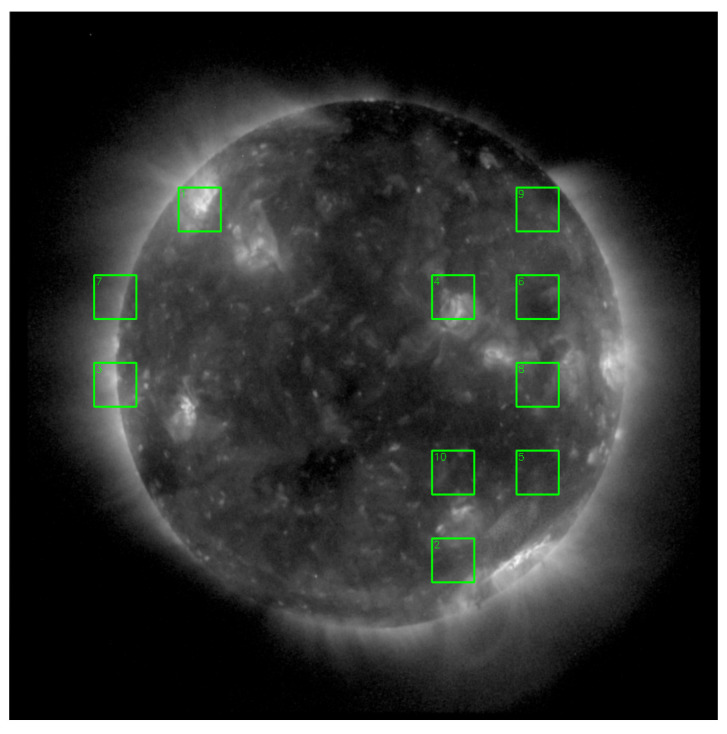 Figure 1
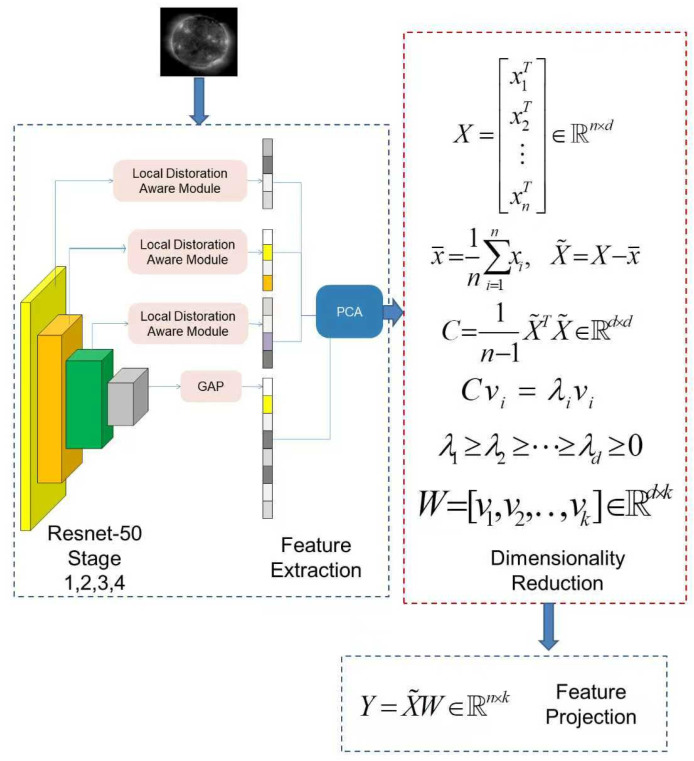 Figure 2
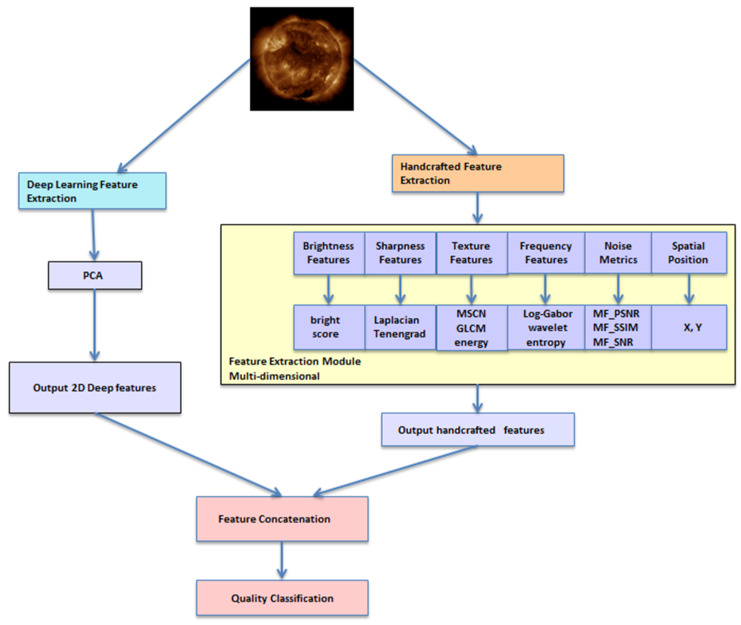 Figure 3
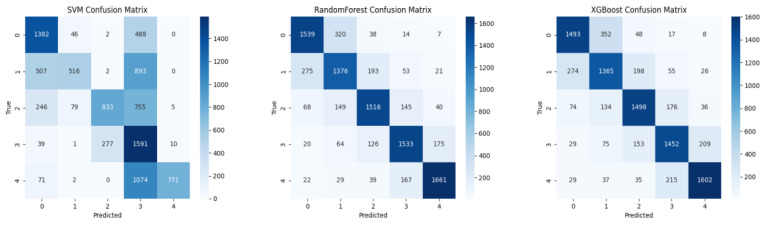 Figure 4
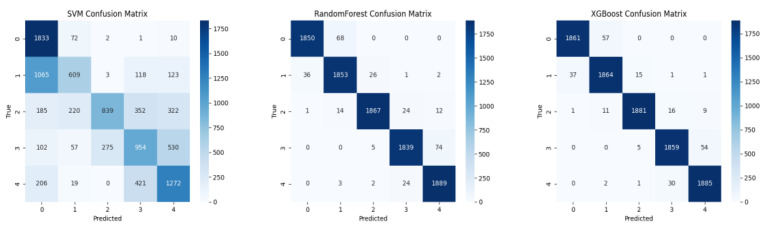 Figure 5
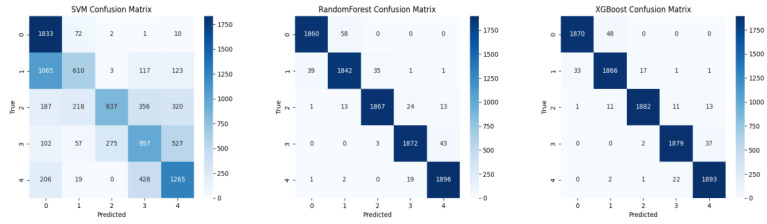 Figure 6
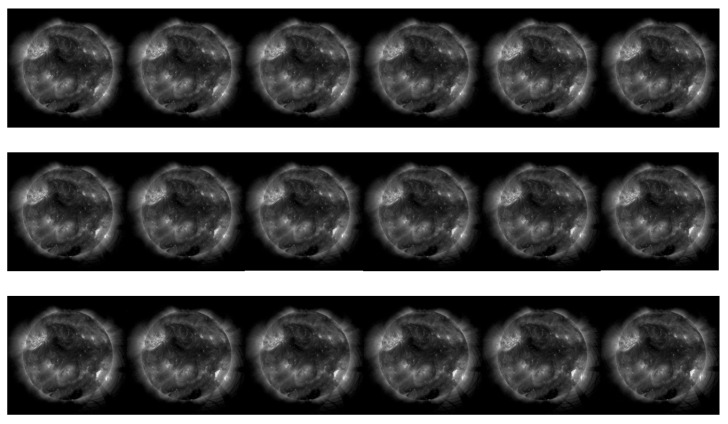 Figure 7
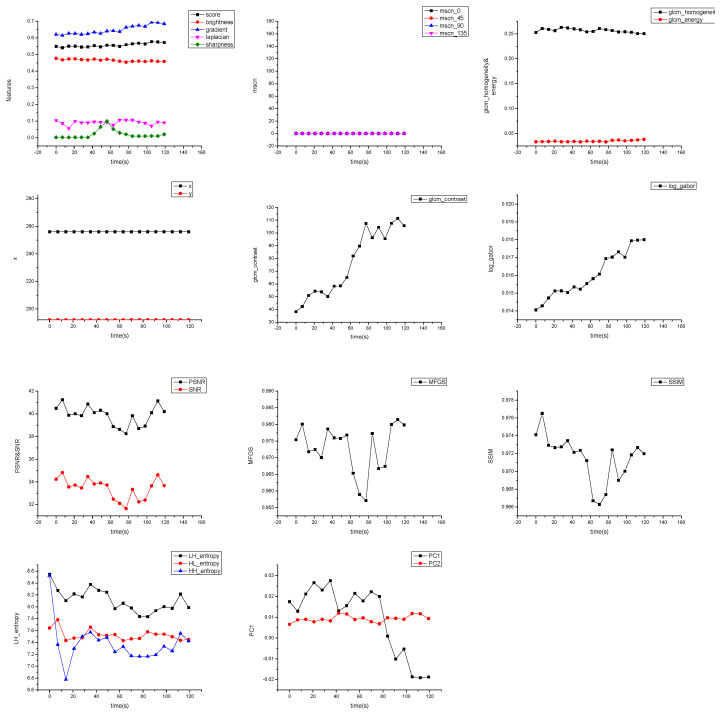 Figure 8
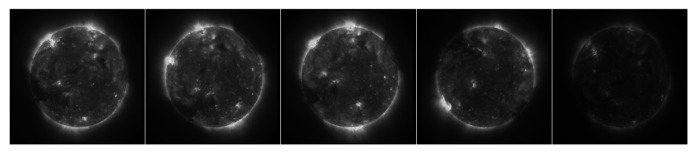 Figure 9
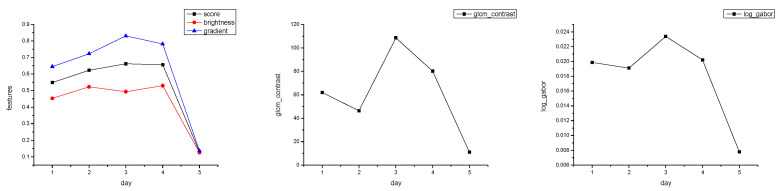 Figure 10
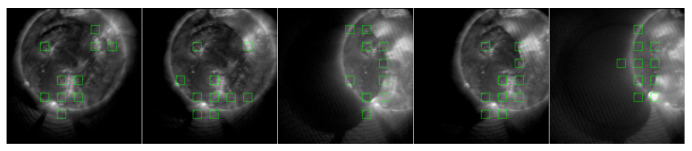 Figure 11
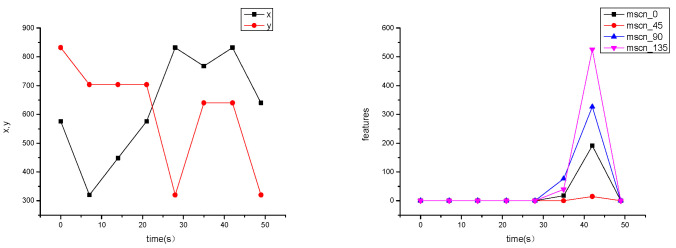 Figure 12
Peer Reviews
No public reviews on file for this paper yet. If you reviewed it on a platform where reviews are public (OpenReview, ICLR, NeurIPS, ICML), you can paste yours below so the community can read it here.
Videos
No videos yet. Explain this paper in a talk, walkthrough, or lecture? Add one.
Taxonomy
TopicsAdvanced Image Fusion Techniques · Infrared Target Detection Methodologies · Image Enhancement Techniques
1. Introduction
Imaging in the solar Extreme Ultraviolet (EUV) band provides an indispensable observational window into the dynamic processes of the solar atmosphere, enabling critical investigations of space weather drivers such as coronal mass ejections (CMEs) and solar flares [1,2,3]. The Extreme Ultraviolet (EUV) solar telescope, operating in the high-photon-energy EUV band and often using relatively long exposure times, is particularly susceptible to image degradations caused by factors such as scattered contamination particles, mirror surface roughness, platform instability, and increased detector noise [4]. In high-resolution quantitative analyses, such as measurements of coronal loop structures [2], these degradations constitute a critical bottleneck limiting scientific research. Next-generation solar missions, such as Solar Orbiter [5] and Parker Solar Probe [6], and spacecraft on deep-space missions (e.g., spacecraft operating near the Sun-Earth L5 point or on solar orbital trajectories) [7,8] produce a huge amount of data. Their high-resolution imagers take pictures of the Sun very frequently. Over months or years, the total data easily reaches terabytes to petabytes. This creates big challenges for analysis. Automated quality checks and efficient processing are essential to keep the data reliable and useful for science. No-reference image quality assessment (NR-IQA) is an essential technology for prioritizing scientifically viable observations without ground-truth references.
However, the deployment of existing NR-IQA techniques in solar contexts reveals fundamental domain adaptation challenges. Statistical approaches exemplified by BRISQUE (Blind/Referenceless Image Spatial Quality Evaluator) [9]—though effective for terrestrial imagery—rely on Generalized Gaussian Distribution (GGD) modeling of locally normalized luminance coefficients. Such priors critically mismatch the radiation physics governing solar EUV imaging, where photon shot noise dominates in low-flux coronal regions and detector point spread functions introduce wavelength-specific blurring artifacts distinct from natural image degradations. Similarly, perceptually motivated methods like VSI [10] fail to capture the scientific saliency of solar features; for instance, their saliency maps often overlook off-limb coronal structures while overemphasizing photospheric granulation patterns irrelevant to coronal physics.
Meanwhile, deep learning-based alternatives [11,12,13,14,15,16], such as HyperIQA [17] and attention-based architectures [18,19], face complementary limitations. Although their content-adaptive networks provide strong nonlinear representation capabilities, GAN-based methods—e.g., the approach proposed by Jarolim et al. [20], which detects anomalies in solar H-alpha filtergrams via image reconstruction and deviation measurement—still rely heavily on large-scale annotated datasets, which are scarcely available in heliophysics.
In contrast, physics-driven quality metrics [21,22,23,24,25], such as the variance of Laplacian (VL) [25], median filter gradient similarity [21], and perceptual measures [24], are widely used to quantify image sharpness. For example, So et al. employed the VL method to assess the clarity of optical solar images [25]. These approaches offer clear physical interpretability but encounter significant challenges in EUV limb observations, where complex edge structures hinder reliable extraction.
Overall, deep learning methods exhibit superior performance but are constrained by data scarcity and their “black-box” nature, whereas purely physics-based approaches provide interpretability but often fail to capture subtle degradations characteristic of coronal imaging. Moreover, deep learning approaches require large-scale expert-labeled datasets, which are fundamentally at odds with typical solar physics practice. Consensus labeling of EUV image quality remains exceptionally challenging due to the following: (1) instrument-specific artifact profiles across different missions, (2) evolving scientific priorities for various solar features, and (3) the lack of standardized degradation metrics tailored to coronal studies. Consequently, directly transferring natural image quality assessment (QA) models to solar EUV images risks mischaracterizing physically significant distortions as negligible noise.
To address these challenges, this study aims to develop and validate a robust and automated quality assessment framework for solar EUV images. The framework is designed to combine deep semantic features with physics-driven statistical features specifically tailored for solar EUV data. In addition, it utilizes a large-scale, realistic simulation dataset based on real solar observations for model training and evaluation. An efficient machine learning classifier is identified to enable potential on-orbit deployment, and the model’s effectiveness is further verified using real on-orbit data, with results interpreted from a solar physics perspective.
To overcome these dual challenges of physical incompatibility and the scarcity of large, expertly annotated solar training datasets, we introduce a hybrid assessment framework that effectively combines deep semantic representations with solar-specific physical diagnostics. Our framework combines deep features with physics-based solar image features. Deep features are patterns that a neural network learns automatically from raw pixel data. They capture complex shapes, structures, and textures in solar images. Handcrafted features, on the other hand, are designed manually using domain knowledge and image processing methods. They include simple measures of texture, sharpness, and noise and directly describe physical properties of solar EUV images. Our method uses the 19.5 nm channel of the Fengyun-3E Solar X-ray and Extreme Ultraviolet Imager (X-EUVI) [26] and introduces two key innovations. First, we use a KonIQ-10k [27] pretrained network as a feature extractor, capturing high-level structural patterns without retraining the entire network. Second, we add physics-based quality metrics that focus on active regions, measuring magnetic feature preservation and thermal signature integrity. By combining these two types of features in a single feature space, our model can perform domain-adaptive quality assessment on labeled solar images.
The objective of this study was to describe and validate a novel method for automatic classification of the quality of solar EUV images.
2. Materials and Methods
2.1. Data Acquisition from the Detector
The data used in this paper is primarily from the Solar X-ray and Extreme Ultraviolet Imager (X-EUVI) on board the Fengyun-3E (FY-3E) satellite. Since the X-EUVI began its on-orbit operation on 11 July 2021, it has successfully acquired a large volume of solar images and some solar irradiance data. The instrument observes the Sun across multiple channels, including the 19.5 nm extreme ultraviolet (EUV) band and six X-ray channels with wavelength ranges of 0.6–8.0 nm (X1), 0.6–6.0 nm (X2), 0.6–5.0 nm (X3), 0.6–2.0 nm (X4), 0.6–1.6 nm (X5), and 0.6–1.2 nm (X6). These channels probe different temperature regimes of the solar corona, providing a comprehensive view of solar activity and enabling detailed diagnostics of coronal structures and events. The key technical specifications of the back-illuminated CCD detector used by the X-EUVI instrument are summarized in Table 1. It is important to note that these specifications describe the detector itself, which is sensitive to a range of EUV wavelengths. This particular study, however, focuses exclusively on data from the 19.5 nm observation channel.
To ensure the scientific integrity and accuracy of the data, the raw detector data undergoes strict on-orbit processing before release, including geometric correction (to compensate for image deviations caused by attitude changes), noise and dark current removal (subtracting dark frames and suppressing noise), and flat-field calibration (correcting position-dependent detector response to ensure uniform image brightness). After this processing, the data can be used to generate a continuous series of full-disk solar images.
2.2. Dataset and ROI Selection Strategy
2.2.1. Image Degradation Simulation and Labeling
The original high-quality FY-3E images are considered “Excellent”. The degradation parameters were designed based on typical quality issues observed in FY-3E solar EUV images, including optical defocus, telescope jitter, detector noise, and local overexposure caused by solar activity. The kernel sizes, noise levels, and overexposure intensities were chosen to realistically simulate the range of conditions encountered during on-orbit observations.
To construct a training and evaluation dataset, we applied seven types of typical degradations, each with five levels (L1–L5), ranging from mild to severe. All kernel sizes and standard deviations are expressed in pixels (px). The seven degradation types are summarized in Table 2.
Through this approach, degraded images corresponding to four quality levels (“Good”, “Moderate”, “Poor”, and “Very Poor”) were generated from the original “Excellent” images, providing a rich and controllable dataset for model training and evaluation. In total, a large-scale dataset of 47,950 images was constructed. Each image was labeled according to a five-level quality standard (Excellent, Good, Moderate, Poor, Very Poor), which served as the target classes for our classification task. The dataset was then split into training and testing sets with an 80%/20% ratio. All images were collected from the 19.5 nm band of the X-EUV imager aboard the FY-3(05) satellite.
2.2.2. Implementation Details
The experiments were conducted on a workstation equipped with an NVIDIA RTX 4060 GPU, a CPU with sufficient computational capacity, and 8 GB of RAM. The software environment includes Python 3.9 and PyTorch version 2023.3.4.
In this experiment, we employed three classical machine learning models for a multi-class classification task: SVM, XGBoost, and Random Forest. For SVM (SVC), probability = True was set to enable probability predictions, and random_state = 42 was fixed, while all other parameters were left at their default values, including the radial basis function (RBF) kernel and unlimited iterations. For XGBoost (XGBClassifier), use_label_encoder = False, eval_metric = ‘logloss’, and random_state = 42 were specified; the learning rate was set to 0.3, the number of trees to 100, and the maximum depth to 6, with all other parameters kept at their defaults. For Random Forest (RandomForestClassifier), only random_state = 42 was set, using the number of trees (100) and unlimited depth. The fixed random seed ensured the reproducibility of the experiments.
In this experiment, we employed three classical machine learning models for a multi-class classification task: SVM, XGBoost, and Random Forest.
Model performance was evaluated using standard metrics including Accuracy, Precision, Recall, F1-score, and AUC (Area Under the Receiver Operating Characteristic Curve). For multi-class classification, Precision, Recall, and F1-score are calculated for each class and then averaged to provide an overall performance measure.
2.2.3. ROI Selection Strategy
To focus on the most informative parts of the image, we designed an adaptive Region of Interest (ROI) selection strategy. The 1024 × 1024 solar image is divided into 64 × 64 patches. Only patches within the central solar disk are considered. A composite score balancing brightness and gradient is calculated for each patch, and the top 10 patches are selected as ROIs. The process is illustrated in Figure 1.
Brightness score. For patch i, the brightness score is defined as
where |P_k_| = 64 × 64 is the number of pixels in the patch.
Sharpness score. Sharpness is evaluated via the mean gradient magnitude:
where I_x_, I_y_ are Sobel operators.
Composite ROI score. To balance brightness and sharpness, a weighted composite score is defined:
where α = 0.3 controls the balance between brightness and sharpness, and B_k_, S_k_ are normalized values across all patches. Finally, the top k = 10 patches with the highest R_k_ are selected as ROIs.
2.3. Feature Extraction and Fusion
2.3.1. Deep Learning Feature Extraction
To capture high-level semantic information, we employed the backbone network of HyperIQA [17] for deep feature extraction. Specifically, a ResNet-50 architecture [28] pretrained on the KonIQ-10k dataset [27] was used to produce a 112-dimensional global content feature vector, denoted as f_c_, for each EUV image. This feature vector represents structural and perceptual quality characteristics.
To reduce dimensional redundancy, Principal Component Analysis (PCA) [29] was applied to f_c_. The top two principal components, explaining more than 95% of the cumulative variance, were retained as the final deep features. This process is illustrated schematically in Figure 2.
2.3.2. Handcrafted Physical–Statistical Features
Complementary to deep features, we designed a set of 22 handcrafted features to quantify the physical and statistical quality attributes of solar EUV images. These features were derived from multiple perspectives, including brightness statistics, sharpness measures, textural properties, noise/fidelity indicators, frequency responses, and spatial descriptors. The categories and representative features are summarized in Table 3. For a complete description of the 22 handcrafted features, including formulas, physical interpretations, and references, see Appendix A.
2.3.3. Feature Fusion and Classification
To validate the complementarity of the extracted features, three comparative experimental settings were designed:
Deep features only (2-dimensional, PCA-reduced);
Handcrafted features only (22-dimensional);
Fused features (24-dimensional), constructed by concatenating the deep and handcrafted feature vectors.
The three feature sets were evaluated using representative machine learning classifiers: Support Vector Machine (SVM) [38], XGBoost [39], and Random Forest [40]. The complete pipeline for feature extraction, fusion, and classification is presented in Figure 3.
3. Results
3.1. Performance Analysis
The performance of different feature–classifier combinations was systematically evaluated, and the results are summarized in Table 4.
The results indicate that the XGBoost classifier combined with fused features achieved the highest performance, with an accuracy of 97.91% and an AUC of 0.9992. Handcrafted features alone also yielded strong results with tree-based classifiers, achieving 97.50% accuracy using XGBoost. Deep features alone provided moderate performance, with Random Forest achieving 79.51% accuracy. SVM consistently exhibited lower performance across all feature sets.
The confusion matrices using each feature set are presented in Figure 4, Figure 5 and Figure 6.
3.2. Feature Analysis
The dominance of handcrafted physical features is unequivocal: with XGBoost, the 22 solar-specific metrics alone achieved 97.50% accuracy, underscoring their capacity to encode fundamental coronal quality determinants—from active region texture integrity to off-limb sharpness degradation. This exceptional performance confirms that solar EUV image quality can be effectively quantified through physics-driven metrics. These metrics are designed to capture critical quality determinants such as the integrity of thermal signatures during flares. They also capture the presence of instrument-specific noise patterns in coronal holes. Although feature fusion yielded a marginal accuracy gain (0.41%), this increment proves operationally critical. As Figure 6 verifies, fused features improved the recall for the ‘Very Poor’ class (Level 5) (these images are typically considered scientifically unusable) recall by 0.42% (98.2% → 98.6%), directly enhancing downstream data utility for flare forecasting pipelines. This precision in identifying irrecoverably degraded images is paramount for downlink optimization, preventing bandwidth waste on unusable data, event detection, ensuring viable CME/flare analysis frames, long-term monitoring, and maintaining calibration consistency.
3.3. Ablation Study
To evaluate the contribution of different features in the FY-3E X-EUV 19.5 nm image quality assessment task, we conducted ablation experiments using the XGBoost classifier and reported the classification results for the five quality levels (L1–L5).
Deep Features (HyperIQA PCA 2D): The overall accuracy was 77.3% with an F1 score of 0.773. The per-class accuracy indicates notable confusion in the middle levels (L2–L4). For instance, approximately 14.5% of L2 samples were misclassified as L1, and about 10.8% of L4 samples were misclassified as L5, suggesting that deep features alone are insufficient to effectively distinguish intermediate quality levels.
Handcrafted Features (22D): The overall accuracy increased significantly to 97.5% with an F1 score of 0.975. All classes exhibited stable performance, with almost no confusion among L2–L4. For example, the misclassification rate of L3 was below 1%, while L4 had a small portion misclassified as L5 (~2.8%). These results indicate that the handcrafted physical–statistical features possess strong discriminative power for image quality assessment.
Fused Features (22 + 2D): The overall accuracy further improved to 97.9% with an F1 score of 0.979. The fused features achieved noticeably better classification performance for the intermediate levels. For example, misclassifications in L3–L4 were further reduced, and the misclassification rate of L5 decreased to about 1.1%. This demonstrates that combining deep and handcrafted features can effectively exploit complementary information, thereby enhancing XGBoost’s discriminative ability across all image quality levels.
In summary, the ablation study shows that handcrafted features dominate the FY-3E image quality assessment task, while the addition of deep features further improves the classification of intermediate levels, achieving more precise five-level quality prediction.
3.4. On-Orbit Measurement Verification and Solar Physics Interpretation
To validate the applicability and physical relevance of the proposed image quality assessment framework in actual space observation missions, this paper selects and analyzes image data from the 19.5 nm channel of the X-EUVI instrument aboard the Fengyun-3E (FY-3E) satellite. This section not only tests the model’s evaluation capability on real images but also explores the potential impact of image degradation on solar physics observations.
3.4.1. Normal Observation Images and Stable Physical Features
Figure 7 displays a sequence of routine observation images with no significant distortion, all of which were predicted as Grade 1 quality. Figure 7 shows the physical feature curves extracted from this image sequence, including mean brightness, contrast, Mean Subtracted Contrast Normalized (MSCN) consistency, and log-Gabor response, all of which remain relatively stable. In this type of image, active region structures are clear, and details of coronal loops and bright points are rich, making them suitable for Differential Emission Measure (DEM) temperature inversion and magnetic field evolution analysis. The image quality assessment model successfully identified these high-quality images, demonstrating its capability to preserve scientifically valid data.
From Figure 8, it can be observed that the mean brightness of the image sequence is fundamentally stable throughout the observation period with minimal fluctuation, indicating a good exposure status of the imager and no significant solar irradiation changes. The image contrast also remains at a relatively uniform level, suggesting that the image edges are sharp and there is no obvious degradation in structural acuity.
The experimental results indicate that the image quality metrics exhibit only minor fluctuations, as shown in Table 5.
Further observation reveals that although the MSCN consistency coefficient is generally stable, it exhibits slight fluctuations. This may be related to changes in local image texture density during the observation process, such as dynamic evolution of structures at the edges of active regions causing local texture variations. The log-Gabor energy shows minor fluctuations, which is presumed to be associated with short-term changes in localized bright areas (e.g., coronal bright spots, faint pre-flare structures). However, the overall trend does not show a systematic decline, indicating that the images still retain key mid-to-high frequency texture structures. The observed increasing trends in GLCM-contrast and log-Gabor energy suggest a progressive enhancement in the structural richness and high-frequency content of the image sequence, which may indicate intensified solar activity or improved imaging clarity. However, the potential influence of noise should also be considered.
In summary, all physical features of this image set demonstrate strong consistency and stability, confirming that their image quality is at an optimal level. They possess the capability to fully preserve high-value information such as solar coronal structures and active region contours, supporting their use in scientific-grade data analysis tasks like DEM temperature reconstruction and magnetic flux evolution studies.
3.4.2. Exposure Variation and Image Photometric Attenuation
Figure 9 presents a sequence of images showing brightness attenuation caused by changes in exposure parameters. The images correspond to exposure times of 2400 ms, 3600 ms (×3), and 800 ms, with predicted quality grades of 2, 2, 2, 2, and 3, respectively. Figure 10 shows the corresponding extracted physical features, where brightness and contrast decrease significantly. By comparison with GOES X-ray flux data and ruling out flare events, it is further inferred that the signal attenuation may be caused by imager aging or filter contamination. This type of degradation could affect the detection and classification of faint active regions, thereby impacting the a priori judgment of flare eruptions.
3.4.3. Field-of-View Deviation
Figure 11 showcases a set of on-orbit images where the sun has deviated from the center of the field of view. The predicted quality grades are 1, 1, 1, 1, and 2. This phenomenon occurs because the satellite’s three-axis attitude cannot maintain a stable alignment with the sun at certain times due to orbital constraints. The model did not significantly lower its quality score, primarily because global offset types of distortion were not introduced into the training set, and the Region of Interest (ROI) selection was focused on local areas.
In Figure 12, supplementary features we extracted—ROI coordinate changes and MSCN fluctuations—exhibit drastic jumps within a very short period (50 s). In comparison with the spatial location of the ROI and MSCN in Figure 8, this is distinct from the change cycle of coronal activity and suggests the possible existence of platform thermal deformation or mechanical pointing anomalies.
3.5. Cross-Dataset Validation Considerations
It should be noted that, to date, there is no publicly available EUV image dataset with systematically annotated degradation levels. The solar dynamics observatory atmospheric imaging assembly (SDO/AIA) [41] subsets (e.g., 193 Å) mainly consist of standard-calibrated high-quality observations and lack annotations for degradation levels or quality metrics, making them unsuitable for direct cross-dataset validation. In addition, images from SDO/AIA wavelengths exhibit highly consistent instrument characteristics, spatial resolution, and preprocessing procedures. Therefore, a model trained on one subset is expected to show limited performance variation on other subsets. Based on these considerations, the experiments conducted in this study are sufficient to demonstrate the robustness and generalization capability of the proposed model.
4. Discussion
Our analysis demonstrates that the proposed hybrid feature-fusion framework provides a robust and practical approach for assessing solar EUV image quality. Handcrafted, physics-driven features achieved high accuracy, while the integration with deep semantic features offered a modest yet meaningful improvement, capturing structural patterns that may be overlooked by purely physical metrics. The choice of classifier further enhanced performance: XGBoost outperformed SVM in both accuracy and inference speed, making it particularly suitable for near real-time on-orbit deployment. On-orbit validation confirmed that the model can reliably distinguish high-quality observations from degraded images caused by operational factors.
Previous studies have explored deep learning-based methods and physics-driven quality metrics [6,33,34,35,36,37,38,39,40,41], which face limitations in data availability, interpretability, or performance on EUV limb observations. In contrast, our hybrid feature-fusion approach achieves high accuracy while maintaining physical interpretability and computational efficiency.
The proposed method works well for extracting local image features and assessing degradation, but it is not sensitive to global shifts. If an image is systematically translated or rotated, the model may not capture the overall position change, which can affect some quality metrics or physical measurements. The current method also analyzes single frames and does not fully use temporal information from multiple frames, which may limit its performance on fast-changing or transient events. Future work could include adding global alignment or shift compensation, such as image registration or Spatial Transformer Networks (STNs), and using multi-frame temporal modeling with LSTM or Transformer to analyze consecutive frames and improve robustness to global shifts and transient changes.
5. Conclusions
This study successfully developed and validated a novel framework for solar EUV image quality assessment by fusing deep semantic features with domain-specific, physical–statistical features. This hybrid approach, particularly when paired with an XGBoost classifier, achieved good performance with 97.91% accuracy. While well-designed handcrafted features are extremely powerful, their fusion with deep features provides a crucial performance boost, especially in identifying the most severely degraded images. This work provides an effective and robust solution for the automated quality classification of massive solar datasets, holding significant promise for operational space weather forecasting and future deep space missions.
The reference list from the paper itself. Each links out to its DOI / PubMed record.
- 1Benz A.O. Flare observations Living Rev. Sol. Phys.201714210.1007/s 41116-016-0004-3PMC 484118327194959 · doi ↗ · pubmed ↗
- 2Temmer M. Space weather: The solar perspective Living Rev. Sol. Phys.202118410.1007/s 41116-021-00030-3 · doi ↗
- 3Yashiro S. Gopalswamy N. Michalek G. St. Cyr O.C. Plunkett S.P. Rich N.B. Howard R.A. A Catalog of White Light Coronal Mass Ejections Observed by the SOHO Spacecraft J. Geophys. Res. Space Phys.2004109 A 0710510.1029/2003 JA 010282 · doi ↗
- 4Ben Moussa A. Gissot S. Schühle U. Del Zanna G. Auchere F. Mekaoui S. Jones A.R. Dammasch I.E. Deutsch W. Dinesen H. On-orbit degradation of solar instruments Sol. Phys.201328838943410.1007/s 11207-013-0290-z · doi ↗
- 5Müller D. St. Cyr O.C. Zouganelis I. Gilbert H.R. Marsden R. Nieves-Chinchilla T. Antonucci E. Auchere F. Berghmans D. Horbury T.S. The Solar Orbiter mission—Science overview Astron. Astrophys.2020642 A 110.1051/0004-6361/202038467 · doi ↗
- 6Raouafi N.E. Matteini L. Squire J. Badman S.T. Velli M. Klein K.G. Chen C.H.K. Whittlesey P.L. Laker R. Horbury T.S. Parker Solar Probe: Four years of discoveries at solar cycle minimum Space Sci. Rev.2023219810.1007/s 11214-023-00952-4 · doi ↗
- 7Zhu Z.M. Leng X.Y. Guo Y. Li C. Li Z. Lu X. Huang F. You W. Deng Y. Su J. Research on the principle of multi-perspective solar magnetic field measurement Res. Astron. Astrophys.20252504501110.1088/1674-4527/adc 5e 2 · doi ↗
- 8Deng Y. Zhou G. Dai S. Wang Y. Feng X. He J. Jiang J. Tian H. Yang S. Hou J. Solar Polar Orbit Observatory Sci. Bull.20236829830810.1360/TB-2022-0674 · doi ↗