Four New Pinnularia Ehrenberg Species (Bacillariophyta) from Urban Freshwater Streams in South Korea
Yuyao Li, Weihan Wang, Byeong-Hun Han, Su-Ok Hwang, Baik-Ho Kim

TL;DR
Four new species of Pinnularia diatoms were discovered in urban freshwater streams in South Korea, expanding our understanding of diatom diversity in the region.
Contribution
The study introduces four new Pinnularia species and emphasizes the value of urban streams in diatom biodiversity.
Findings
Four new Pinnularia species were identified using a combination of microscopy and molecular data.
Urban streams in South Korea were found to host previously unrecognized diatom diversity.
The study supports the use of polyphasic methods for accurate diatom taxonomy.
Abstract
This study reports the discovery of four novel Pinnularia species—P. latocentra sp. nov., P. rhombocentra sp. nov., P. seouloflexuosa sp. nov., and P. paristriata sp. nov.—from urban freshwater streams in South Korea. Species delimitation was achieved using a polyphasic approach that integrated light and scanning electron microscopy, ecological profiling, and molecular evidence from SSU rRNA and rbcL sequences. Each taxon was confirmed as morphologically and genetically distinct from its closest congeners. Our findings broaden the recognized diversity of Pinnularia in East Asia and demonstrate that urban streams, often regarded as degraded habitats, can harbor hidden diatom diversity and ecological complexity. By clarifying diagnostic traits, validating type material in a recognized repository, and aligning molecular and morphological evidence, this study contributes to a more robust…
Genes, proteins, chemicals, diseases, species, mutations and cell lines named across the full text — each resolved to its canonical identifier and authoritative record.
Click any figure to enlarge with its caption.
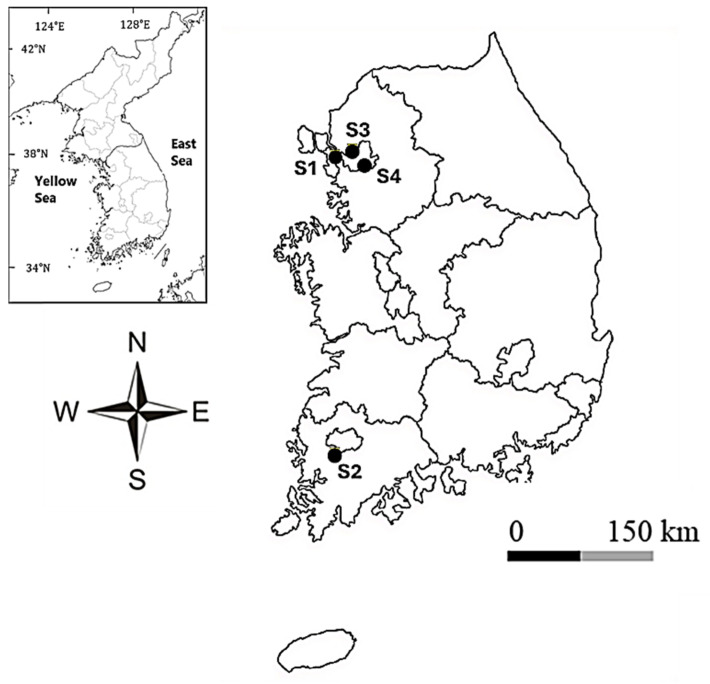 Figure 1
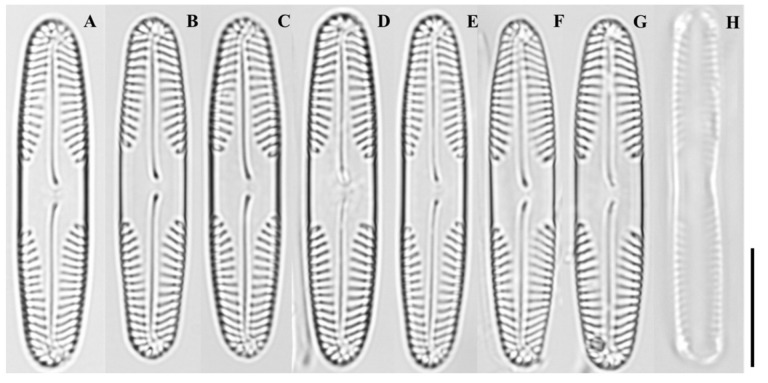 Figure 2
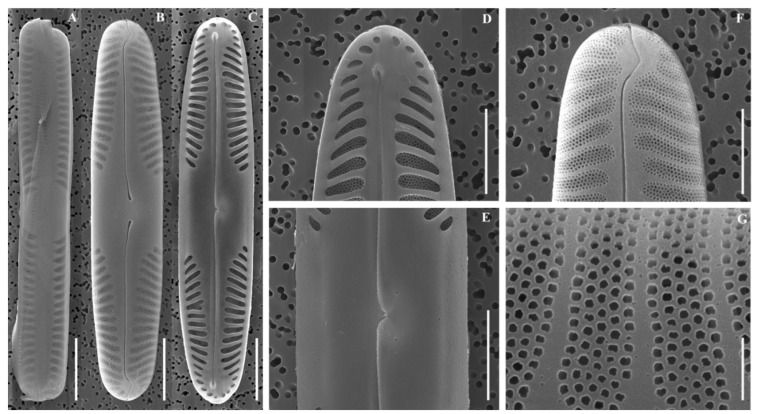 Figure 3
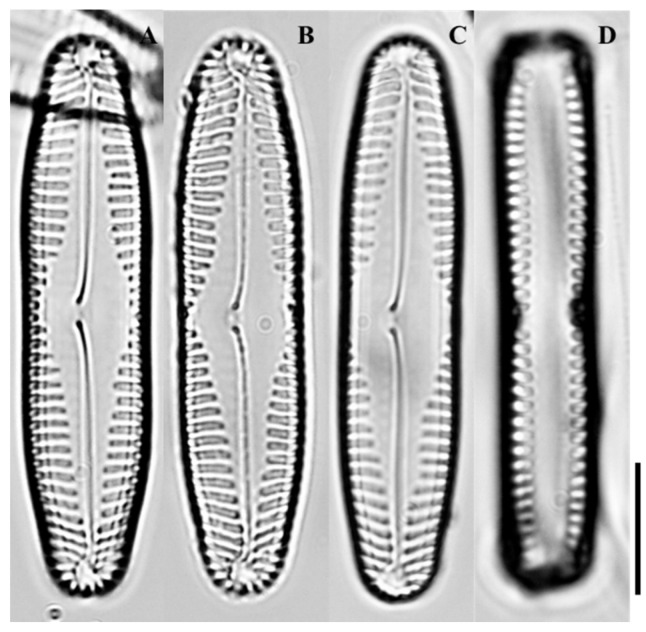 Figure 4
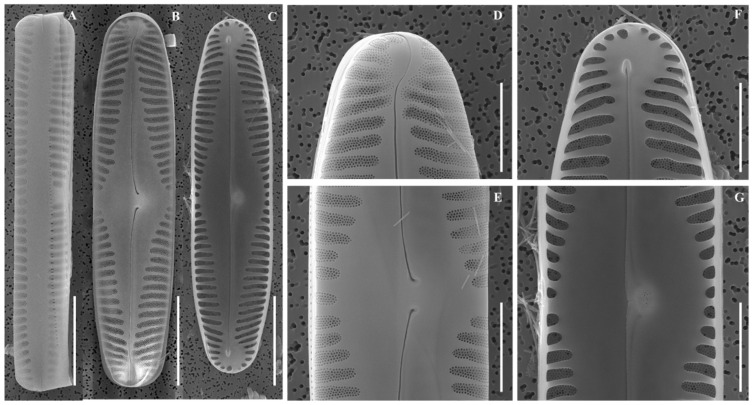 Figure 5
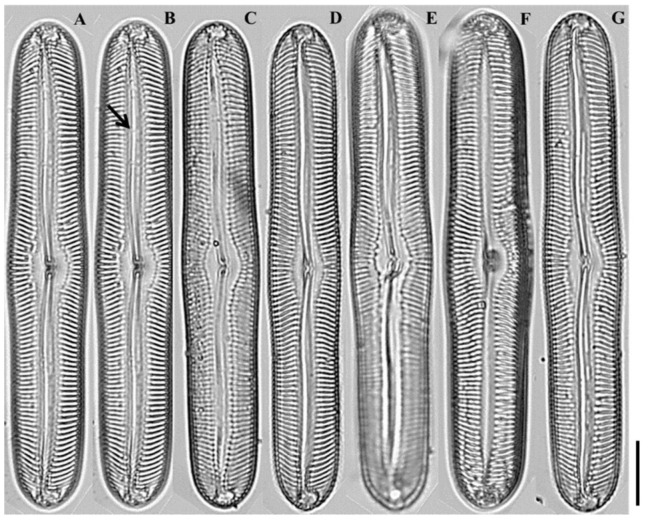 Figure 6
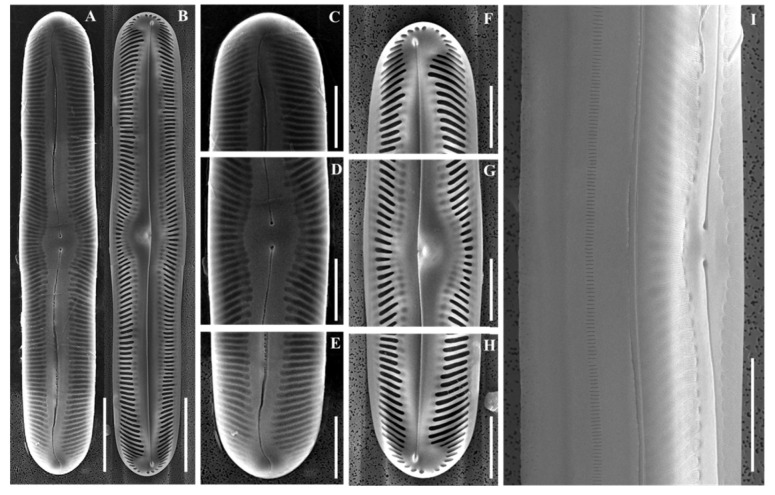 Figure 7
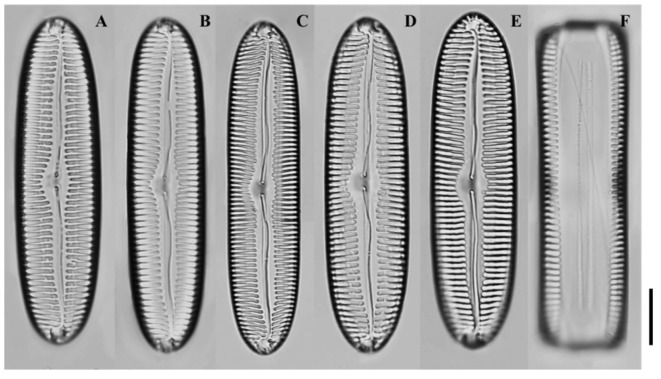 Figure 8
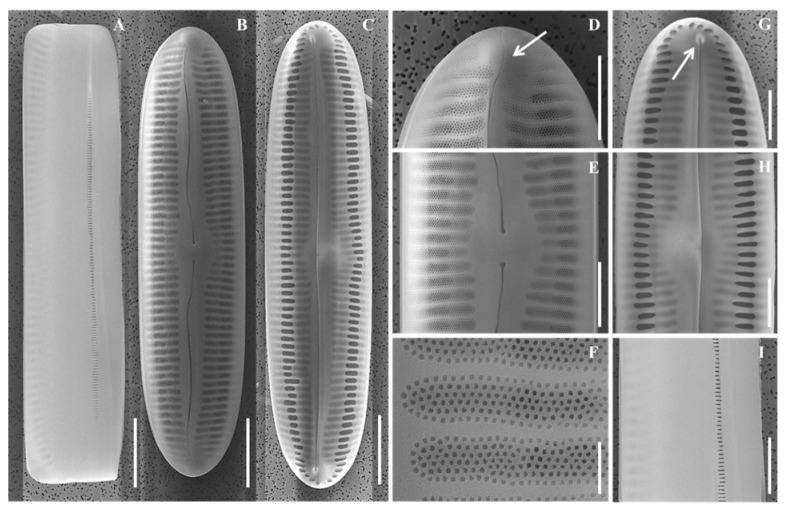 Figure 9
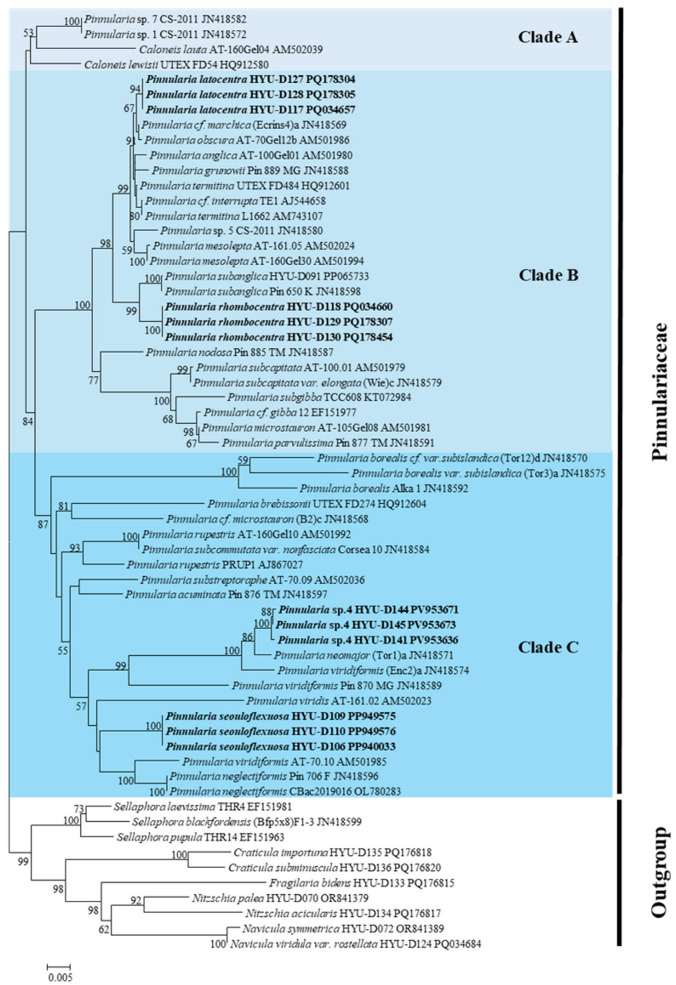 Figure 10
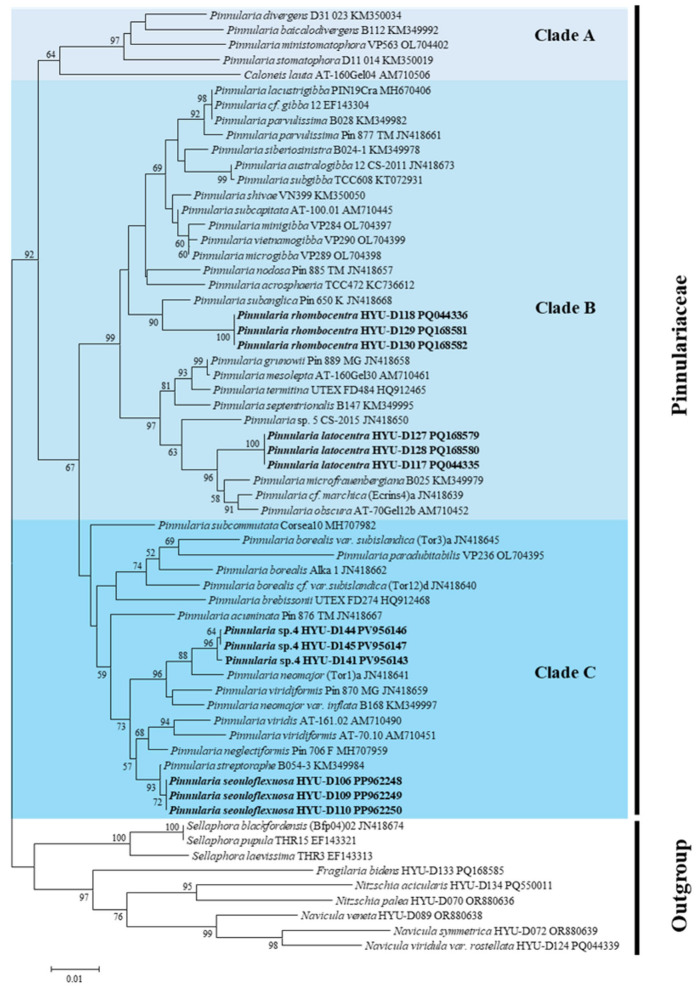 Figure 11
- —National Institute of Biological Resources
Peer Reviews
No public reviews on file for this paper yet. If you reviewed it on a platform where reviews are public (OpenReview, ICLR, NeurIPS, ICML), you can paste yours below so the community can read it here.
Videos
No videos yet. Explain this paper in a talk, walkthrough, or lecture? Add one.
Taxonomy
TopicsDiatoms and Algae Research · Microbial Community Ecology and Physiology · Marine Biology and Environmental Chemistry
1. Introduction
Diatoms (Bacillariophyta) represent one of the most diverse and ecologically significant algal lineages, with over 100,000 estimated species worldwide. They are key contributors to global primary production, silica cycling, and climate regulation, while their siliceous frustules provide a robust foundation for taxonomy, bioassessment, and paleoenvironmental reconstruction [1,2,3,4,5]. Their short generation times and sensitivity to physicochemical gradients make them indispensable bioindicators in both lentic and lotic ecosystems [6,7,8,9].
Among diatoms, the genus Pinnularia Ehrenberg is especially noteworthy for its global distribution, ecological versatility, and long-standing taxonomic complexity. According to AlgaeBase [5], the genus currently comprises about 880 accepted species, though many additional names have been historically proposed [10]. Importantly, Pinnularia species are not confined to freshwater habitats; they also occur in marine and terrestrial environments [11]. They inhabit diverse climates and substrate types, ranging from glacial meltwaters to highly eutrophic or anthropogenically disturbed rivers [12,13,14]. Some taxa, such as P. borealis and P. viridiformis, are cosmopolitan, while others are restricted to acidic, high-altitude, or polar systems [15,16,17]. This combination of broad distribution and ecological specialization has complicated species delimitation, particularly in the absence of integrative approaches [18].
In South Korea, diatom research has historically emphasized alpine wetlands, reservoirs, and forested mountain streams, yielding records of approximately 40–60 Pinnularia taxa [19,20,21]. However, these estimates likely underrepresent actual diversity, because urban and peri-urban streams remain comparatively underexplored despite Korea’s dense urbanization and hydrological modification of major watersheds such as the Han, Nakdong, and Yeongsangang Rivers. Urban streams, subject to nutrient enrichment, conductivity shifts, and sedimentation from impervious runoff and weir regulation, may act as both ecological filters and evolutionary hotspots, fostering overlooked or specialized diatom lineages [22,23,24].
Recent methodological advances have facilitated more rigorous taxonomic resolution. Multi-gene phylogenies (e.g., SSU, rbcL) have revealed substantial cryptic diversity within Pinnularia [25,26,27], while scanning electron microscopy (SEM) of valve ultrastructure has refined species-level boundaries and enabled critical reassessment of type material [28,29,30]. Experimental studies on physiology, such as freezing tolerance, and comparative analyses across polar, alpine, and temperate habitats have further underscored the ecological breadth of the genus [3,31]. Together, these approaches highlight the necessity of a polyphasic framework that integrates morphology, molecular data, and ecology in Pinnularia taxonomy [4,32,33,34].
Against this background, the present study describes four novel Pinnularia species—P. latocentra sp. nov., P. rhombocentra sp. nov., P. seouloflexuosa sp. nov., and P. paristriata sp. nov.—based on monoclonal strains isolated from urban freshwater streams across South Korea. By combining LM, SEM, molecular markers (SSU, rbcL), and ecological profiling, we aim to contribute not only to the refinement of regional taxonomic inventories but also to a broader understanding of how anthropogenically influenced habitats sustain hidden diatom diversity and inform bioindicator development.
2. Results
This section presents the morphological, ecological, and phylogenetic characteristics of four novel species of the genus Pinnularia—P. latocentra sp. nov., P. rhombocentra sp. nov., P. seouloflexuosa sp. nov., and P. paristriata sp. nov.—isolated from urban and peri-urban freshwater streams across the Korean Peninsula (Figure 1). Detailed observations were conducted using light microscopy (LM) and scanning electron microscopy (SEM), and molecular analyses were based on the SSU and rbcL gene sequences. Diagnostic morphological traits, ecological preferences, and phylogenetic positions were provided for each taxon, along with comparisons with morphologically similar species.
For clarity, we note that GenBank accession numbers (rbcL, SSU rDNA) represent DNA sequence records registered in NCBI (National Center for Biotechnology Information, USA). Deposition Numbers (DN) indicate type materials—permanent slides and living cultures—preserved at KCTC (Korean Collection for Type Cultures, KRIBB, Jeongeup, Korea). Holotypes are designated as permanent slides and cultures at KCTC; isotypes are duplicate slides and cultures derived from the same original strains, also preserved at KCTC. Ex-type strains (living cultures corresponding to type material) are maintained at KCTC under the same accession numbers. Laboratory duplicates of all strains are preserved at Hanyang University (HYU, Seoul, Korea), but these are not name-bearing types.
A summary of the site-specific environmental conditions, GenBank accession numbers, and type material deposition is presented in Table 1.
2.1. Pinnularia latocentra Y. Li & B.H. Kim, sp. nov.
Diagnosis: Valves linear to linear-elliptical with nearly parallel sides, slightly concave at the mid-region, and broadly rounded apices. Length 29.3–31.3 µm, width 5.55–6.76 µm (wild and cultured material). Axial area narrowly lanceolate, expanding asymmetrically into a broad fascia. Striae finely punctate, weakly radiate at the center and slightly convergent toward the apices, 14–16 in 10 µm.
Description (Table 2).
LM (Figure 2A–H): Valves linear to linear-elliptical, with a distinctly broad, asymmetrical central fascia. Mid-regions subtly concave; apices broadly rounded. Striae finely punctate, slightly radiate at the center, weakly convergent toward apices.
SEM (Figure 3A–F): Raphe lateral with drop-shaped proximal ends, deflected unilaterally. Terminal fissures hook-shaped externally; raphe internally ending in small helictoglossae. Five alveoli per valve, ghost striae absent.
Type material.
Holotype: KCTC (Korean Collection for Type Cultures, KRIBB, Jeongeup, Korea), permanent slide, accession no. AG61352.
Isotypes: KCTC, duplicate slides and cultures, accession nos. AG61363 (strain WJS230803B5A3) and AG61364 (strain WJS230803B5A4).
Type locality: Hongjecheon, Seoul, South Korea (37°34′03.29″ N, 126°54′57.87″ E).
Etymology: The epithet latocentra derives from the Latin latus (broad) and centrum (center). It refers to the broad, asymmetrical central fascia that is the most characteristic feature of this species, readily distinguishing it from morphologically allied taxa.
Ecology: Found in low-turbidity urban streams with moderate dissolved oxygen (~5.51 mg L^−1^) and neutral to slightly alkaline pH (~6.19).
2.2. Pinnularia rhombocentra Y. Li & B.H. Kim, sp. nov.
Diagnosis: Valves rhombic-lanceolate with broadly rounded ends. Length 31.4–48.2 µm, width 7.0–9.3 µm. Axial area distinctly rhombic, expanded at the center. Central area narrow and slightly asymmetric. Striae radiate throughout, 16–20 in 10 µm.
Description (Table 3).
LM (Figure 4A–D): Valves rhombic-lanceolate with distinct rhombic central area. Apices broadly rounded. Striae radiate across the valve, denser at apices.
SEM (Figure 5A–G): Raphe filiform, externally straight with expanded proximal ends. Terminal fissures slightly deflected. Internally, raphe endings with small helictoglossae. Well-defined alveoli visible.
Type material.
Holotype: KCTC, permanent slide, accession no. AG61353.
Isotypes: KCTC, duplicate slides and cultures, accession nos. AG61365 (strain YSG231115B7A1) and AG61366 (strain YSG231115B7A2).
Type locality: Yeongsan-gang, Gwangju, South Korea (35°00′20.71″ N, 126°44′28.47″ E).
Etymology: The epithet rhombocentra combines the Greek rhombos (diamond-shaped) and Latin centrum (center). It highlights the distinctive rhombic outline of the central area, which is a defining character that separates this taxon from other similar Pinnularia species.
Ecology: Recorded in moderately turbid rivers with higher conductivity (362 µS cm^−1^) and slightly alkaline pH (~7.8).
2.3. Pinnularia seouloflexuosa Y. Li & B.H. Kim, sp. nov.
Diagnosis: Valves distinctly flexuous, linear-lanceolate with capitate ends. Length 147–151 µm, width 19–21 µm. Axial area broad, slightly eccentric; central area fascia-like. Striae weakly radiate at center, parallel to slightly convergent near apices, 14–18 in 10 µm.
Description (Table 4).
LM (Figure 6A–G): Valves linear-lanceolate, distinctly flexuous, apices capitate. Central area fascia-like. Striae weakly radiate at center, convergent near apices.
SEM (Figure 7A–I): Raphe filiform, proximal ends externally expanded, deflected laterally. Terminal fissures hook-shaped. Internally ending in small helictoglossae. Striae uniseriate, areolae elongated transapically.
Type material.
Holotype: KCTC, permanent slide, accession no. AG61340.
Isotypes: KCTC, duplicate slides and living cultures, accession nos. AG61343 (strain HJC230531B3A1) and AG61344 (strain HJC230531B3A2).
Type locality: Hongjecheon, Seoul, South Korea (37°34′03.29″ N, 126°54′57.88″ E).
Etymology: The epithet seouloflexuosa commemorates the type locality (Seoul) and Latin flexuosus (bent, sinuous). It emphasizes the rare flexuous valve outline, a prominent morphological trait within the genus, and reflects its origin in an urban environment.
Ecology: Occurs in moderately warm waters (~25 °C), with very low turbidity (1.2 NTU) and circumneutral pH (~7.6).
2.4. Pinnularia paristriata Y. Li & B.H. Kim, sp. nov.
Diagnosis: Valves linear-elliptical to narrowly lanceolate, apices subrostrate. Length 57.6–75.1 µm, width 13.8–16.5 µm. Axial area narrow to moderately broad, central area fascia-like. Striae parallel to weakly radiate at center, radiate toward apices, 20–24 in 10 µm.
Description (Table 5).
LM (Figure 8A–F): Valves linear-elliptical to lanceolate, apices subrostrate. Central area broad fascia-like. Striae parallel to weakly radiate at center, denser toward apices.
SEM (Figure 9A–I): Raphe lateral, proximal ends expanded, slightly deflected. Terminal fissures hook-shaped. Internally ending in small helictoglossae. Areolae arranged linearly, striae punctate.
Type material.
Holotype: KCTC, permanent slide, accession no. AG61387.
Isotypes: KCTC, duplicate slides and living cultures, accession nos. AG61390 (strain YJC241112B2A1) and AG61391 (strain YJC241112B2A2).
Type locality: Yangjaecheon, Seoul, South Korea (37°29′23.38″ N, 127°03′52.23″ E).
Etymology: The epithet paristriata is derived from Latin para (beside, near) and striata (striated). It refers to the diagnostic pattern of closely spaced, nearly parallel striae that dominate the valve surface.
Ecology: Found in streams with moderate conductivity (~518 µS cm^−1^), slightly alkaline pH (~8.0), and dissolved oxygen around 11 mg L^−1^.
2.5. Phylogenetic Placement
Partial SSU rRNA and rbcL sequences were successfully obtained from all four novel Pinnularia species. Maximum likelihood (ML) analyses based on both markers consistently resolved each species as a distinct and well-supported lineage that was evidently separated from all previously described congeners. These results provide strong genetic evidence that supports the recognition of each taxon as a novel species.
In the SSU rRNA phylogeny (Figure 10), Pinnularia seouloflexuosa clustered with P. neglectiformis and P. viridis, forming a clade with moderate bootstrap support (62%). Despite this proximity, P. seouloflexuosa was separated as an independent lineage from P. neglectiformis and P. viridis with moderate bootstrap support (62%). P. rhombocentra was grouped with P. subanglica and P. nodosa, supported by bootstrap values of 73–79%. Each of these placements indicates that the novel taxa are genetically distinct from their morphologically similar relatives. P. latocentra formed a separate, well-supported branch (bootstrap 81%) adjacent to P. obscura and P. cf. marchica but was readily distinguished by its broad asymmetrical fascia and lack of ghost striae, which are features rarely observed in related taxa. P. paristriata was placed as an independent basal lineage of the P. microstauron complex and P. cf. borealis with high support (bootstrap, 88%), exhibiting evident differentiation.
To complement the SSU rRNA tree, pairwise evolutionary divergences among the 20 closest Pinnularia species were calculated using the Kimura 2-parameter model (Table 6). These values ranged from 0.006 to 0.042 among the new taxa and their nearest relatives, well within the expected interspecific range for diatoms and apparently above the commonly observed intraspecific threshold (<0.005), which is consistent with previous studies establishing molecular divergence thresholds in Pinnularia [15,16,40,41,42].
The rbcL phylogeny (Figure 11) was generally consistent with the SSU results, confirming that each new species occupied a distinct evolutionary position: P. seouloflexuosa (bootstrap, 78%), P. rhombocentra (68%), P. latocentra (64%), and P. paristriata (84%). Pairwise distances based on the rbcL sequences (Table 7) ranged from 0.005 to 0.078. Notably, the smallest observed distance (0.005) was between P. rhombocentra and P. subanglica, whereas other comparisons exceeded 0.02, supporting robust genetic divergence even within the same clade. Together with the SSU results, these data support species-level differentiation and highlight lineage independence.
Full strain names and GenBank accession numbers used in the phylogenetic analyses are provided in Supplementary Table S1, which includes both novel and comparative taxa used in the SSU and rbcL trees. Secondary structure comparisons corresponding to the SSU- and rbcL-based clades are shown in Supplementary Figures S1–S4. Table 1 summarizes the strain type information and site-specific environmental conditions of the four novel species described in this study. The consistent correspondence between molecular data, diagnostic morphology, and ecological preferences reinforces the polyphasic taxonomic framework and highlights the previously undescribed diversity within Pinnularia in urbanized freshwater habitats.
2.6. Distribution and Habitat Preferences
The four novel Pinnularia species described in this study exhibit distinct ecological preferences and habitat specializations across multiple freshwater systems in South Korea, comprising urban, peri-urban, and forested tributaries. Their distributions indicate ecological differentiation through niche partitioning and environmental filtering under varying degrees of anthropogenic and natural disturbance.
P. latocentra was consistently recorded in clear, low-turbidity streams (~3.3 NTU) with neutral to slightly alkaline pH (~7.2) and moderate dissolved oxygen (~9.4 mg/L). Its broad, asymmetrical central fascia and thickened valve walls suggest an adaptation to stable hydraulic regimes and low sediment abrasion.
P. rhombocentra occurred in urban streams subjected to episodic sediment influx with moderate turbidity and conductivity levels. Its rhombic axial area and intermediate striae density (14–15 per 10 µm), combined with distinct alveolation (4–6 alveoli per valve), indicate morphological adjustments to variable flow and sediment regimes.
P. seouloflexuosa dominated eutrophic urban streams characterized by high turbidity (>10 NTU), low dissolved oxygen, and elevated conductivity. Its large size (up to 151 µm), flexuous axial area, and high length-to-width ratio (7.01–7.66) demonstrate tolerance to physicochemical stressors and sediment resuspension.
P. paristriata was isolated from shaded, forested tributaries with slightly acidic pH (~6.8), low conductivity, and minimal anthropogenic influence. It is distinguished by a wide central fascia and short striae, which indicate an adaptation to low-light, low-flow environments.
Collectively, these four Pinnularia species exhibit non-overlapping ecological niches, consistent morphometric adaptation, and evident phylogenetic separation, reinforcing their taxonomic novelty. These findings are concordant with ecological niche partitioning and habitat specialization reported for Pinnularia taxa in contrasting acidic, polar, and eutrophic systems [24,26,30], further supporting the robustness of our conclusions.
3. Discussion
This study establishes an integrative framework for delimiting four novel Pinnularia species—P. latocentra, P. rhombocentra, P. seouloflexuosa, and P. paristriata—from Korean urban streams. By combining LM/SEM-based morphology, ecological profiling, and molecular markers (SSU, rbcL), we highlight the overlooked diversity of this genus in anthropogenically influenced habitats, consistent with findings from underexplored regions [10,12,30,32,36].
Morphological differentiation and taxonomic coherence. Each taxon is morphologically distinct from its closest congeners (Table 2, Table 3, Table 4 and Table 5). Pinnularia latocentra differs from P. microfrauenbergiana and P. siberiosinistra by its broader fascia and absence of ghost striae [12,36]. P. rhombocentra is distinguished from members of the P. parvulissima complex, such as P. subanglica and P. nodosa, by its rhombic central area and radiate striae [10,37,43]. P. seouloflexuosa exhibits a strongly flexuous outline, unlike the straight or weakly curved valves of P. streptoraphe and P. spinifera [10,44,45]. P. paristriata possesses parallel striae and a narrow axial area, separating it from P. viridis and P. viridiformis [34,46]. These differences were observed consistently in both field-collected and cultured material, reinforcing the validity of each species [47].
Molecular corroboration with cautious interpretation. Pairwise divergences in SSU and rbcL sequences (Table 6 and Table 7) exceeded typical intraspecific thresholds for diatoms [20,48]. For example, rbcL distances between Pinnularia rhombocentra and P. subanglica exceeded 0.02, consistent with species-level separation [12,36]. The congruence of LM/SEM traits with molecular discontinuities supports their recognition as distinct taxa, in agreement with recent integrative studies in Pinnularia [12,20,49]. In accordance with reviewer recommendations, the phylogenetic trees (Figure 10 and Figure 11) are presented solely as supporting evidence for species-level distinctiveness, without making inferences about deeper evolutionary relationships.
Ecological and biogeographic context. The four taxa exhibit non-overlapping ecological associations. Pinnularia paristriata was recorded in shaded, oligotrophic tributaries, while P. seouloflexuosa occurred in nutrient-rich, high-conductivity channels. P. latocentra was associated with low-turbidity, moderately conductive streams, and P. rhombocentra occurred in sandy-bottom channels under episodic disturbance. Such niche partitioning parallels patterns reported for specialized Pinnularia in polar, alpine, and tropical ecosystems [11,14,41,50]. Urban rivers may therefore function as reservoirs of cryptic diatom diversity, consistent with observations from East Asia [51], studies of pseudocryptic diversity in Europe [52], and recent surveys in the Damavand River basin, Iran [53].
Implications for taxonomy and biomonitoring. This study emphasizes the necessity of a polyphasic approach in Pinnularia taxonomy [23,49,54]. Morphological convergence and phenotypic plasticity alone have historically confounded species recognition in this genus [10,36,55]. Our findings further underscore the importance of reassessing historical type specimens for taxonomic clarity, as emphasized by Jahn [56] in the rediscovery of the Pinnularia gastrum type specimen. By integrating SEM ultrastructure and molecular markers, we improved diagnostic precision. Furthermore, the habitat fidelity of P. latocentra and P. paristriata suggests their potential as sensitive indicators of conductivity and sediment changes, complementing existing diatom-based biomonitoring frameworks [6,57].
Synthesis. Recognition of Pinnularia latocentra, P. rhombocentra, P. seouloflexuosa, and P. paristriata extends the known diversity of Pinnularia in East Asia and demonstrates that even heavily modified urban streams can harbor novel diatom lineages. By aligning morphology, molecular evidence, and ecology, this study contributes to a conservative yet robust taxonomy and underscores the ecological importance of urban freshwater habitats in sustaining hidden microbial diversity [30,32,58].
4. Materials and Methods
4.1. Study Area and Diatom Isolation
Between May 2023 and November 2024, epilithic diatom samples were collected from four urban freshwater streams in South Korea: Wonjokssan (Seoul), Hongjecheon (Seoul), Yangjaecheon (Seoul), and the Yeongsangang River (Gwangju). These sites represent a range of physicochemical conditions and anthropogenic disturbance, from nutrient-enriched urban channels to moderately impacted mid-gradient river segments (Figure 1; Table S1). At each location, submerged cobbles (ca. 5 × 5 cm) were sampled from shallow flowing areas (<0.3 m depth). Epilithic biofilms were gently brushed from cobble surfaces with sterilized soft-bristle brushes and transferred into sterile 200 mL polypropylene containers partially filled with ambient stream water to preserve cell integrity during transport.
On-site physicochemical parameters—including water temperature (WT), pH, turbidity (Turb), dissolved oxygen (DO), and electrical conductivity (EC)—were measured using a portable multiparameter probe (U-50 Series; HORIBA, Kyoto, Japan). These environmental data were used to characterize the ecological niches of each strain. Twelve clonal strains of the four novel Pinnularia taxa were successfully isolated by micropipette selection under an inverted microscope (IX73, Olympus, Tokyo, Japan) and maintained in WC medium at 20 °C under a 14:10 h light: dark cycle. These clonal isolates were used for morphological, ecological, and molecular analyses [52,59].
4.2. Isolation and Cultivation
Single diatom cells were isolated with fine-tipped glass microcapillaries using an inverted microscope (Eclipse Ts2; Nikon, Tokyo, Japan). Clonal strains were first established in 96-well plates containing Diatom Medium (DM; CCAP formulation) and incubated under controlled conditions (20 °C, 12:12 h light: dark cycle, light intensity 120 µmol m^−2^ s^−1^). After 2–4 weeks of initial growth, cultures were successively transferred to larger volumes (24-well plates, 50 mL flasks). Strains were subcultured every 30–45 days to preserve genetic and physiological stability [60,61].
4.3. Morphological and Ultrastructural Examination
For frustule cleaning, dense culture material was digested with a 1:3 (v/v) mixture of nitric and sulfuric acids at low heat (3–5 min), followed by repeated rinsing with distilled water until neutral pH, following established diatom protocols [62,63]. Cleaned material was mounted in Naphrax^®^ for LM observations using a Nikon Eclipse E600 microscope with a DS-Fi3 digital camera (Nikon Corporation, Tokyo, Japan). For each taxon, at least 60 valves were measured to assess intrapopulation variability. Parameters recorded included valve length, width, central and axial area features, striae and areolar densities, and raphe morphology.
For SEM, frustules were filtered onto 0.2 µm polycarbonate membranes, mounted on aluminum stubs with conductive adhesive, and sputter-coated with platinum. Imaging was conducted with a field-emission SEM (Apreo S, Thermo Fisher Scientific, Waltham, MA, USA) to resolve fine ultrastructural features critical for taxonomic differentiation in Pinnularia (e.g., internal distal raphe ends, areolar occlusions, virgae and vimines) [22,59].
4.4. DNA Extraction and Phylogenetic Analysis
DNA was extracted from actively growing cultures using the DNeasy Plant Mini Kit (Qiagen, Hilden, Germany) with minor modifications to improve lysis of silica-encased cells. Two loci were targeted: nuclear SSU rRNA and plastid-encoded rbcL. PCR was performed with standard primers and conditions (95 °C for 4 min; 35 cycles of 95 °C for 30 s, 56 °C for 30 s, 72 °C for 1 min; final extension 72 °C for 7 min). Products were checked on 1% agarose gels, purified using the QIAquick Gel Extraction Kit (Qiagen GmbH, Hilden, Germany), and sequenced (Bionics, Seoul, Korea). Sequences were assembled, aligned using ClustalW in MEGA7 [64], and analyzed under Maximum Likelihood with 1000 bootstrap replicates using the Kimura 2-parameter model [65], with bootstrap support values calculated following Felsenstein [66].
4.5. Taxonomic Validation
Species diagnoses were established under a polyphasic framework integrating LM and SEM morphology, ecological context, and molecular evidence (SSU, rbcL). Morphological comparisons were made against published monographs and regional floras [59,61], and nomenclatural validation was cross-checked with AlgaeBase [5] and Diatoms of North America [2]. Type material (holotypes and isotypes) has been deposited in the Korean Collection for Type Cultures (KCTC) with unique accession numbers (Table 1; Supplementary Table S1). This approach improves the resolution of morphologically cryptic diversity and ensures reproducibility in taxonomic practice.
5. Conclusions
This study provides a comprehensive taxonomic and ecological characterization of four novel Pinnularia species—P. latocentra, P. rhombocentra, P. seouloflexuosa, and P. paristriata—discovered in urban streams of South Korea. Species delimitation was achieved using a polyphasic framework that integrated high-resolution LM and SEM morphology, ecological data, and molecular evidence (SSU rRNA, rbcL). These combined datasets confirm the distinctiveness and novelty of the four taxa. Our results broaden the recognized diversity of Pinnularia in East Asia and demonstrate that urban streams, often regarded as degraded or marginal habitats, can harbor cryptic diatom lineages. This highlights not only the hidden taxonomic diversity but also the frequently overlooked ecological complexity of anthropogenically influenced aquatic systems. By clarifying diagnostic traits, validating type material in a recognized repository, and aligning molecular and morphological data, this work contributes to a more robust taxonomy of Pinnularia. Beyond taxonomy, the findings underscore the importance of strategically including urban habitats in diatomological surveys and biomonitoring programs. Such efforts are essential for detecting cryptic species, refining biodiversity assessments, and improving the ecological management of freshwater ecosystems.
The reference list from the paper itself. Each links out to its DOI / PubMed record.
- 1Rimet F. Bouchez A. Life-forms, cell-sizes and ecological guilds of diatoms in European rivers Knowl. Manag. Aquat. Ecosyst.2012406110.1051/kmae/2012018 · doi ↗
- 2Simaika J.P. Stribling J. Lento J. Bruder A. Poikane S. Moretti M.S. Rivers-Moore N. Meissner K. Macadam C.R. Towards harmonized standards for freshwater biodiversity monitoring and biological assessment using benthic macroinvertebrates Sci. Total Environ.202491817036010.1016/j.scitotenv.2024.17036038311088 · doi ↗ · pubmed ↗
- 3HejdukováE. Kollár J. NedbalováL. Freezing stress tolerance of benthic freshwater diatoms from the genus Pinnularia: Comparison of strains from polar, alpine, and temperate habitats J. Phycol.2024601105112010.1111/jpy.1348639073104 · doi ↗ · pubmed ↗
- 4Pinseel E. Vanormelingen P. Hamilton P.B. Vyverman W. Van de Vijver B. KopalováK. Molecular and morphological characterization of the Achnanthidium minutissimum complex (Bacillariophyta) in Petuniabukta (Spitsbergen, High Arctic) including the description of A. digitatum sp. nov Eur. J. Phycol.20175226428010.1080/09670262.2017.1283540 · doi ↗
- 5Guiry M.D. Guiry G.M. Algae Base National University of Ireland, Galway 2023 Available online: https://www.algaebase.org(accessed on 3 September 2025)
- 6Krammer K. The Genus Pinnularia Diatoms of Europe: Diatoms of the European Inland Waters and Comparable Habitats Lange-Bertalot H. A.R.G. Gantner Verlag K.G.Ruggell, Liechtenstein 2000 Volume 1
- 7Van de Vijver B. Zidarova R. Five new taxa in the genus Pinnularia sectio Distantes (Bacillariophyta) from Livingston Island (South Shetland Islands)Phytotaxa 201124395010.11646/phytotaxa.24.1.6 · doi ↗
- 8Kulikovskiy M. Glushchenko A. Kezlya E. Kuznetsova I. Kociolek J.P. Maltsev Y. The genus Pinnularia Ehrenberg (Bacillariophyta) from the Transbaikal area (Russia, Siberia): Description of seven new species on the basis of morphology and molecular data with discussion of the phylogenetic position of Caloneis Plants 202312355210.3390/plants 1220355237896016 PMC 10610464 · doi ↗ · pubmed ↗