Physical Zoo in Pb-Cu-P-S-O Apatite
Hongyang Wang, Hao Wu, Yijing Zhao, Kun Tao, Zhixing Wu, Zhihui Geng, Tianbao Wang, Shufeng Ye, Ning Chen

TL;DR
Copper and non-metallic element doping in lead apatite creates one-dimensional structures that enable a range of physical phenomena, including superconductivity.
Contribution
The study reveals that co-doping copper and non-metallic elements in lead apatite leads to a 'zoo of physics' with potential for superconductivity and diverse magnetic properties.
Findings
Co-doping copper and non-metallic elements in lead apatite forms one-dimensional chain-like structures.
These structures enable transitions between insulating, semiconducting, metallic, and superconducting states.
The apatite framework supports diverse magnetic properties and is a promising platform for strongly correlated physics research.
Abstract
What are the main findings? The formation of one-dimensional chain-like structures, through the co-doping of copper and an excess of non-metallic elements within the lead apatite framework, may be critical for achieving superconductivity. The formation of one-dimensional chain-like structures, through the co-doping of copper and an excess of non-metallic elements within the lead apatite framework, may be critical for achieving superconductivity. What is the implication of the main finding? Doping of non-metallic elements in copper-doped lead apatite gives rise to a rich variety of physical phenomena within the system.The apatite family of materials holds significant potential as a key platform for advancing research on strongly correlated physics. Doping of non-metallic elements in copper-doped lead apatite gives rise to a rich variety of physical phenomena within the system. The…
Genes, proteins, chemicals, diseases, species, mutations and cell lines named across the full text — each resolved to its canonical identifier and authoritative record.
Click any figure to enlarge with its caption.
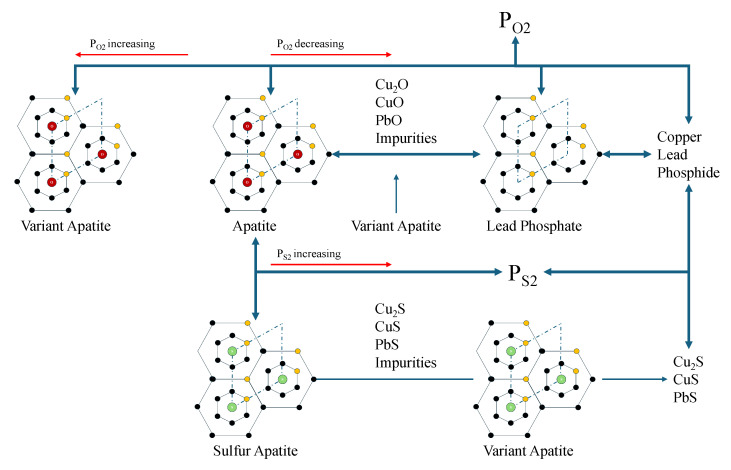 Figure 1
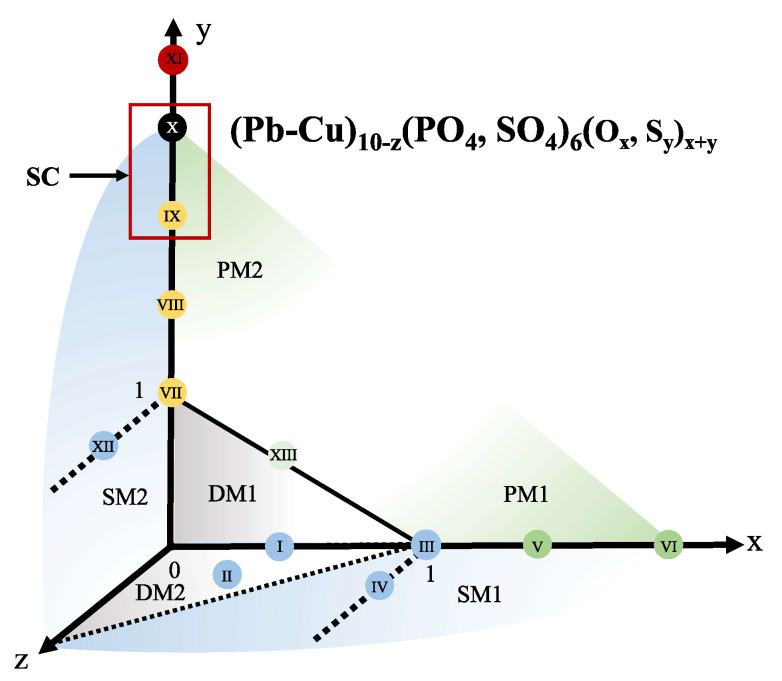 Figure 2
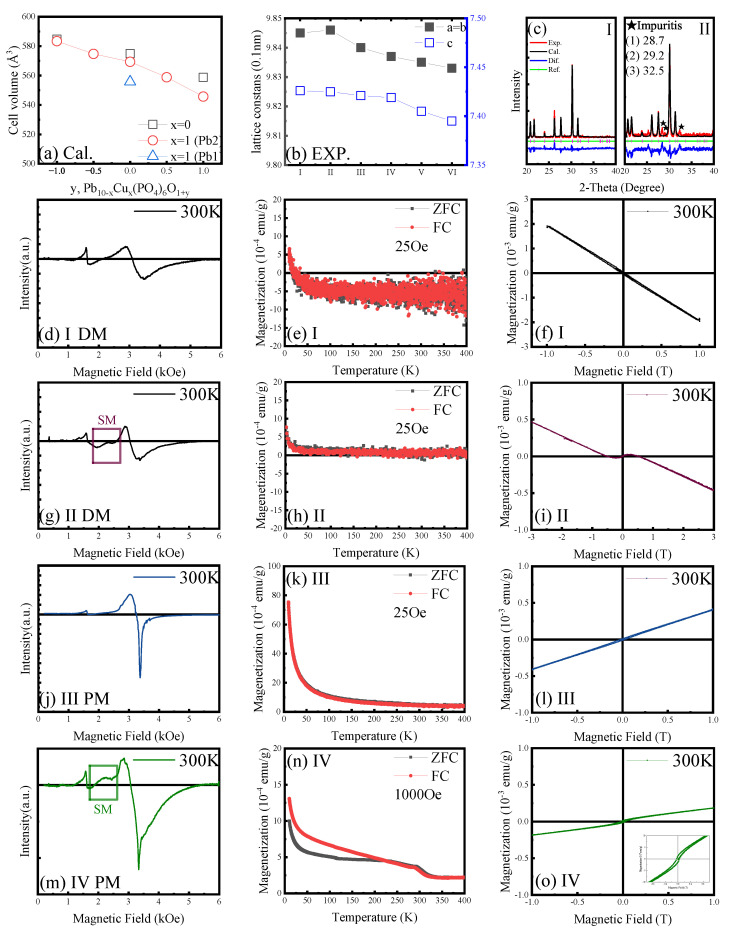 Figure 3
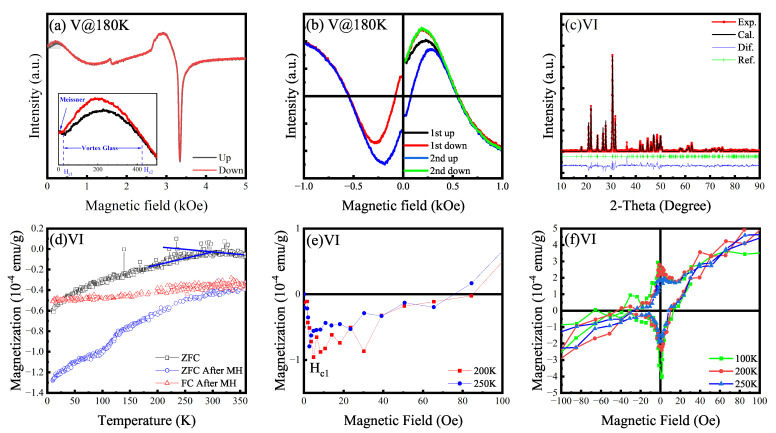 Figure 4
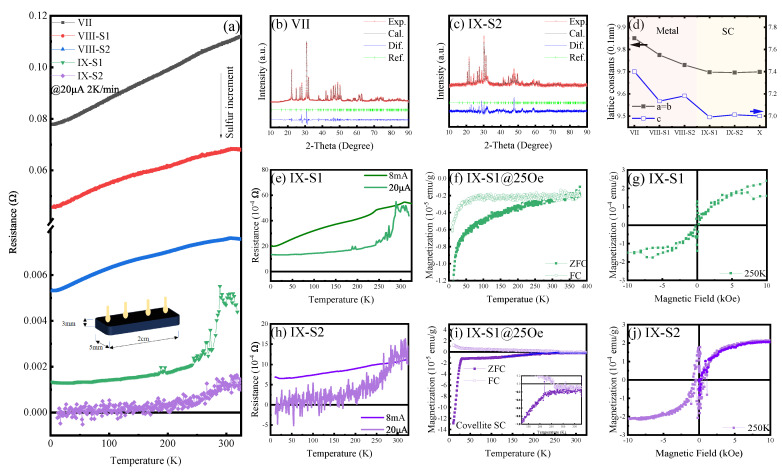 Figure 5
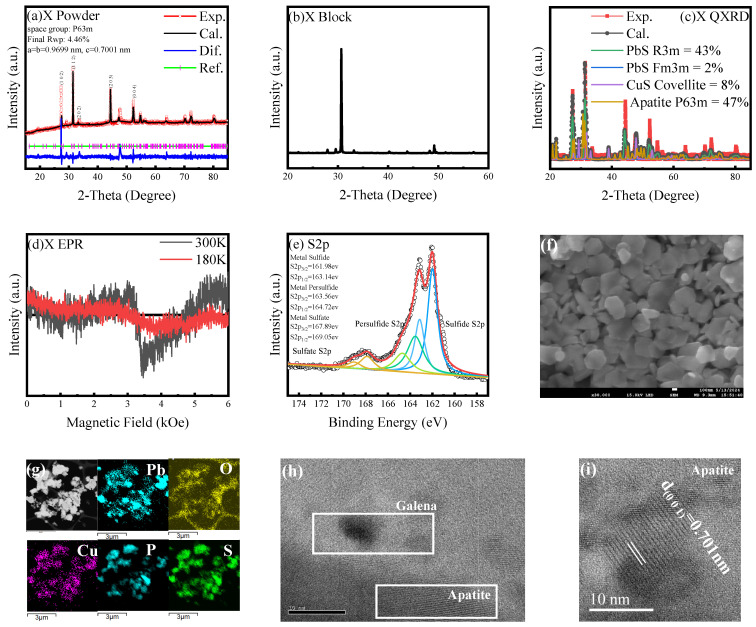 Figure 6
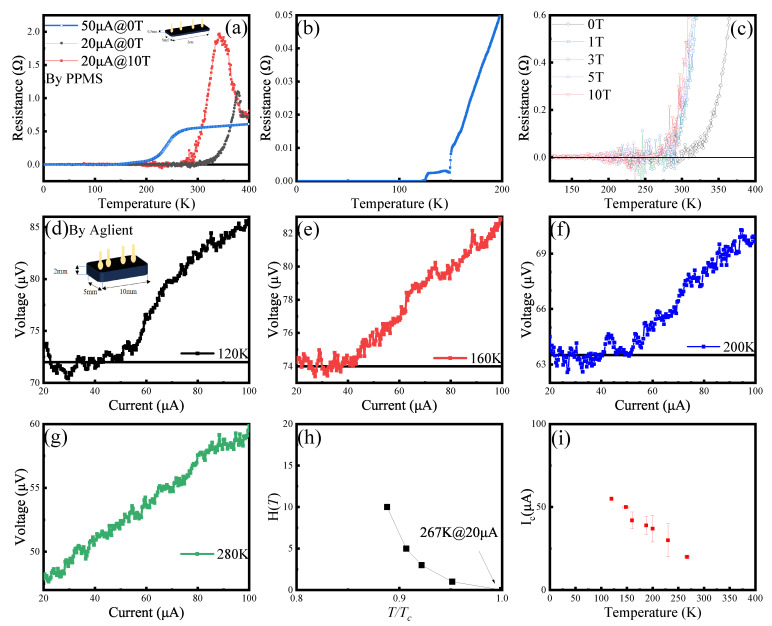 Figure 7
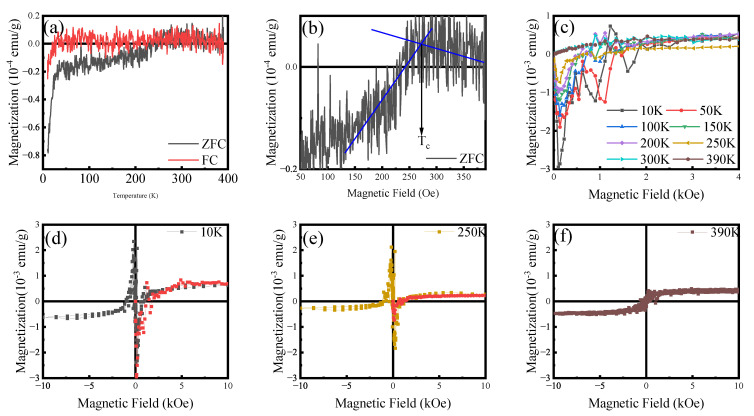 Figure 8
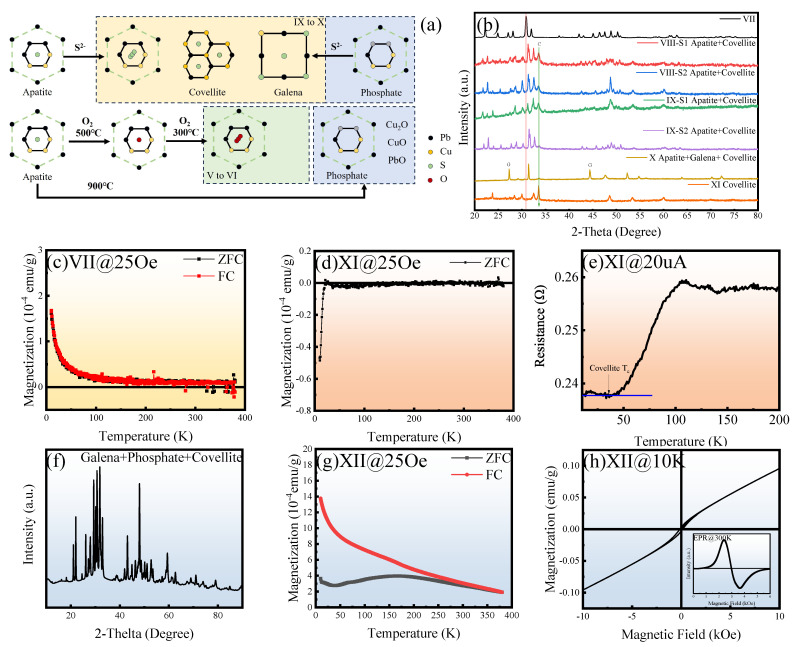 Figure 9
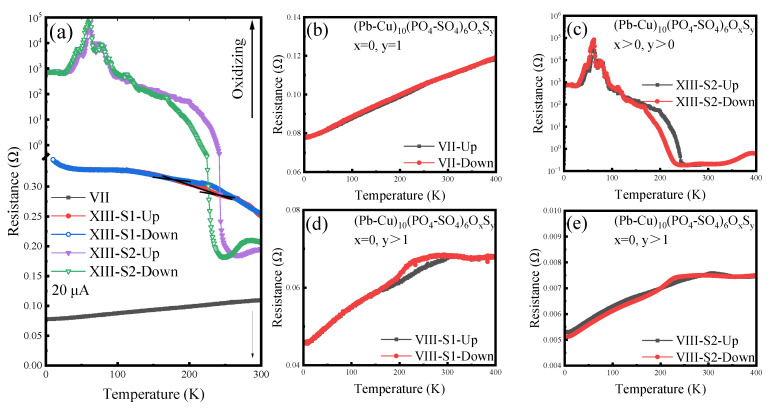 Figure 10
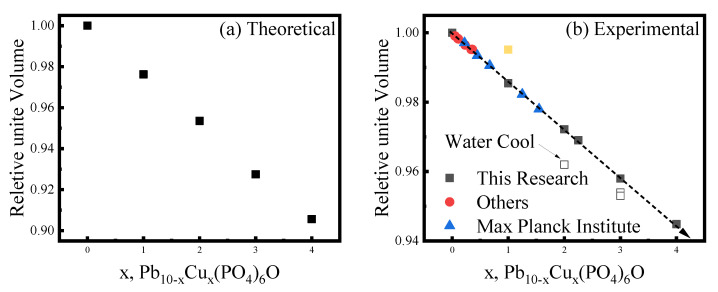 Figure 11
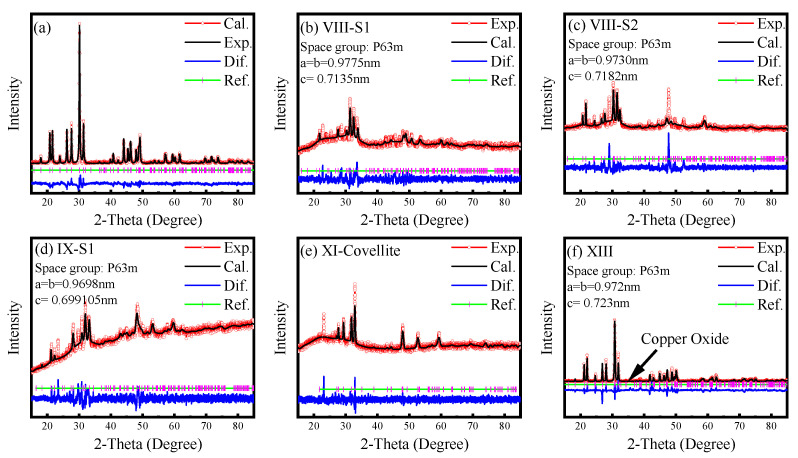 Figure 12
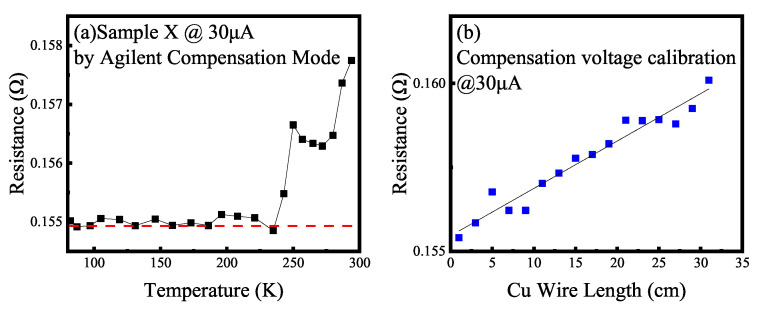 Figure 13
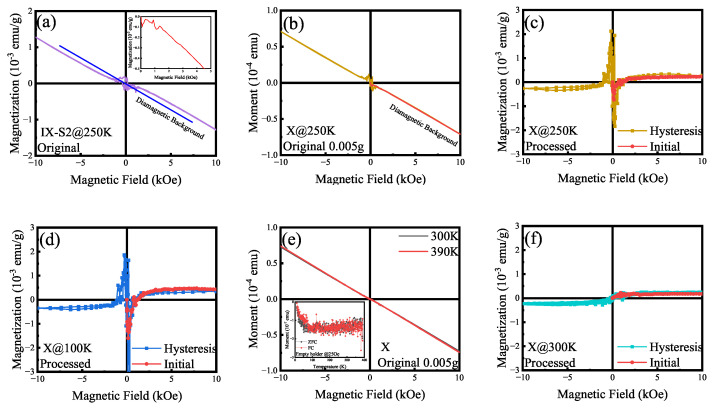 Figure 14
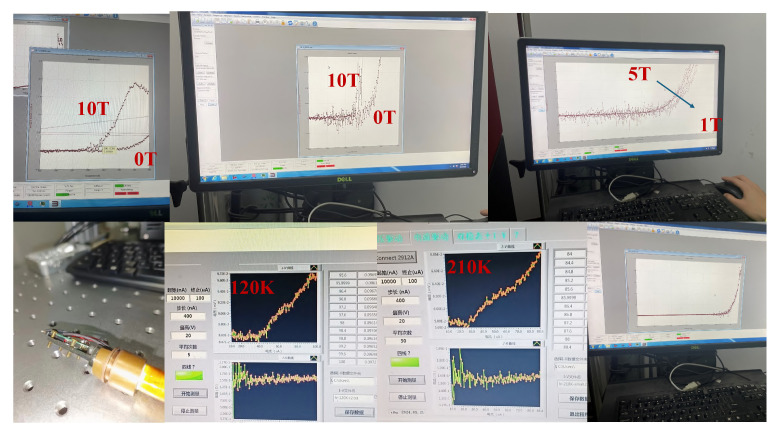 Figure 15
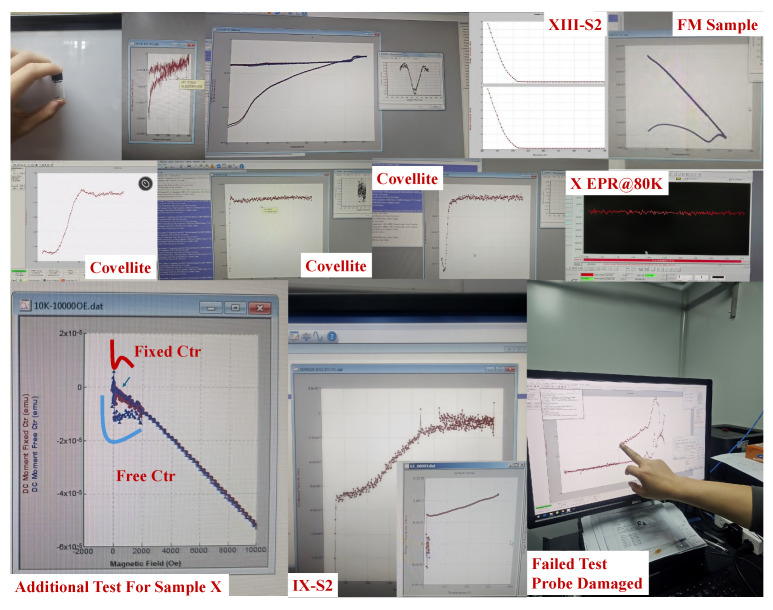 Figure 16
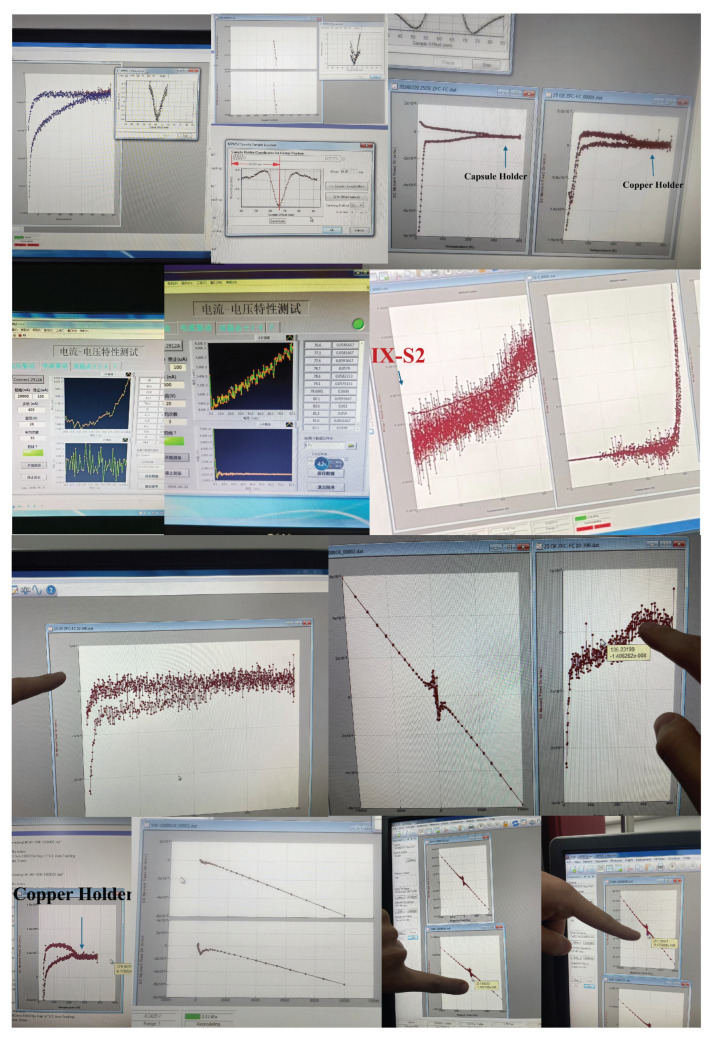 Figure 17
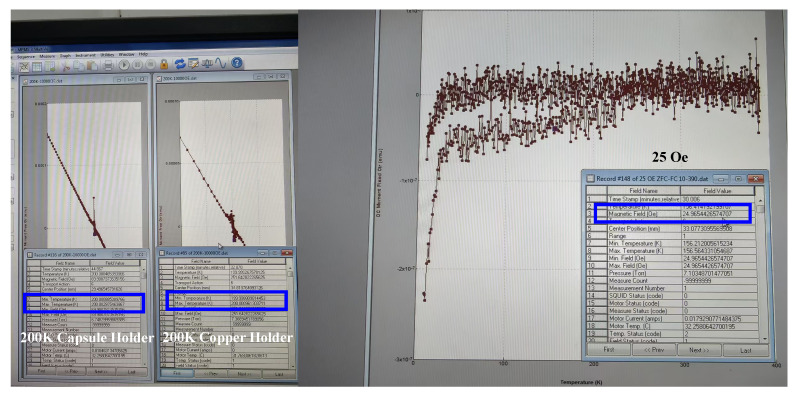 Figure 18
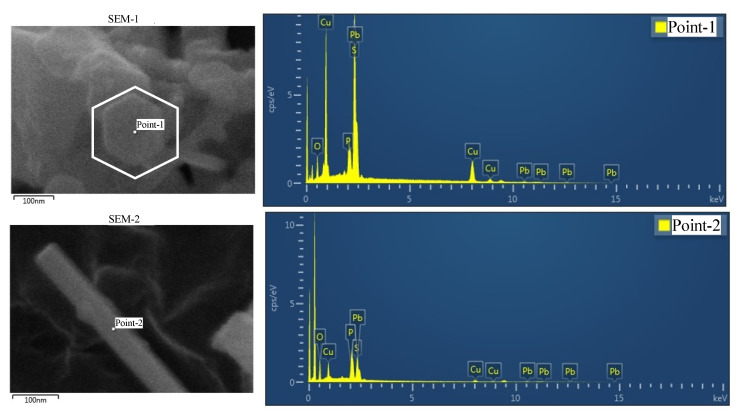 Figure 19
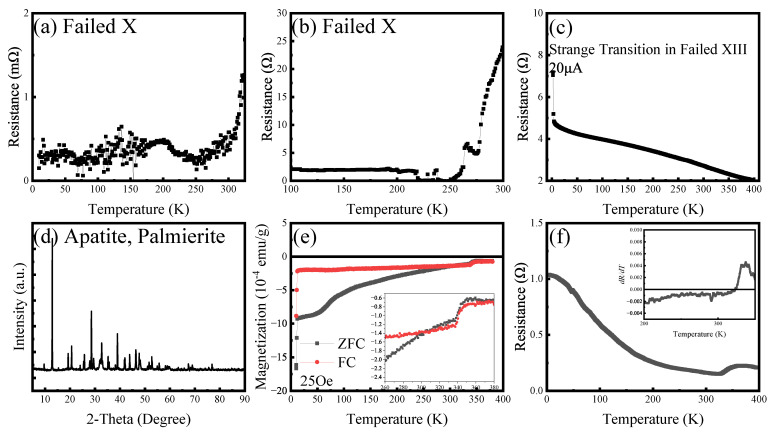 Figure 20
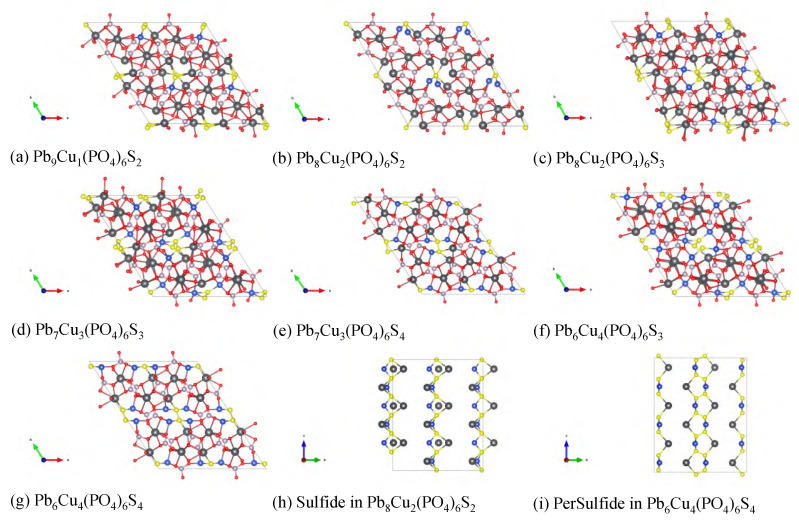 Figure 21
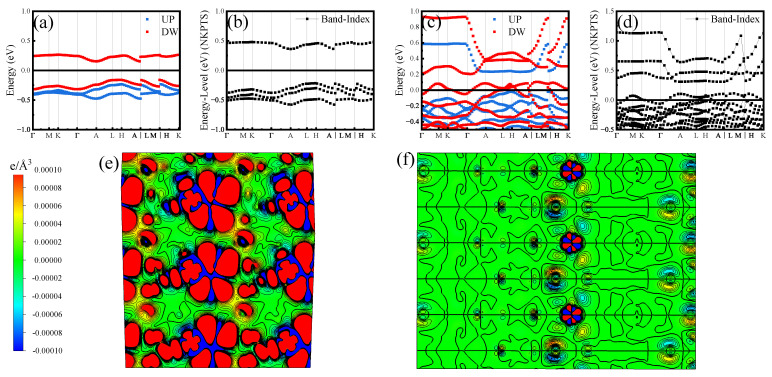 Figure 22
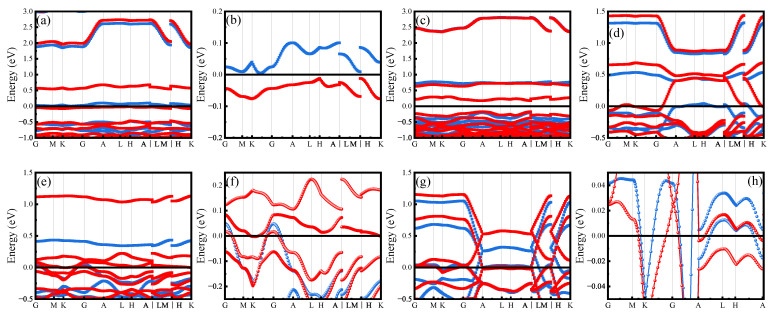 Figure 23
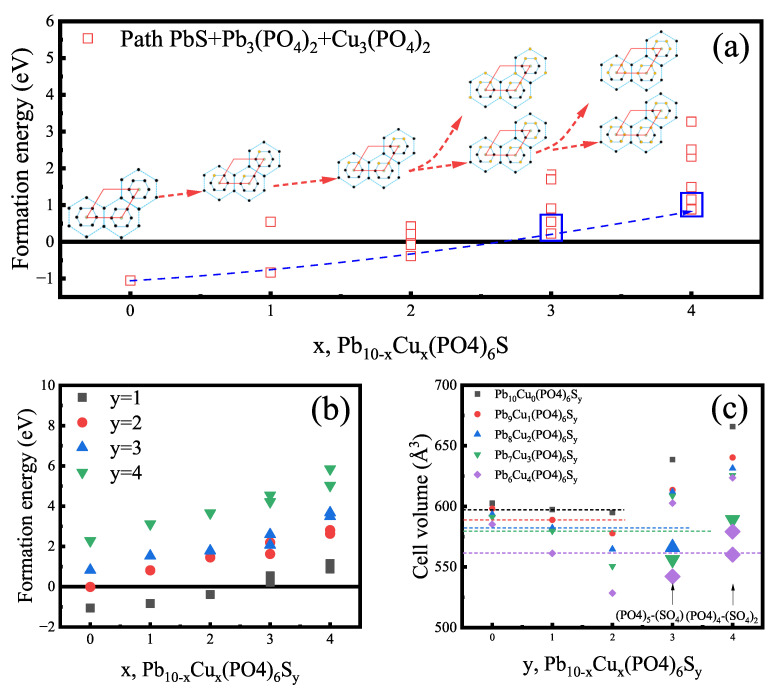 Figure 24
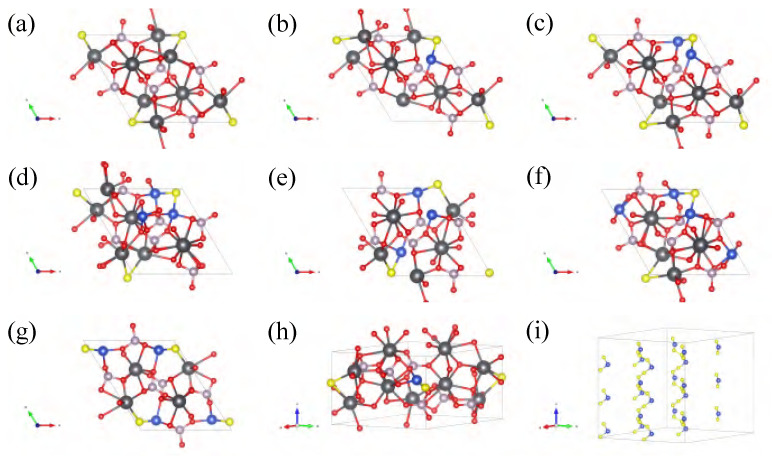 Figure 25
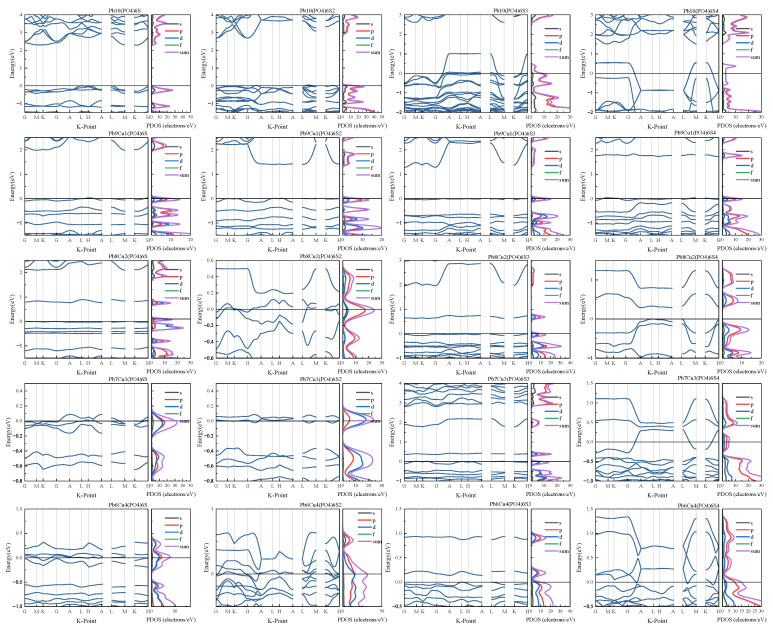 Figure 26
- —Shanghai ZhenKeAiDai Materials Co., Ltd.
- —Shanghai Chaoyi New Materials Technology Co., Ltd.
Peer Reviews
No public reviews on file for this paper yet. If you reviewed it on a platform where reviews are public (OpenReview, ICLR, NeurIPS, ICML), you can paste yours below so the community can read it here.
Videos
No videos yet. Explain this paper in a talk, walkthrough, or lecture? Add one.
Taxonomy
TopicsFerroelectric and Piezoelectric Materials · Nuclear materials and radiation effects · Electronic and Structural Properties of Oxides
1. Introduction
The strategic manipulation of non-metallic elements within materials to induce local electron or hole defects is increasingly recognized as a pivotal factor in achieving strange phenomena [1,2,3]. In August 2023, Lee, Kim et al. [4]. proposed apatite as a candidate system for high-temperature superconductivity, with a potential critical temperature ( ) exceeding 300 K. This assertion ignited significant controversy [5]. In the ongoing quest for novel superconducting materials, apatite structures offer a compelling platform due to their readily solid framework and quasi-one-dimensional channels [6,7], metaphorically described as “wastebaskets” capable of accommodating various dopants. The excessive doping of apatite with non-metallic elements results in the development of polymeric chain structures and potential ionic bonds. Furthermore, the introduction of copper imparts magnetic atoms to the system [8]. Consequently, by systematically varying the doping ratio of sulfur (or oxygen) ions within the apatite channels, copper-doped lead apatite can be transformed into a series of complex compounds [9]. Firstly, the cationic sites within apatite are highly susceptible to substitution; copper doping can be conceptualized as an extension of conventional cuprate superconductors [10]. Secondly, the quasi-one-dimensional channels inherent in the apatite structure offer abundant sites for doping or defect engineering, facilitating straightforward electron or hole control [11,12]. Consequently, the structural characteristics of apatite position it as a promising platform for investigating novel physical phenomena [13].
However, over the subsequent months, numerous experimental efforts failed to replicate the claimed superconductivity. Ultimately, the phenomenon was attributed to a phase transition of Cu_2_S [14], effectively concluding the debate. Notwithstanding the complex physical mechanisms involved, from a materials science perspective, apatite remains a viable avenue for superconductivity research [15,16].
In the synthesis method of LK-99, the co-roasting of P and presents a distinct scenario compared to conventional apatite synthesis, often resembling a stochastic process with less predictable outcomes. The co-roasting draws on the technical concept of growing apatite in molten salt (e.g., Calcium phosphide and Potassium Sulfate), thus excessive copper (or copper phosphate structures) should be a very important entity in apatite [17]. Apatite is generally regarded as a structurally stable phase; however, within this complex system, the interplay and equilibrium among multiple coexisting compounds are considered inevitable [18]. Consequently, the formation of phases such as S and insulating materials is an anticipated outcome of this research. Throughout the roasting process, the resultant products exhibit a strong correlation with the partial pressures of oxygen ( ) and sulfur ( ), indicating that apatite is not an unconditionally stable phase at elevated temperatures [19,20,21]. Under conditions of negligible sulfur partial pressure, an increase in oxygen partial pressure may facilitate further oxygen incorporation into the quasi-one-dimensional channels of the apatite structure, a concept supported by theoretical calculations in the existing literature [13,22]. Conversely, a reduction in oxygen partial pressure can lead to oxygen vacancies within these channels, potentially resulting in the formation of phosphates and a series of oxide impurities. At extremely low oxygen partial pressures, the formation of metallic copper and lead becomes thermodynamically favorable. The - relationship is a fundamental consideration in copper–lead pyrometallurgy, where frequent substitution between sulfur and oxygen can ultimately lead to the generation of various products, including S and PbS [23,24]. Furthermore, substantial substitution of sulfur for oxygen within the apatite lattice is plausible, a phenomenon corroborated by studies on sulfur apatite.
In the apatite structure of lead phosphate, denoted as , the oxygen ions at the Wyckoff 4e sites exhibit partial occupancy, specifically at a rate of 1/4 [25]. This inherent partial occupancy, a form of structural disorder, introduces a foundational complexity to the material’s crystal lattice. It has been identified in numerous theoretical models as a critical factor in modulating the system’s electronic properties. Although the claims of superconductivity in LK-99, a copper-doped variant of this apatite, have been conclusively refuted by a multitude of independent global experiments, the investigative process has been far from fruitless. On the contrary, these explorations have unveiled the copper-doped lead apatite system as a fertile platform for a rich tapestry of complex physical phenomena.
This report aims to move beyond a simple negation of the LK-99 superconductivity narrative. Instead, it seeks to delve into the new physics that has emerged from the intensive study of this material. We will systematically deconstruct the initial superconducting claims to build a new, more nuanced understanding of this material system. Our focus will be on exploring the intricate physical phenomena that are not mutually exclusive with superconductivity [26,27], such as those related to elemental doping, structural instabilities, strong electron–electron correlations, and defect chemistry.
2. Experimental Approach
2.1. Synthesis
The schematic diagram in Figure 1 illustrates these potential reactions, offering deeper insight into the possible transformations occurring within the system. Therefore, it is crucial to acknowledge that the original experimental methodology inherently involves conditions of low oxygen potential and high sulfur partial pressure. The precise control of these parameters within a completely sealed system is challenging, leading to significant unpredictability in experimental outcomes. This lack of reproducibility does not contradict fundamental thermodynamic principles but rather highlights the complexities of controlling the reaction environment [28].
The final products, synthesized via pyrometallurgy in oxygen or solvothermal methods in sulfide solutions with varying parameters, can generally be represented by the formula (Pb-Cu)10−z( [29,30]. At this stage, precise determination of the copper and sulfate doping ratios is challenging and not critical. This is because various lead/copper and phosphate/sulfate feed ratios do not exhibit statistically significant differences in physical characteristics, partly due to the potential dissolution and decantation of copper ions from the raw materials. The fundamental synthetic parameters are the concentrations of oxygen and sulfur ions within the apatite channels [31,32], as illustrated in the synthetic phase diagram (Figure 2). Upon calcination in an oxygen-air atmosphere, x can be less than 1, indicating the presence of oxygen vacancies, or greater than 1, exceeding the normal ionic concentration within the apatite structure [33,34]. Further dispersion of lead–copper sulfoapatite in a sulfide solution can increase y to values even greater than 2 [35], resulting in the formation of persulfides. If sulfur doping is insufficient or the temperature is excessively high, z will not be eliminated, as lead may sublime, leading to the conversion of the product into lead phosphate, signifying a failed apatite synthesis. To elucidate the potential outcomes during the synthesis process, we prepared 13 distinct samples.
2.1.1. Pb9Cu1(PO4)6Ox Synthesis (I–VI)
The Samples I–IV, with a base structure of , were all synthesized following a consistent procedure: co-precipitation, aging, hydrothermal treatment, and calcination. Throughout the aging and hydrothermal steps, a pH of 10 was maintained. The aging process occurred at C, while the hydrothermal treatment was conducted at C, with both steps lasting 24 h. For Samples II and IV, EDTA was additionally employed as a chelating agent during synthesis. This was done to simulate doping inhomogeneity by exploiting the differential binding affinities of EDTA with copper and lead [24,36]. Regarding calcination, Samples I and II were heated to C, whereas Samples III and IV were subjected to a lower temperature of C [37]. All calcination steps were carried out in air.
Sample V underwent a repeated low-temperature calcination process, followed by a 48 h heat treatment at C in an oxygen atmosphere. This additional step aimed to increase the concentration of oxygen ions within the one-dimensional channels.
For Sample VI, during the co-precipitation stage, lead and copper hydroxides were substituted with their sulfide counterparts. This modification aimed to synthesize a chalcogenide apatite from the outset, ensuring the precise placement of copper ions. (Prior to this, DFT calculations were performed to determine the energy differences between various copper doping sites in both oxyapatite and sulfoapatite [38].) The subsequent calcination and oxygen heat treatment procedures for Sample VI mirrored those applied to Sample V.
2.1.2. (Pb-Cu)10(PO4, (SO4)6Sy Synthesis (VII–X)
Sulfoapatite was synthesized via a hydrothermal method. In the initial hydrothermal stage, the molar ratio of Pb:Cu:P : was controlled at (6–8):(2–4):6:2. A subsequent hydrothermal treatment involved the addition of supplementary to the product from the first stage [39]. Both aging and hydrothermal processes were conducted following previously described methods, maintaining the pH between 7 and 8. The differing solubilities of PbS and CuS necessitate strict control over the reactant addition sequence and careful observation of product color during the hydrothermal process. For co-precipitation, the optimal reactant addition sequence was determined to be , followed by , then , and finally .
The characteristic color of sulfoapatite is black-gray; the appearance of other colors, such as blue, green, or brown, indicates an unsuccessful synthesis. Sample VII, designated sulfoapatite, was used as the precursor material for the second hydrothermal treatment and subsequent doping. The concentration in the solution for the second hydrothermal stage, along with the duration of aging and hydrothermal treatment [35], directly influences the final product. The overall process involves the transformation from doped and distorted apatite to its eventual decomposition into sulfides.
Sample XII and Sample XIII represent two modifications of Sample VII. The former (XII) is a phosphate mixed-phase material obtained via a synthesis route that lacked a sufficient aging period. The latter (XIII) is the resultant product from the mild oxidation of Sample VII.
The synthesis details of the samples are summarized in Table 1. Considering the repeatability of sample synthesis, we will would the details and challenges involved in the synthesis process in Appendix A.
2.2. Characterization
The crystal structures of samples were analyzed using X-ray diffraction (XRD) (X’Pert PRO MPD, Malvern Panalytical B.V., Almelo, The Netherlands), operating at 40 kV and 25 mA with Cu-K radiation. The diffraction patterns were recorded over a range of 10 –90 with a step size of . The micro-morphology and structure were analyzed using a field emission scanning electron microscope (SEM) (JSM-7800, JEOL, Tokyo, Japan) equipped with an energy-dispersive spectrometer (EDS) (Oxford Insturments, Oxford, UK). Additionally, transmission electron microscopy (TEM) (JEM-2100F, JEOL, Tokyo, Japan) was employed for further detailed observation and analysis of the microscopic morphology and structure. Detailed crystal parameters are shown in Appendix C Table A2.
The continuous-wave electron paramagnetic resonance (EPR) spectroscopy was measured on EPR spectrometer (Bruker ELEXSYS E580, Massachusetts, MA, USA) operating on the X-band (9.667 GHz) and outfitted with a dielectric resonator (ER-4118X-MD5, Bruker, Massachusetts, MA, USA). The microwave power was 15 dB, and the modulation amplitude was 5 Oe at 100 kHz. The magnetic field was corrected by using a BDPA standard (Bruker E3005313) with . Low-temperature environment was realized by an Oxford Instruments CF935 continuous-flow cryostat using liquid nitrogen. The temperature was controlled by an temperature controller (Oxford ITC4) with accuracy of ±0.1 K.
Based on SQUID detection technology, we conducted the dc magnetization measurement of the samples on MPMS-3. The holder is a capsule sample rod with almost no magnetism. Because the critical temperature of the samples is close to the room temperature, which makes them easily magnetized, even at low magnetic fields, it is necessary to demagnetize the sample at 380 K for 30 min before each testing cycle. The MH curves can only be measured by cooling the sample down from 380 K to eliminate the magnetization memory.
The electrical transport properties of Sample X were primarily investigated using a four-probe technique within a Physical Property Measurement System (PPMS) by Quantum Design (San Diego, CA, USA). A key consideration was the use of gold (Au) electrodes, chosen due to the sample’s potential persulfide nature, which could lead to sulfurization and compromised measurements if common materials like indium (In) or silver (Ag) were used. For resistance–temperature (R-T) characterization, samples were cooled to 2 K under zero magnetic field. Subsequently, the designated measurement current and magnetic field were applied, and resistance was recorded during a slow temperature increase (1 K intervals), with each data point averaged from 40 samplings. Complementary current–voltage (I–V) measurements were conducted using an Agilent B2912A Precision Source/Measure Unit (Santa Clara, CA, USA), with temperature control provided by an Oxford Instruments OptiStatDN cryostat. The Agilent unit was operated in “Compensating Resistance (R Compen)” mode, which automatically establishes an internal voltage offset on the inner probes before current application, meaning the initial measured voltage is non-zero even at zero applied current. A significant pre-measurement step involved applying a large current bias to the sample, a procedure intended to fill the defects. All I–V curves were averaged over 100 samplings to enhance data quality. The R-T and test details of Agilent test are shown in Appendix D, and the raw date photos during characterization was shown in Appendix F.
3. Discussion
3.1. Complex Magnetism and Possible Meissner Effect (I to VI)
Figure 3 discussed the x-dependent influence on lattice and magnetic properties. Firstly, we calculated the x-dependent lattice constants of . The optimal site for Cu substitution was determined to be the Pb(2) site [40] in the structure, which differs from the Pb(1) site as described for LK-99. The calculations are intended only for comparing the relative trends of change; the results indicate a slight contraction of the lattice constants with increasing x, which aligns with experimental observations.
Even in ambient air, a temperature of C is sufficient to induce oxygen deficiency within the crystal. Conversely, oxygen annealing of Samples V and VI promoted lattice contraction. For the sample prepared with EDTA, some impurity peaks were detected. The observed soft magnetism is likely attributed to the non-uniform distribution of copper dopants. To mitigate potential interference from the sample holder during magnetic measurements, we calibrated the room-temperature magnetic properties using EPR. The signal observed in the range of 2000–2500 Oe can be interpreted as an indication of soft magnetism [41,42]. Consistent with experimental findings, the high temperature of C promotes oxygen loss in the lead phosphate apatite structure [43], potentially leading to the formation of lead phosphate phases. In contrast, the sample calcined at C exhibited paramagnetism. In the synthesized phase diagram, DM1 and DM2 are attributed to partial defects within the apatite structure of the samples, while SM1 is due to the non-uniform distribution of copper during synthesis. The precipitated copper oxides or copper-doped phosphates contribute to the observed soft magnetism.
Sample V was synthesized by introducing additional oxygen atoms into the apatite framework of the paramagnetic Sample III. Sample V continued to exhibit strong paramagnetism as shown in Figure 4. EPR measurements, particularly with sample rotation, revealed a non-overlapping loop at low magnetic fields, indicative of hysteresis [44]. In the synthesis of Sample VI, sulfur was employed to stabilize copper (Cu) within the hydrothermally prepared precursor. It is posited that Cu preferentially substitutes at the Pb(2) crystallographic sites. Subsequent low-temperature sintering was designed such that a reduction in sintering temperature would not alter this site preference but would primarily facilitate S-O substitution and an excess incorporation of oxygen (over-doping). Sample VI exhibited pronounced diamagnetism, with a transition observed at approximately 270 K, indicative of a critical temperature ( ). Furthermore, zero-field-cooled (ZFC) and field-cooled (FC) measurements were performed on Sample VI. Following an initial magnetization measurement at 100 K and subsequent return to zero field, the remeasured ZFC curve was observed to be lower than its pristine state. A distinct kink was also noted in the ZFC curve near 100 K, suggesting a glassy-state memory effect. Detailed measurements of the initial magnetization curve and the M-H hysteresis loop were conducted on Sample VI within a field range of ±100 Oe. The lower critical field ( ) was determined to be below 10 Oe, a parameter not extensively investigated in prior studies. At higher applied magnetic fields, the response of Sample VI was predominantly paramagnetic. Conversely, at fields below 100 Oe, a characteristic superconducting M-H hysteresis loop was clearly discernible. The signal-to-noise ratio of these measurements was relatively low, attributed to a small volume fraction of the superconducting phase within the sample. This hysteresis behavior was not detectable above 250 K. These findings for Sample VI bear some resemblance to the observations made for Sample V.
Consequently, the structural integrity of the apatite lattice appears to be a critical determinant distinguishing paramagnetic from diamagnetic behavior. Furthermore, excessive oxygen incorporation (over-doping) may potentially induce superconductivity, though quantifying the precise oxygen stoichiometry currently presents significant challenges. Additionally, observed diamagnetism could partially originate from lead phosphate phases, potentially formed via unintended decomposition during high-temperature roasting. Accurate identification of lead phosphate, particularly phases with the space group, can be problematic in XRD analysis due to peak overlap or structural similarities. The observed complex magnetic behavior is experimentally linked to non-uniform substitution of copper for lead. This heterogeneity can, during calcination, lead to the formation of several undesired secondary phases, including copper oxides, copper phosphates, and copper-doped lead phosphates. Referencing the paramagnetic apatite in Sample III, the reported lattice constants for LK-99 are slightly larger. If the presence of a lead phosphate phase is discounted, the data could suggest the possibility of a second superconducting phase existing under oxygen-deficient conditions. This hypothesis finds some support in the XPS data and reported synthesis conditions for LK-99 [4].
Furthermore, achieving uniform copper doping and precise oxygen stoichiometry control remains a significant challenge at present, and the emergence of soft magnetic behavior is plausible and difficult to entirely prevent, hindering the synthesis of a high-volume-fraction, homogeneously superconducting phase. It is posited that a structurally intact, paramagnetically responsive apatite phase with homogeneous copper doping serves as a crucial precursor for inducing superconductivity [45,46]. Nevertheless, the potential role of minor copper clustering in facilitating superconductivity upon further compositional modifications cannot be entirely dismissed and warrants more detailed experimental investigation [47,48]. Moreover, the pursuit of single-crystal synthesis [49] does not currently appear to be a viable pathway to obtaining the desired superconducting phase. Instead, resultant “jewels” may more closely resemble heterogeneous composites of lead phosphate and apatite, particularly if copper clustering occurs, rather than a bulk, single-phase superconductor.
3.2. Properties of Sulfoapatite (VII to IX)
Samples were fabricated into thin blocks (Figure 5a), with gold (Au) employed as the electrode material for four-probe resistivity measurements. Both Samples VII and VIII exhibited characteristic metallic behavior [50], indicated by a continuous change in resistance with temperature. In contrast, the heavily S-doped Sample IX demonstrated a sharp decrease in resistance upon temperature reduction. For comparative analysis, two parallel replicates of Sample IX, designated S1 and S2, were synthesized. The residual resistance was measured to be approximately 1 mΩ. The low-temperature resistance of S2 approached the detection limit of the Physical Property Measurement System (PPMS) and was therefore considered to be effectively zero.
XRD patterns for Samples VII and IX-S2 revealed that the primary phase was an apatite variant, exhibiting characteristic apatite peaks with slight crystallographic shifts; this phase was thus termed an “apatite variant.” For Sample IX-S2, additional diffraction peaks corresponding to covellite (CuS) and/or galena (PbS) were observed, indicating that excess sulfur formed these secondary phases with copper and lead, respectively. A distinct, abrupt change in lattice constants occurred subsequent to sulfur doping, signifying a structural transition that induced the transformation from a metallic to a superconducting state.
Resistance–temperature (R-T) characteristics were further investigated under high electrical current conditions. For Samples IX-S1 and S2, the sharp superconducting transition was suppressed, and the low-temperature resistance increased significantly. This observation indicates that high current densities disrupt the superconducting state, implying the existence of a critical current. Magnetization versus temperature (M-T) curves for both samples, acquired at 25 Oe, demonstrated superconducting diamagnetism during ZFC measurements, with a clear bifurcation between the ZFC and FC curves. At 250 K, both samples exhibited magnetic hysteresis loops below 1000 Oe. Collectively, these experimental findings provide compelling evidence that the samples transition into a superconducting phase above 250 K. Doping-induced structural distortions and sample thickness may contribute to non-uniform current distribution within the bulk material. Consequently, the phase transitions in Samples IX-S1 and S2, while qualitatively similar, may exhibit quantitative differences. From a thermodynamic equilibrium perspective, the formation of decomposition products concurrent with the structural distortion of apatite into its variant form is plausible.
3.3. Signature of Superconductivity in Sample X
To elucidate complex material phenomena, a novel composite, designated Sample X, was synthesized and subjected to comprehensive material characterization. XRD analysis formed the initial basis of structural investigation, as depicted in Figure 6. The XRD pattern of Sample X unequivocally revealed a biphasic composition, exhibiting two distinct sets of diffraction peaks. One set was identified as corresponding to a variant apatite phase, and the second set of peaks was unambiguously assigned to galena. A notable feature in the bulk XRD pattern of Sample X was the evidence of preferential grain orientation. This phenomenon is frequently attributed to directional stacking or alignment of crystallites during the high-pressure compaction stage of material synthesis, which can induce texture in the sample. Furthermore, the galena phase, which crystallizes in the face-centered cubic Fm m space group, presented an interesting crystallographic feature. Achieving controlled in-plane growth of the (111) crystal plane of galena is typically a significant crystallographic challenge, suggesting specific growth dynamics in this composite system [51]. Morphological investigations using nanosheet imaging techniques provided further insights into the microstructural organization of Sample X. The observation of a distinct hexagonal morphology in the imaged nanosheets suggests an intimate association or potential intergrowth between the variant apatite and galena phases. This microstructural arrangement is hypothesized to originate during the hydrothermal synthesis process. It is proposed that PbS, formed from the decomposition of precursors under hydrothermal conditions, undergoes epitaxial growth on the surface of the distorted variant apatite. Epitaxy would facilitate the formation of a coherent “Variant apatite@PbS” core-shell or intergrown structure, consistent with the observed hexagonal morphology.
Transmission electron microscopy (TEM) analysis provided high-resolution structural data. Specifically, the interplanar spacing of the (001) crystallographic plane for the variant apatite phase was determined to be 7.01 Å. This experimental value is in strong agreement with data obtained from the refinement of the X-ray diffraction patterns, lending confidence to the structural parameters derived for the apatite phase. To probe the electronic properties, particularly in relation to potential superconductivity, electron paramagnetic resonance (EPR) spectroscopy was employed. EPR spectra, recorded at room temperature (300 K) and a lower temperature of 180 K, revealed a critical change. A weak paramagnetic signal, indicative of unpaired electron spins present at 300 K, was observed to disappear upon cooling to 180 K. The quenching of this paramagnetic signal at reduced temperatures is a significant observation. In many material systems, such a disappearance is considered strong evidence for a transition to a superconducting state. This is because, in the superconducting state, electrons form Cooper pairs (which are spinless and EPR silent) and/or the Meissner effect expels the magnetic field essential for EPR resonance [52].
Further chemical state analysis was conducted using X-ray Photoelectron Spectroscopy (XPS). The XPS results provided evidence suggesting the potential presence of sulfate ( ) groups within Sample X [53,54]. This finding has important implications for the material’s chemistry and structure. The presence of such sulfur species may indicate an increased sulfur capacity [55], potentially accommodated within quasi-one-dimensional channels known to exist in some apatite structures. Moreover, this observation, coupled with the known presence of copper, suggests the possible formation of a continuous chain structure involving copper ions, which could be crucial for the observed electronic properties.
Resistance–temperature (R-T) curves for Sample X provided clear evidence of high-temperature superconductivity. With an applied current of 20 A, the sample exhibited a superconducting transition temperature ( ) in the range of 265 K to 270 K (Figure 7). This transition was described as a “smooth progression.” Further supporting the superconducting nature, an increase in applied magnetic field led to a systematic decrease in , a hallmark characteristic of superconductors. In the normal state, above , Sample X displayed anomalous resistance behavior. As temperature increased beyond , resistance first rose sharply and then subsequently decreased. This non-monotonic trend was attributed to the destruction of superconducting coherence and the disruption of interference between transport channels [56]. This behavior was noted as being commonly observed in high-temperature superconductors, suggesting complex electronic phenomena, possibly related to strong electronic correlations [57,58]. Sample X demonstrated a pronounced sensitivity of its to the applied electrical current; increasing the current to 50 A suppressed the to below 150 K. Resistance fluctuations near under a 20 A current were attributed to non-uniform current distribution within the sample, a phenomenon described as common in superconductor testing.
Direct current–voltage (I–V) characteristics confirmed the zero-resistance state. This plateau, where voltage remains effectively zero up to a critical current, was completely absent at 280 K, indicating the sample was in its normal, resistive state. The critical current ( ) showed temperature dependence, decreasing from over 50 A at 120 K to 40 A at 160 K. This implies that for currents exceeding 40 A, the sample is not superconducting at 160 K. The findings from these I–V measurements were highly consistent with the R-T curve, providing strong cross-validation.
Electrical resistivity measurements on Sample X revealed a distinct transition where the resistance decreased significantly. While a drop in resistance is a necessary indicator of a superconducting transition, it is not, in isolation, sufficient proof. The ideal single crystal sample was not successfully synthesized; according to the structural analysis mentioned above, the observation of zero resistance is more likely relied on the proximity effect [59,60]. Such transitions can be mimicked by other physical phenomena, such as metal–metal phase transitions or even artifacts from inhomogeneous current distribution in multiphase samples. The electrical measurements were conducted using a low current of 20 A, which is a prudent experimental choice to minimize potential issues like sample self-heating or current-induced suppression of a fragile superconducting state, especially if the critical current ( ) is low. Nevertheless, achieving and confirming a true zero-resistance state is experimentally challenging, and without corroborating magnetic data, a sharp resistance drop remains ambiguous.
The DC magnetization of Sample X was investigated using a SQUID magnetometer, with the results presented in Figure 8. ZFC and FC magnetization curves both exhibit a distinct diamagnetic signal below 270 K, which is characteristic of superconductivity. This observation is consistent with electrical transport measurements conducted at 20 A, which identify this temperature as the critical temperature ( ). Two distinct superconducting phases are evident: The first phase, observed in the range of 30 K to 270 K, can be attributed to a near-room-temperature superconducting phase associated with a variant apatite structure. The second phase, emerging below 30 K, is considered to be a low-temperature superconducting phase predominantly originating from a sulfide component [61]. The inherent diamagnetic background is subtracted in the M-H date processing, and the specific process is supplemented in Appendix E. Initial magnetization curves and magnetic hysteresis loops were measured at various temperatures. The observed hysteresis loops are characteristic of superconductors [62,63]. All superconducting signatures are clearly discernible and consistent with other experimental results. Notably, in its normal state, the sample exhibits weak soft magnetic behavior [64], which is associated with the morphology resulting from copper doping and nano-particle [65]. However, the superconducting phase proportion in Sample X remains very weak, and the order of magnitude of its magnetic susceptibility has been a subject of significant controversy in past research.
In the case of ordinary diamagnetism, electronic orbitals generate induced currents that oppose the external magnetic field according to Lenz’s law, and the net magnetic moment exhibits a linear dependence on the field with a negative slope. By contrast, superconducting diamagnetism weakens with increasing magnetic field because the applied field progressively disrupts the superconducting state, leading to flux penetration or even the suppression of the superconducting phase. The “false” diamagnetism, such as that of copper or lead, falls into the category of ordinary diamagnetism and strictly follows the linear negative-slope relation with the magnetic field. False diamagnetism cannot produce sharp peaks near zero field, as observed in Figure 4, Figure 5 and Figure 8, which are signatures uniquely detectable in superconductors. Nonetheless, we still need to synthesize higher-purity samples to provide more substantial evidence.
3.4. Distortion and Decomposition Process (XI to XIII)
This study necessitates a thorough examination of potential issues arising during synthesis and the composition of complex mixtures. As previously discussed, variant apatite is identified as an intermediate product in the decomposition of apatite to sulfides under high (sulfur partial pressure) or concentrated ion solutions. Its structure is inherently unstable, existing within a multiphase equilibrium. As illustrated in Figure 9, the doping process can be delineated into several intermediate phases, each characterized by the predominant active components within the mixture: the initial apatite raw material, variant apatite, and a mixture of variant apatite with covellite and galena [66,67]. Sulfur doping concurrently induces structural distortion and a reduction in lattice constants, consequently leading to a significant decrease in electrical resistance. When the doping level surpasses a critical threshold, exceeding the accommodation capacity of the one-dimensional channels, the apatite structure will completely decompose into covellite and galena. Furthermore, insufficient sulfur doping in the initial stage or excessively high temperatures during the sintering process will cause the apatite to decompose into phosphate, thereby rendering any subsequent doping attempts futile.
XRD patterns reveal that lightly doped samples retain the pristine apatite framework. However, with increasing doping levels, the apatite structure evolves and approaches a state of collapse, facilitating the formation of sulfides and polysulfides. Figure 9c–e depict crucial junctures in the magnetic evolution, specifically the paramagnetic behavior of Sample VII and the low-temperature superconductivity of Sample XI. The electrical resistance of Sample XI, predominantly composed of covellite, exhibits a sharp decline around 30 K, consistent with the magnetization temperature. This observation further substantiates the low-temperature superconducting properties of covellite.
It is pertinent to note that the differentiation between apatite and phosphate via XRD is challenging due to their similar space groups. Consequently, through analogous synthetic procedures, there exists a potential to synthesize samples, such as XII, that are primarily composed of phosphate. The distinguishing factor in such syntheses is an insufficient aging process. The potential presence of a ferromagnetic phase [19] within this system can be effectively identified by both magnetic measurements and electron paramagnetic resonance (EPR), a finding that enriches the phase assemblage of apatite/phosphate materials [68].
Subsequently, Sample VII was subjected to controlled oxidation in air at C, resulting in the emergence of semiconducting properties (Figure 10). This suggests that the unstable variant apatite may have undergone decomposition and/or S-O (sulfur–oxygen) substitution. Significant phase transitions were still observable in these oxidized samples. Notably, Sample XIII exhibited a distinct metal–insulator transition, characterized by an exponential increase in resistance upon temperature reduction. The doping differences lead to significant changes in physical properties [69,70]. This novel physical phenomenon had not been observed in the previous replication of LK-99’s experiments [71]. For completeness, we also present the temperature-dependent resistance curve for Sample VIII. With continued sulfur doping, a clear phase transition feature emerged in the 180 K to 300 K range. Considering the complex nature of the samples, this behavior could be attributed either to a unique structural configuration of apatite or to a dispersed weak link between superconducting and semiconducting (or metallic) phases [72].
4. Conclusions
This research comprehensively investigated the complex physical properties of the Pb-Cu-P-S-O apatite system, revealing a remarkable diversity of behaviors—a “material phase zoo”—and presenting compelling signatures of possible near-room-temperature superconductivity. The study systematically explored the effects of varying doping ratios of sulfur and oxygen, alongside different synthesis conditions, leading to materials that span semiconducting, metallic, and potentially superconducting states, each exhibiting unique magnetic characteristics. While the observed diamagnetic transitions and sharp resistance drops, particularly in Samples VI, IX, and X, strongly suggest superconductivity above 250 K, we acknowledge the challenges in reproducibility, precise stoichiometric control, and the low-volume fraction of the superconducting phase in heterogeneous samples. The “variant apatite” structure, heavily doped with sulfur, appears crucial but is also prone to decomposition. Future efforts must focus on achieving higher-purity samples, refining synthesis protocols for better control over doping and impurity suppression. Despite the existing hurdles, the findings presented offer a case for apatite as a promising, albeit complex, platform for high-temperature superconductivity research and contribute valuable insights into the intricate interplay of structure, doping, and emergent physical properties in these materials.
The reference list from the paper itself. Each links out to its DOI / PubMed record.
- 1Emery V.J. Theory of high-Tc superconductivity in oxides Phys. Rev. Lett.1987582794279710.1103/Phys Rev Lett.58.279410034851 · doi ↗ · pubmed ↗
- 2Zhang F.C. Rice T.M. Effective Hamiltonian for the superconducting Cu oxides Phys. Rev. B 1988373759376110.1103/Phys Rev B.37.37599944993 · doi ↗ · pubmed ↗
- 3Shi J. Zhu Y. Ionic-bond-driven atom-bridged room-temperature Cooper pairing in cuprates and nickelates: A theoretical framework supported by 32 experimental evidencesar Xiv 20252503.13104
- 4Lee S. Kim J.H. Kwon Y.W. The First Room-Temperature Ambient-Pressure Superconductorar Xiv 20232307.12008
- 5Wu H. Yang L. Xiao B. Chang H. Successful growth and room temperature ambient-pressure magnetic levitation of LK-99ar Xiv 202310.48550/ar Xiv.2308.015162308.01516 · doi ↗
- 6Krivovichev S.V. Engel G. The Crystal Structure of Pb 10(PO 4)6O Revisited: The Evidence of Superstructure Crystals 202313137110.3390/cryst 13091371 · doi ↗
- 7Huang Z. Ni X. Huang H. Tu Y. Gu Z. Zeng S. Exceptional metal–semiconductor–metal transition of lead apatites via oxygen defect tuning Phys. Chem. Chem. Phys.2024263029303510.1039/D 3CP 04984 A 38179875 · doi ↗ · pubmed ↗
- 8Mourachkine A. Route to Room-Temperature Superconductivity from a Practical Point of Viewar Xiv 200710.48550/ar Xiv.0704.21880704.2188 · doi ↗