The Modulatory Effect of tDCS Onset Timing in Alleviating Vigilance Decrement
Zelin Pan, Yang Chen, Shanghong Wu, Tiansheng Xia

TL;DR
This study shows that applying tDCS later during a task, based on brainwave patterns, better reduces attention decline than applying it early.
Contribution
The study introduces a novel timing strategy for tDCS based on low alpha band power to optimize vigilance improvement.
Findings
Late tDCS application (8–16 min) reduced vigilance decrement more effectively than early application (0–8 min).
Alpha-1 power was validated as a reliable EEG-based index for determining optimal tDCS timing.
Both early and late tDCS groups showed significant vigilance changes immediately after stimulation.
Abstract
Vigilance refers to a sustained attentional state enabling the detection of specific but unpredictable changes in the external environment. This state typically declines rapidly over time. A deterioration in vigilance can lead to serious errors or accidents in both occupational and special scenarios, rendering vigilance intervention a critical area of interest for researchers. Transcranial direct current stimulation (tDCS) has shown promise in mitigating vigilance decrement. However, the timing of such interventions may yield differential effects, a question that remains unresolved in the literature. The present study examines the possibility of using the average power in the low alpha frequency band (alpha-1) as an Electroencephalography-based index of vigilance to identify a candidate entry point for tDCS application that may enhance efficacy, and further explores how the timing of…
Genes, proteins, chemicals, diseases, species, mutations and cell lines named across the full text — each resolved to its canonical identifier and authoritative record.
Click any figure to enlarge with its caption.
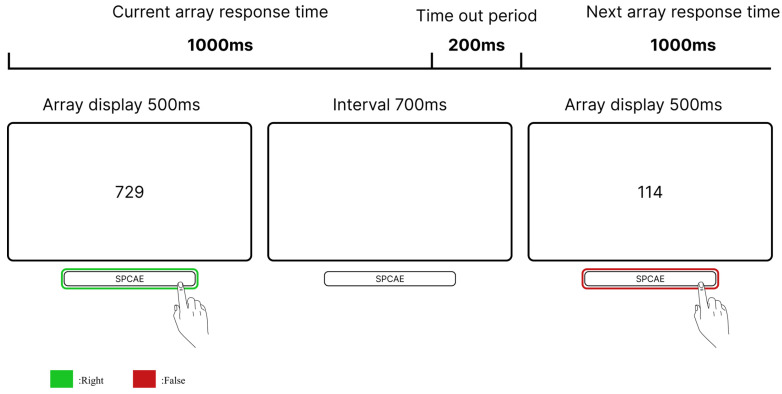 Figure 1
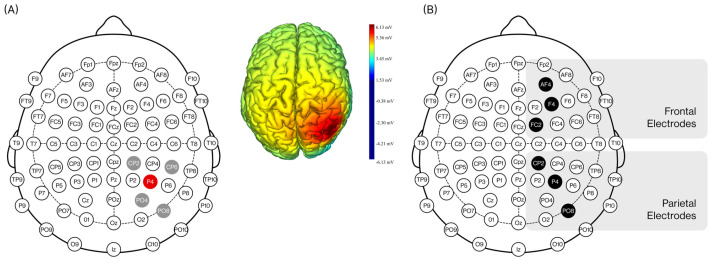 Figure 2
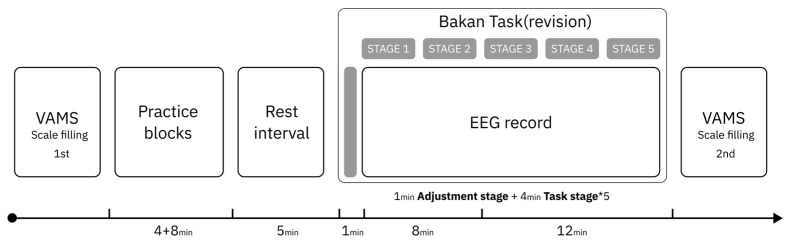 Figure 3
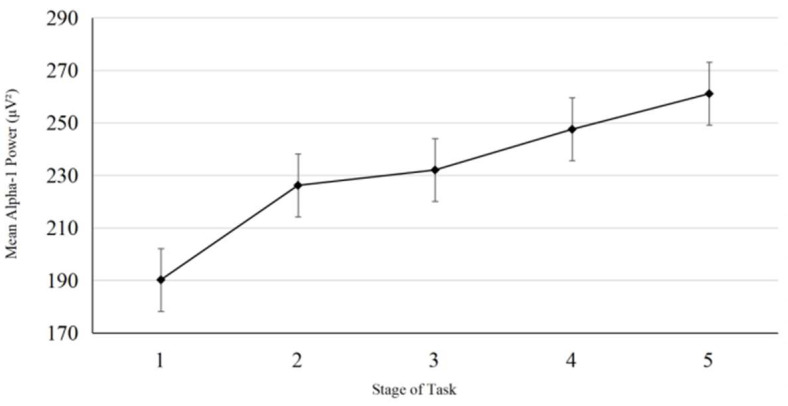 Figure 4
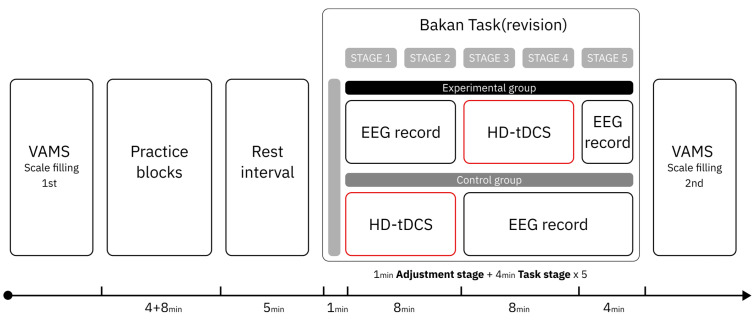 Figure 5
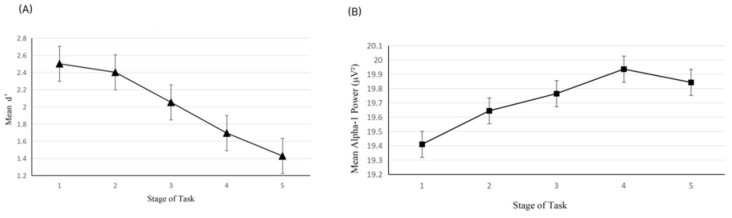 Figure 6
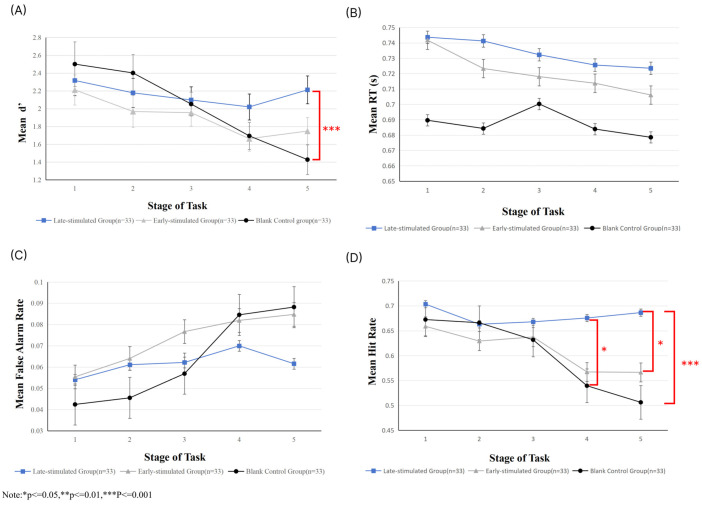 Figure 7
Peer Reviews
No public reviews on file for this paper yet. If you reviewed it on a platform where reviews are public (OpenReview, ICLR, NeurIPS, ICML), you can paste yours below so the community can read it here.
Videos
No videos yet. Explain this paper in a talk, walkthrough, or lecture? Add one.
Taxonomy
TopicsCognitive Functions and Memory · Transcranial Magnetic Stimulation Studies