Atractylodes macrocephala Koidz. Polysaccharide Alleviates Chemotherapy-Induced Depression-Like Behaviors Through the Gut–Brain Axis
Zheng Liang, Yihan Yuan, July Chen Liang, Yingchao Wu, Jiaqi Cui, Haihong Gu, Dajin Pi, Zhongjia Yi, Shuyao Zhou

TL;DR
Atractylodes macrocephala polysaccharide helps reduce depression-like behaviors in mice undergoing chemotherapy by improving gut health and reducing inflammation.
Contribution
This study reveals a novel mechanism by which a plant polysaccharide alleviates chemotherapy-induced depression through the gut-brain axis.
Findings
AP improved depression-like behaviors and reduced hippocampal inflammation in chemotherapy-treated mice.
AP prevented intestinal ferroptosis and repaired chemotherapy-induced intestinal barrier damage.
AP altered gut microbiota and metabolites, with effects diminished by gut microbiota depletion.
Abstract
This study explored the potential therapeutic effect and possible mechanism of Atractylodes macrocephala Koidz. Polysaccharide (AP) on pirarubicin chemotherapy-induced depression (CID) in breast cancer mice. This study utilized a variety of techniques to explore the potential of AP in mitigating behavioral abnormalities and elucidate the role of gut microbiota regulation in its therapeutic effects on chemotherapy in breast cancer mice. These included a chemotherapy mouse model, behavioral assessments, histological analysis using hematoxylin and eosin staining, ultrastructural examination, enzyme-linked immunosorbent assays, 16S rDNA sequencing, metabolomic profiling, Western blot analysis, and a pseudo-germ-free animal model. Oral administration of AP significantly improved depression-like behaviors in breast cancer chemotherapy mice while also reducing neuronal damage and inflammation…
Genes, proteins, chemicals, diseases, species, mutations and cell lines named across the full text — each resolved to its canonical identifier and authoritative record.
Click any figure to enlarge with its caption.
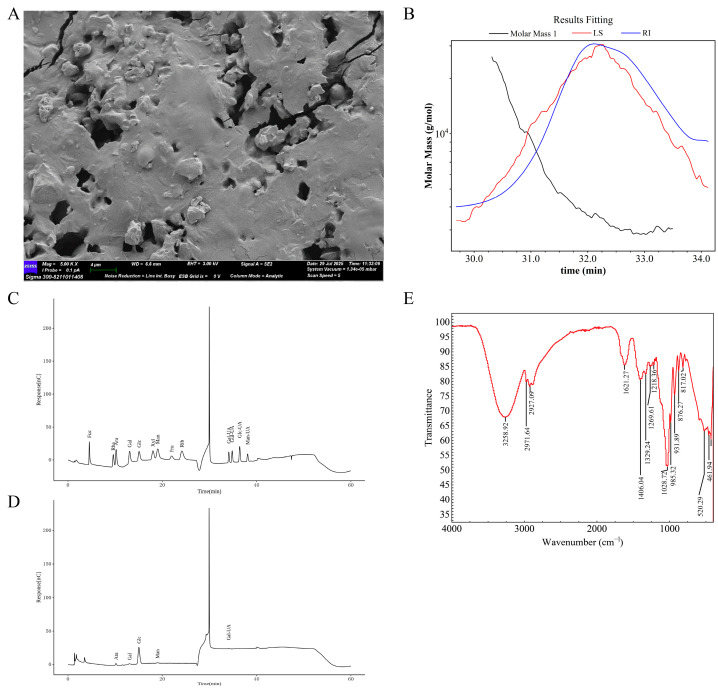 Figure 1
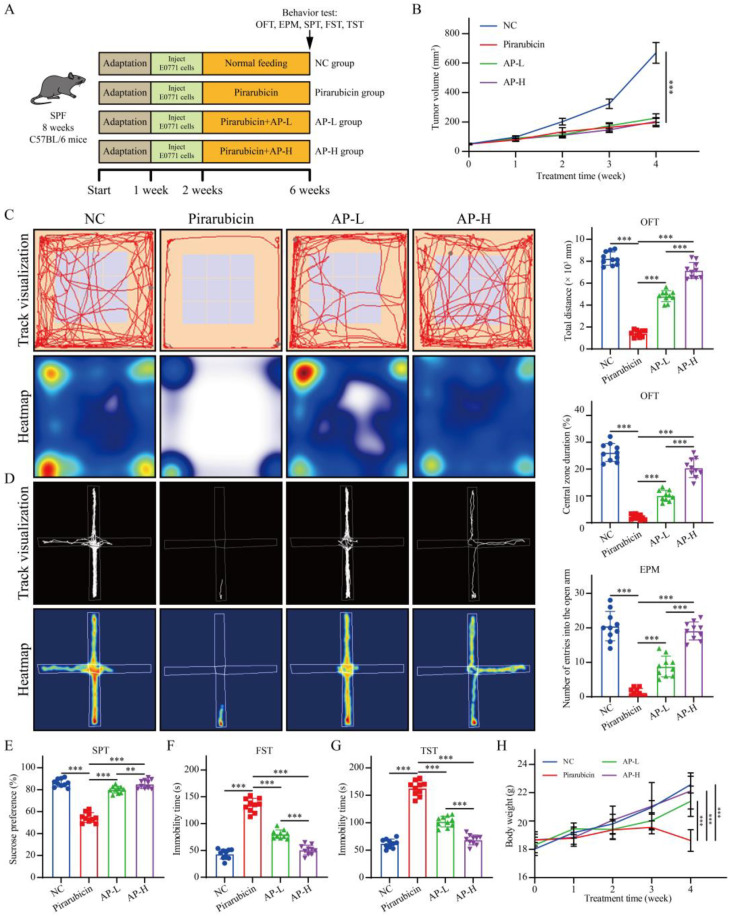 Figure 2
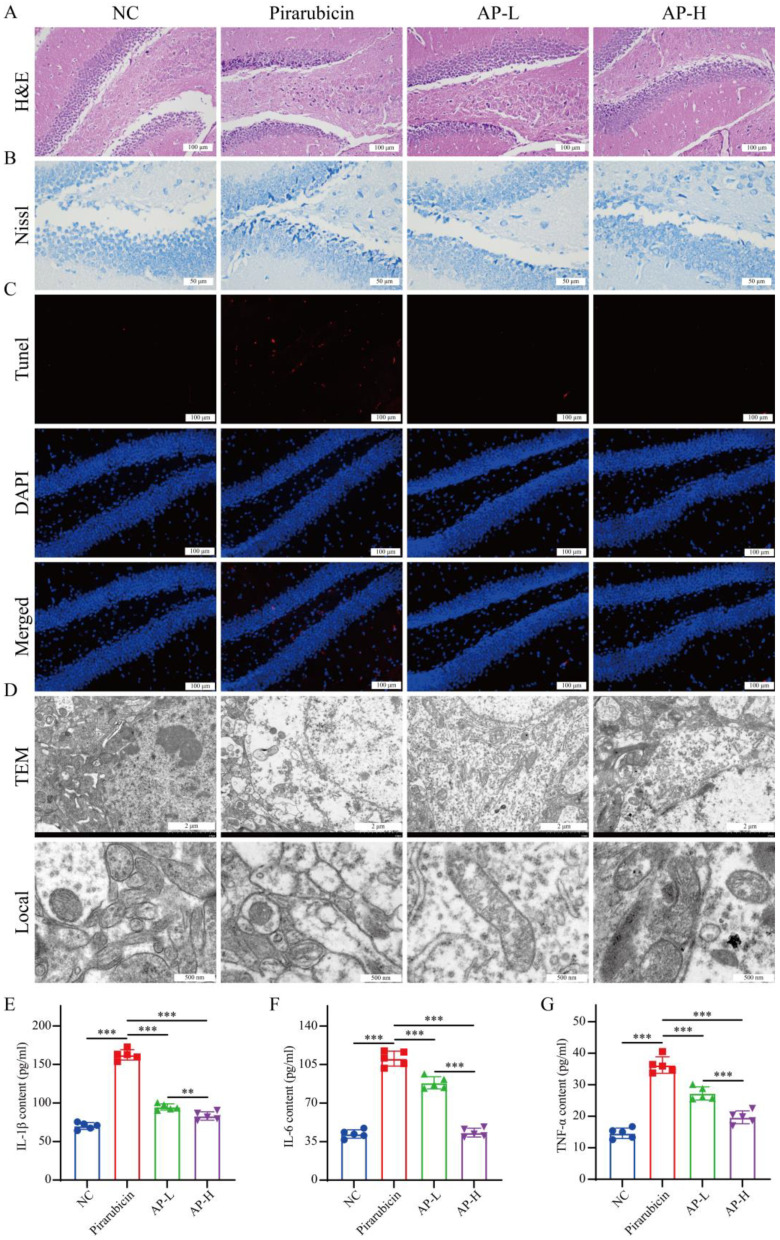 Figure 3
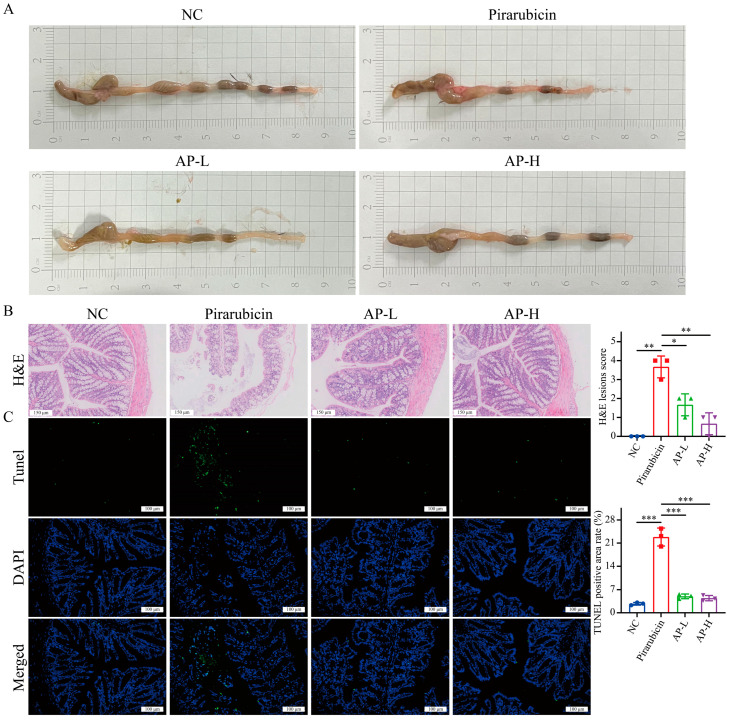 Figure 4
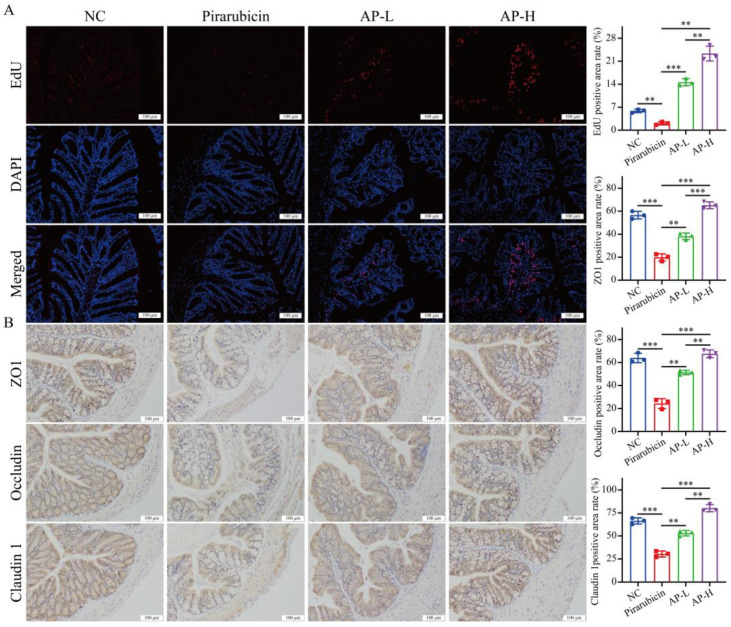 Figure 5
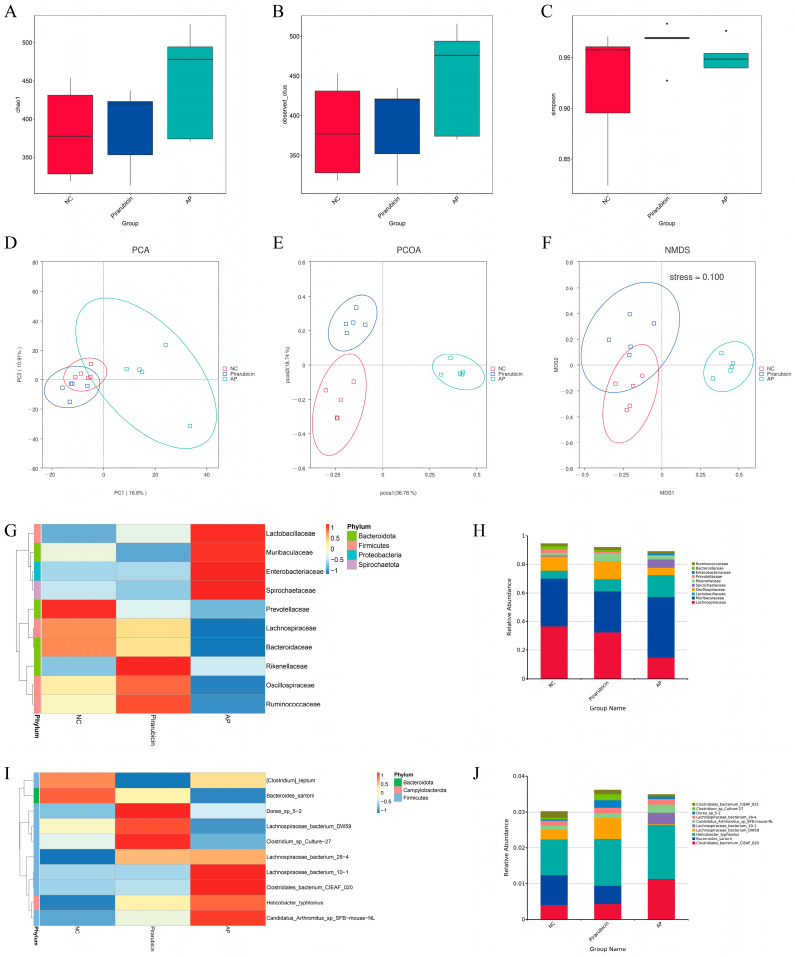 Figure 6
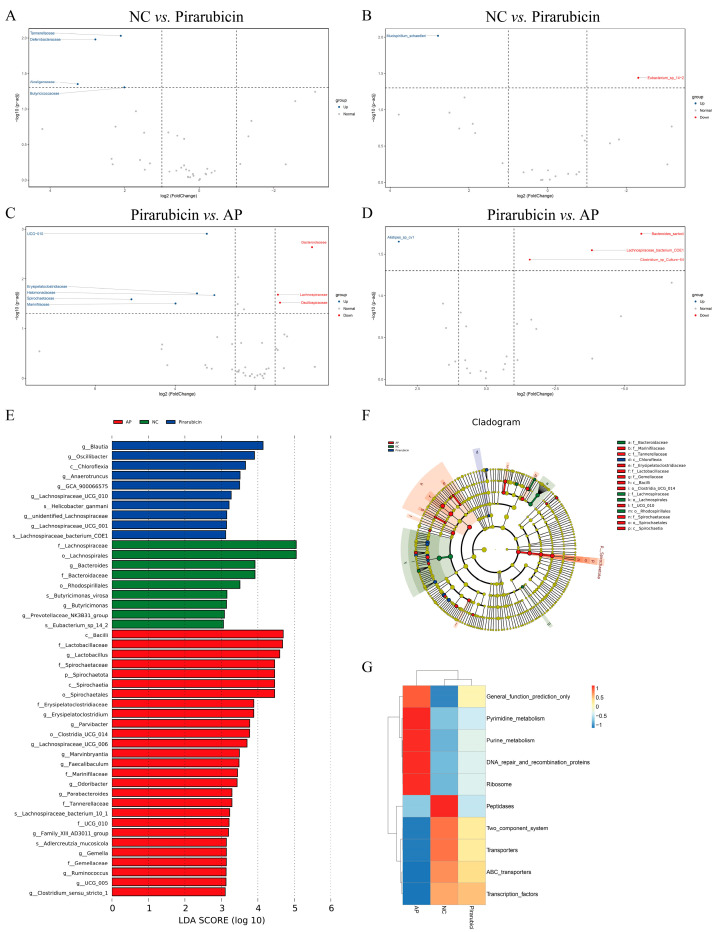 Figure 7
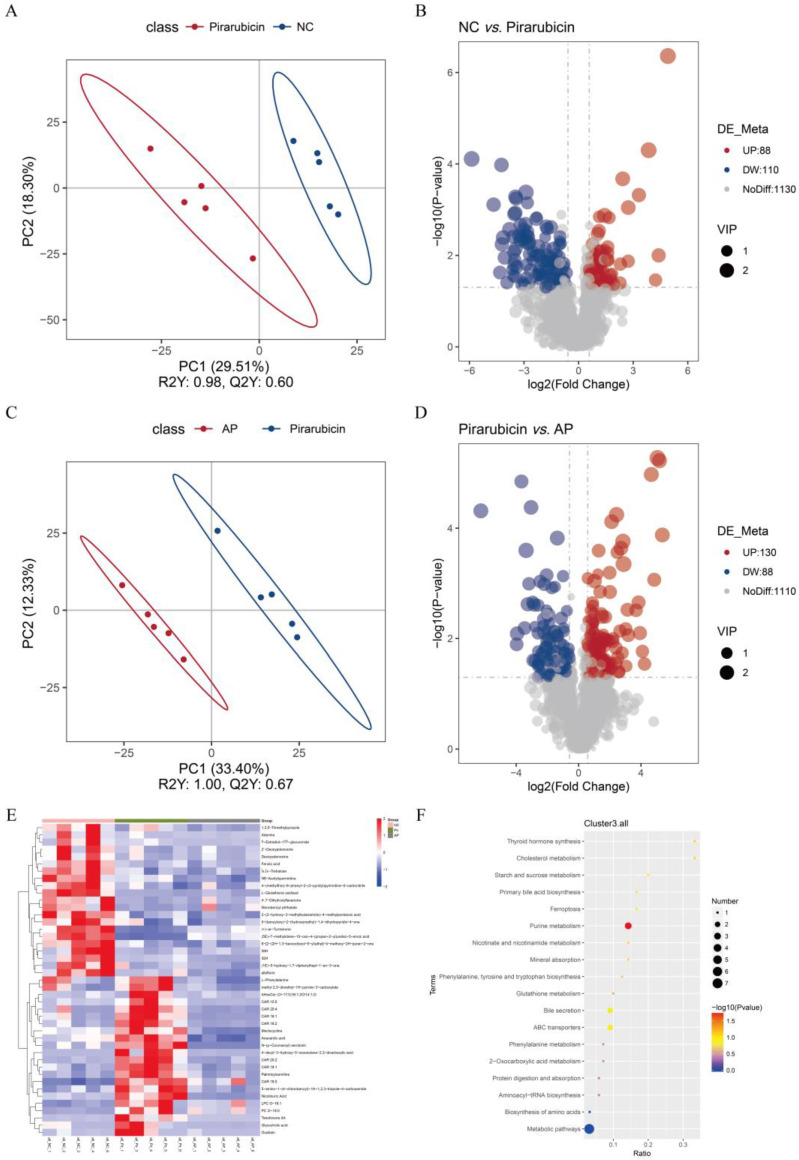 Figure 8
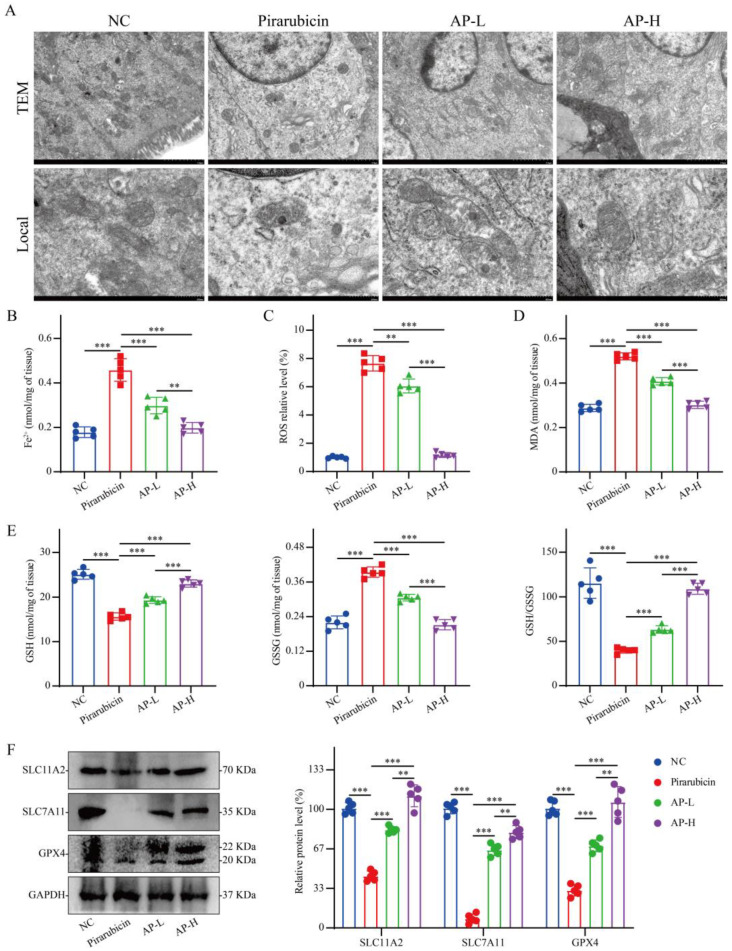 Figure 9
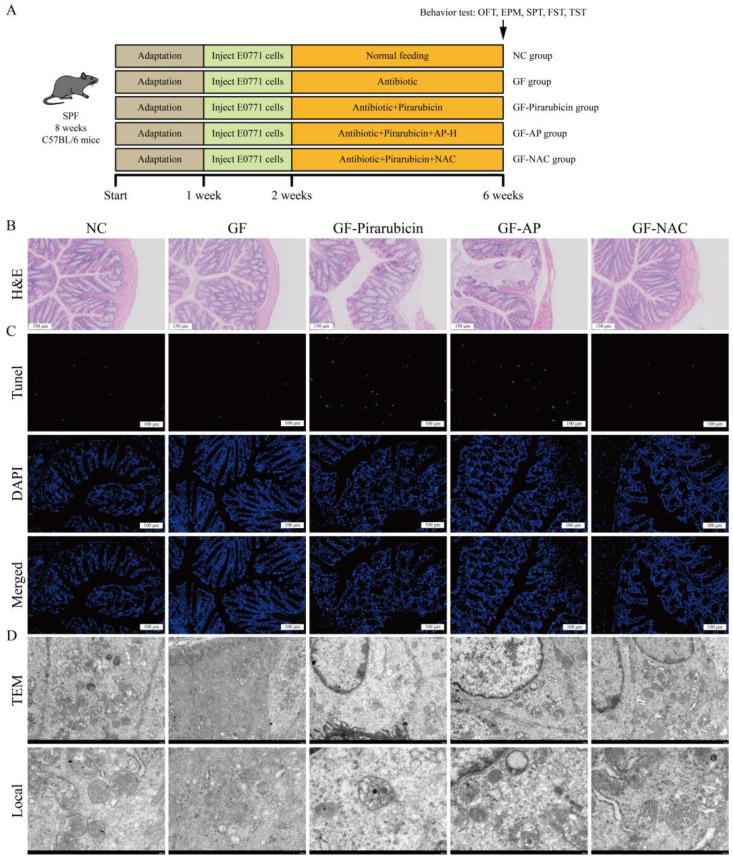 Figure 10
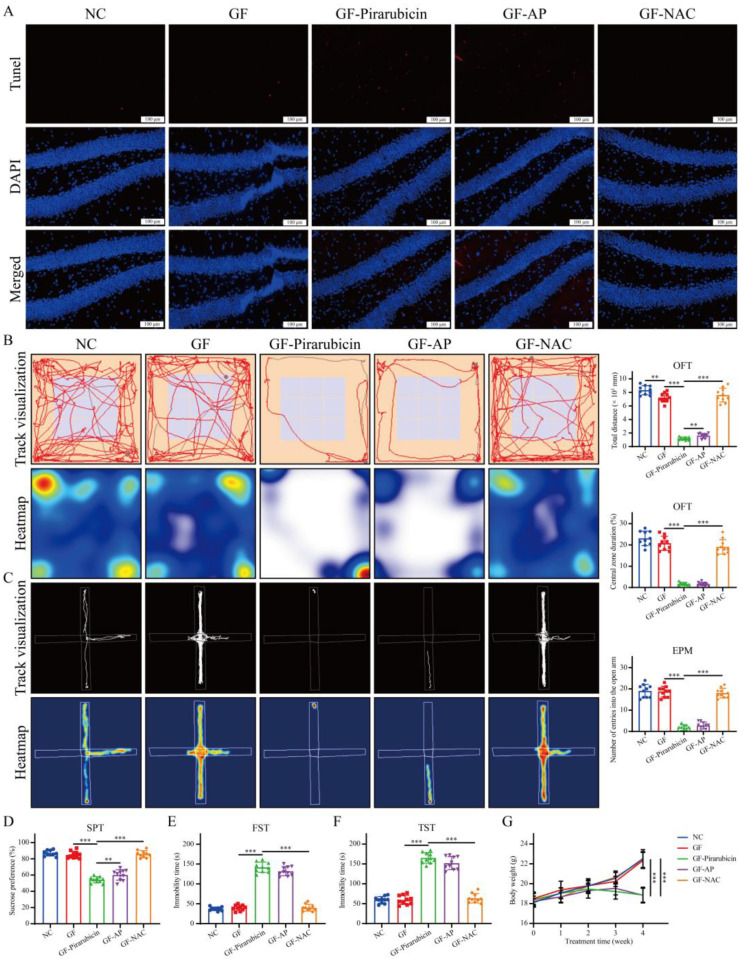 Figure 11
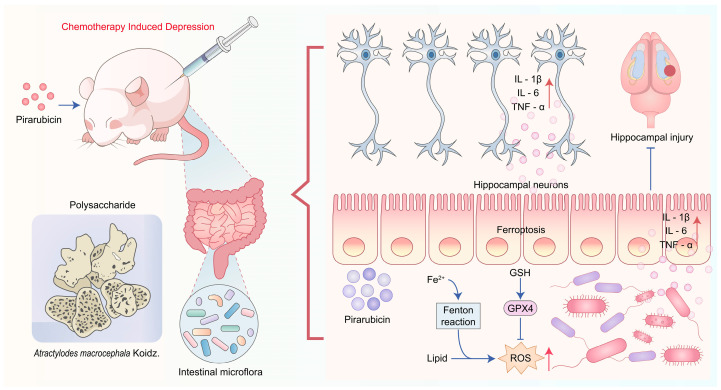 Figure 12
Peer Reviews
No public reviews on file for this paper yet. If you reviewed it on a platform where reviews are public (OpenReview, ICLR, NeurIPS, ICML), you can paste yours below so the community can read it here.
Videos
No videos yet. Explain this paper in a talk, walkthrough, or lecture? Add one.
Taxonomy
TopicsDiet and metabolism studies · Tryptophan and brain disorders · Gut microbiota and health