Honey Bee Pollination of Camellia oleifera and Mitigation of Toxic Crop Nectar
Feng Liu, Pingli Dai, Weiliang Zhou, Jinghua Hu, Fang Yuan, Xijian Xu, Wujun Jiang, Qun Luo, Huijun Huang, Ge Zhang, Wuguang Ye

TL;DR
Honey bees can pollinate tea oil trees in winter, but their nectar is toxic; adding an enzyme helps bees survive and improves pollination.
Contribution
A novel method using α-galactosidase to detoxify tea oil tree nectar for honey bees is proposed.
Findings
Tea oil tree nectar is toxic to honey bee larvae but toxicity can be reduced with α-galactosidase.
Honey bee pollination increases fruit set and seed yield, especially in warmer years.
Administering α-galactosidase improves larval survival when exposed to toxic nectar.
Abstract
Tea oil trees (Camellia oleifera) bloom in winter when wild pollinators are scarce. Managed honey bees could provide pollination services at this time; however, the nectar of tea oil trees is toxic to honey bees because they cannot digest its oligosaccharides, hindering sustainable pollination. This study aims to clarify the ecotoxicity of tea oil tree nectar on eastern honey bees (Apis cerana) and to propose a mitigation solution for its toxic effect. We found that tea oil tree nectar is toxic to honey bee larvae, but this toxicity can be alleviated by administrating α-galactosidase that can break down oligosaccharides in the digestive system. In addition, we observed that the effectiveness of pollination is affected by annual weather variations, suggesting that honey bee pollination provides greater benefits in favorable years with typically warmer temperatures. Our research offers a…
Genes, proteins, chemicals, diseases, species, mutations and cell lines named across the full text — each resolved to its canonical identifier and authoritative record.
Click any figure to enlarge with its caption.
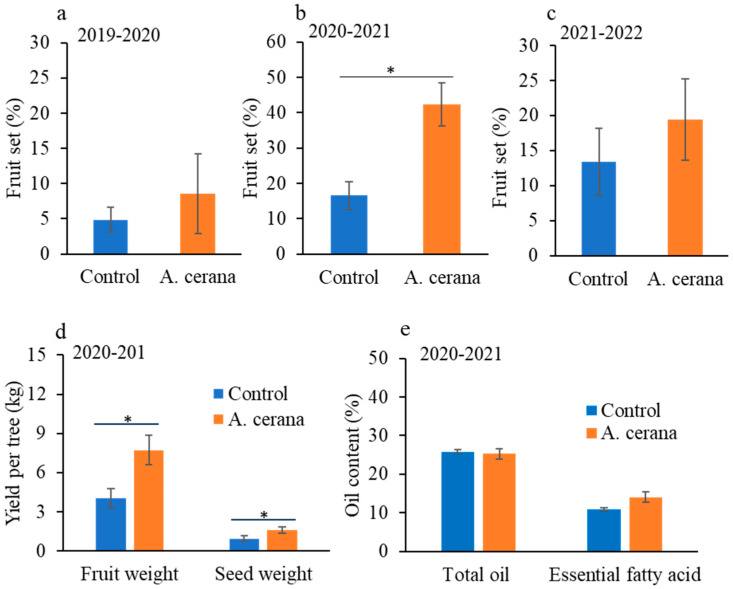 Figure 1
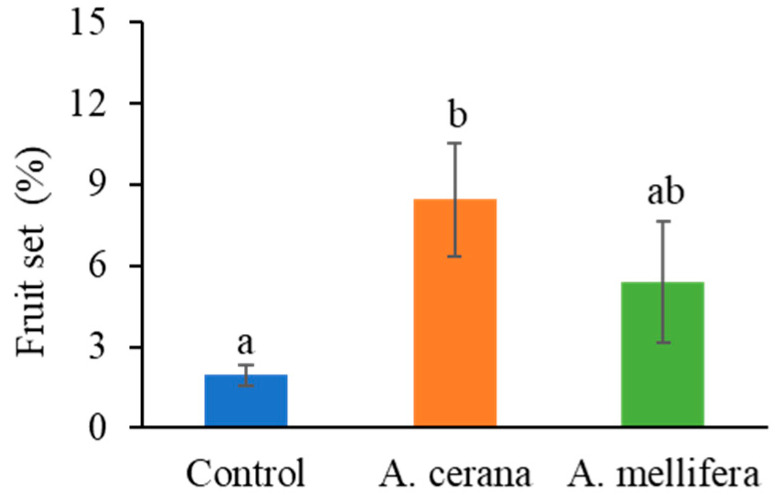 Figure 2
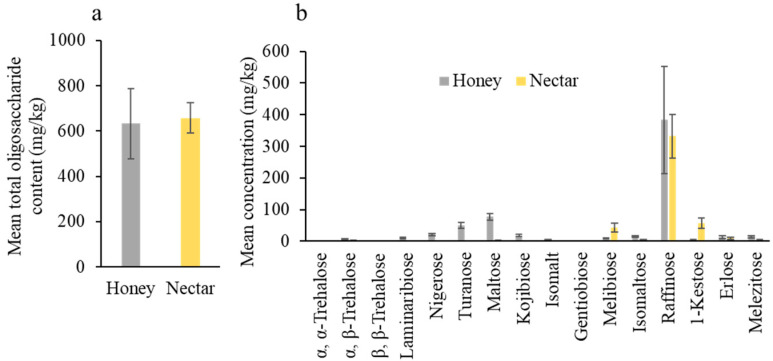 Figure 3
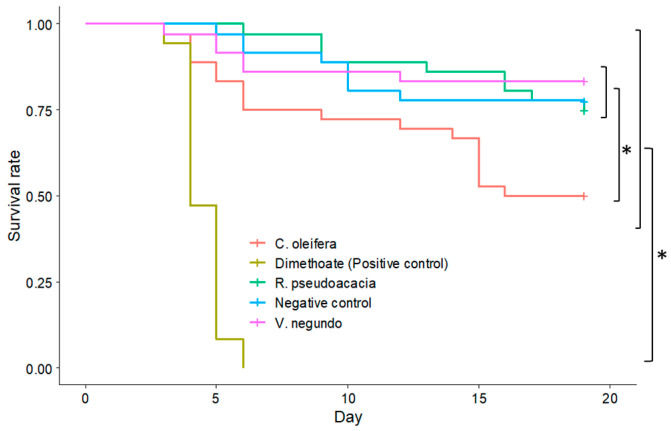 Figure 4
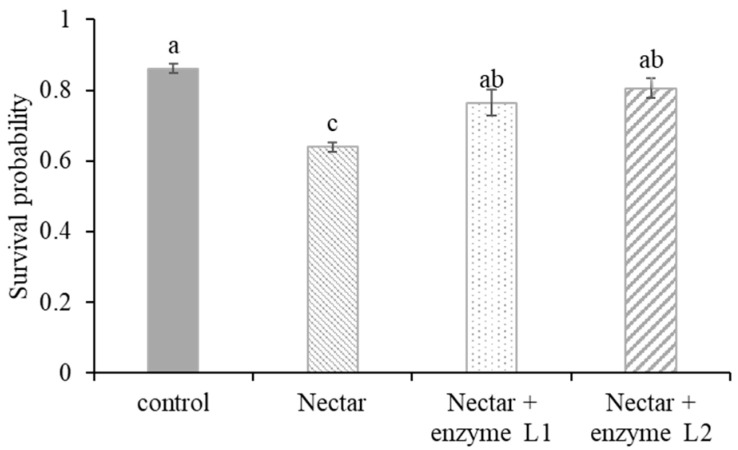 Figure 5
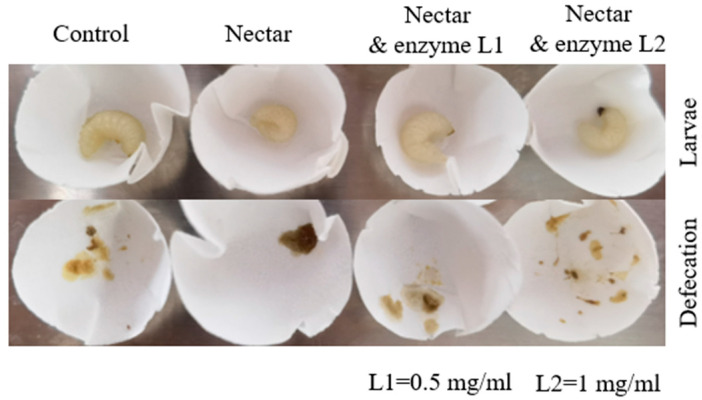 Figure 6
Peer Reviews
No public reviews on file for this paper yet. If you reviewed it on a platform where reviews are public (OpenReview, ICLR, NeurIPS, ICML), you can paste yours below so the community can read it here.
Videos
No videos yet. Explain this paper in a talk, walkthrough, or lecture? Add one.
Taxonomy
TopicsBee Products Chemical Analysis · Plant and animal studies · Insect and Pesticide Research