GLFNet: Attention Mechanism-Based Global–Local Feature Fusion Network for Micro-Expression Recognition
Meng Zhang, Long Yao, Wenzhong Yang, Yabo Yin

TL;DR
This paper introduces GLFNet, a new network for recognizing micro-expressions by combining global and local facial features using attention mechanisms.
Contribution
The novel GLFNet architecture with global-local feature fusion and a class-balanced loss function improves micro-expression recognition performance.
Findings
GLFNet outperforms existing methods on three benchmark datasets with improved F1-scores.
The class-balanced loss function effectively addresses class imbalance in micro-expression datasets.
The global-local feature fusion strategy is validated as effective for capturing subtle facial movements.
Abstract
Micro-expressions are extremely subtle and short-lived facial muscle movements that often reveal an individual’s genuine emotions. However, micro-expression recognition (MER) remains highly challenging due to its short duration, low motion intensity, and the imbalanced distribution of training samples. To address these issues, this paper proposes a Global–Local Feature Fusion Network (GLFNet) to effectively extract discriminative features for MER. Specifically, GLFNet consists of three core modules: the Global Attention (LA) module, which captures subtle variations across the entire facial region; the Local Block (GB) module, which partitions the feature map into four non-overlapping regions to emphasize salient local movements while suppressing irrelevant information; and the Adaptive Feature Fusion (AFF) module, which employs an attention mechanism to dynamically adjust channel-wise…
Genes, proteins, chemicals, diseases, species, mutations and cell lines named across the full text — each resolved to its canonical identifier and authoritative record.
Click any figure to enlarge with its caption.
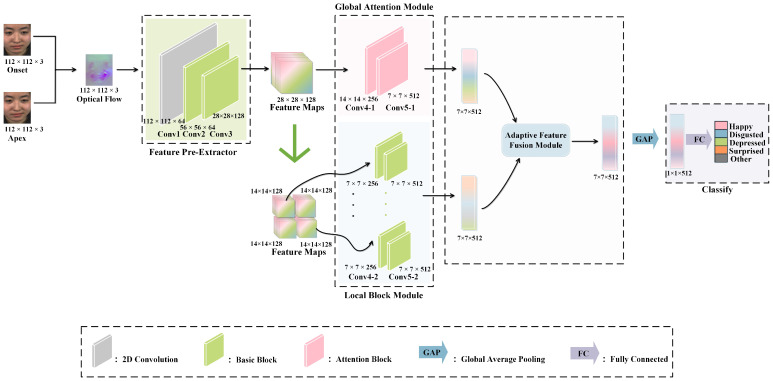 Figure 1
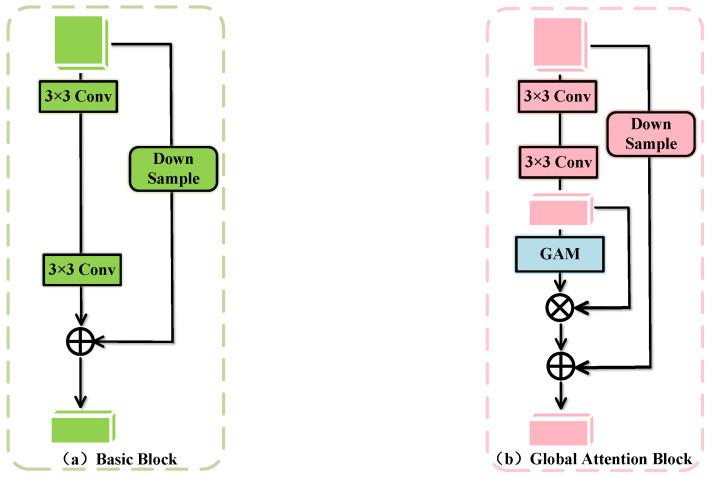 Figure 2
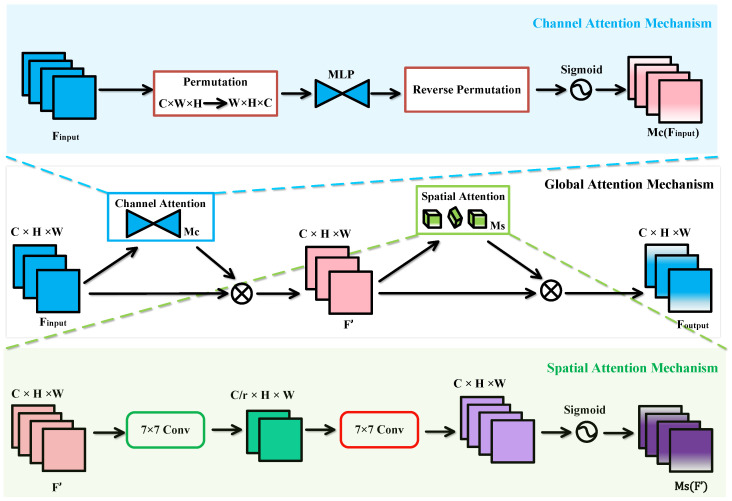 Figure 3
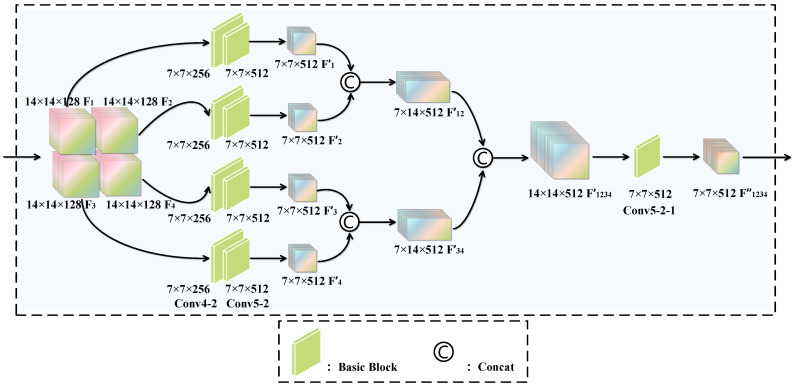 Figure 4
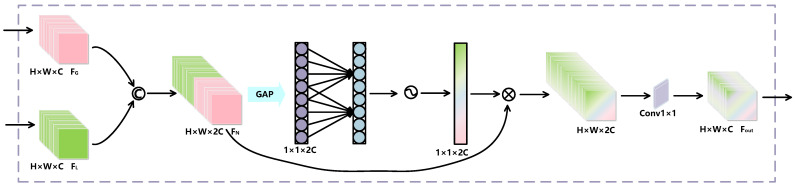 Figure 5
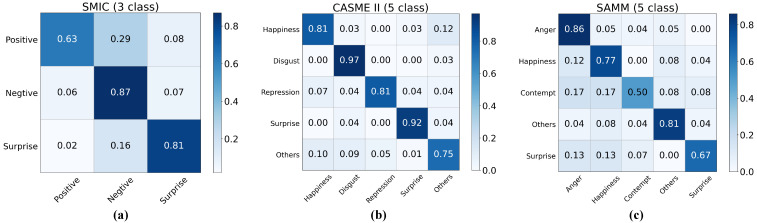 Figure 6
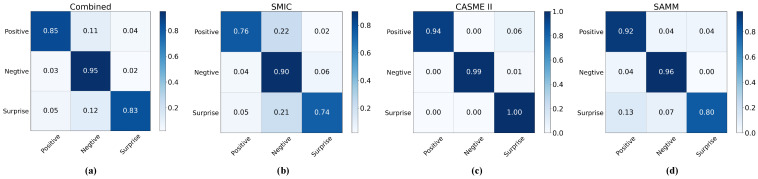 Figure 7
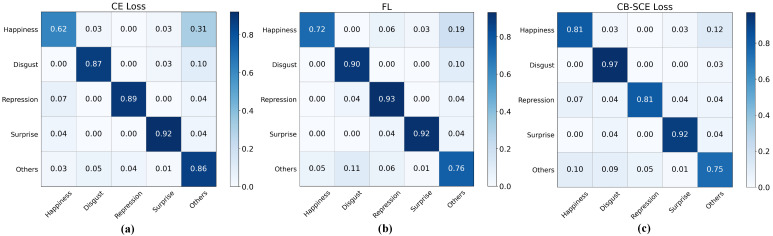 Figure 8
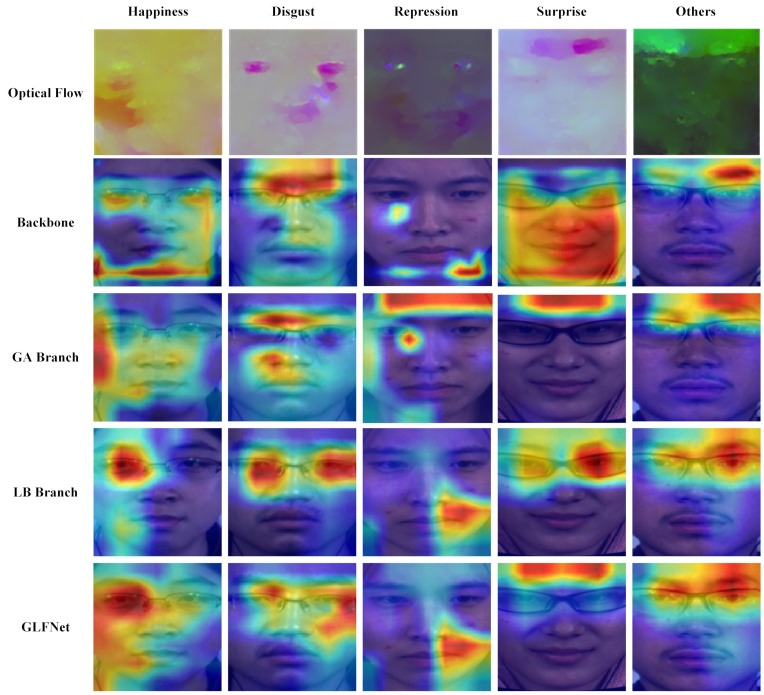 Figure 9
Peer Reviews
No public reviews on file for this paper yet. If you reviewed it on a platform where reviews are public (OpenReview, ICLR, NeurIPS, ICML), you can paste yours below so the community can read it here.
Videos
No videos yet. Explain this paper in a talk, walkthrough, or lecture? Add one.
Taxonomy
TopicsMedical Imaging Techniques and Applications · Radiomics and Machine Learning in Medical Imaging · Cell Image Analysis Techniques