Investigating the Effects of Gardenia Polysaccharides on LPS-Induced Immune Injury in Mice and Exploring the Molecular Mechanisms Underlying Its Regulatory Effect on the Immune Function of Macrophages
Pingdong Lin, Wen Yue, Han Xiang, Jing Liu, Xinzhu Chen

TL;DR
This study shows that Gardenia polysaccharides protect mice from immune damage caused by LPS and boost macrophage function through a key immune signaling pathway.
Contribution
The novel contribution is identifying the TLR4/NF-κB pathway as the mechanism through which Gardenia polysaccharides modulate macrophage immunity.
Findings
Gardenia polysaccharides reversed LPS-induced immunosuppression and oxidative stress in mice.
GP enhanced macrophage phagocytic activity and pro-inflammatory cytokine secretion via TLR4/NF-κB signaling.
Fluorescence imaging confirmed NF-κB p65 nuclear translocation, supporting pathway activation.
Abstract
This study investigated the protective effects of Gardenia jasminoides Ellis polysaccharides (GP) on lipopolysaccharide (LPS)-induced immunosuppression and oxidative stress in mice and explored how GP modulates macrophage polarization through the TLR4/NF-κB signaling axis. The results showed that GP notably restored thymus and spleen indices in LPS-treated mice, markedly decreased the serum concentrations of malondialdehyde, and enhanced superoxide dismutase activity and total antioxidant capacity. In RAW 264.7 macrophage cultures, GP displayed immunostimulatory effects by improving phagocytic activity, promoting NO synthesis, and enhancing the secretion of pro-inflammatory cytokines, including IL-1β, IL-6, and TNF-α. These effects were observed in cells not pretreated with TAK-242 or PDTC; however, they were not observed in cells pretreated with these inhibitors. At 300 µg/mL…
Genes, proteins, chemicals, diseases, species, mutations and cell lines named across the full text — each resolved to its canonical identifier and authoritative record.
Click any figure to enlarge with its caption.
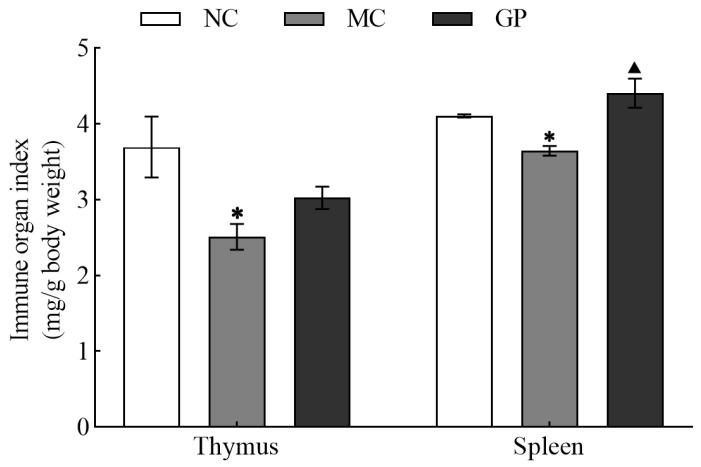 Figure 1
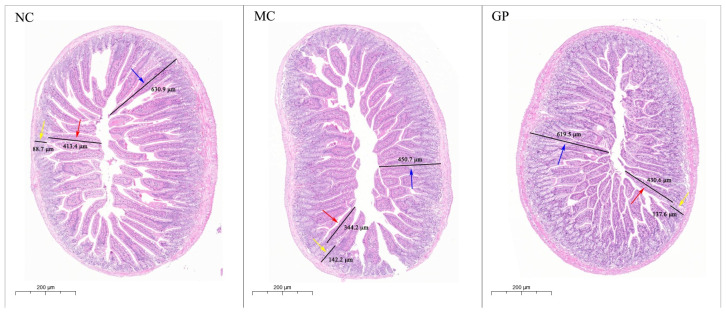 Figure 2
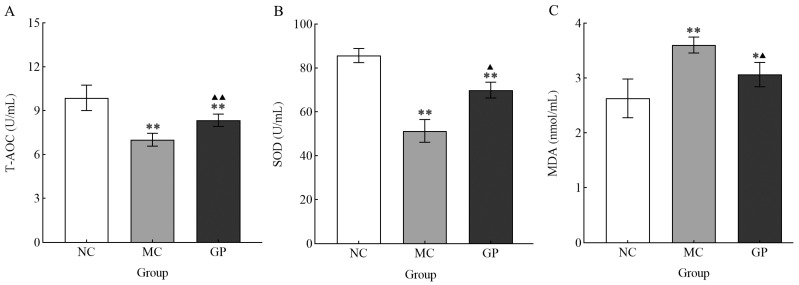 Figure 3
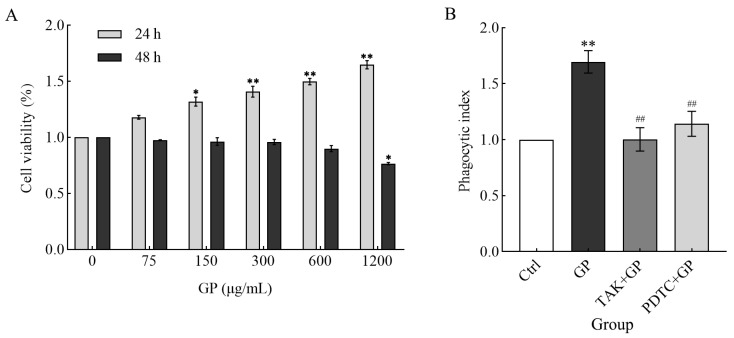 Figure 4
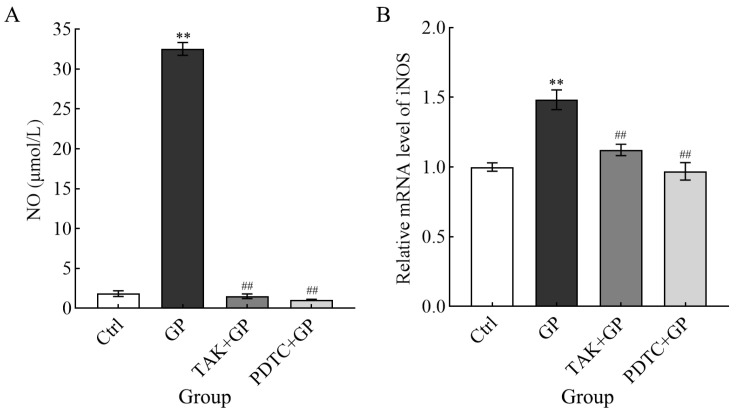 Figure 5
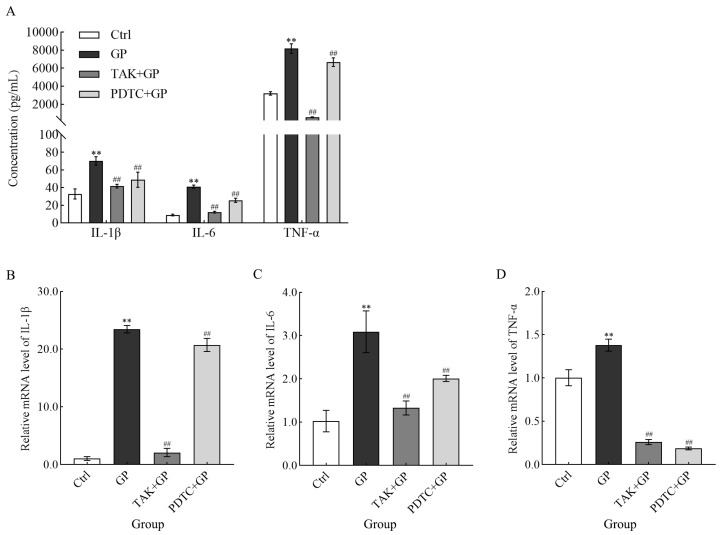 Figure 6
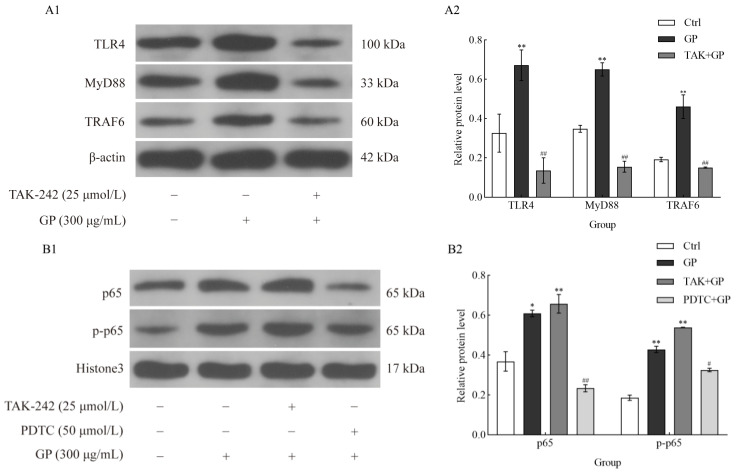 Figure 7
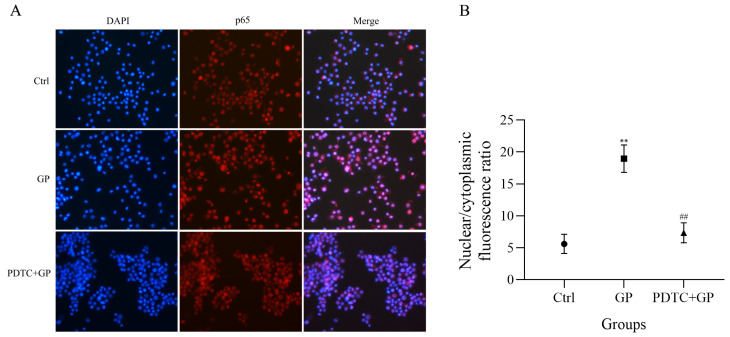 Figure 8
Peer Reviews
No public reviews on file for this paper yet. If you reviewed it on a platform where reviews are public (OpenReview, ICLR, NeurIPS, ICML), you can paste yours below so the community can read it here.
Videos
No videos yet. Explain this paper in a talk, walkthrough, or lecture? Add one.
Taxonomy
TopicsSaffron Plant Research Studies · Medicinal Plants and Bioactive Compounds · Phytochemistry and biological activity of medicinal plants