Utility of a Multimodal Biomarker Panel and Serum Proapoptotic Activity to Refine Diagnosis of Ovarian Adnexal Masses
Andrea Molina-Pineda, Francisco Osiel Jauregui-Salazar, Aleyda Guadalupe Zamudio-Martínez, Sayma Vizcarra-Ramos, Jesús García-Gómez, Benjamín González-Amézquita, Lizeth Montserrat Aguilar-Vazquez, Raquel Villegas-Pacheco, Rodolfo Hernandez-Gutierrez, Luis Felipe Jave-Suárez

TL;DR
This study explores new blood-based biomarkers and apoptosis tests to better distinguish between benign and malignant ovarian masses, improving diagnostic accuracy beyond current methods.
Contribution
The study introduces two novel multiparametric classifiers combining biomarkers and apoptosis data for improved ovarian mass diagnosis.
Findings
Classifier 1 (CA125, HE4, MRP8/14, and apoptosis) outperformed ROMA in specificity and accuracy.
Classifier 2 (including OPN, SAA, IL-6, IL-8, and IGFBP-4) showed even greater diagnostic performance.
Malignant tumors were associated with older age, postmenopausal status, and larger tumor size.
Abstract
Background/Objectives: Ovarian adnexal masses present diagnostic challenges due to their heterogeneous etiologies. Accurately differentiating these conditions is critical for timely and effective clinical intervention. This study evaluated circulating molecules and serum-induced apoptosis as complementary tools to conventional diagnostic methods (CA125, HE4, and the ROMA index) for distinguishing benign masses from malignant masses. Methods: A cohort of 136 participants (9 healthy controls, 87 women with benign ovarian adnexal masses and 40 with malignant ovarian adnexal masses) was analyzed. The induction of apoptosis in Jurkat cells by patient serum was assessed using flow cytometry. Serum concentrations of sFas/CD95, HE4, CA125, and additional molecules were measured by ELISA and LEGENDplex™. Clinical, ultrasonographic, and histopathological data were correlated with tumor…
Genes, proteins, chemicals, diseases, species, mutations and cell lines named across the full text — each resolved to its canonical identifier and authoritative record.
Click any figure to enlarge with its caption.
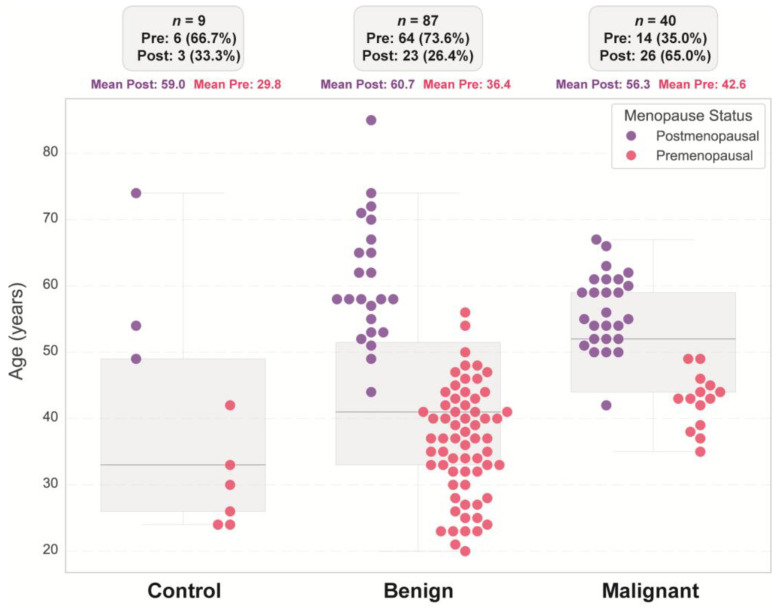 Figure 1
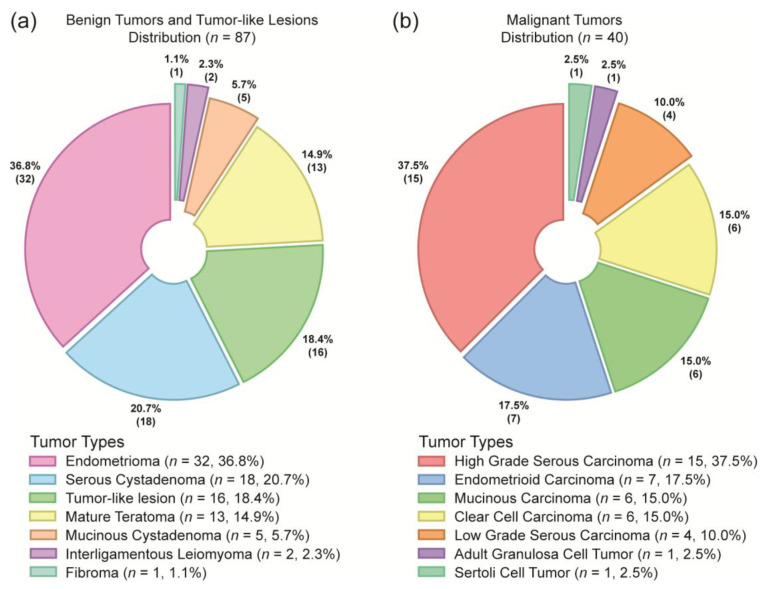 Figure 2
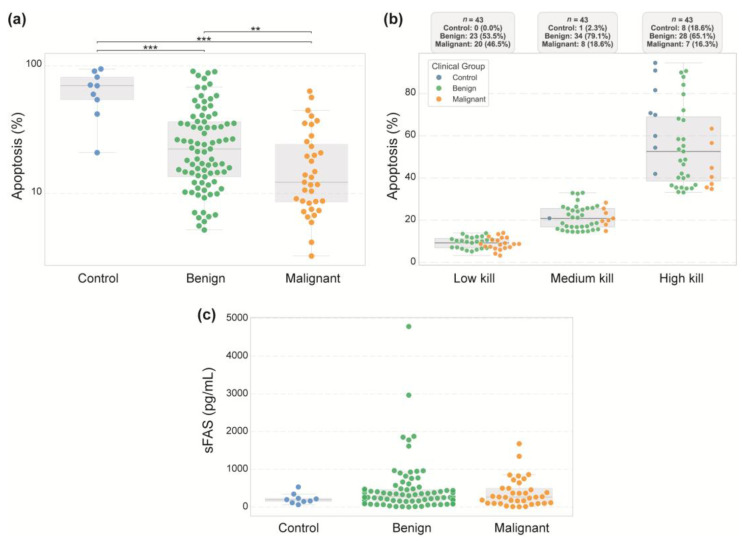 Figure 3
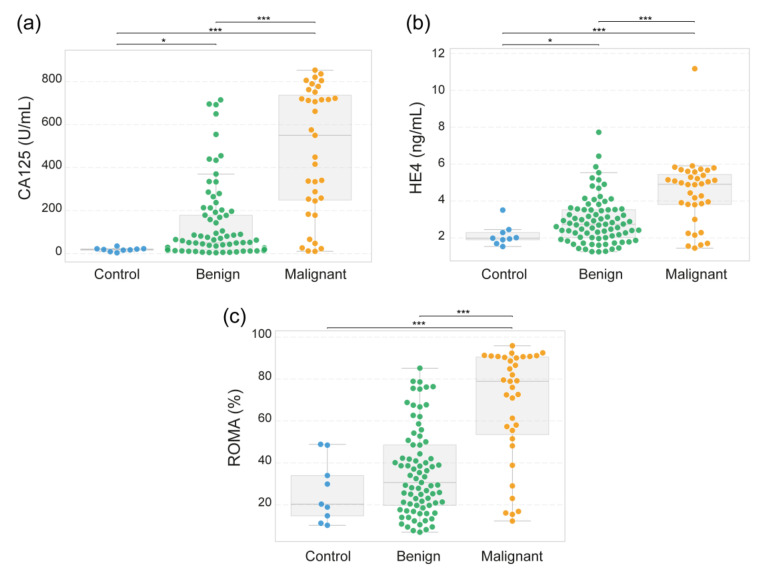 Figure 4
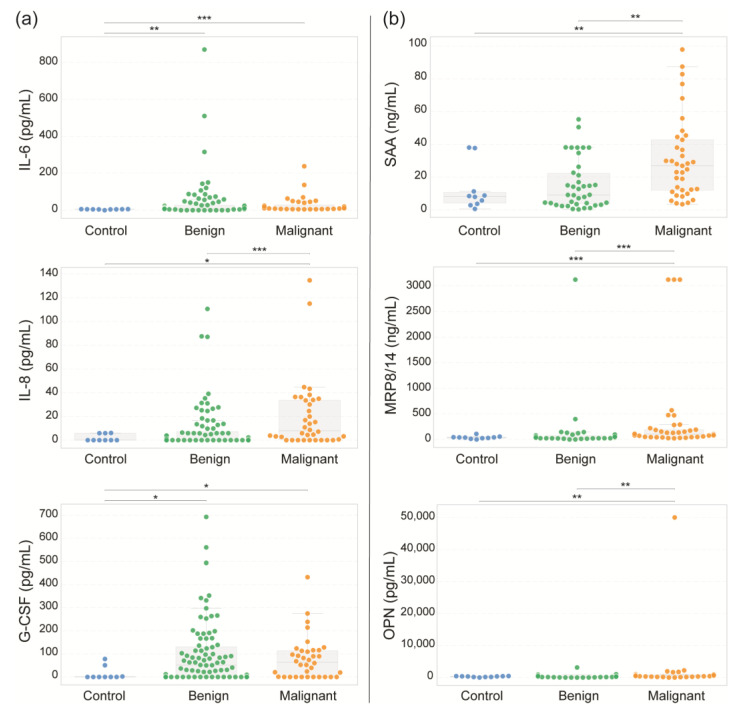 Figure 5
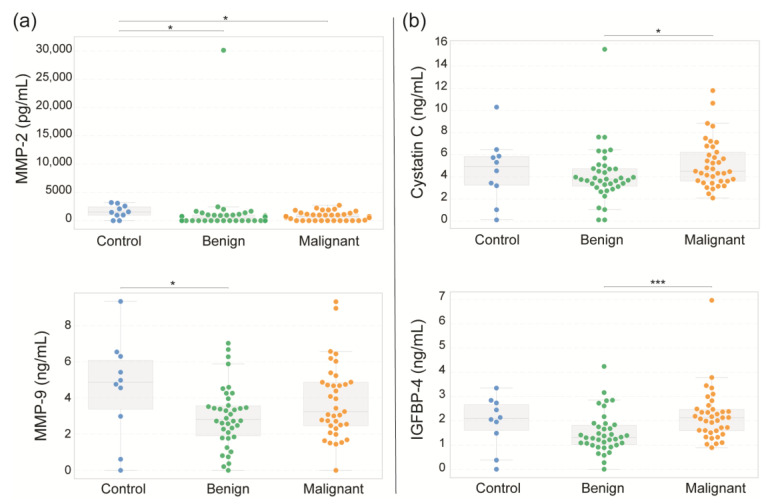 Figure 6
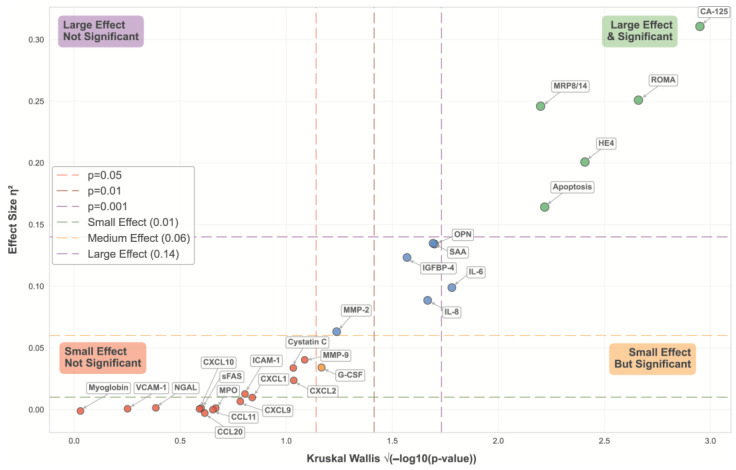 Figure 7
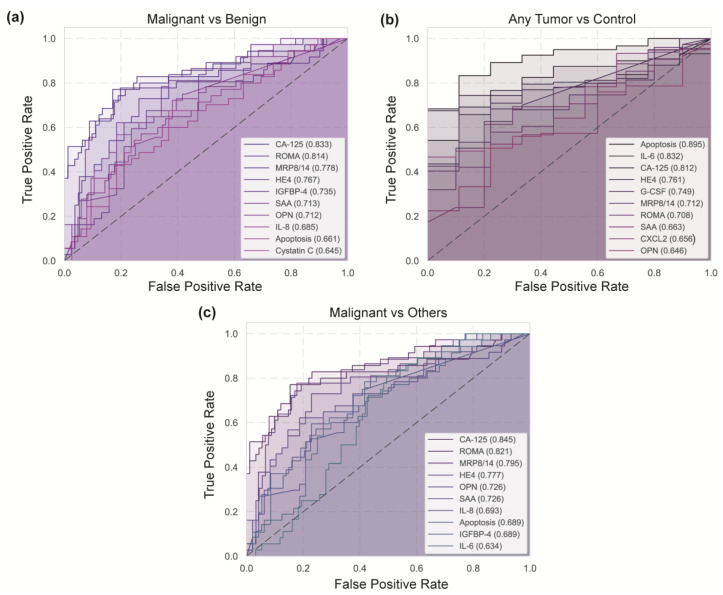 Figure 8
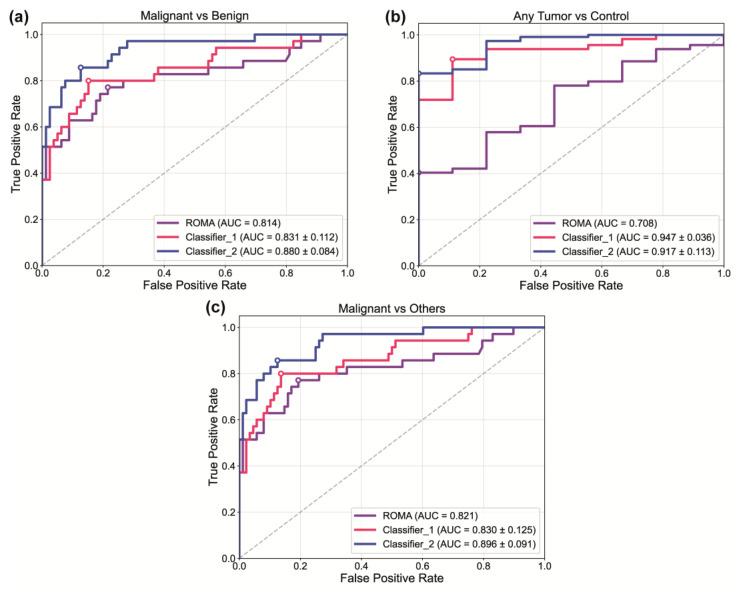 Figure 9
Peer Reviews
No public reviews on file for this paper yet. If you reviewed it on a platform where reviews are public (OpenReview, ICLR, NeurIPS, ICML), you can paste yours below so the community can read it here.
Videos
No videos yet. Explain this paper in a talk, walkthrough, or lecture? Add one.
Taxonomy
TopicsOvarian cancer diagnosis and treatment · Reproductive Physiology in Livestock · Endometrial and Cervical Cancer Treatments