ATAD2 as a Cancer Target: Insights into Its Structure, Functions, Mechanisms, and Drug Development
Tanya Garain, Prateek Rai, Wei Li, Souvik Banerjee

TL;DR
This review explores ATAD2, a protein linked to cancer progression, and discusses its structure, functions, and potential as a target for new cancer therapies.
Contribution
The paper provides new insights into ATAD2's role in cancer and evaluates recent drug development strategies, including computational and small-molecule approaches.
Findings
Elevated ATAD2 levels promote tumor growth, survival, and resistance to therapies.
Recent computational and structural studies have enhanced understanding of ATAD2's interactions and drug binding.
Small-molecule inhibitors are being developed to target ATAD2, with challenges in clinical translation identified.
Abstract
Cancer remains a major cause of death worldwide, driven by numerous molecular pathways that support tumor growth, survival, and progression. The search for new therapeutic targets has identified several promising proteins that act through distinct mechanisms. One such target is ATPase family AAA domain-containing protein 2 (ATAD2), a protein that regulates how genes are organized and expressed in cells. Elevated ATAD2 levels are found in many cancers, where it promotes tumor proliferation, survival, and metastasis, and emerging evidence suggests it may contribute to resistance against existing therapies. This review provides a comprehensive overview of ATAD2, including its structure, biological functions, and role in cancer progression. It also highlights strategies being explored to inhibit ATAD2, particularly small-molecule approaches, and presents computational insights that enhance…
Genes, proteins, chemicals, diseases, species, mutations and cell lines named across the full text — each resolved to its canonical identifier and authoritative record.
Click any figure to enlarge with its caption.
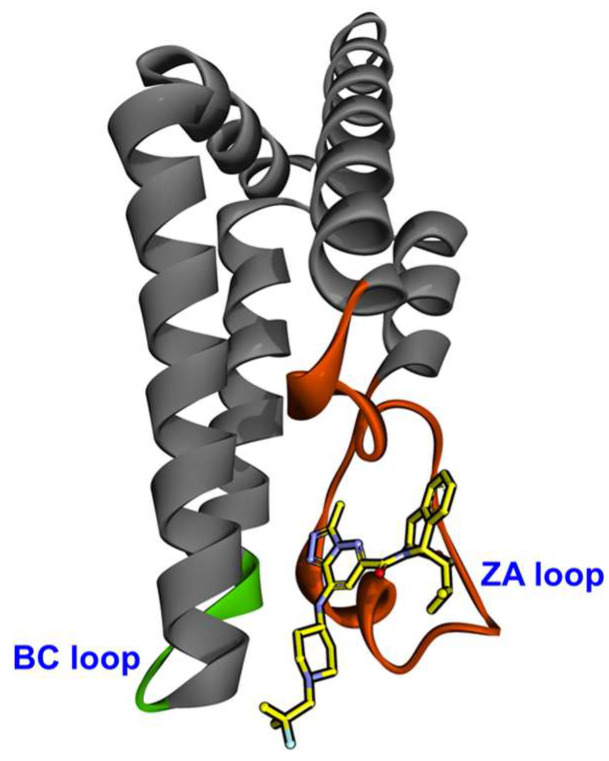 Figure 1
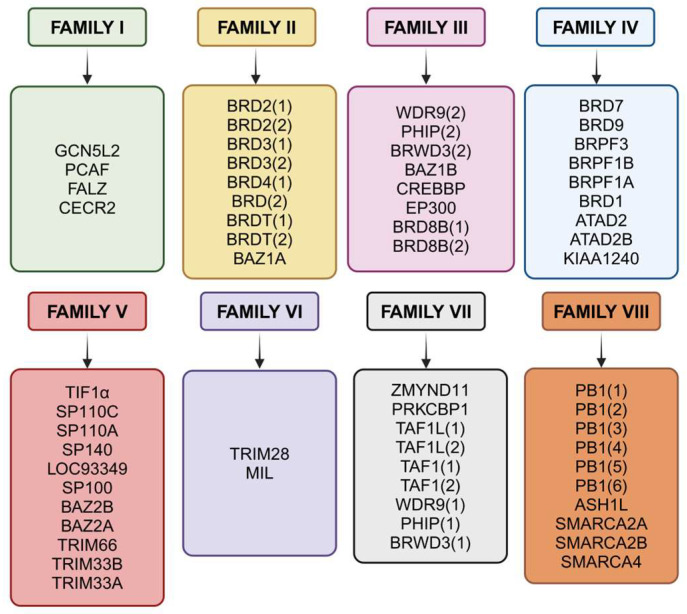 Figure 2
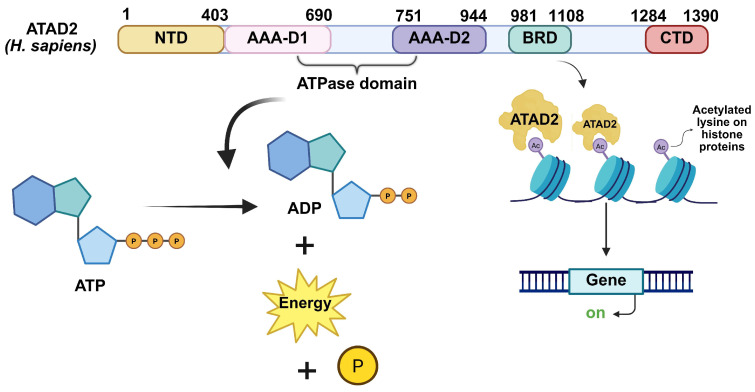 Figure 3
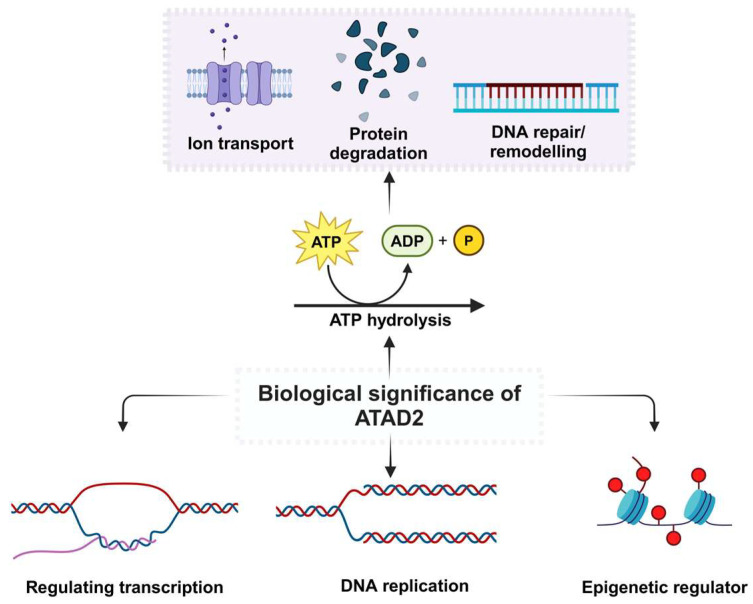 Figure 4
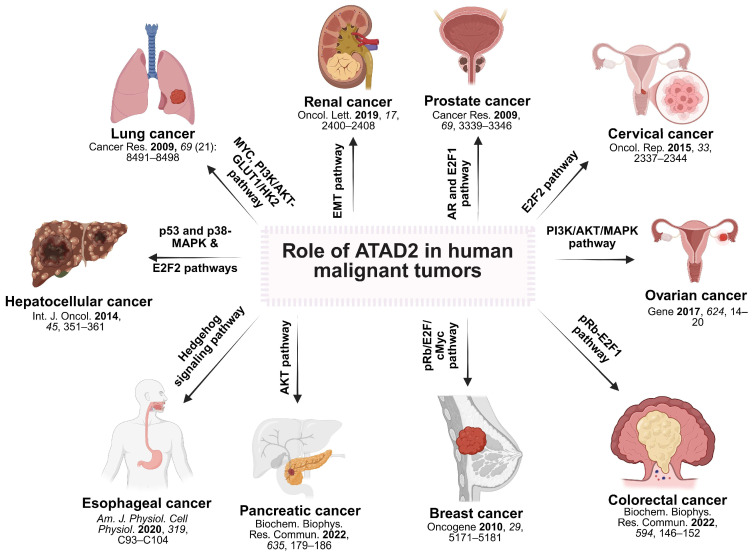 Figure 5
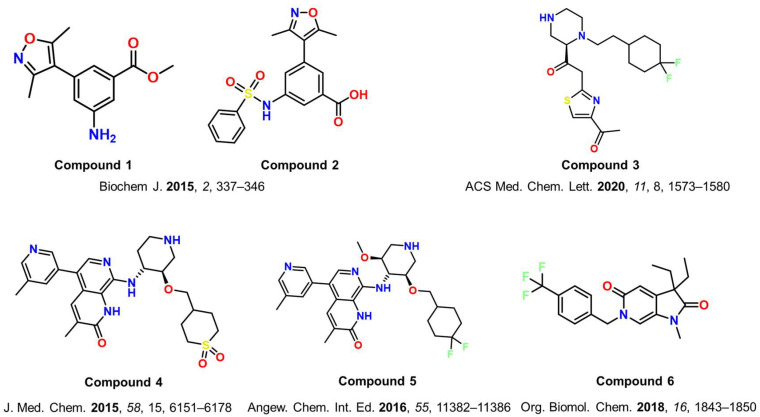 Figure 6
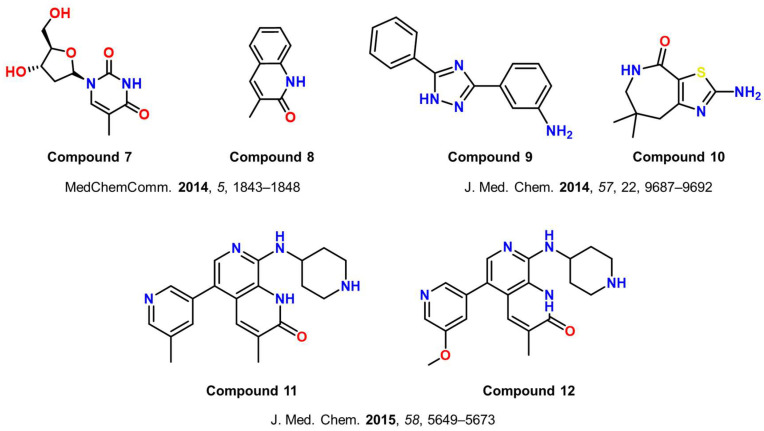 Figure 7
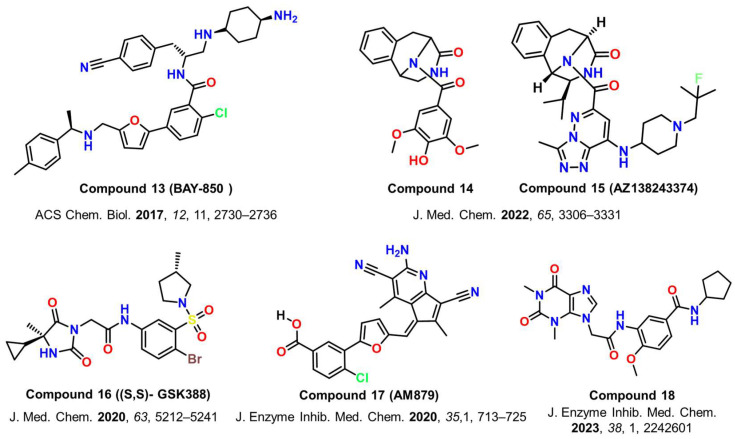 Figure 8
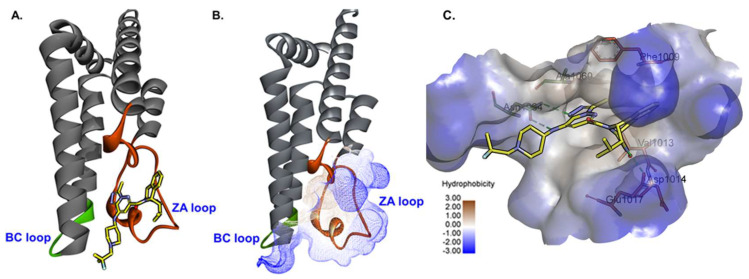 Figure 9
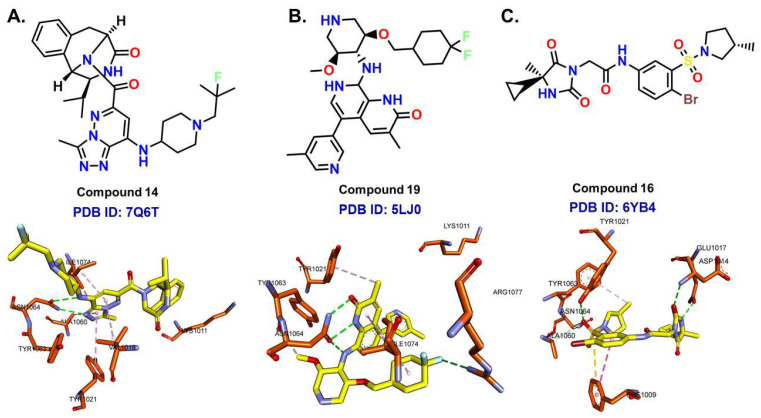 Figure 10
Peer Reviews
No public reviews on file for this paper yet. If you reviewed it on a platform where reviews are public (OpenReview, ICLR, NeurIPS, ICML), you can paste yours below so the community can read it here.
Videos
No videos yet. Explain this paper in a talk, walkthrough, or lecture? Add one.
Taxonomy
TopicsProtein Degradation and Inhibitors · Ubiquitin and proteasome pathways · Peptidase Inhibition and Analysis