Intestinal Ischemia/Reperfusion Injury Influences Hyaluronan Homeostasis in the Rat Brain
Annalisa Bosi, Nicolò Baranzini, Alessandra Ponti, Paola Moretto, Elisabetta Moro, Francesca Crema, Rossella Cianci, Evgenia Karousou, Manuela Viola, Alberto Passi, Davide Vigetti, Andreina Baj, Annalisa Grimaldi, Paolo Severgnini, Cristina Giaroni

TL;DR
This study shows that intestinal injury can affect brain health by altering hyaluronan levels and triggering inflammation, especially in the hippocampus.
Contribution
The study reveals a novel link between intestinal ischemia/reperfusion injury and hyaluronan-mediated neuroinflammation in the rat brain.
Findings
Intestinal IRI significantly reduced hyaluronan and neurocan levels in the hippocampus and striatum.
4-Methylumbelliferone reduced IL6 levels in the hippocampus but not in the striatum.
Changes in TLR4-NFκB-pIκB pathway and microglial activation were observed in brain regions affected by IRI.
Abstract
Intestinal ischemia and reperfusion injury (IRI) can lead to multiple organ dysfunction, including the central nervous system (CNS), where a neuroinflammatory response may develop. Hyaluronan, a glycosaminoglycan component of the extracellular matrix, has been shown to modulate enteric neuronal and immune function during in vivo IRI in the rat small intestine. The aim of this study was to investigate the potential involvement of hyaluronan in the alterations induced by in vivo intestinal IRI in the rat hippocampus and striatum. Mesenteric ischemia was induced in anesthetized adult male rats for 60 min, followed by 24 h of reperfusion. Injured (IRI group), sham-operated (SHAM group), and non-injured (CTR group) animals were treated with the hyaluronan synthesis inhibitor 4-methylumbelliferone (4-MU; 25 mg/kg). In the hippocampus and striatum of the IRI group, levels of both hyaluronan…
Genes, proteins, chemicals, diseases, species, mutations and cell lines named across the full text — each resolved to its canonical identifier and authoritative record.
Click any figure to enlarge with its caption.
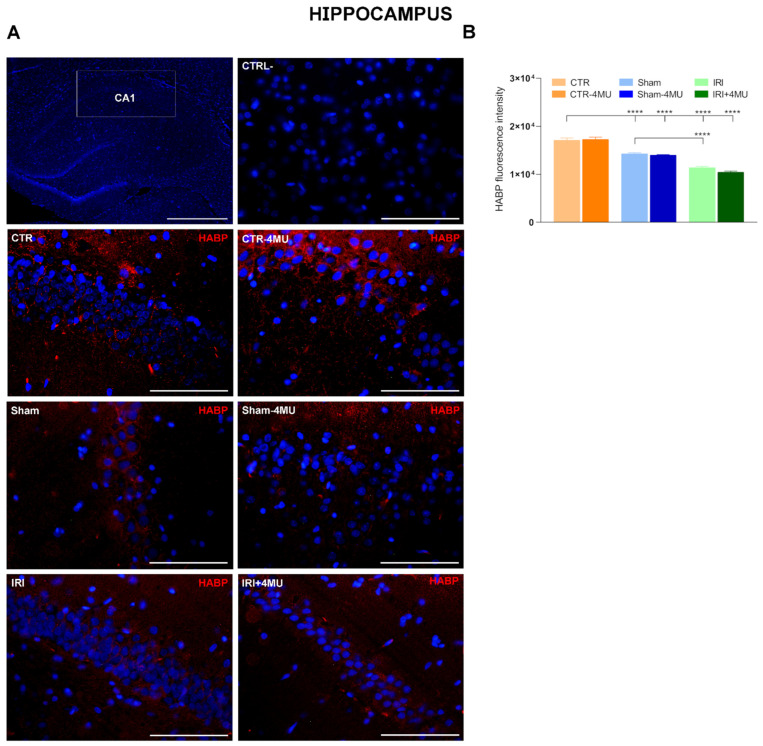 Figure 1
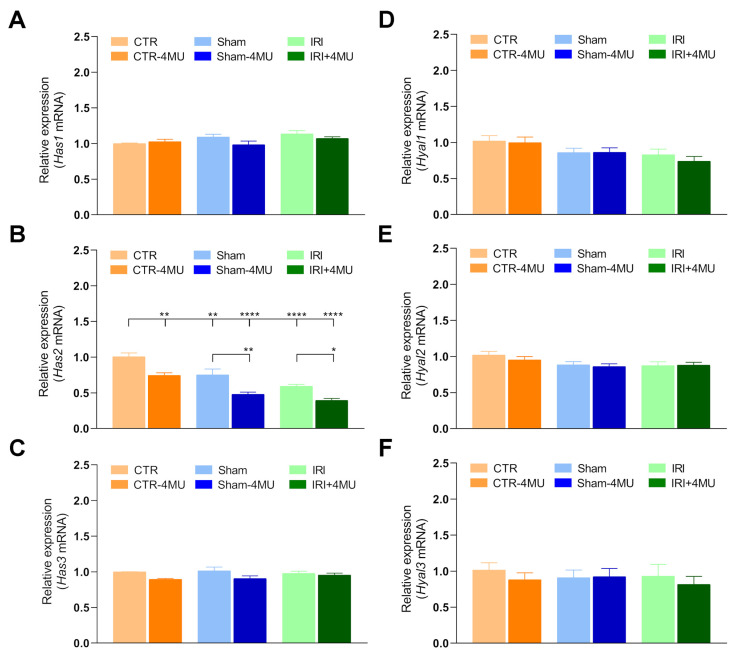 Figure 2
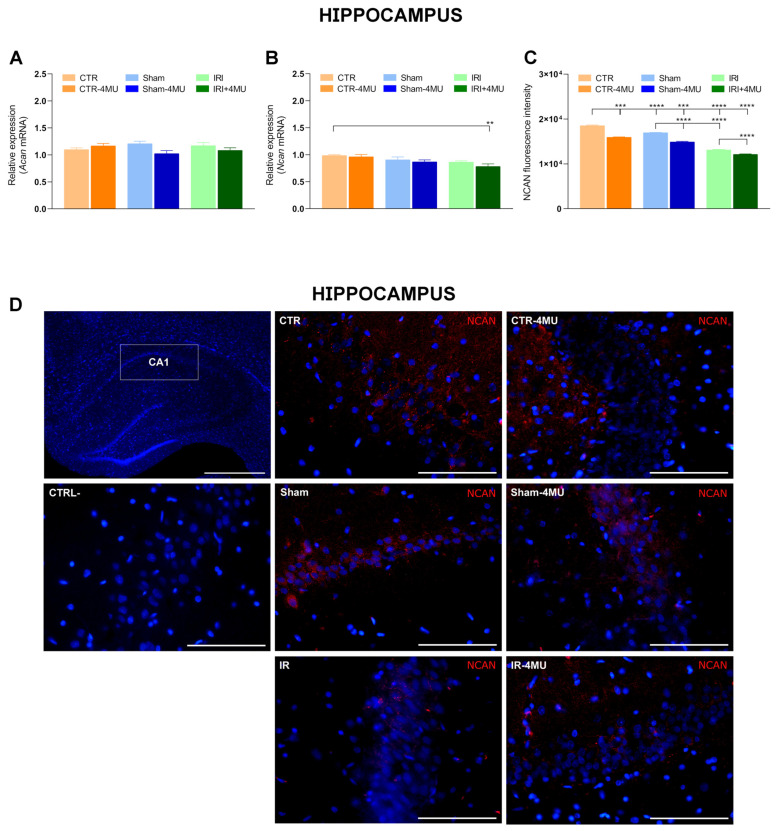 Figure 3
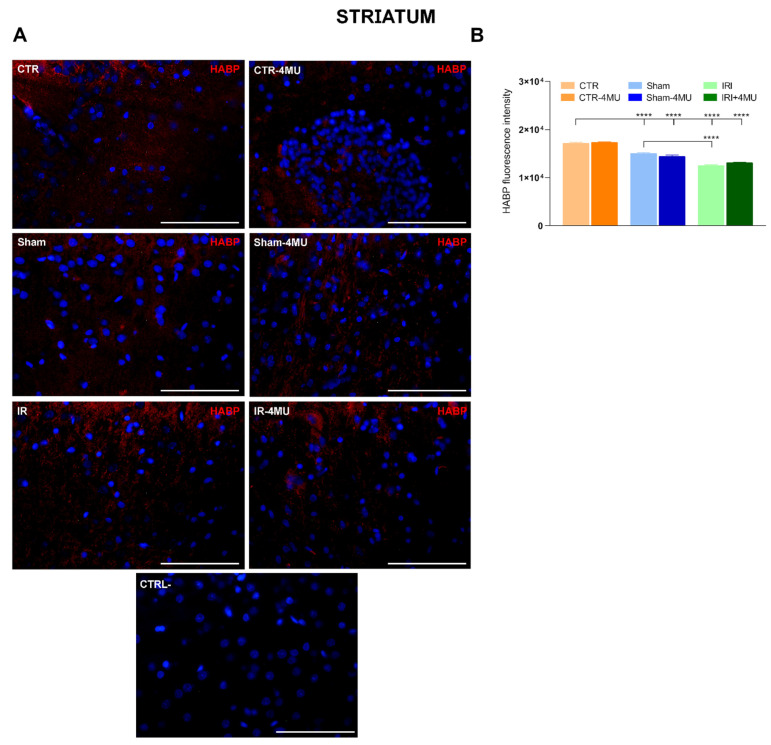 Figure 4
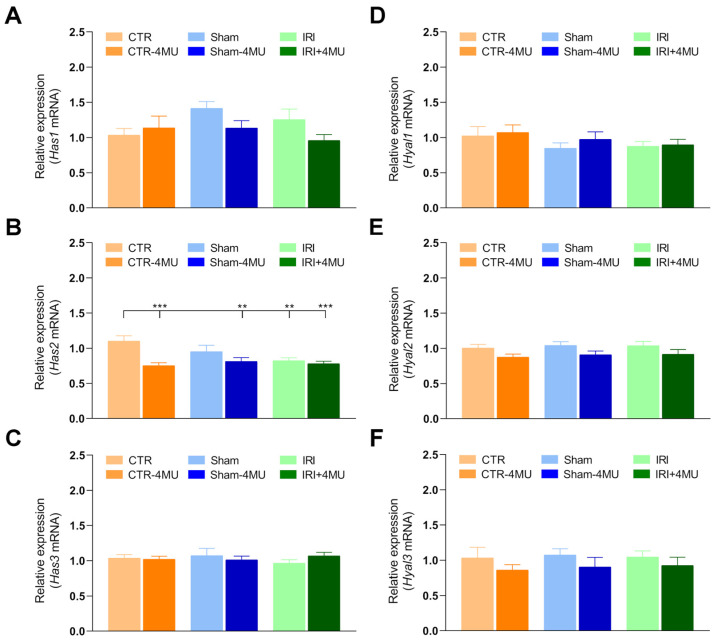 Figure 5
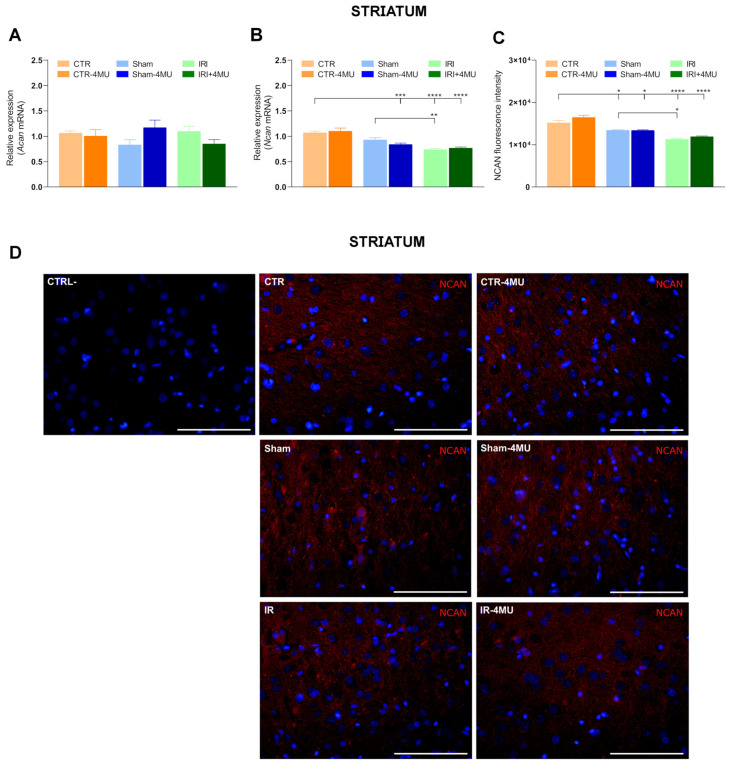 Figure 6
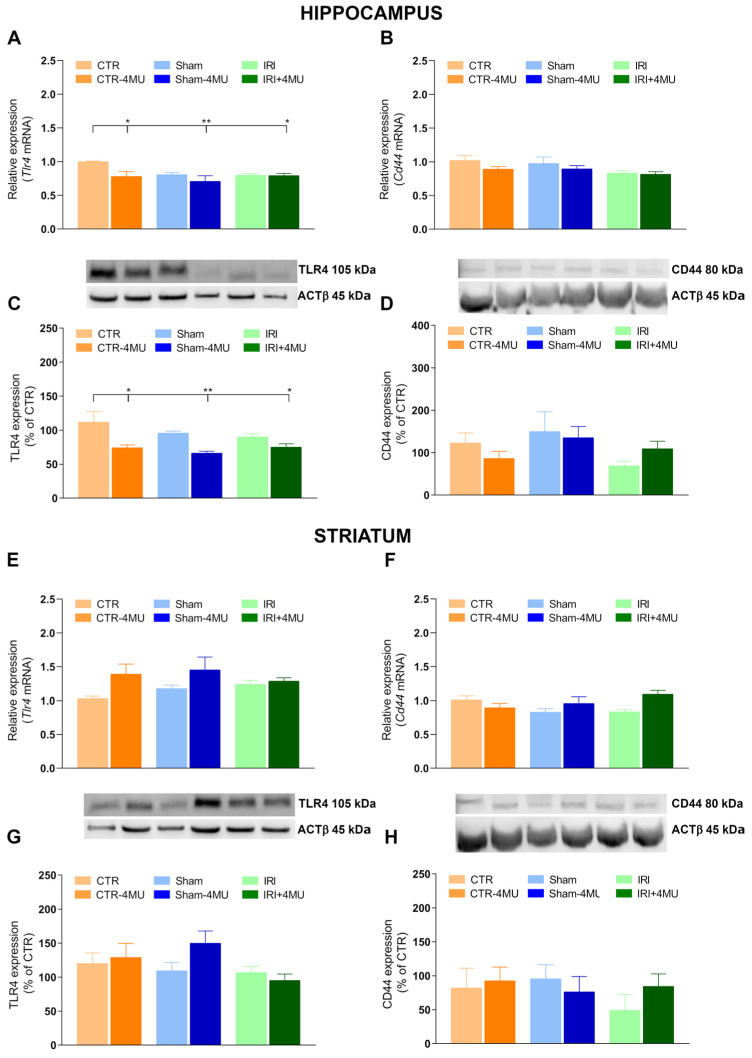 Figure 7
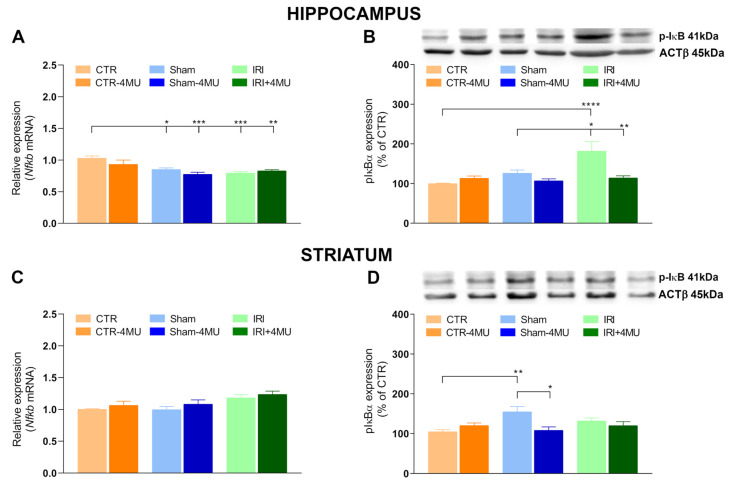 Figure 8
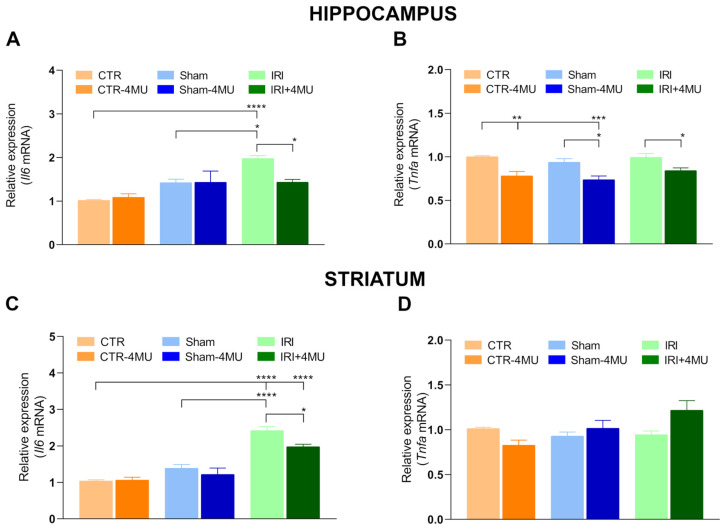 Figure 9
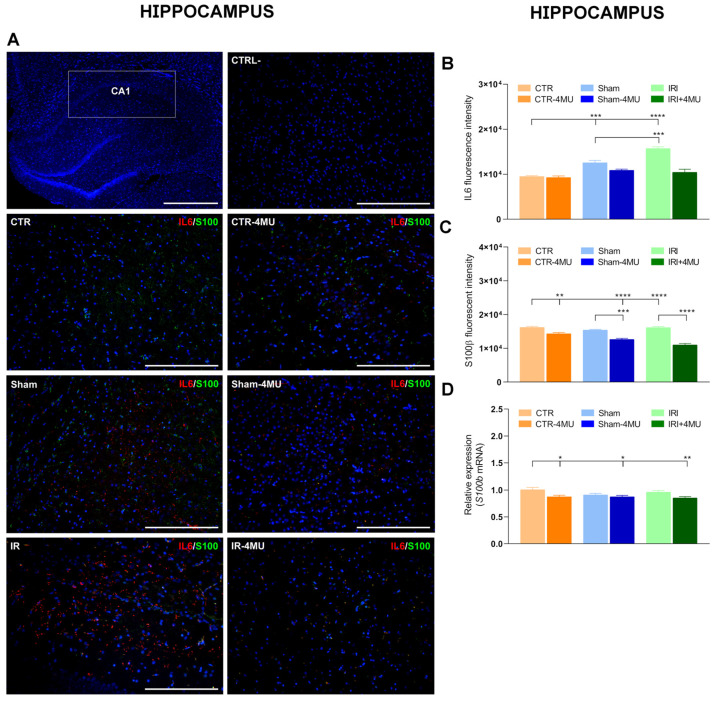 Figure 10
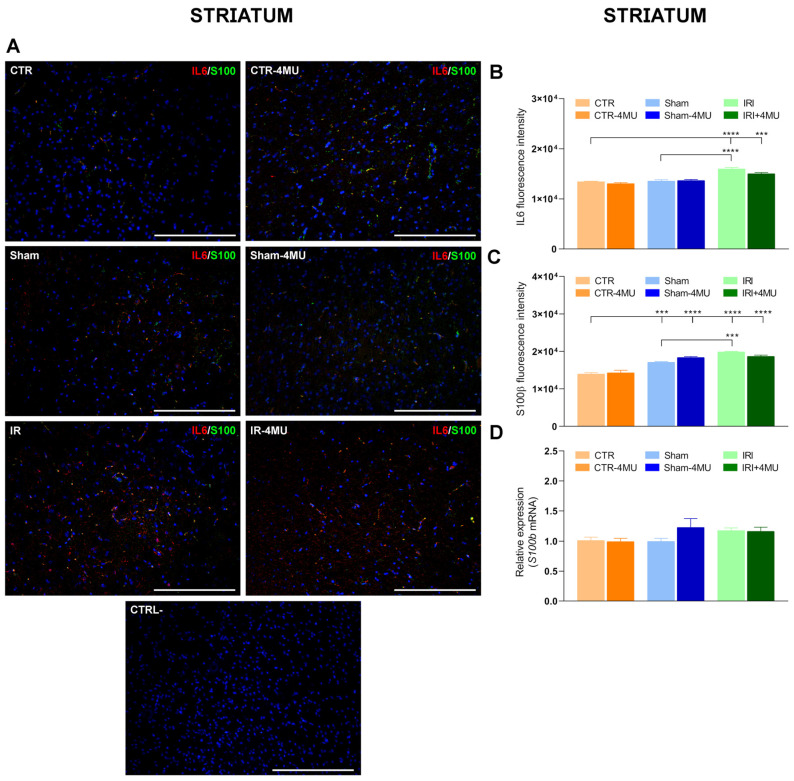 Figure 11
Peer Reviews
No public reviews on file for this paper yet. If you reviewed it on a platform where reviews are public (OpenReview, ICLR, NeurIPS, ICML), you can paste yours below so the community can read it here.
Videos
No videos yet. Explain this paper in a talk, walkthrough, or lecture? Add one.
Taxonomy
TopicsProteoglycans and glycosaminoglycans research · Neuropeptides and Animal Physiology · Fatty Acid Research and Health