Generating a Preclinical Model for PITPNM3 and Evaluating Genotype–Phenotype Concordance: Insights from a Mouse Model
Aykut Demirkol, Joanne Li, Stephen H. Tsang

TL;DR
This study creates a mouse model for the PITPNM3 gene to understand its role in retinal disease, but finds the effects are less severe than in humans.
Contribution
The novel contribution is the generation of a PITPNM3 preclinical mouse model and the evaluation of genotype-phenotype concordance.
Findings
The mouse model showed reduced cone responses but less severe effects than in humans.
Retinal structure remained largely unchanged despite functional impairments.
The study highlights the need for longer follow-up and further research on PITPNM3.
Abstract
PITPNM3 has been identified as a crucial gene associated with various phenotypes of retinal disease in humans; however, detailed mechanisms through which PITPNM3 mutations result in these conditions are not fully understood. In this study, we aimed to generate such a preclinical mouse model and evaluate its relevance to human PITPNM3-related conditions. Heterozygous mice were bred to obtain a homozygous genotype, aiming to mimic the human genetic condition. Subsequent phenotyping and genetic segregation analyses were conducted along with electrophysiological studies and histological examinations. Full-field electroretinogram analysis revealed a reduced cone response although the severity was not as pronounced as observed in humans with PITPNM3-related conditions. Histologically, the retinal structure appeared largely unchanged, indicating a discordance between functional impairment and…
Genes, proteins, chemicals, diseases, species, mutations and cell lines named across the full text — each resolved to its canonical identifier and authoritative record.
Click any figure to enlarge with its caption.
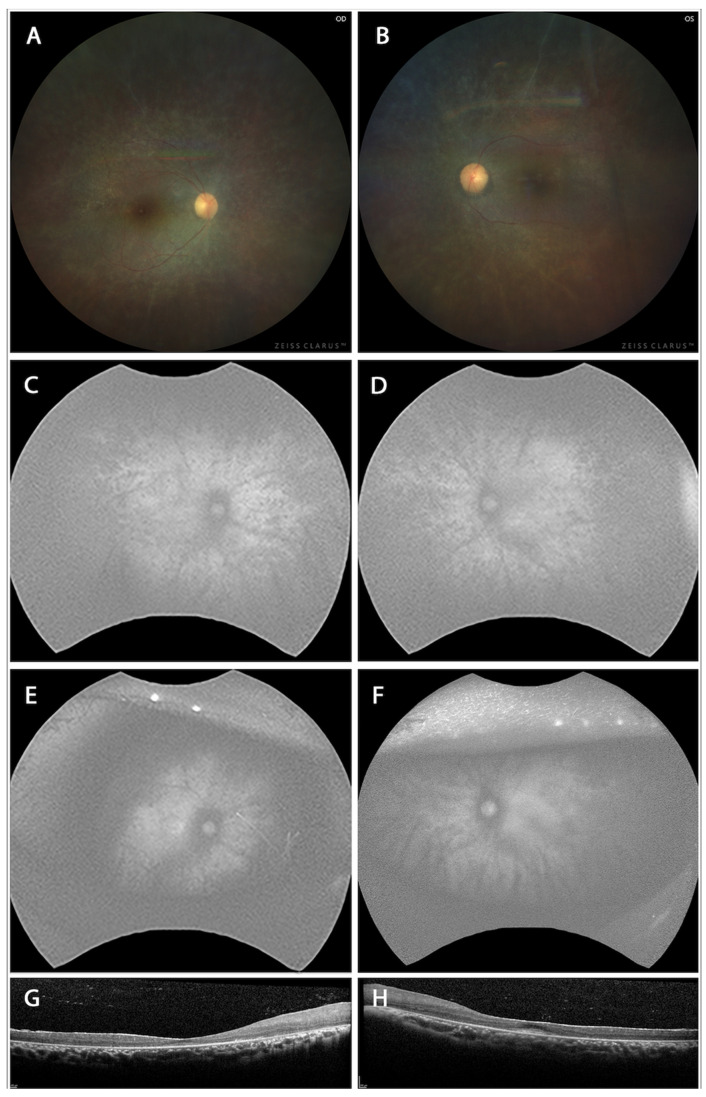 Figure 1
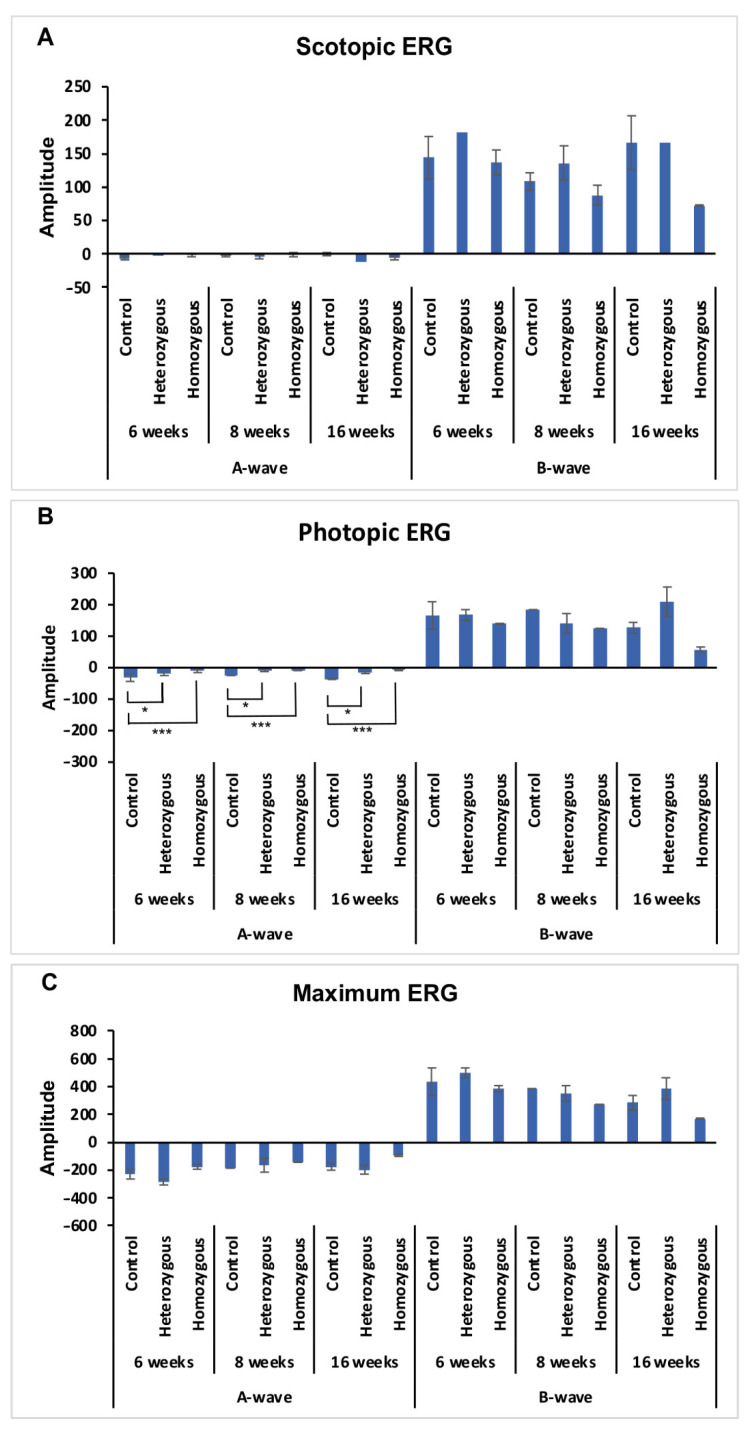 Figure 2
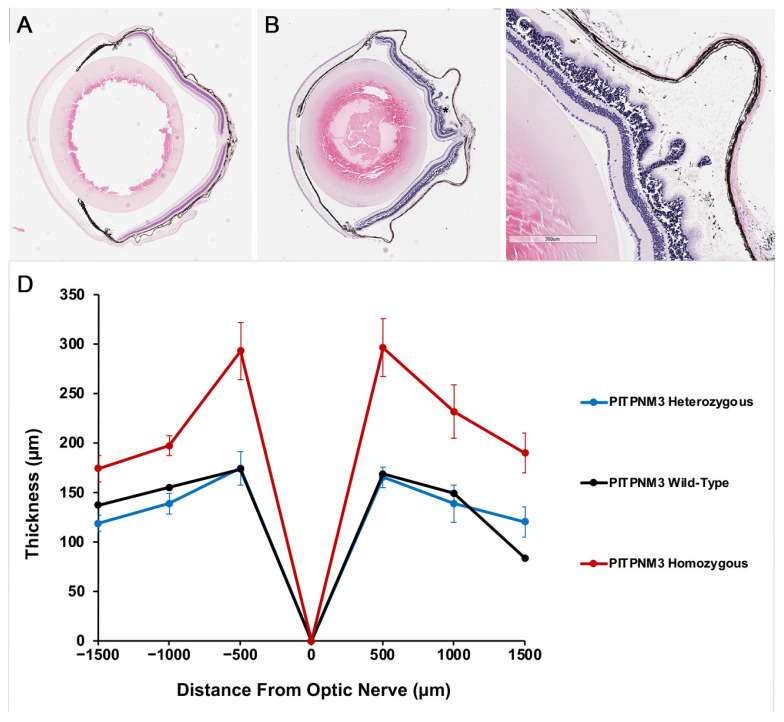 Figure 3
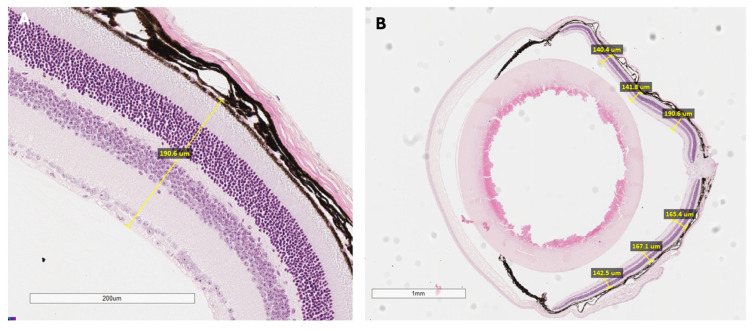 Figure 4
Peer Reviews
No public reviews on file for this paper yet. If you reviewed it on a platform where reviews are public (OpenReview, ICLR, NeurIPS, ICML), you can paste yours below so the community can read it here.
Videos
No videos yet. Explain this paper in a talk, walkthrough, or lecture? Add one.
Taxonomy
TopicsCongenital heart defects research · Cellular transport and secretion · Ubiquitin and proteasome pathways