Impact of Diagnostic Confidence, Perceived Difficulty, and Clinical Experience in Facial Melanoma Detection: Results from a European Multicentric Teledermoscopic Study
Alessandra Cartocci, Alessio Luschi, Sofia Lo Conte, Elisa Cinotti, Francesca Farnetani, Aimilios Lallas, John Paoli, Caterina Longo, Elvira Moscarella, Danica Tiodorovic, Ignazio Stanganelli, Mariano Suppa, Emi Dika, Iris Zalaudek, Maria Antonietta Pizzichetta, Jean Luc Perrot

TL;DR
This study explores how confidence, difficulty perception, and experience affect the accuracy of diagnosing facial pigmented lesions, particularly melanoma.
Contribution
The study reveals that diagnostic confidence and perceived difficulty influence management decisions more than experience in facial melanoma detection.
Findings
Diagnostic confidence impacts accuracy in distinguishing benign and malignant facial pigmented lesions.
Perceived difficulty influences management strategies, especially for benign cases.
Higher experience reduces inappropriate biopsies and missed malignant cases.
Abstract
The dermoscopic differential diagnosis of pigmented facial lesions poses a daily challenge, and lentigo maligna can be simulated by a series of beginning entities, especially small ones, such as pigmented actinic keratosis or solar lentigo. While it is known that personal dermoscopic skill largely relies on clinical experience, the level of diagnostic confidence and perceived difficulty of those cases have never been investigated. Here, we highlighted that diagnostic confidence has a certain impact on the diagnostic accuracy of benign and malignant difficult pigmented facial lesions, while perceived difficulty seems to influence management more. A higher personal experience in dermoscopy has a greater impact on management strategies and the recognition of easy cases than on the average diagnostic accuracy of aPFLs. Background: Diagnosing facial melanoma, specifically lentigo maligna…
Genes, proteins, chemicals, diseases, species, mutations and cell lines named across the full text — each resolved to its canonical identifier and authoritative record.
Click any figure to enlarge with its caption.
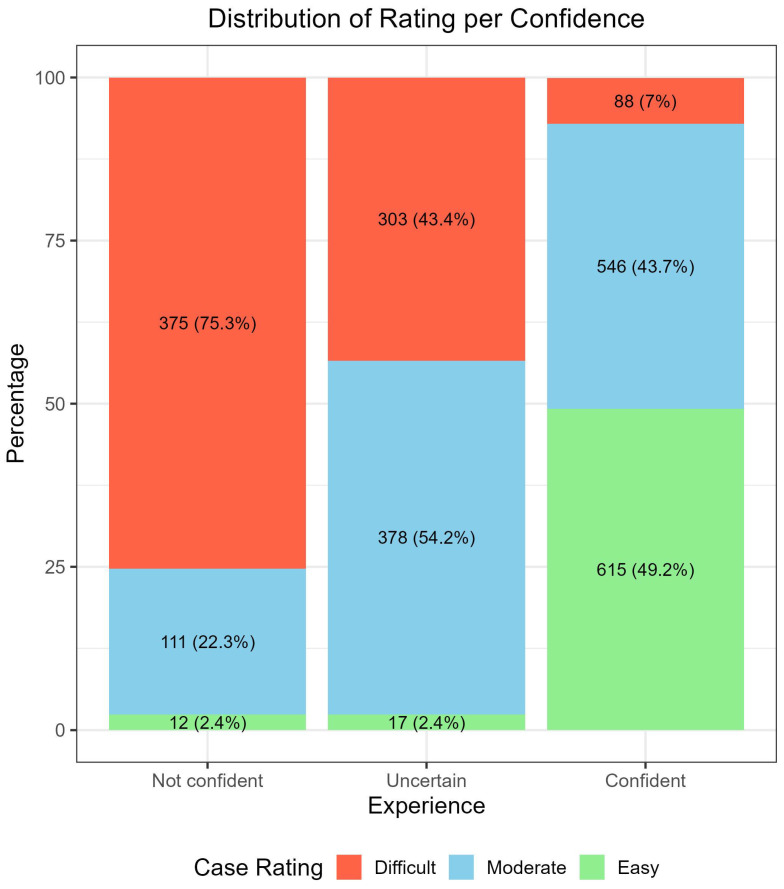 Figure 1
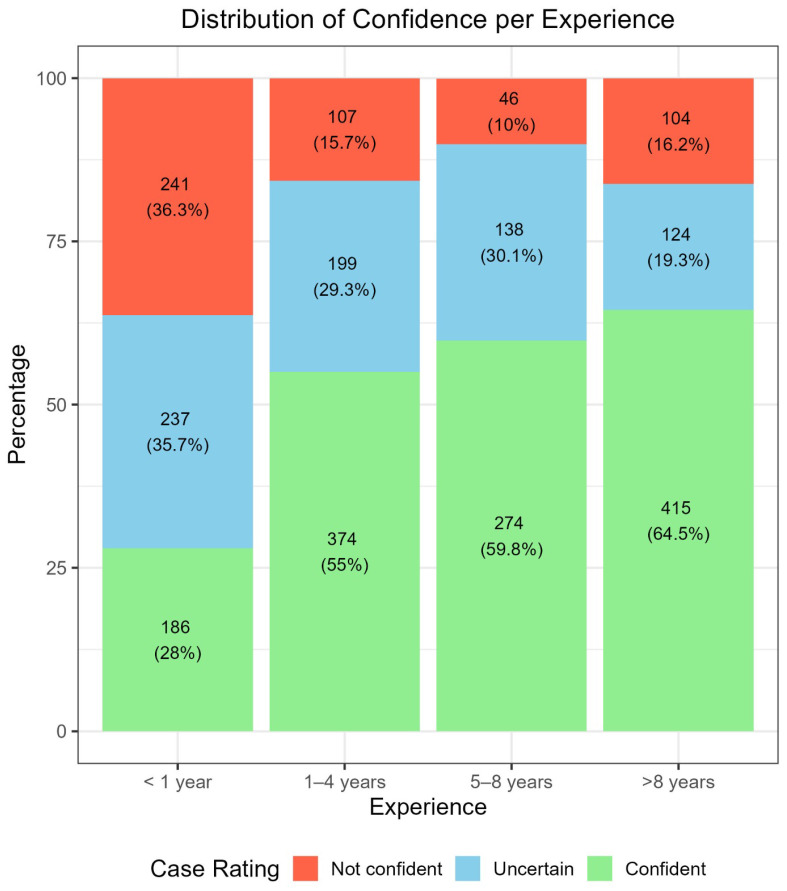 Figure 2
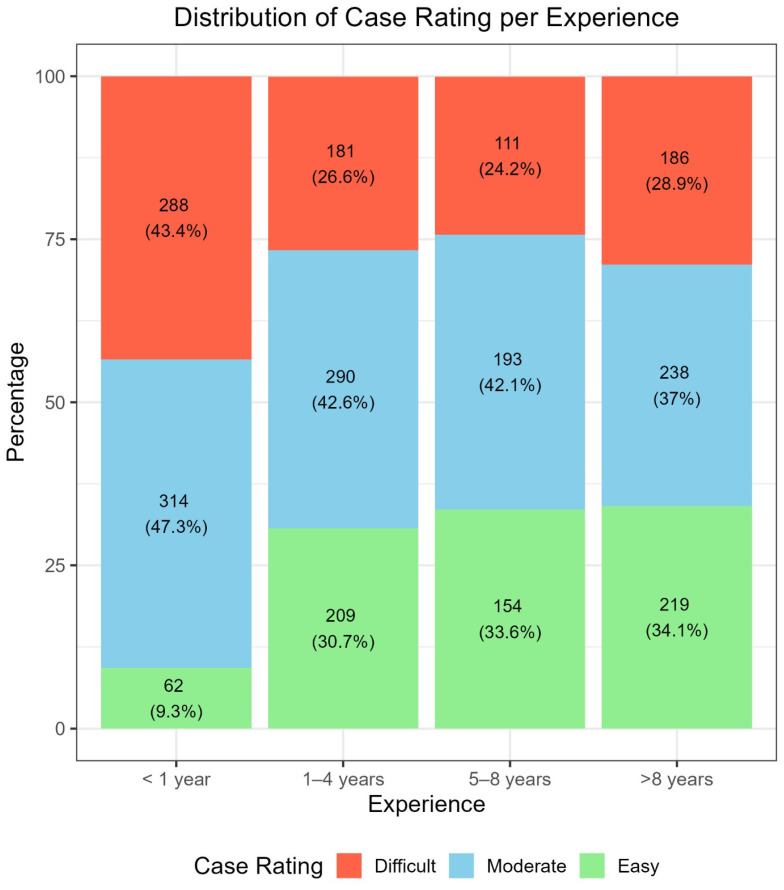 Figure 3
 Figure 4
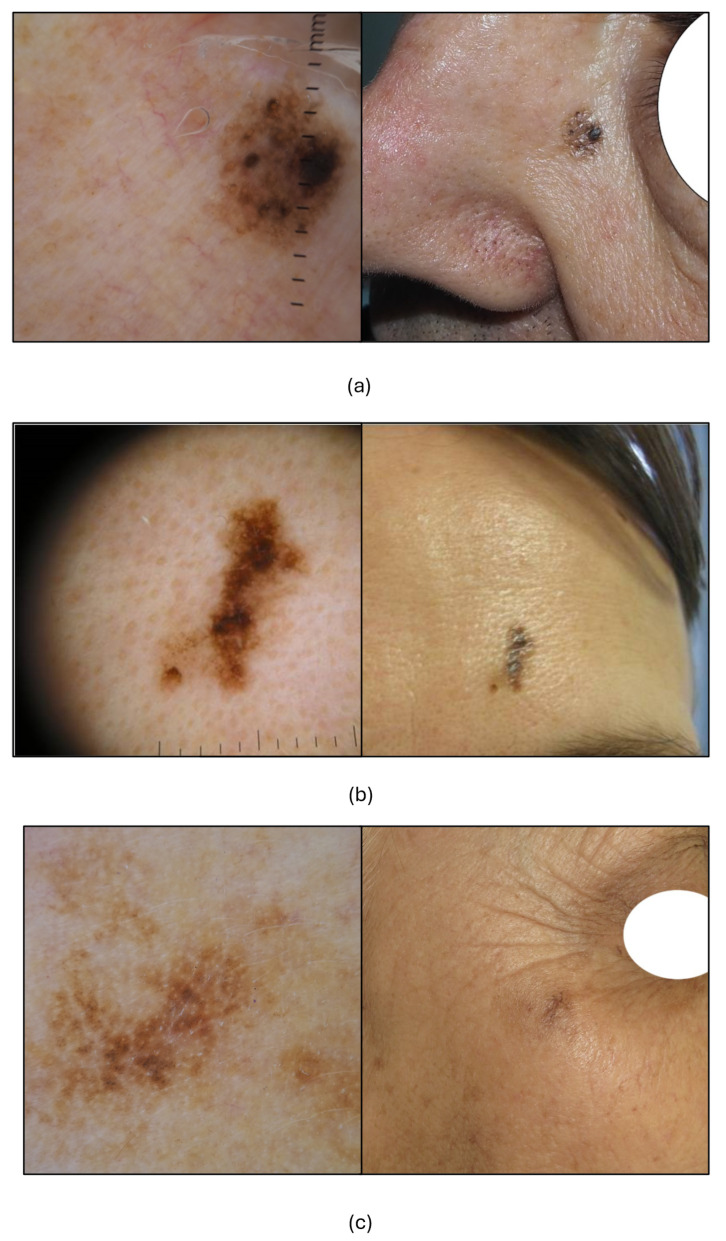 Figure 5
Peer Reviews
No public reviews on file for this paper yet. If you reviewed it on a platform where reviews are public (OpenReview, ICLR, NeurIPS, ICML), you can paste yours below so the community can read it here.
Videos
No videos yet. Explain this paper in a talk, walkthrough, or lecture? Add one.
Taxonomy
TopicsCutaneous Melanoma Detection and Management · Nonmelanoma Skin Cancer Studies · AI in cancer detection