Determination of the Phylogenetic Relationship of Dendrobium linawianum (Orchidaceae) Based on Comparative Analysis of Complete Chloroplast Genomes
Fengping Zhang, Qiyong Huang, Yaqiong Zhang, Dongqin Lǚ, Rui Chen, Yanshu Jia, Qiongchao Li

TL;DR
This study determines the evolutionary relationship of the endangered orchid Dendrobium linawianum using its complete chloroplast genome.
Contribution
The paper provides the first complete chloroplast genome of Dendrobium linawianum and resolves its phylogenetic position within the genus.
Findings
The complete chloroplast genome of D. linawianum is 150,497 bp and contains 119 genes.
Phylogenetic analysis shows D. linawianum is closely related to D. hercoglossum, D. thyrsiflorum, and D. moniliforme.
Chloroplast genomes effectively resolve phylogenetic relationships among 35 Dendrobium species.
Abstract
Dendrobium is an orchid genus with high economic and ecological importance, but its taxonomy based on morphology remains controversial. Dendrobium linawianum, a critically endangered species with both ornamental and medicinal value, represents a key taxon within this genus. However, its phylogenetic relationship has long been unplaced due to similar morphological traits. Despite its conservation and taxonomic importance, its complete chloroplast genome has not been previously characterized. Here, we newly sequenced and assembled the complete chloroplast genome of D. linawianum. The 150,497 bp genome exhibits a typical quadripartite structure, encoding 119 genes. A total of 161 simple sequence repeats (SSRs) were identified, predominantly mononucleotide and dinucleotide motifs. Condon usage analysis revealed leucine as the most abundant amino acid. Phylogenetic analysis based on complete…
Genes, proteins, chemicals, diseases, species, mutations and cell lines named across the full text — each resolved to its canonical identifier and authoritative record.
Click any figure to enlarge with its caption.
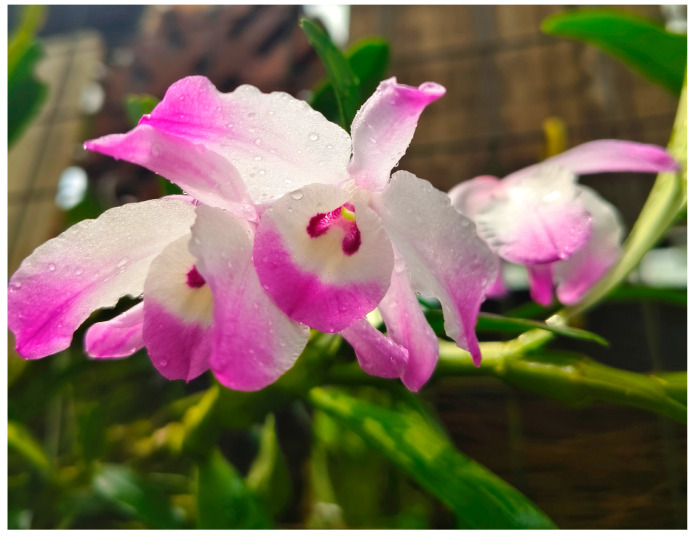 Figure 1
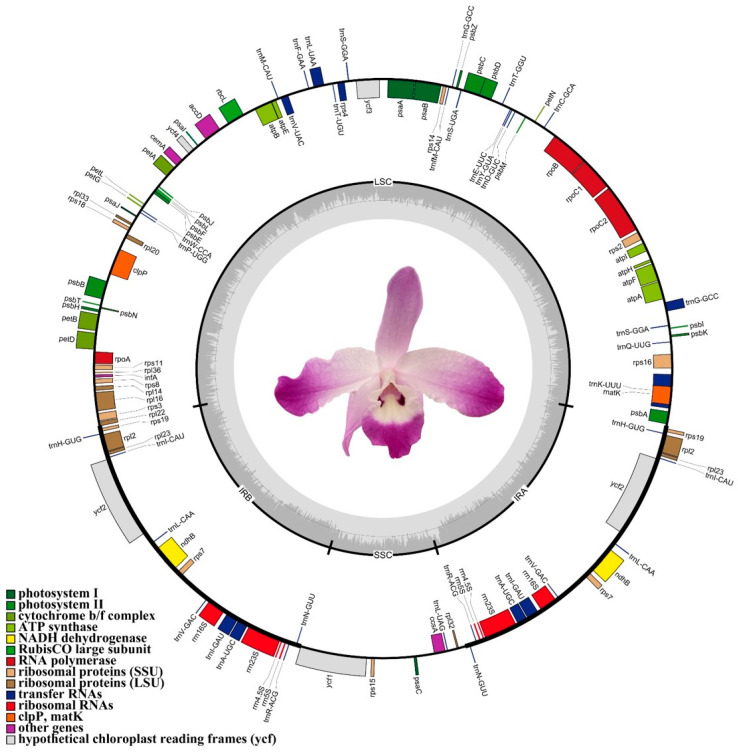 Figure 2
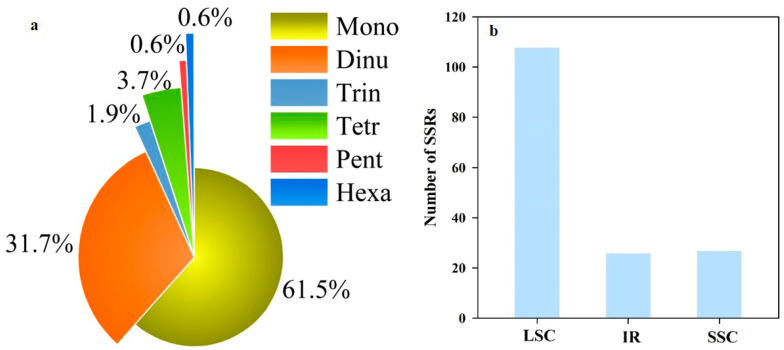 Figure 3
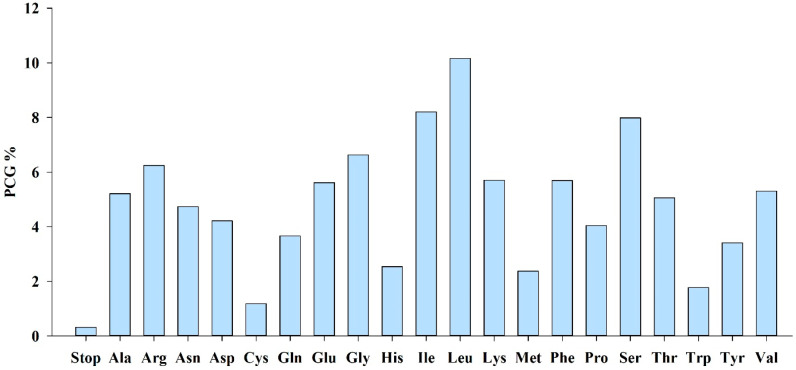 Figure 4
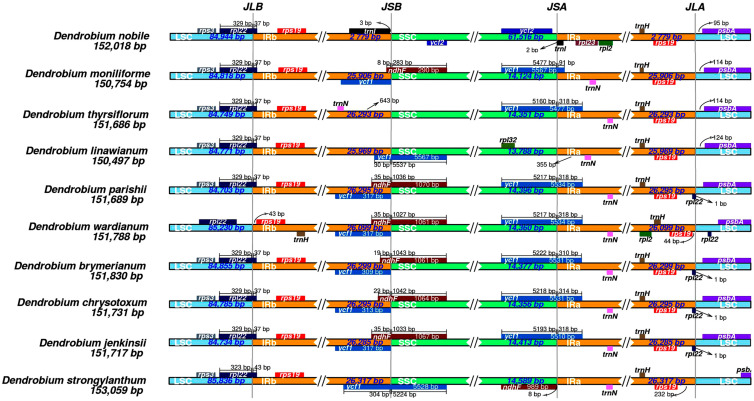 Figure 5
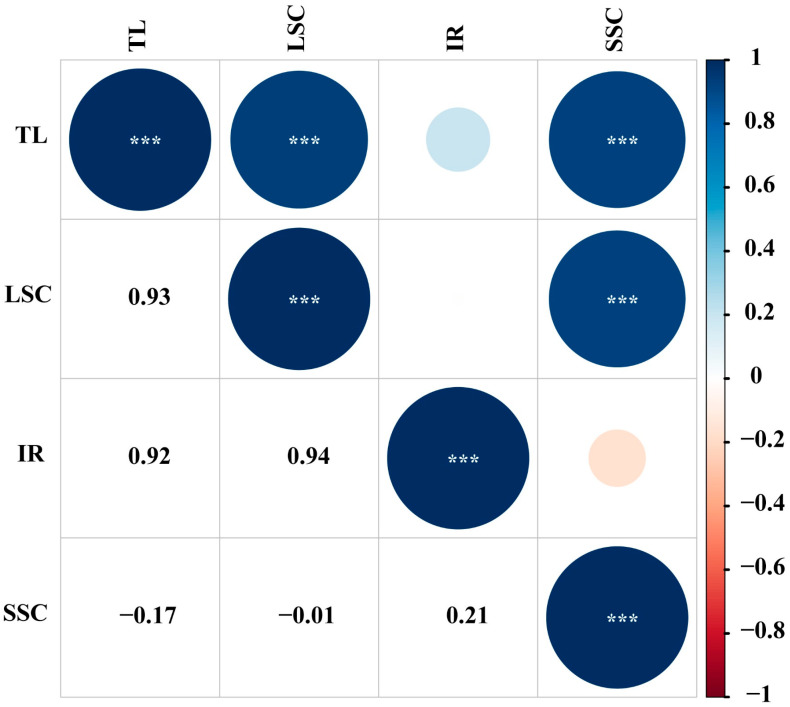 Figure 6
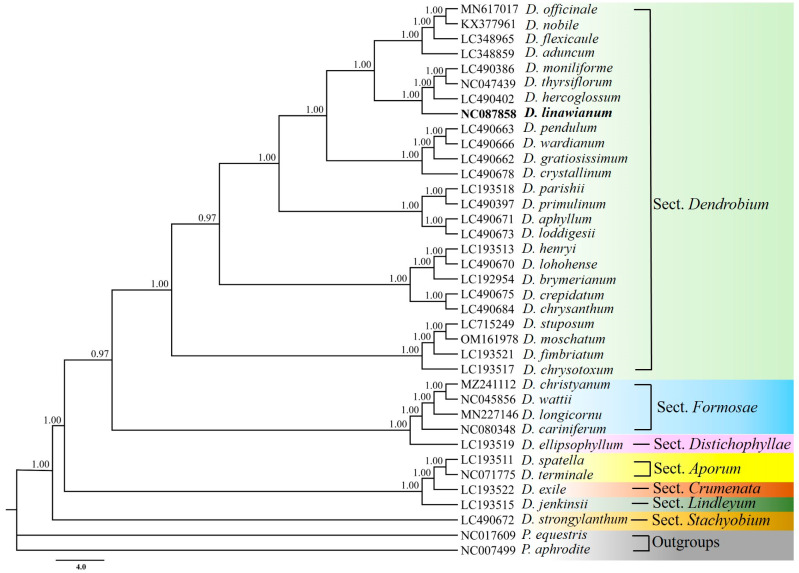 Figure 7
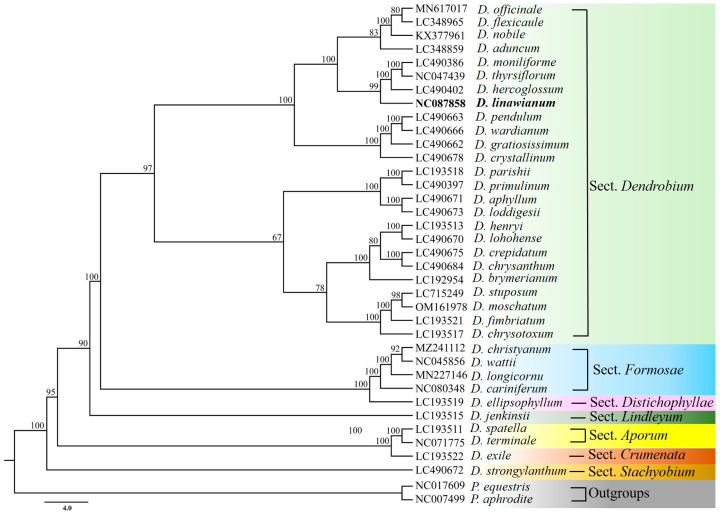 Figure 8
Peer Reviews
No public reviews on file for this paper yet. If you reviewed it on a platform where reviews are public (OpenReview, ICLR, NeurIPS, ICML), you can paste yours below so the community can read it here.
Videos
No videos yet. Explain this paper in a talk, walkthrough, or lecture? Add one.
Taxonomy
TopicsPlant and animal studies · Biological and pharmacological studies of plants · Plant and Fungal Species Descriptions