Computational Identification of Genetic Background of Infertility and Calculating Inbreeding Coefficient in Dromedary Camel Herds
Fahad A. Alshanbari, Abdulrahman Aloraini

TL;DR
This study shows that inbreeding in dromedary camels is strongly linked to infertility, and suggests breeding strategies to avoid related matings.
Contribution
The study links high inbreeding coefficients to infertility in dromedary camels and recommends breeding strategies to reduce inbreeding.
Findings
All five infertile camels had significantly higher inbreeding coefficients than fertile individuals.
Genome-wide association analysis failed to identify specific infertility-linked regions due to limited sample size.
Population structure analysis found genetic differentiation related to coat color near the SLC30A5 gene.
Abstract
Background: Inbreeding is a major genetic problem that reduces fertility and causes genetic disorders. Some breeders of dromedary camels use the same bull for many years due to its excellent characteristics, leading to mating with offspring and subsequent generations, resulting in increased homozygosity and genetic disorders. We hypothesize that inbreeding is associated with infertility in dromedary camels with normal and uninfected reproductive tracts. Methods: We genotyped 96 samples from seven camel breeds using the Illumina 55K SNP BeadChip, including five confirmed infertile individuals. Inbreeding coefficients (F) were calculated using PLINK based on heterozygosity and runs of homozygosity. Genome-wide association analysis using logistic regression was performed to identify potential genomic regions associated with infertility. Results: All five infertile camels showed…
Genes, proteins, chemicals, diseases, species, mutations and cell lines named across the full text — each resolved to its canonical identifier and authoritative record.
Click any figure to enlarge with its caption.
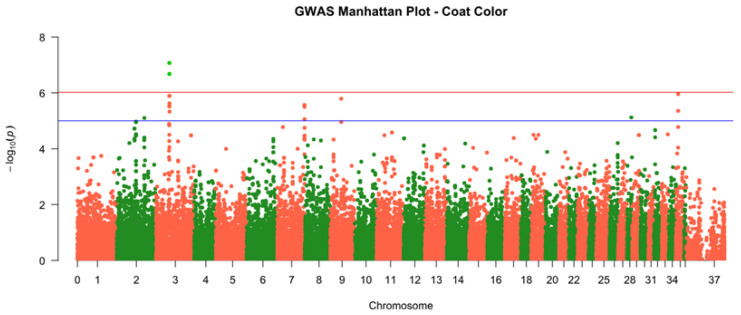 Figure 1
 Figure 2
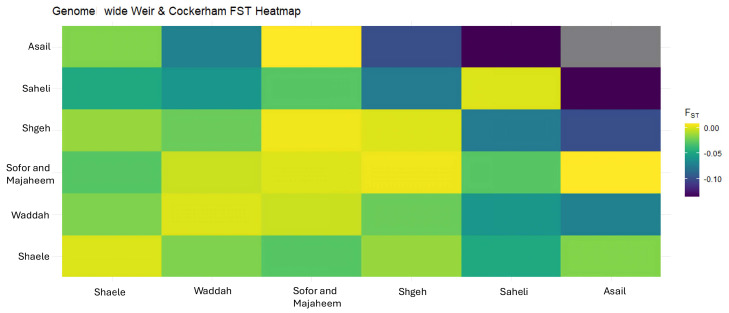 Figure 3
 Figure 4
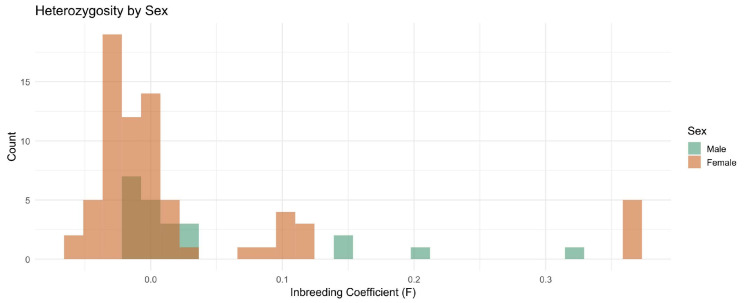 Figure 5
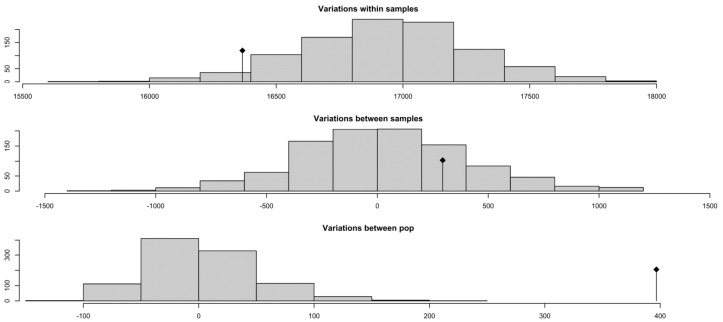 Figure 6
 Figure 7
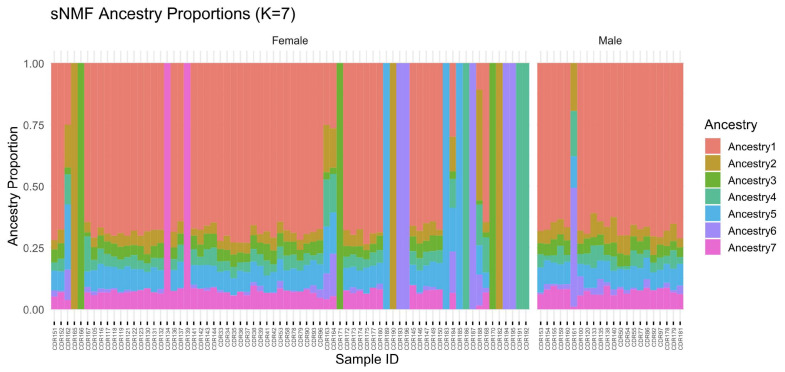 Figure 8
Peer Reviews
No public reviews on file for this paper yet. If you reviewed it on a platform where reviews are public (OpenReview, ICLR, NeurIPS, ICML), you can paste yours below so the community can read it here.
Videos
No videos yet. Explain this paper in a talk, walkthrough, or lecture? Add one.
Taxonomy
TopicsAnimal Diversity and Health Studies · Genetic and phenotypic traits in livestock · Reproductive Physiology in Livestock