RAGE Cytosolic Partner Diaph1 Does Not Play an Essential Role in Diabetic Peripheral Neuropathy Progression
Kamila Zglejc-Waszak, Bernard Kordas, Agnieszka Korytko, Andrzej Pomianowski, Bogdan Lewczuk, Joanna Wojtkiewicz, Krzysztof Wąsowicz, Izabella Babińska, Konark Mukherjee, Judyta Juranek

TL;DR
Deleting Diaph1 in mice does not stop diabetic peripheral neuropathy, but it partially improves some nerve-related issues.
Contribution
This study is the first to rigorously test Diaph1's role in diabetic peripheral neuropathy using a knockout mouse model.
Findings
Deleting Diaph1 does not prevent diabetes-induced loss of β-actin in sciatic nerve fibers.
Diaph1 deletion partially rescues axonal and fiber diameter abnormalities in diabetic mice.
Nerve conduction defects caused by hyperglycemia remain unimproved despite Diaph1 deletion.
Abstract
What are the main findings? Global deletion of Diaph1 disrupts beta-actin polymerization in the sciatic nerve during type 1 diabetes. We observed decreased nerve conduction velocity and abnormalities in sciatic nerve morphometry in diabetic Diaph1 knockout diabetic mice. What is the implication of the main finding? Deletion of Diaph1 is insufficient to halt the progression of diabetic peripheral neuropathy in mice. However, we cannot unequivocally rule out that Diaph1 is an important switch role in the RAGE pathway and diabetic peripheral neuropathy. Receptor for advanced glycation end-products (RAGE) activation by hyperglycemia-induced AGE (advanced glycation end-products) accumulation is likely to play a crucial role in the development of complications such as diabetic peripheral neuropathy (DPN). RAGE signaling is mediated via its cytosolic tail. Through its cytosolic tail,…
Genes, proteins, chemicals, diseases, species, mutations and cell lines named across the full text — each resolved to its canonical identifier and authoritative record.
Click any figure to enlarge with its caption.
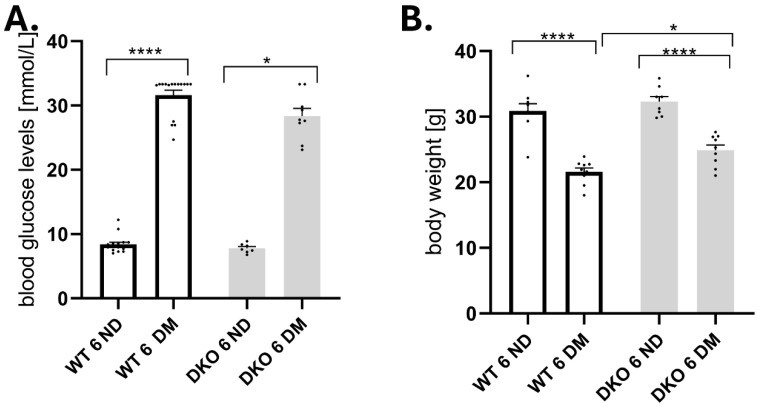 Figure 1
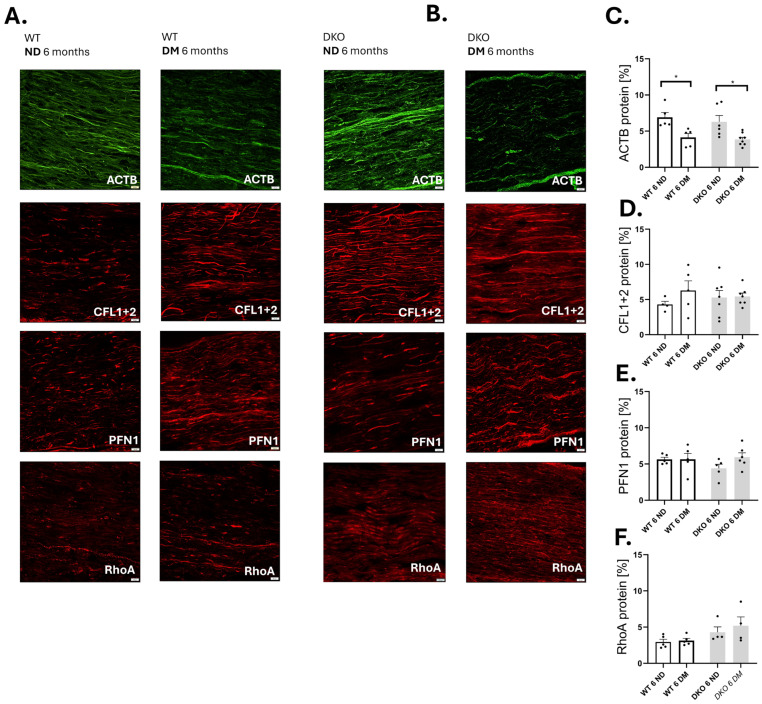 Figure 2
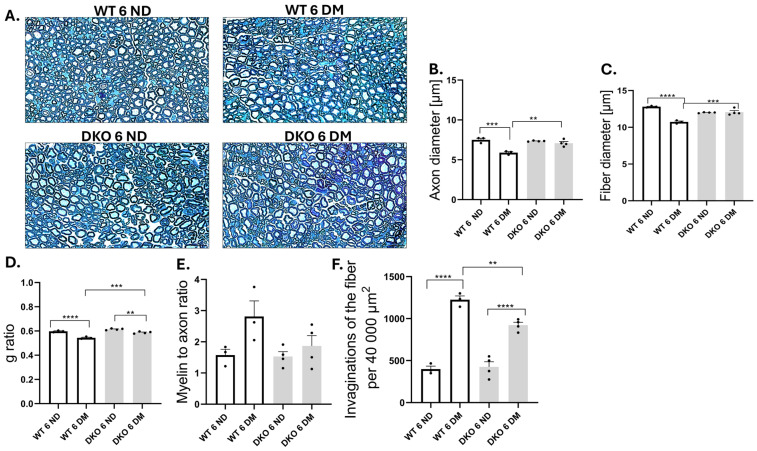 Figure 3
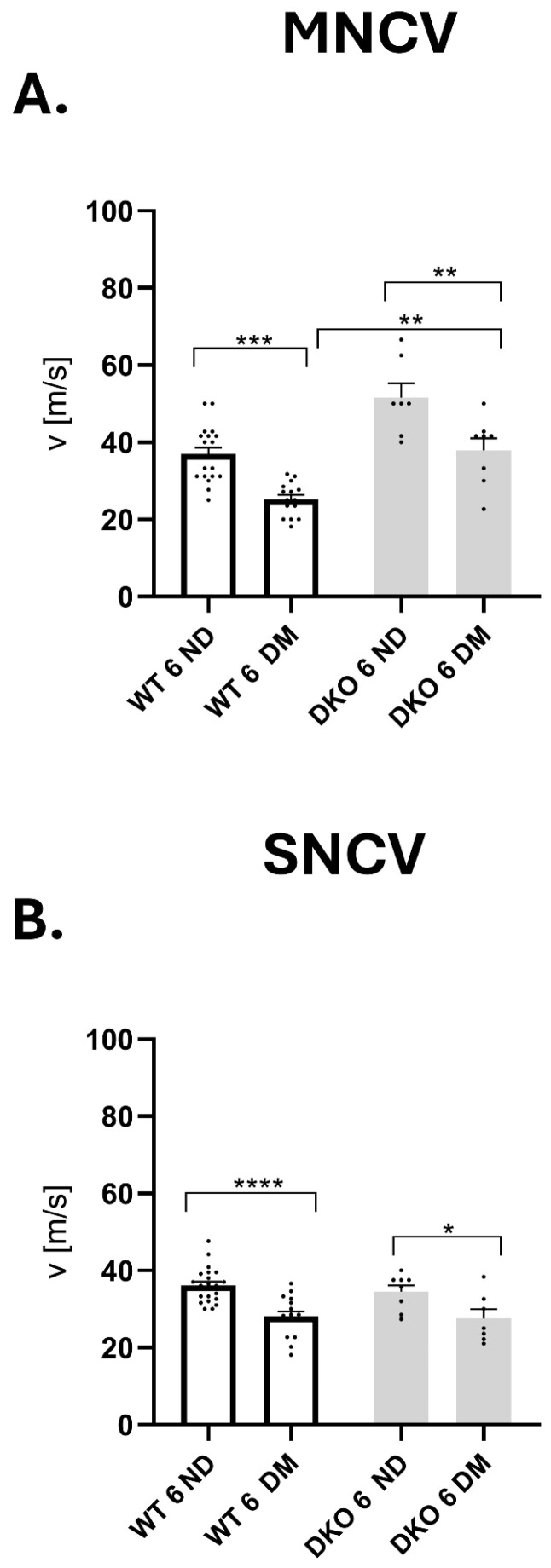 Figure 4
Peer Reviews
No public reviews on file for this paper yet. If you reviewed it on a platform where reviews are public (OpenReview, ICLR, NeurIPS, ICML), you can paste yours below so the community can read it here.
Videos
No videos yet. Explain this paper in a talk, walkthrough, or lecture? Add one.
Taxonomy
TopicsAdvanced Glycation End Products research · S100 Proteins and Annexins · Alzheimer's disease research and treatments