A Semi-Automatic Tool for the Standardized Analysis of Fluorescent Intensity Changes in Polarized Cells
Fruzsina Fazekas, Tibor Zelles, Eszter Berekméri

TL;DR
This paper introduces a free, open-source tool for analyzing fluorescent intensity changes in polarized cells, focusing on subcellular regions that are often overlooked.
Contribution
The novel contribution is a semi-automatic, open-source program for defining ROIs in subcellular imaging experiments with complex cell morphology.
Findings
The program successfully validated ROI determination and movement correction in cochlear Deiters’ cells.
It is a free and open-source solution for subcellular imaging, which is currently underrepresented in research.
The tool was tested using ATP-induced test impulses to examine subcellular Ca2+ handling in Deiters’ cells.
Abstract
Imaging of intracellular messengers, like calcium, is one of the most reliable methods to follow real-time changes in several aspects of cellular activity, like receptor activation. However, the analysis could be influenced and biased by several factors like the location, shape, and size of the regions of interest (ROIs) and by the detection and correction of the movement of the preparation. Programs which are provided by the manufacturers are expensive and cannot be shared by collaborators. Many self-made programs have been implemented lately which have in-built cell recognizer ROI identification functions. These programs focus on the soma of the cells and neglect the processes, because in full tissue preparation finding cells is still challenging. Subcellular imaging experiments are still rare. To the best of our knowledge there is no program which can automatically define ROIs for…
Genes, proteins, chemicals, diseases, species, mutations and cell lines named across the full text — each resolved to its canonical identifier and authoritative record.
Click any figure to enlarge with its caption.
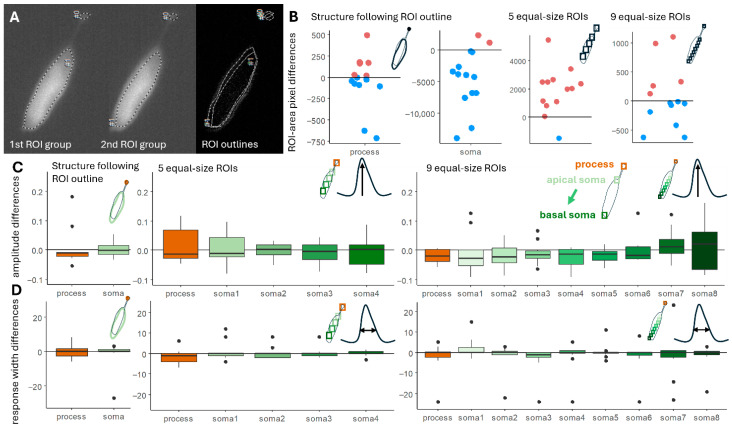 Figure 1
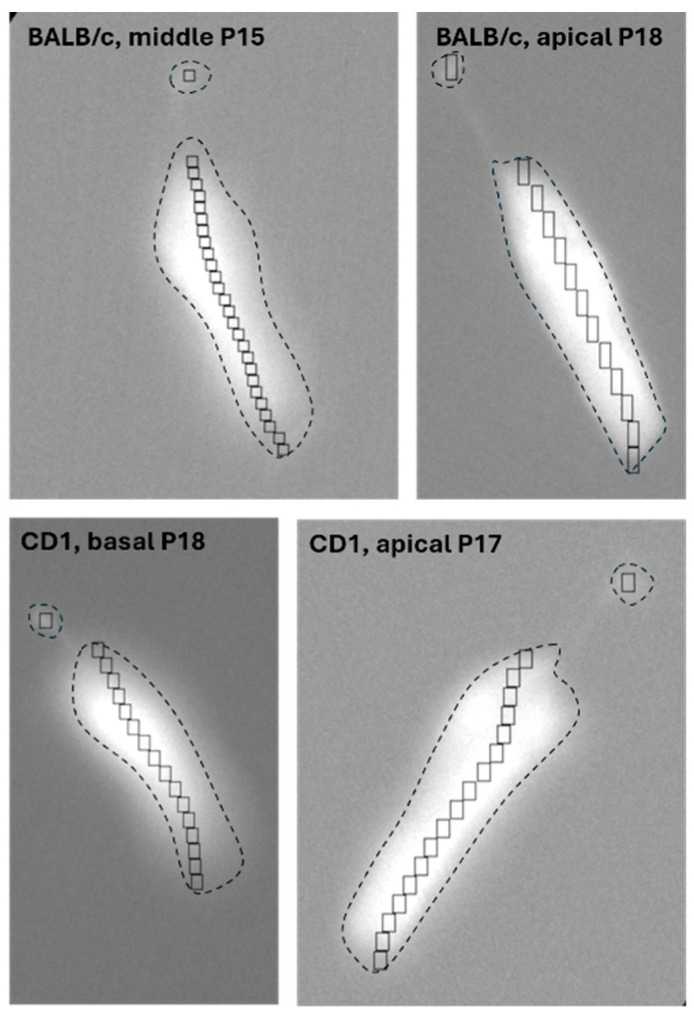 Figure 2
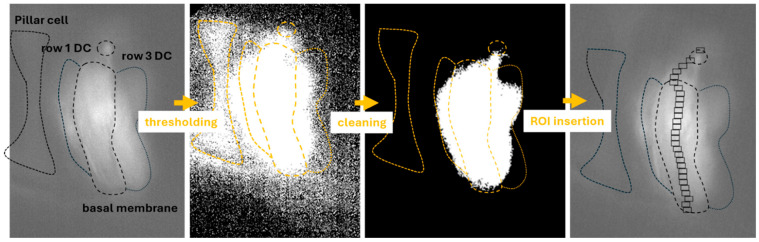 Figure 3
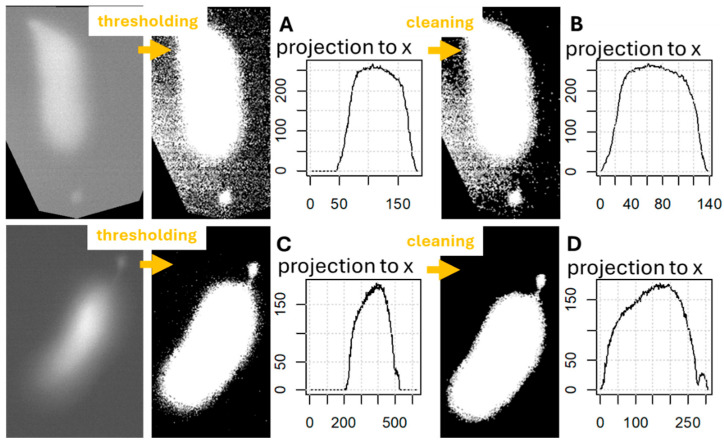 Figure 4
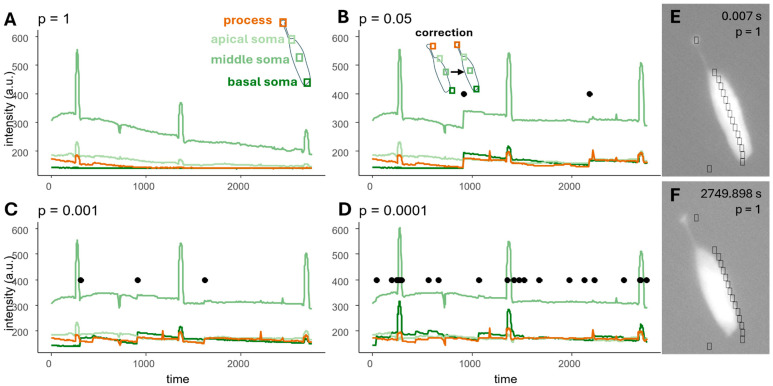 Figure 5
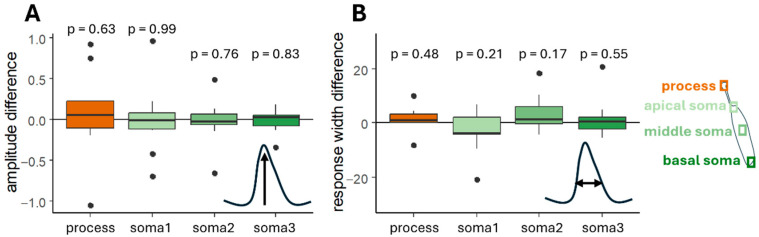 Figure 6
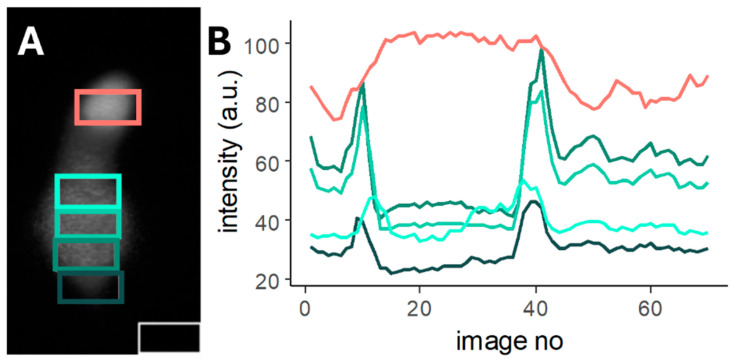 Figure 7
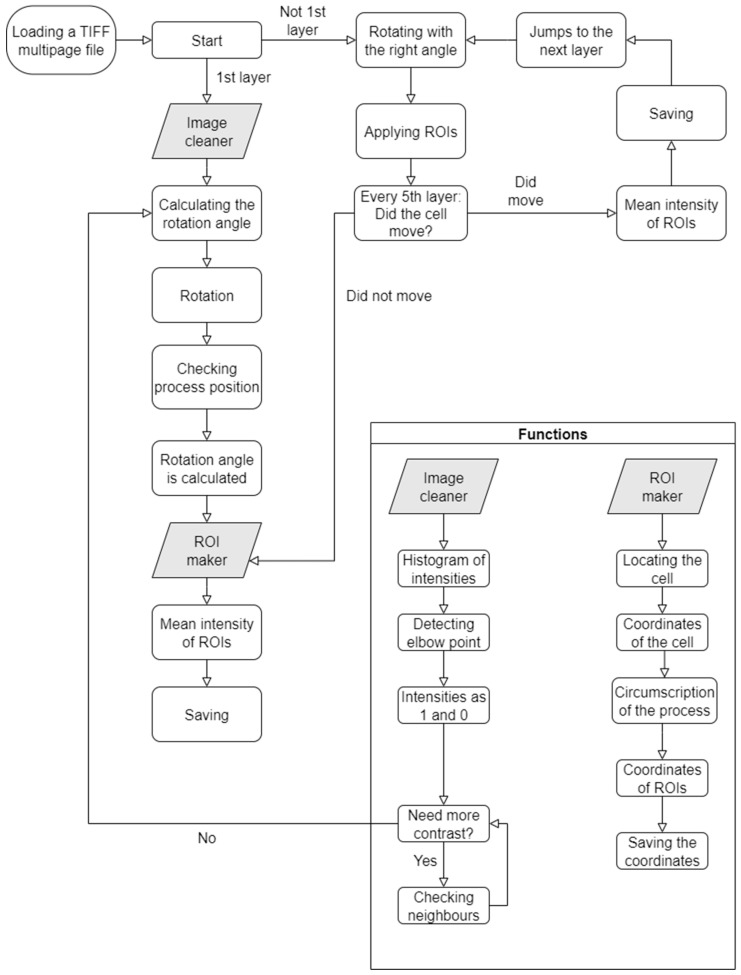 Figure 8
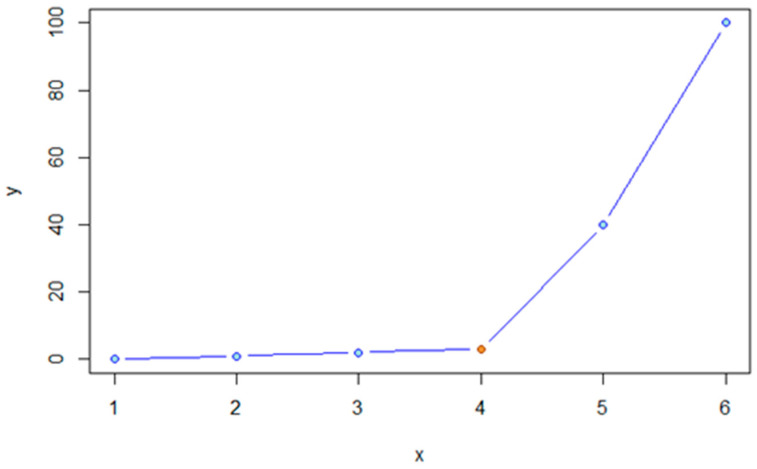 Figure 9
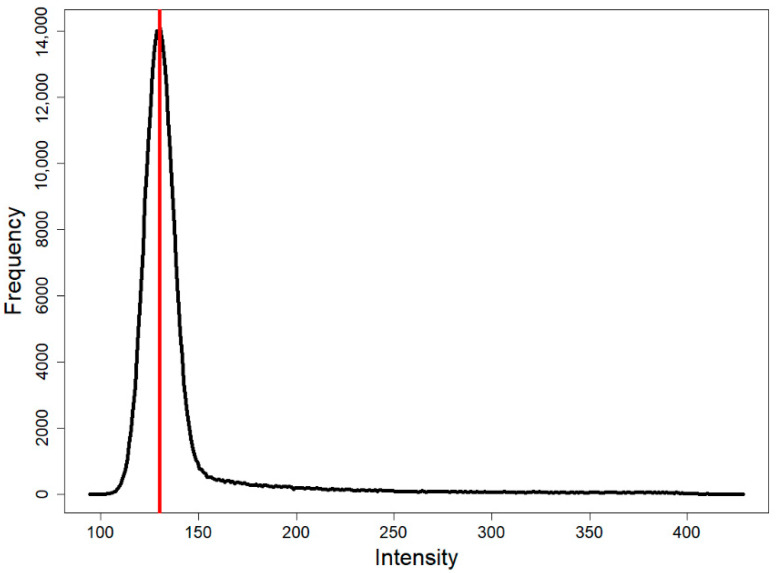 Figure 10
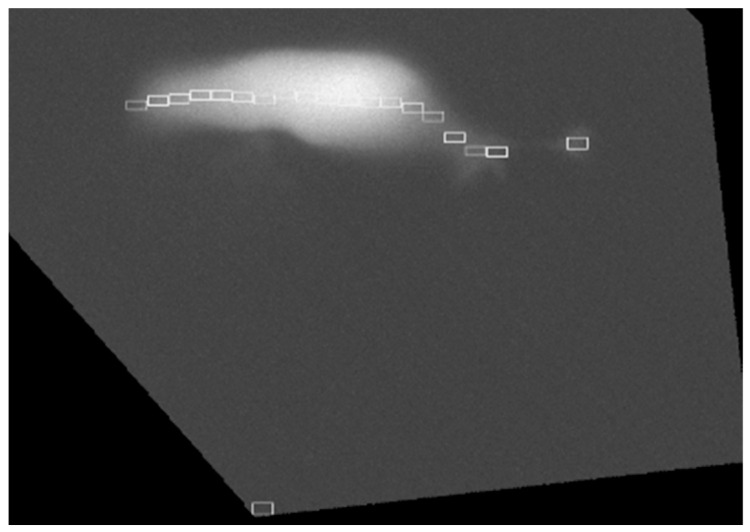 Figure 11
Peer Reviews
No public reviews on file for this paper yet. If you reviewed it on a platform where reviews are public (OpenReview, ICLR, NeurIPS, ICML), you can paste yours below so the community can read it here.
Videos
No videos yet. Explain this paper in a talk, walkthrough, or lecture? Add one.
Taxonomy
TopicsPhotoreceptor and optogenetics research · Advanced Fluorescence Microscopy Techniques · Circadian rhythm and melatonin