Functional Masticatory Angle and Hyoid Bone Position: A Pilot Study on Occlusal Symmetry and Morphofunctional Adaptation
Lorena Sigwald-Serpa, Icíar Sanz-Orrio Soler, Laura Marqués-Martínez, Juan-Ignacio Aura-Tormos, Esther García-Miralles, Clara Guinot-Barona

TL;DR
This pilot study explores how masticatory asymmetry may influence the position of the hyoid bone and suggests a new method for evaluating functional occlusion.
Contribution
The study introduces the clinical utility of the Functional Masticatory Angle of Planas (AFMP) in assessing masticatory patterns and hyoid bone position.
Findings
Hyoid bone elevation often occurred on the side with the smaller AFMP, indicating an adaptive response to masticatory dominance.
High intraobserver reliability was confirmed for both AFMP and hyoid bone measurements.
The study suggests a potential link between masticatory asymmetry and hyoid bone position, warranting further research.
Abstract
Background: The hyoid bone is a key anatomical structure involved in the functional coordination of the stomatognathic system. Although its position may vary in response to masticatory patterns, its relationship with functional occlusion remains insufficiently studied in orthodontics. Objective: This pilot study aimed to explore the association between masticatory type and hyoid bone position and to assess the clinical utility of the Functional Masticatory Angle of Planas (AFMP) in classifying masticatory patterns. Materials and Methods: A descriptive, observational, cross-sectional study was conducted with 18 patients. Right and left AFMPs were measured using standardized intraoral photographs, and hyoid bone position was assessed via panoramic radiographs, classified as either aligned or displaced. Measurements were repeated to assess intraobserver reliability. Results: In most cases,…
Genes, proteins, chemicals, diseases, species, mutations and cell lines named across the full text — each resolved to its canonical identifier and authoritative record.
Click any figure to enlarge with its caption.
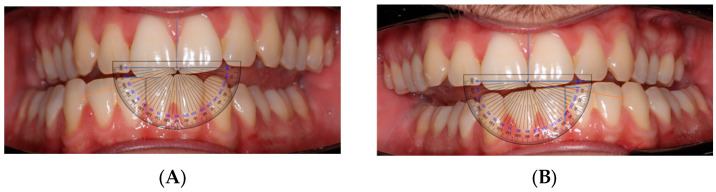 Figure 1
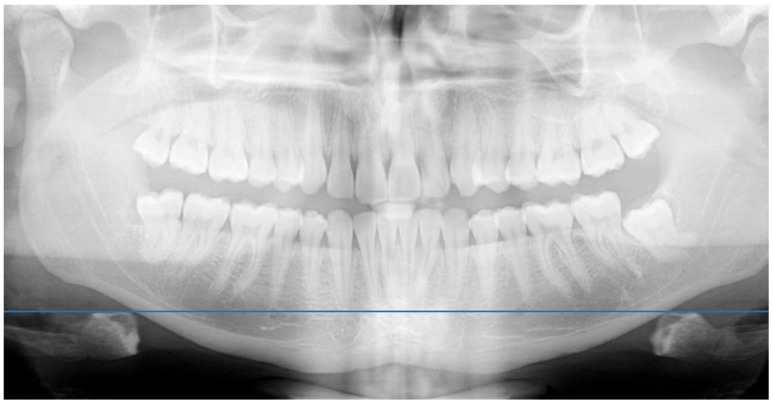 Figure 2
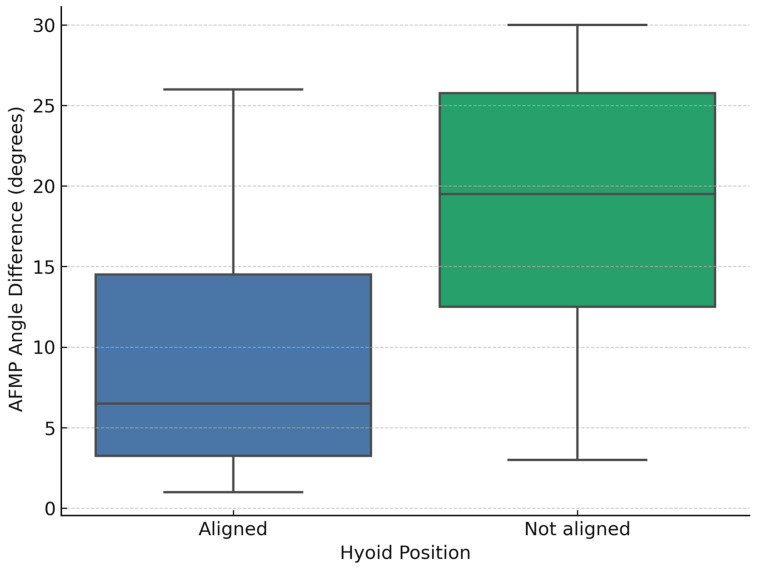 Figure 3
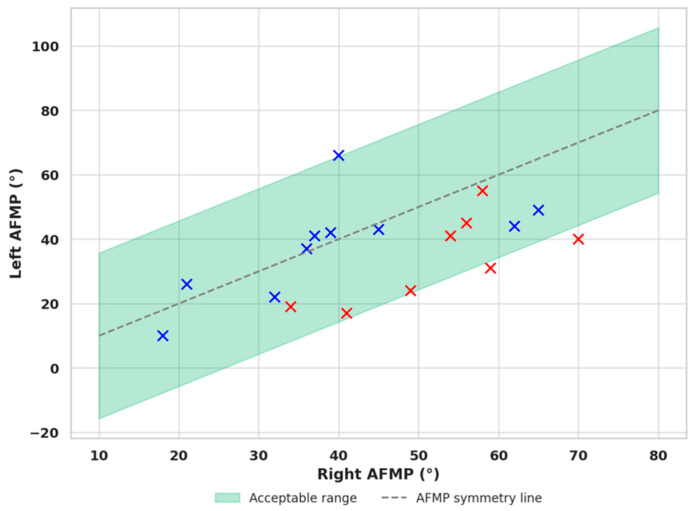 Figure 4
Peer Reviews
No public reviews on file for this paper yet. If you reviewed it on a platform where reviews are public (OpenReview, ICLR, NeurIPS, ICML), you can paste yours below so the community can read it here.
Videos
No videos yet. Explain this paper in a talk, walkthrough, or lecture? Add one.
Taxonomy
TopicsTemporomandibular Joint Disorders · Obstructive Sleep Apnea Research