Cross-Group EEG Emotion Recognition Based on Phase Space Reconstruction Topology
Xuanpeng Zhu, Mu Zhu, Dong Li, Yu Song

TL;DR
This paper introduces a new method for EEG emotion recognition using topological features to improve accuracy across different subject groups.
Contribution
The paper proposes 16 novel topological features and uses LLE to preserve local structure for cross-group emotion recognition.
Findings
Subject-dependent average accuracy reached 90.33% for normal-hearing subjects using 3-Class classification.
The method achieved 77.5% average accuracy in a 6-Class cross-group emotion recognition task.
Combining topological features with differential entropy improved performance in multi-class emotion classification.
Abstract
Due to the interference of artifacts and the nonlinearity of electroencephalogram (EEG) signals, the extraction of representational features has become a challenge in EEG emotion recognition. In this work, we reduce the dimensionality of phase space trajectories by introducing local linear embedding (LLE), which projects the trajectories onto a 2-D plane while preserving their local topological structure, and innovatively construct 16 topological features from different perspectives to quantitatively describe the nonlinear dynamic patterns induced by emotions on a multi-scale level. By using independent feature evaluation, we select core features with significant discrimination and combine the activation patterns of brain topography with model gain ranking to optimize the electrode channels. Validation of the SEED and HIED datasets resulted in subject-dependent average accuracies of…
Genes, proteins, chemicals, diseases, species, mutations and cell lines named across the full text — each resolved to its canonical identifier and authoritative record.
Click any figure to enlarge with its caption.
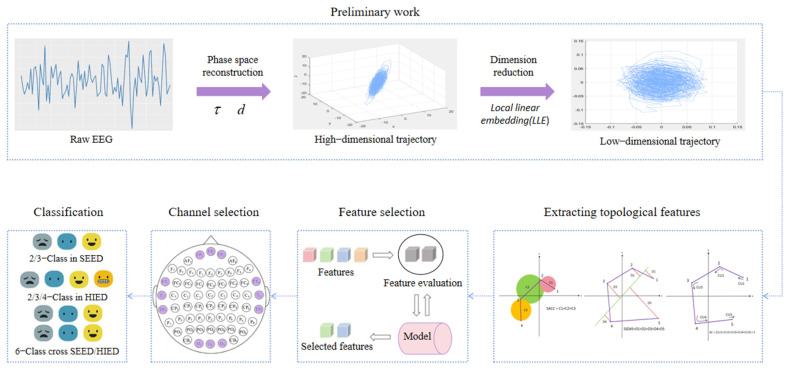 Figure 1
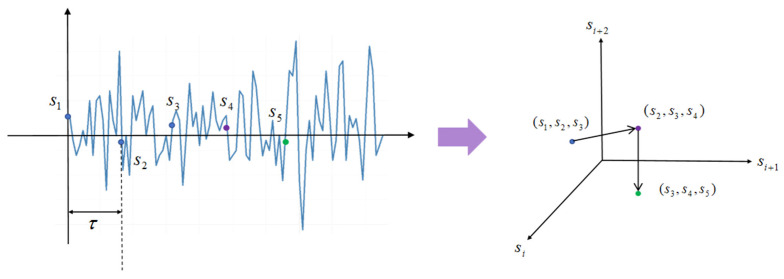 Figure 2
 Figure 3
 Figure 4
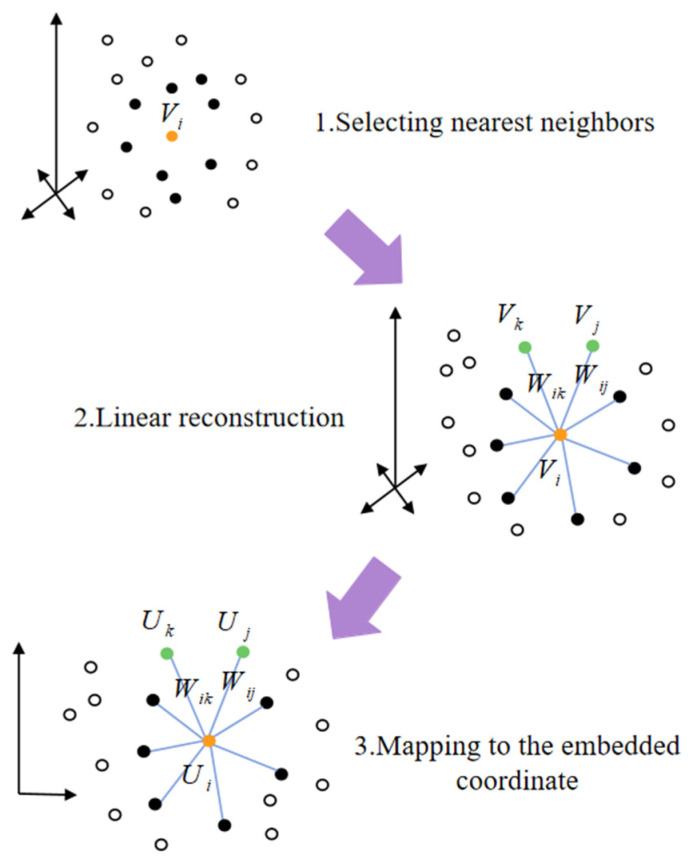 Figure 5
 Figure 6
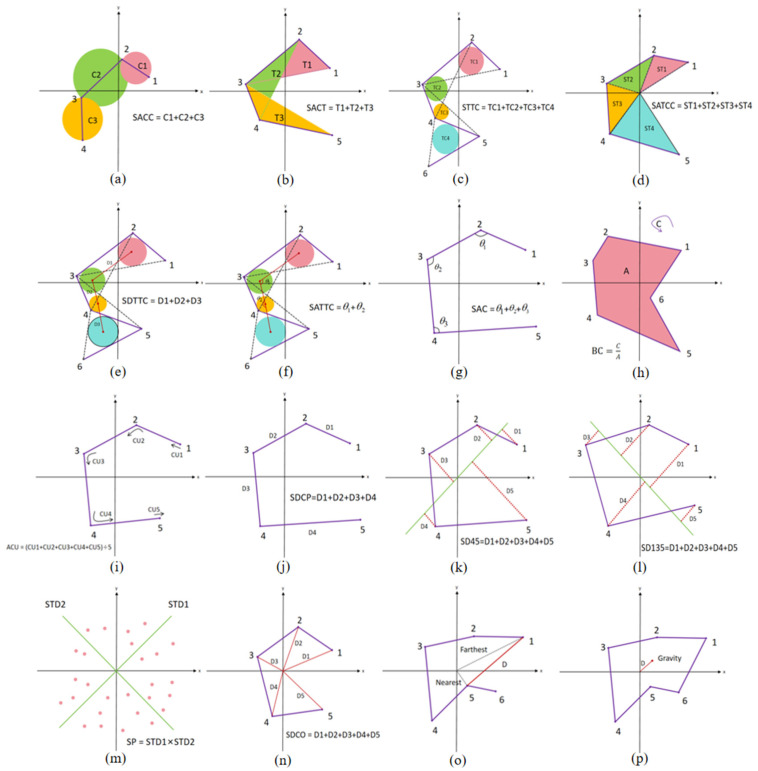 Figure 7
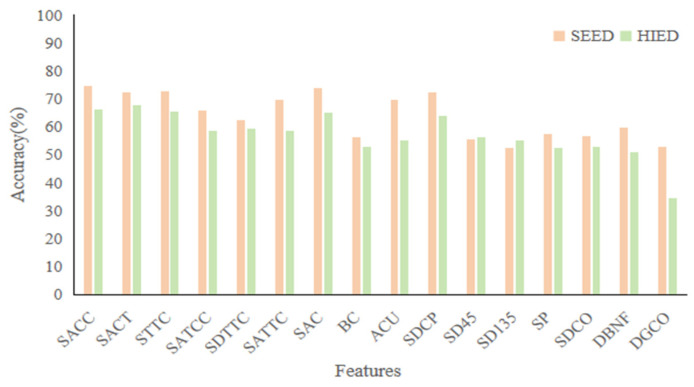 Figure 8
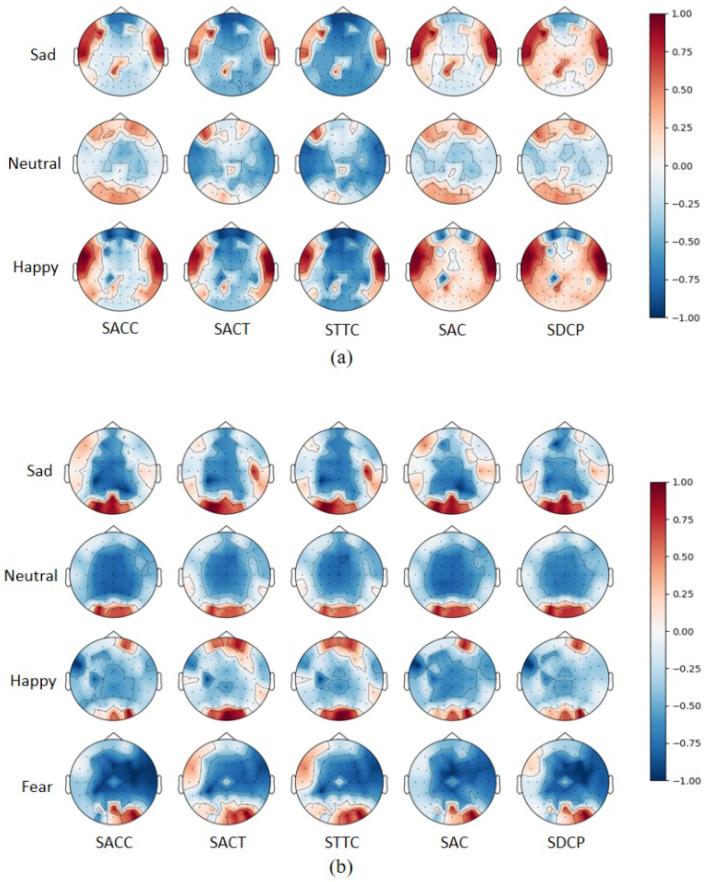 Figure 9
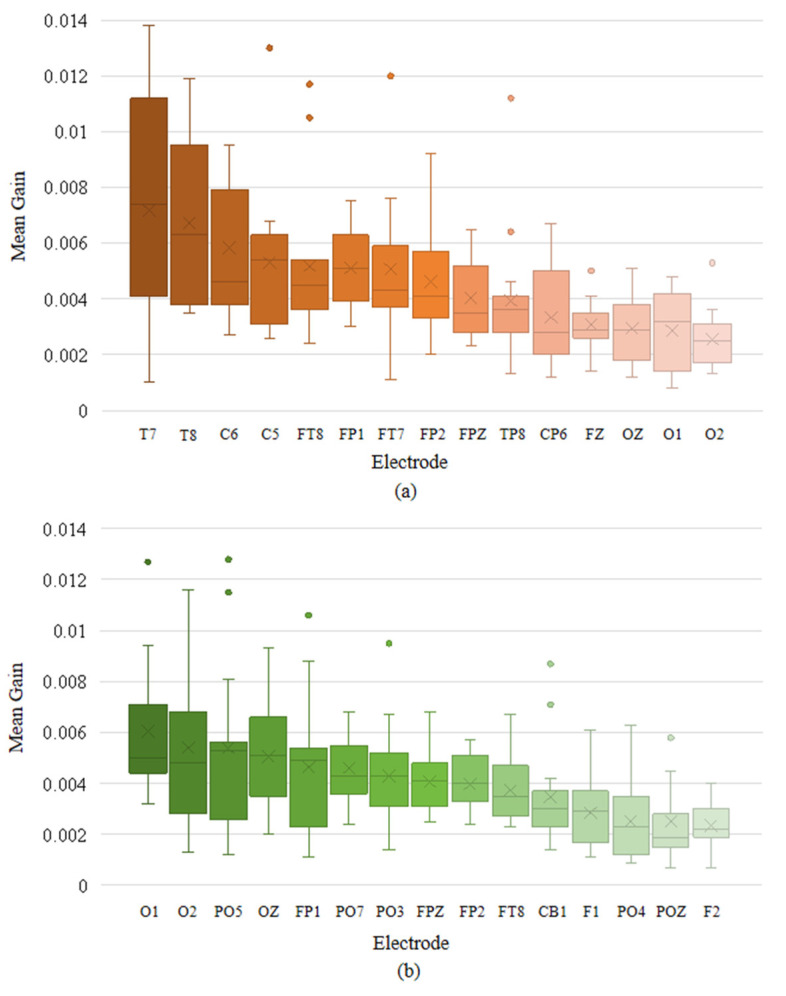 Figure 10
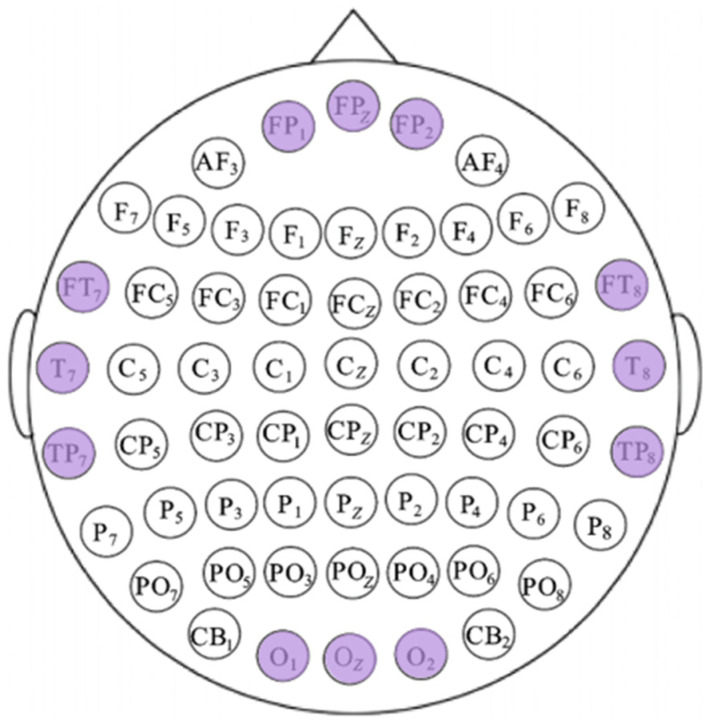 Figure 11
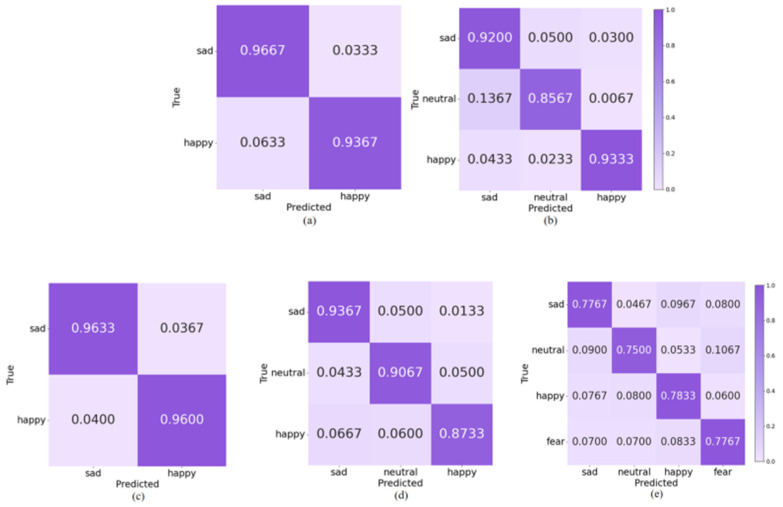 Figure 12
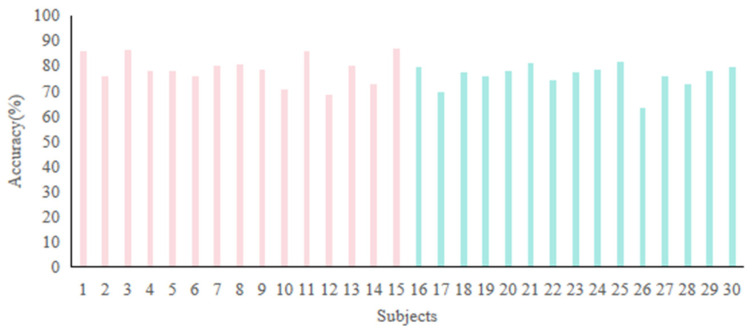 Figure 13
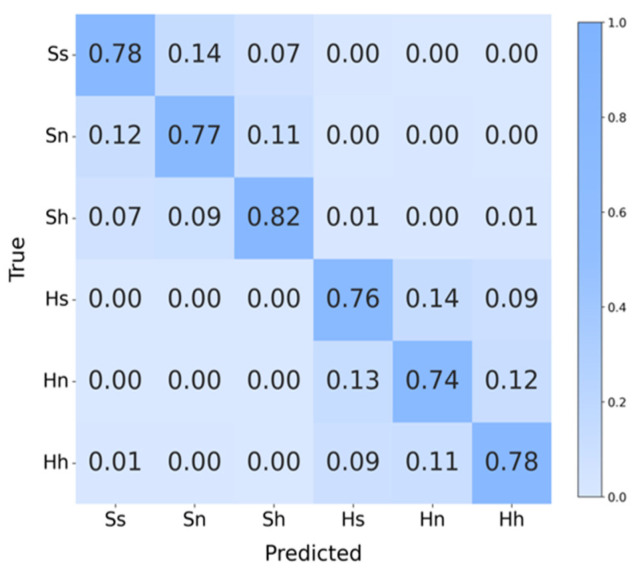 Figure 14
Peer Reviews
No public reviews on file for this paper yet. If you reviewed it on a platform where reviews are public (OpenReview, ICLR, NeurIPS, ICML), you can paste yours below so the community can read it here.
Videos
No videos yet. Explain this paper in a talk, walkthrough, or lecture? Add one.
Taxonomy
TopicsEEG and Brain-Computer Interfaces · Emotion and Mood Recognition · Blind Source Separation Techniques