Specific Phenylpropanoid Oligomerization in a Neutral Environment by the Recombinant Alkaline Laccase from Paramyrothecium roridum VKM F-3565
Zhanna V. Renfeld, Alexey M. Chernykh, Sofia Yu. Gorina, Boris P. Baskunov, Olga V. Moiseeva, Natalia V. Trachtmann, Shamil Z. Validov, Marina P. Kolomytseva

TL;DR
A recombinant laccase from a fungus can specifically create phenylpropanoid oligomers in neutral conditions, avoiding unwanted byproducts.
Contribution
A novel recombinant alkaline laccase enables specific phenylpropanoid oligomerization in neutral environments.
Findings
The recombinant laccase achieves specific phenylpropanoid oligomerization in neutral pH.
The enzyme has high N-glycosylation and a molecular weight of 97 kDa.
The laccase is resistant to surfactants and EDTA in neutral conditions.
Abstract
Fungal laccases oxidize a wide range of substrates with a diverse spectrum of subsequent non-specific free radical reactions, leading to the production of unwanted byproducts. This work describes a unique recombinant alkaliphilic laccase from Paramyrothecium roridum VKM F-3565 capable of performing specific oligomerization of phenylpropanoids (precursors of natural lignin and lignans) in a neutral environment, thus preventing the reverse reaction of depolymerization which occurs in an acidic environment. The recombinant alkaliphilic laccase from P. roridum VKM F-3565 with a specific enzyme activity of about 154.0 U/mg (in the reaction with 1 mM ABTS) was obtained using a Komagataella phaffii transformant with a yield of 20 ± 1.5 mg/L. The recombinant laccase had an increased degree of N-glycosylation (MW = 97 kDa), higher pH optimum in reaction with phenylpropanoids and a decreased…
Genes, proteins, chemicals, diseases, species, mutations and cell lines named across the full text — each resolved to its canonical identifier and authoritative record.
Click any figure to enlarge with its caption.
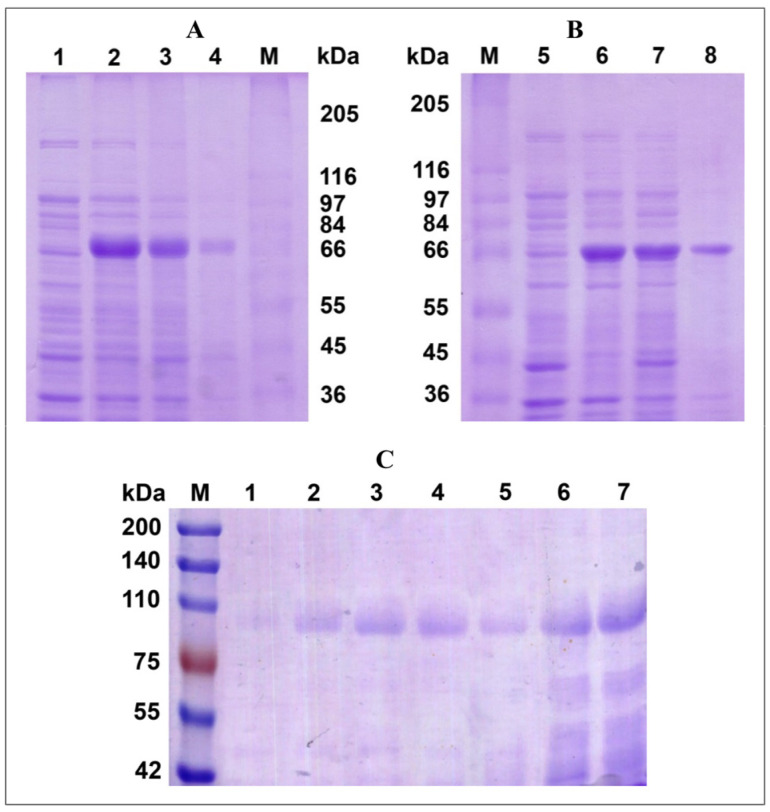 Figure 1
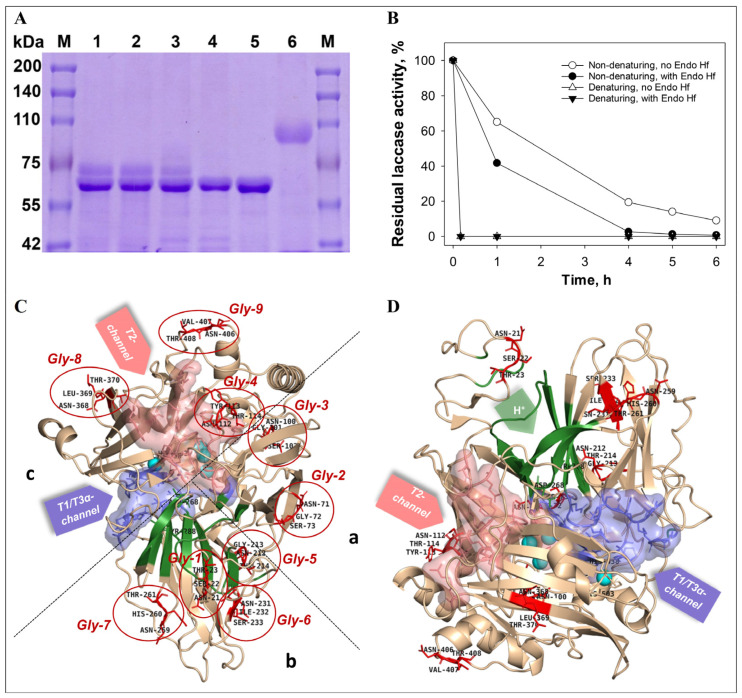 Figure 2
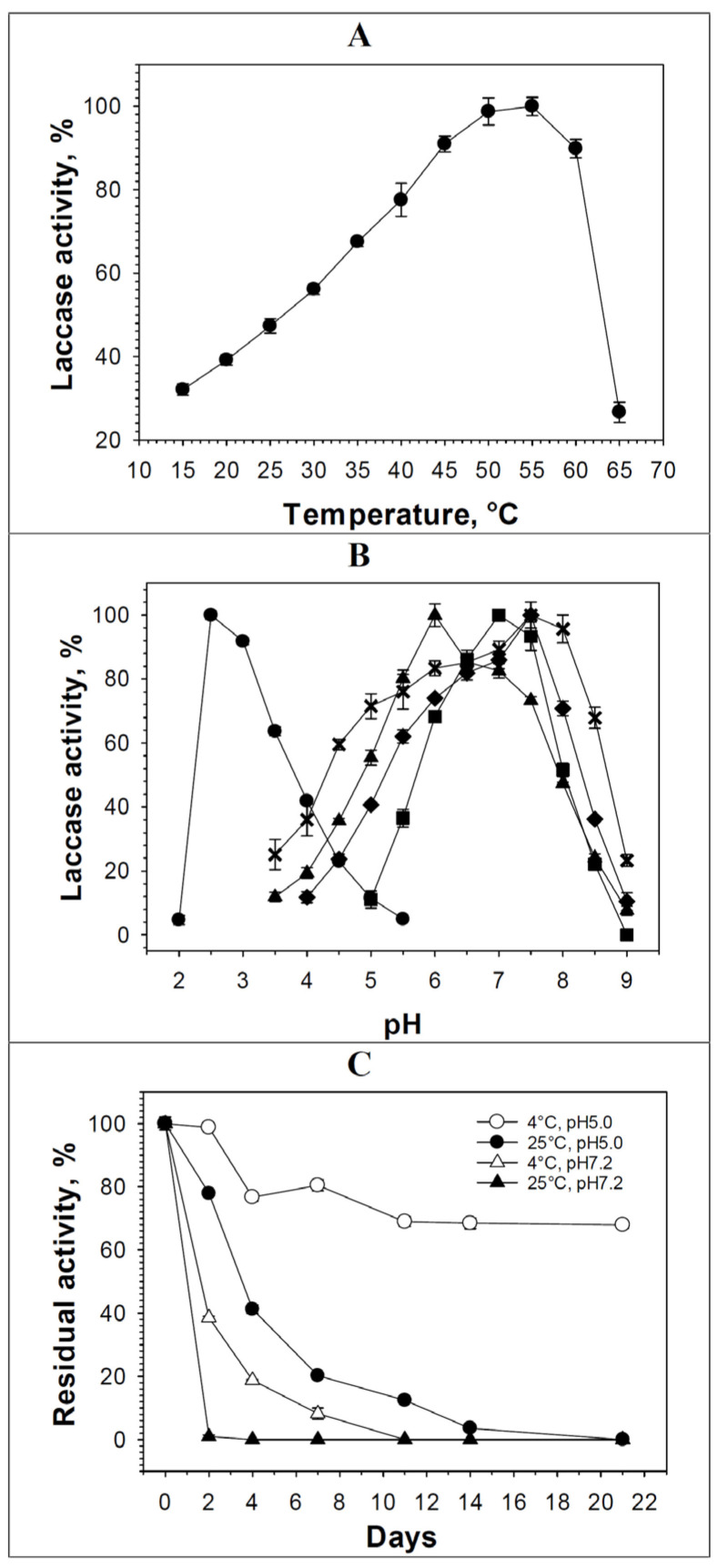 Figure 3
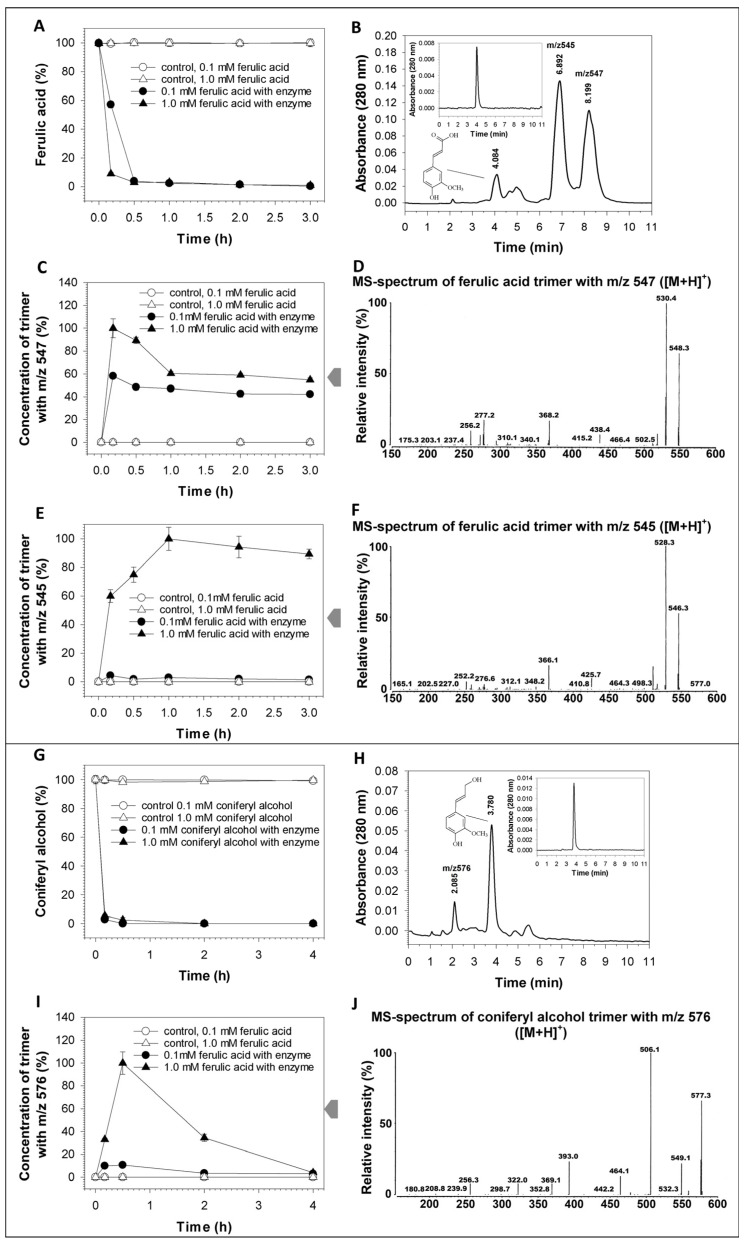 Figure 4
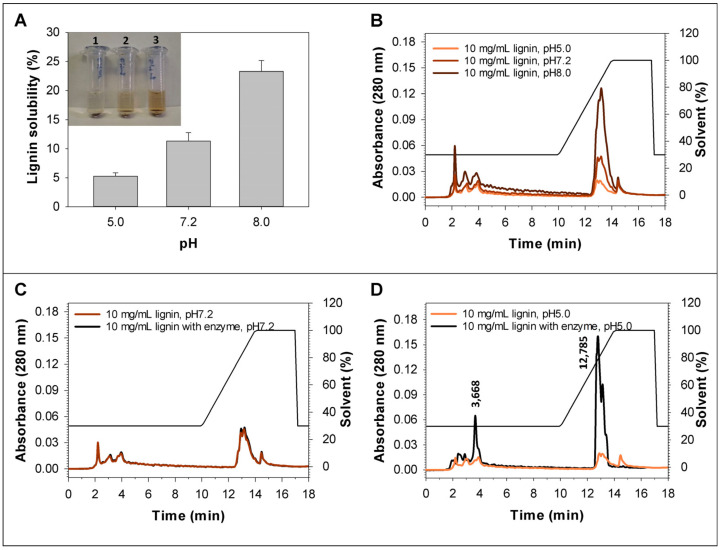 Figure 5
Peer Reviews
No public reviews on file for this paper yet. If you reviewed it on a platform where reviews are public (OpenReview, ICLR, NeurIPS, ICML), you can paste yours below so the community can read it here.
Videos
No videos yet. Explain this paper in a talk, walkthrough, or lecture? Add one.
Taxonomy
TopicsEnzyme-mediated dye degradation · Biochemical and biochemical processes · melanin and skin pigmentation