Kaempferol Regulates Lipid Homeostasis, Endocannabinoid System, and PPARα in Rat Cerebral Cortex Following BCCAO/R
Gianfranca Carta, Maria Pina Serra, Elisabetta Murru, Marianna Boi, Claudia Manca, Ylenia Lai, Monica Cabboi, Antonella Carta, Sebastiano Banni, Marina Quartu

TL;DR
Kaempferol, a dietary flavonoid, reduces brain inflammation in rats by regulating lipid metabolism and anti-inflammatory pathways.
Contribution
This study reveals a dual anti-inflammatory mechanism of kaempferol involving COX-2 inhibition and PPARα activation in a brain hypoperfusion model.
Findings
Kaempferol increased anti-inflammatory N-acylethanolamines and reduced oxidized arachidonic acid metabolites in the frontal cortex.
Kaempferol downregulated COX-2 and 2-AG while upregulating PPARα, CB1R, and CB2R, indicating anti-inflammatory pathway activation.
Plasma levels of DHAEA increased, but PEA and OEA rises were observed only in sham-operated animals, suggesting central redistribution.
Abstract
Previous research has demonstrated that the transient bilateral common carotid artery occlusion and reperfusion (BCCAO/R) effectively models early brain inflammation resulting from sudden hypoperfusion and subsequent reperfusion. According to studies showing that diet and nutrition strongly influence brain neuroplasticity, in this study we evaluated whether kaempferol (KAM), a dietary flavonoid, offers neuroprotection in a rat BCCAO/R model. Adult Wistar rats were gavage fed a single dose of KAM (40 mg) six hours before surgery. Comprehensive lipidomic and molecular analyses were conducted on samples from the frontal and temporal-occipital cortices, as well as the plasma. In the frontal cortex, KAM elevated anti-inflammatory N-acylethanolamines palmitoylethanolamide (PEA), oleoylethanolamide (OEA), and docosahexaenoylethanolamide (DHAEA) and reduced oxidized arachidonic acid…
Genes, proteins, chemicals, diseases, species, mutations and cell lines named across the full text — each resolved to its canonical identifier and authoritative record.
Click any figure to enlarge with its caption.
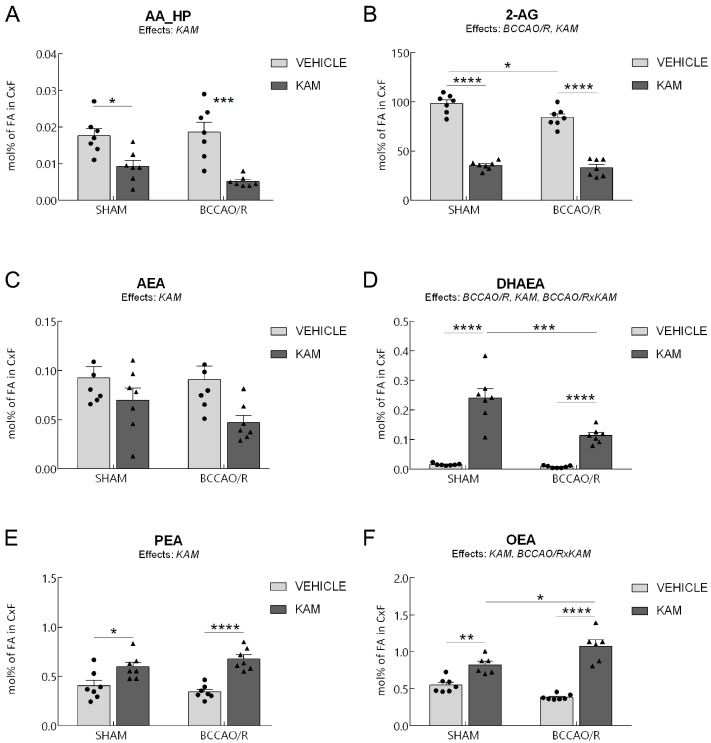 Figure 1
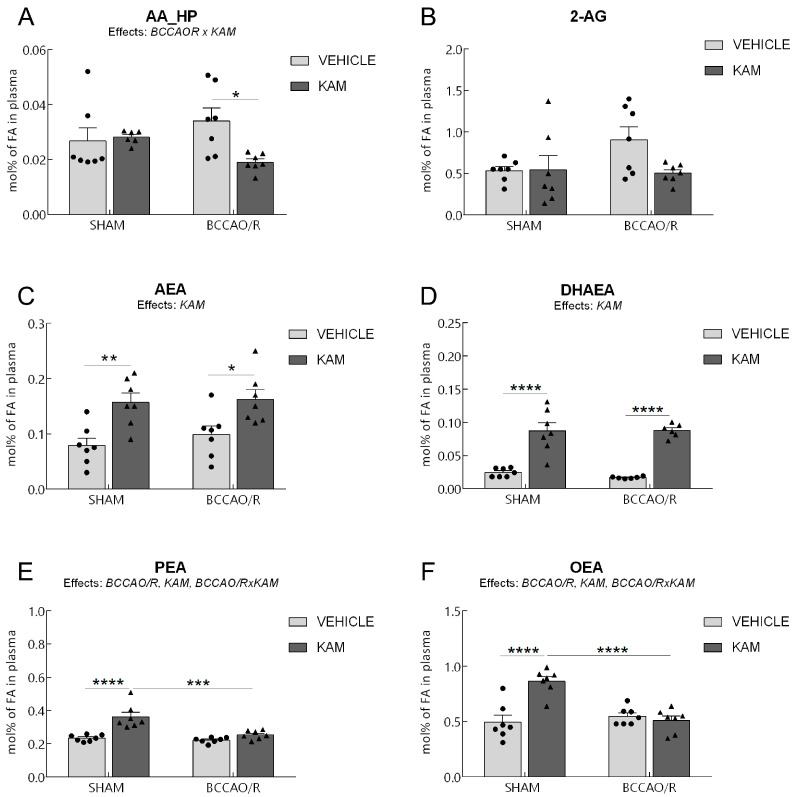 Figure 2
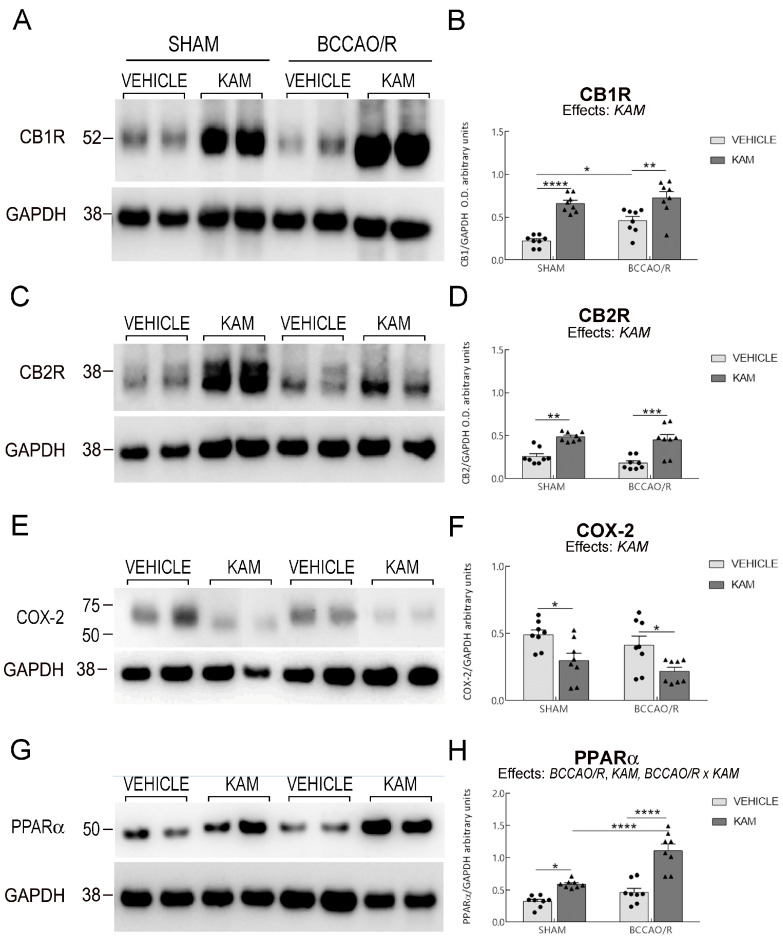 Figure 3
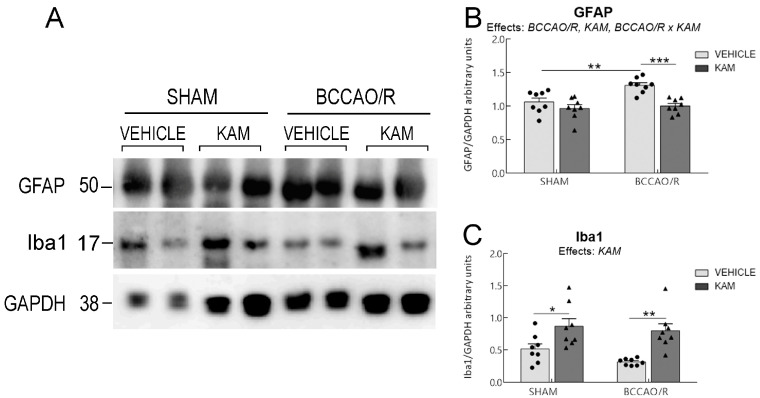 Figure 4
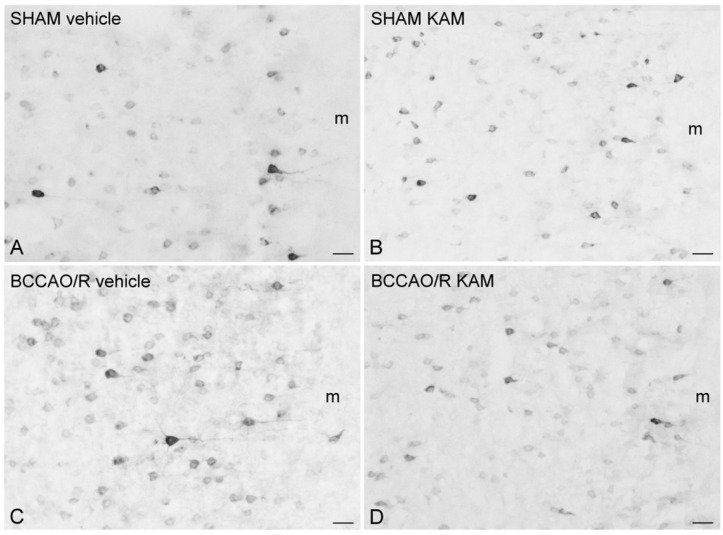 Figure 5
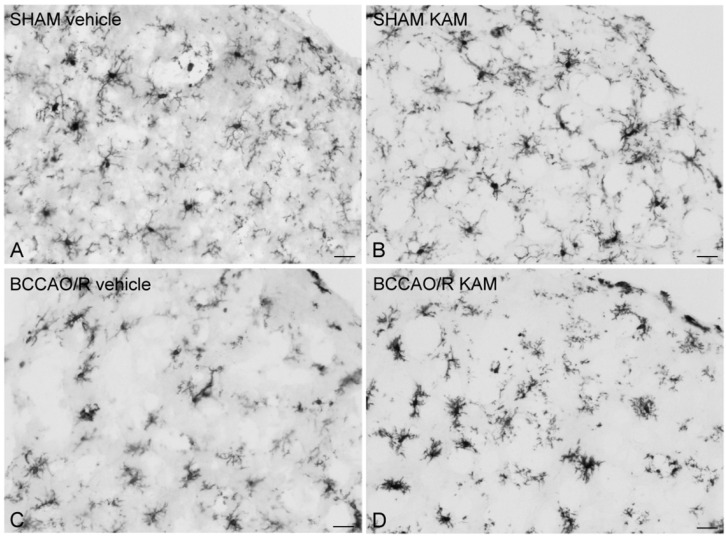 Figure 6
Peer Reviews
No public reviews on file for this paper yet. If you reviewed it on a platform where reviews are public (OpenReview, ICLR, NeurIPS, ICML), you can paste yours below so the community can read it here.
Videos
No videos yet. Explain this paper in a talk, walkthrough, or lecture? Add one.
Taxonomy
TopicsPeroxisome Proliferator-Activated Receptors · Metabolism and Genetic Disorders · Diet and metabolism studies