Structure–Function Insights into Frog Skin Peptides Reveal Potent Inhibition of West Nile Virus Entry
Carla Zannella, Annalisa Chianese, Rosa Giugliano, Valeria Stefanizzi, Alessandra Monti, Nunzianna Doti, Emilia Palazzotto, Floriana Bonura, Giovanni M. Giammanco, Antonio Mastino, Simona De Grazia, Francesca Marino-Merlo, Massimiliano Galdiero, Anna De Filippis

TL;DR
Scientists discovered frog skin peptides that effectively block West Nile virus entry, offering a potential new treatment.
Contribution
Two new frog-derived peptides with potent antiviral activity against WNV are identified and characterized.
Findings
AR-23 and RV-23 peptides inhibit WNV during early infection stages by interacting with viral particles.
The peptides show greater efficacy and lower cytotoxicity compared to melittin.
Molecular docking suggests interactions with the viral E glycoprotein.
Abstract
Over the past five decades, the emergence and re-emergence of multiple flaviviruses have triggered significant global outbreaks, posing serious threats to public health. Among them, West Nile virus (WNV) is a major cause of mosquito-borne illness, typically presenting as an acute systemic febrile disease and, in some cases, progressing to the central nervous system involvement. No specific antiviral therapies or effective vaccines are available for WNV infections. In this context, antimicrobial peptides (AMPs) with antiviral properties—known as antiviral peptides (AVPs)—have gained attention as potential therapeutic agents due to their ability to interfere with various stages of the viral life cycle. Two frog-derived melittin-like peptides, AR-23 and RV-23, were synthesized and purified, and their hemolytic activity was assessed on human erythrocytes. Antiviral activity against WNV was…
Genes, proteins, chemicals, diseases, species, mutations and cell lines named across the full text — each resolved to its canonical identifier and authoritative record.
Click any figure to enlarge with its caption.
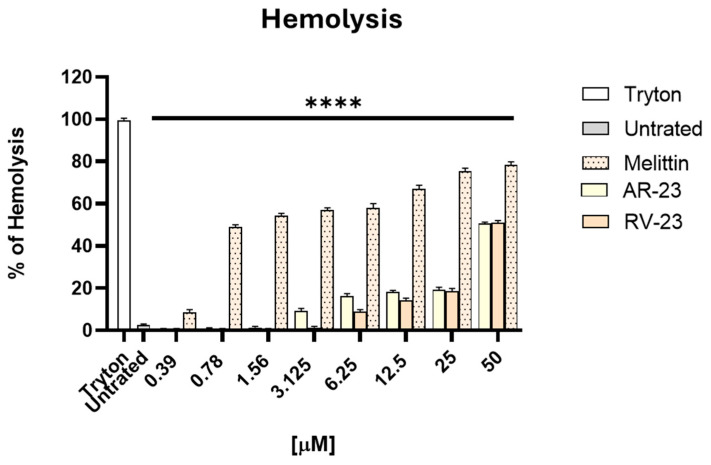 Figure 1
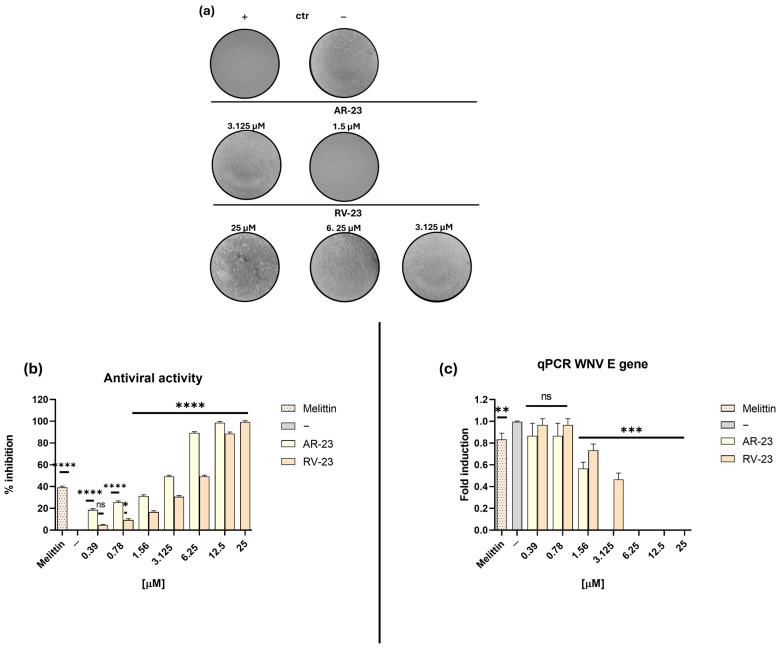 Figure 2
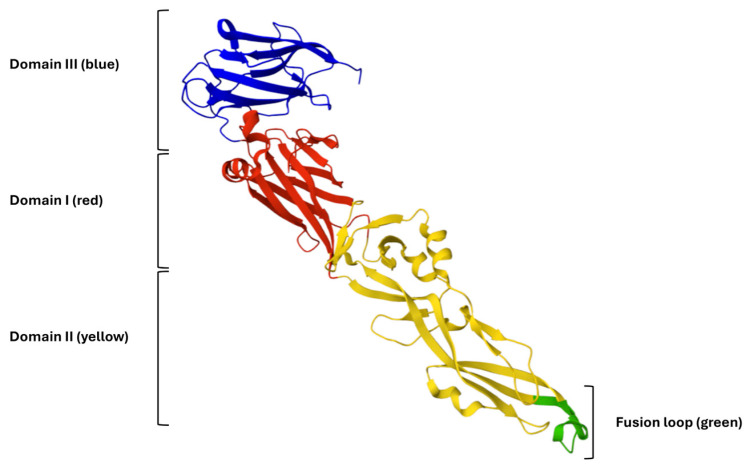 Figure 3
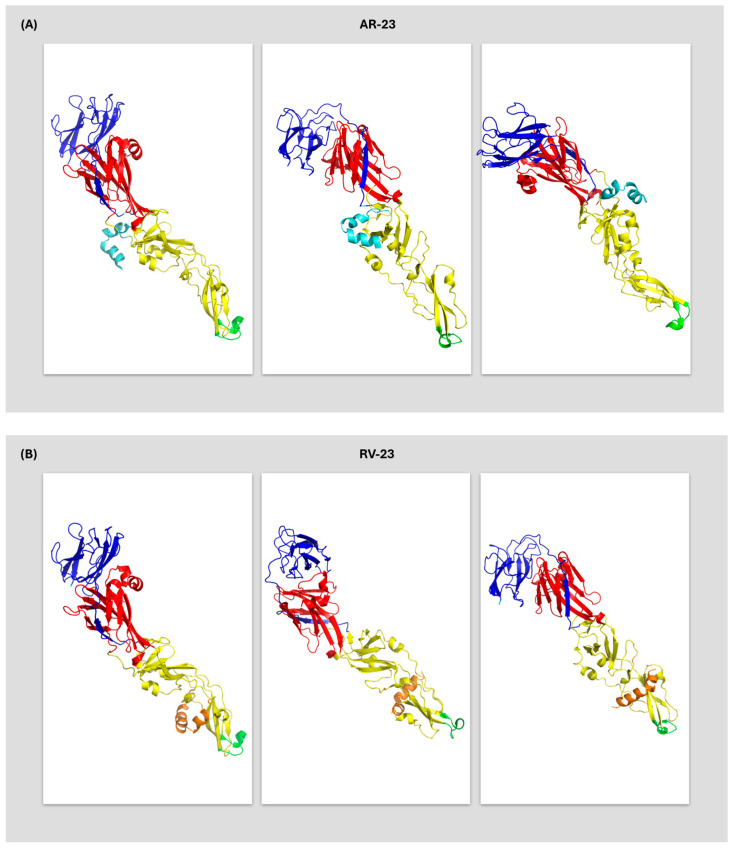 Figure 4
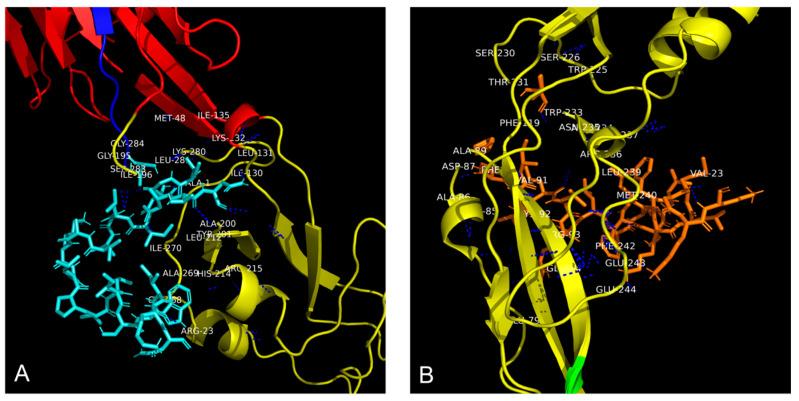 Figure 5
Peer Reviews
No public reviews on file for this paper yet. If you reviewed it on a platform where reviews are public (OpenReview, ICLR, NeurIPS, ICML), you can paste yours below so the community can read it here.
Videos
No videos yet. Explain this paper in a talk, walkthrough, or lecture? Add one.
Taxonomy
TopicsMosquito-borne diseases and control · Antimicrobial Peptides and Activities · Viral Infections and Vectors