CDK4/6 Inhibitors in Patients Aged 80 and Older with HR+/HER2− Metastatic Breast Cancer: A Real-World Multicenter Study
Palma Fedele, Matteo Landriscina, Lucia Moraca, Antonio Cusmai, Antonio Gnoni, Antonella Licchetta, Laura Lanotte, Maria Nicla Pappagallo, Assunta Melaccio, Guido Giordano, Felicia Maria Maselli, Francesco Giuliani, Vincenzo Chiuri, Francesco Giotta, Federica Fumai

TL;DR
This study shows that CDK4/6 inhibitors can be safely and effectively used in patients aged 80 and older with a specific type of breast cancer, with outcomes similar to younger patients.
Contribution
The study provides real-world evidence on the safety and efficacy of CDK4/6 inhibitors in patients aged 80 and older with HR+/HER2− metastatic breast cancer.
Findings
Treatment with CDK4/6 inhibitors in patients aged ≥80 was feasible and well tolerated with comparable survival outcomes to younger populations.
Hematologic toxicity was common but mostly manageable, with neutropenia affecting 58.8% of patients.
Median progression-free survival was 13 months and median overall survival was 15 months in this elderly cohort.
Abstract
Older adults aged 80 years and above are rarely included in clinical trials evaluating cyclin-dependent kinase 4/6 (CDK4/6) inhibitors, leaving clinicians with little evidence to guide treatment decisions in this growing patient population. We conducted a multicenter, retrospective study across seven Italian oncology units to describe real-world outcomes of patients aged ≥80 years with HR+/HER2− metastatic breast cancer treated with CDK4/6 inhibitors plus endocrine therapy. Despite frailty and frequent comorbidities, treatment was feasible and generally well tolerated, with survival outcomes comparable to those reported in younger populations. These findings support individualized treatment strategies and suggest that advanced age alone should not preclude the use of CDK4/6 inhibitors Background: Older adults aged ≥80 with HR+/HER2− metastatic breast cancer (MBC) are often…
Genes, proteins, chemicals, diseases, species, mutations and cell lines named across the full text — each resolved to its canonical identifier and authoritative record.
Click any figure to enlarge with its caption.
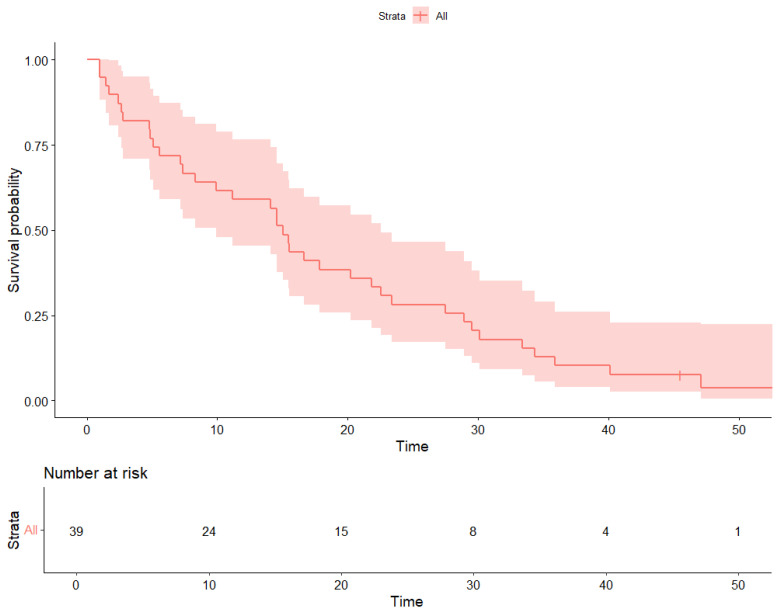 Figure 1
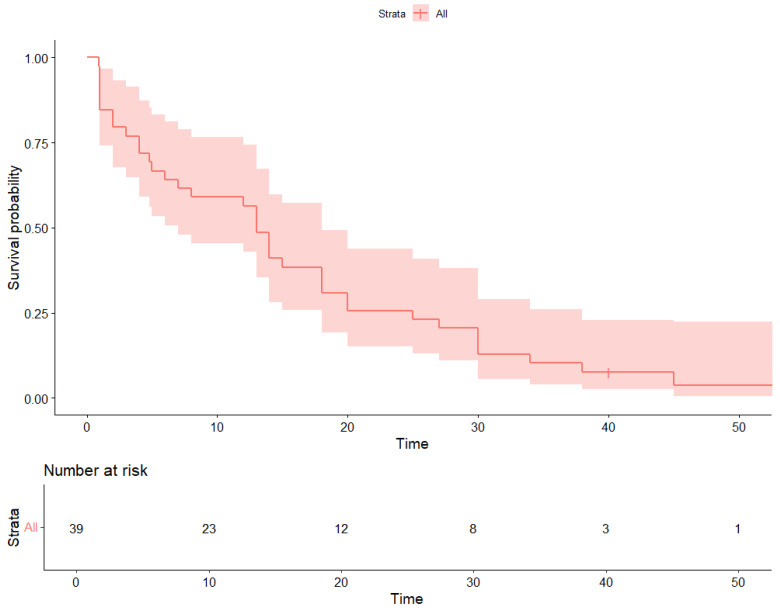 Figure 2
Peer Reviews
No public reviews on file for this paper yet. If you reviewed it on a platform where reviews are public (OpenReview, ICLR, NeurIPS, ICML), you can paste yours below so the community can read it here.
Videos
No videos yet. Explain this paper in a talk, walkthrough, or lecture? Add one.
Taxonomy
TopicsAdvanced Breast Cancer Therapies · Breast Cancer Treatment Studies · Cancer-related cognitive impairment studies