Inhibiting Fatty Acid Oxidation Suppresses Acquired Resistance to Standard Chemotherapy in Melanoma
Wonyoung Choi, Woojin Ham, Jeong Hwan Park, Sung Hoon Sim, Jung Won Chun, Mingyu Kang, Chaeyoung Kim, Woosol Hong, Eun-Byeol Koh, Joon Hee Kang, Sang Myung Woo, Soo-Youl Kim

TL;DR
Blocking fatty acid oxidation makes melanoma cells more vulnerable to chemotherapy, potentially overcoming drug resistance.
Contribution
The study shows that inhibiting fatty acid oxidation can suppress acquired resistance to chemotherapy in melanoma.
Findings
Blocking fatty acid oxidation increased cell death in melanoma cells treated with Dacarbazine or Dabrafenib.
Combining FAO inhibitors with chemotherapy drugs led to near-complete remission in melanoma xenograft models.
The effect was observed regardless of RAF mutation status in melanoma cells.
Abstract
Immunotherapy and RAF-targeted therapy have become standard treatments for melanoma, significantly improving outcomes compared to earlier therapies. When resistance to initial treatment develops, the older chemotherapy drug Dacarbazine is used. However, resistance to both therapies has emerged, promoting ongoing research to further enhance survival rates. Among various theories, autophagy is believed to play a critical role in acquired drug resistance, as increased autophagy has been observed in resistance to multiple anticancer agents. In this study, Dabrafenib was administered to melanoma cells with an RAF mutation, while Dacarbazine was given to cells with an Raf wild type. Both cell lines showed increased autophagy and FAO following treatment with the anticancer drugs. When FAO was blocked during drug treatment, melanoma cells became more susceptible to cell death. In xenograft…
Genes, proteins, chemicals, diseases, species, mutations and cell lines named across the full text — each resolved to its canonical identifier and authoritative record.
Click any figure to enlarge with its caption.
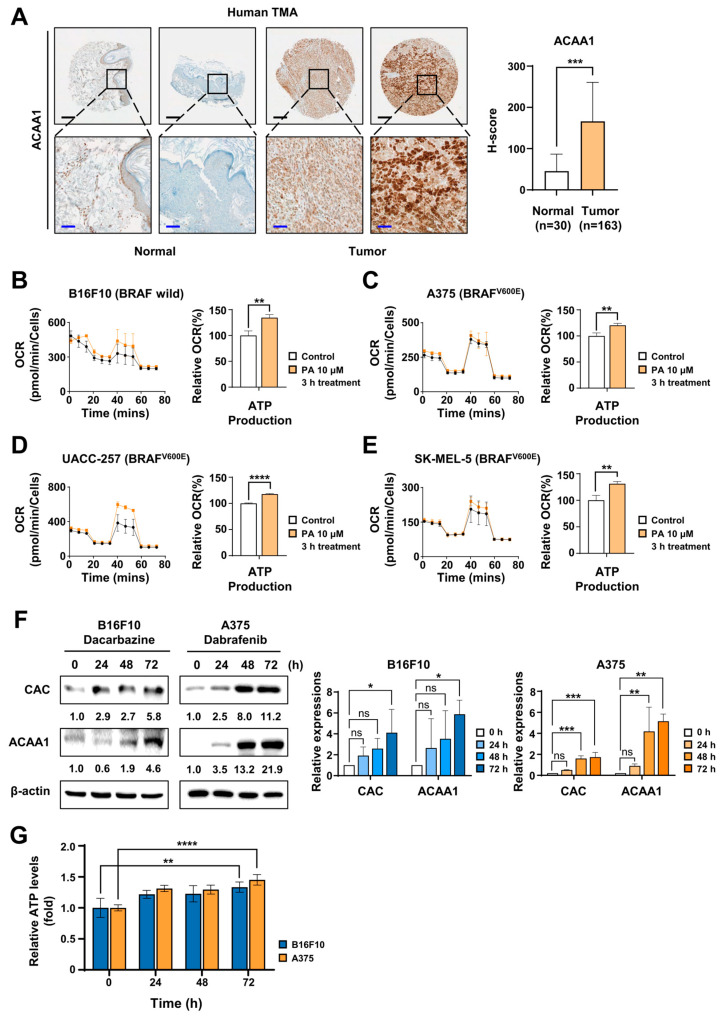 Figure 1
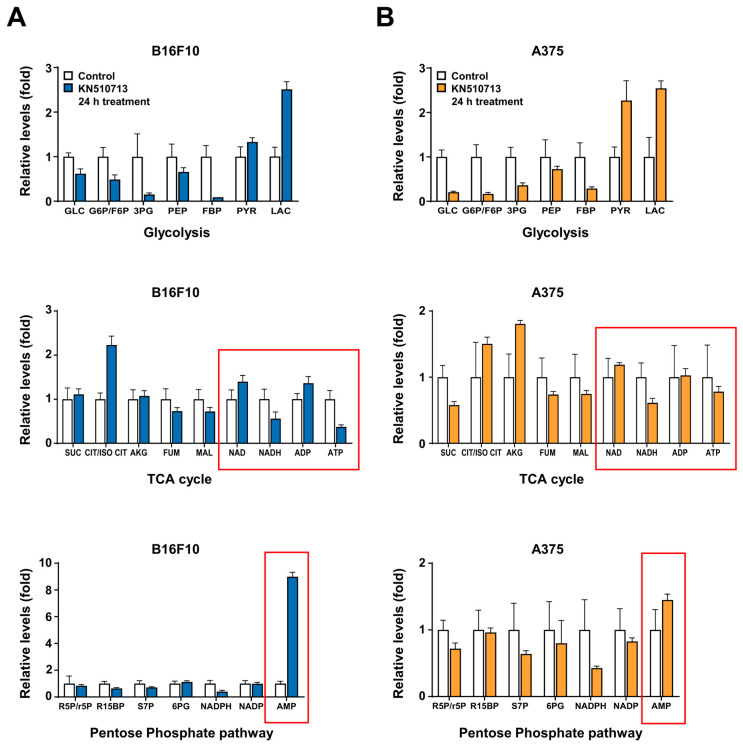 Figure 2
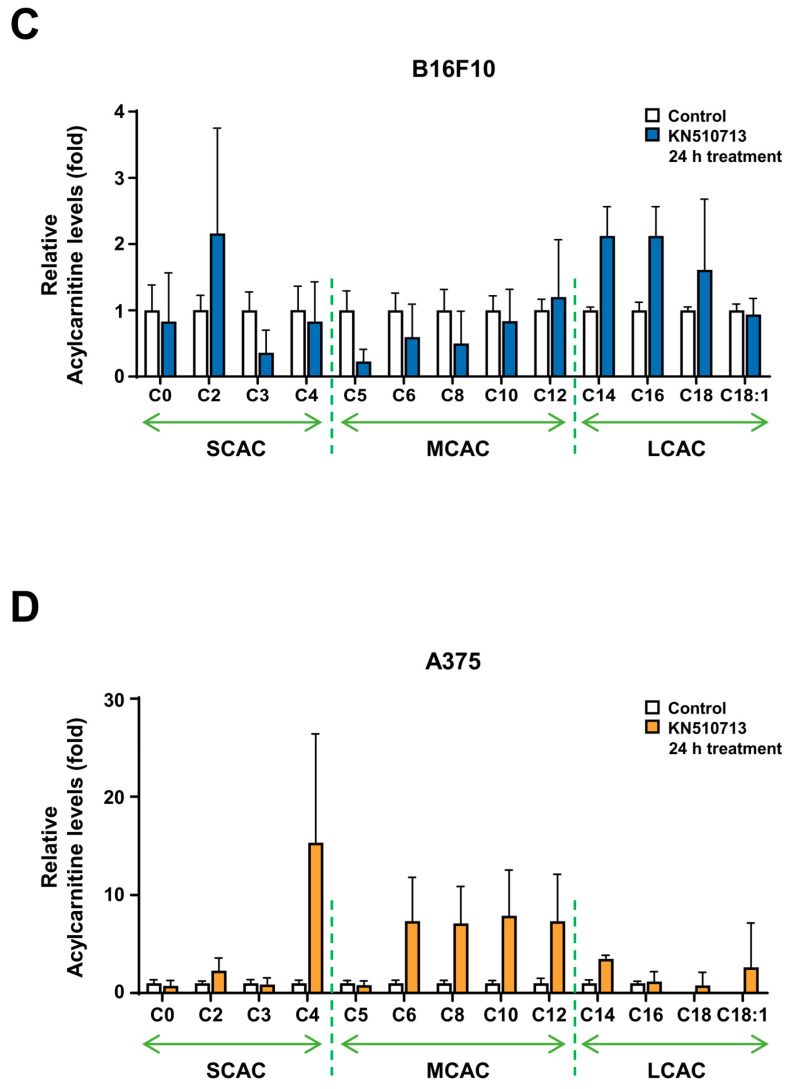 Figure 3
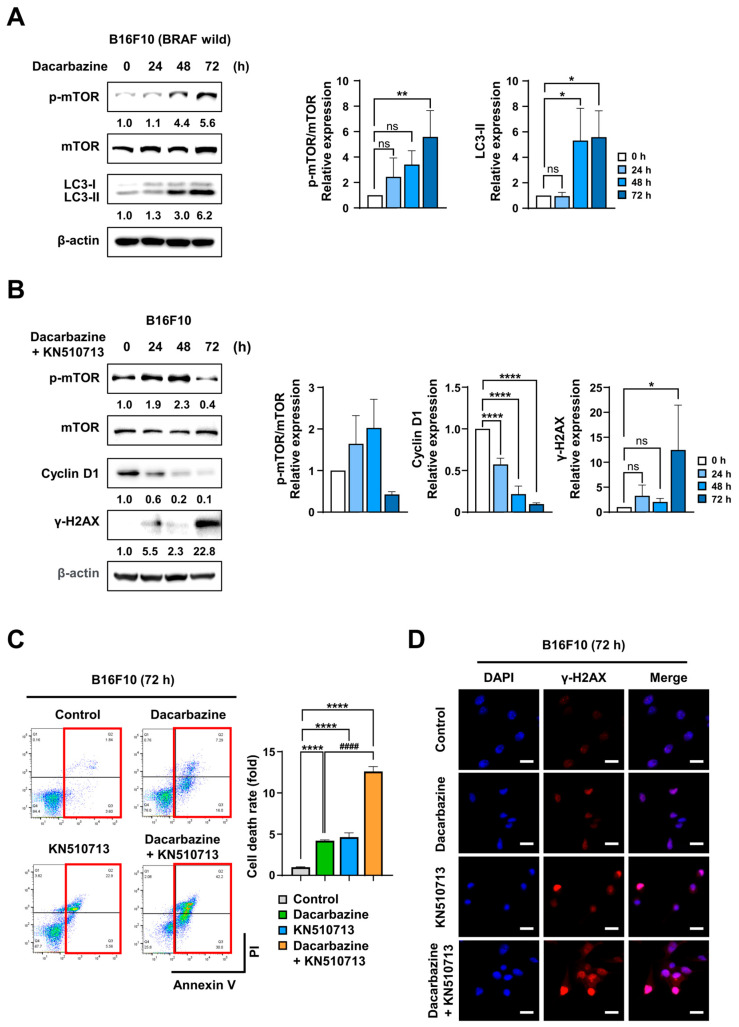 Figure 4
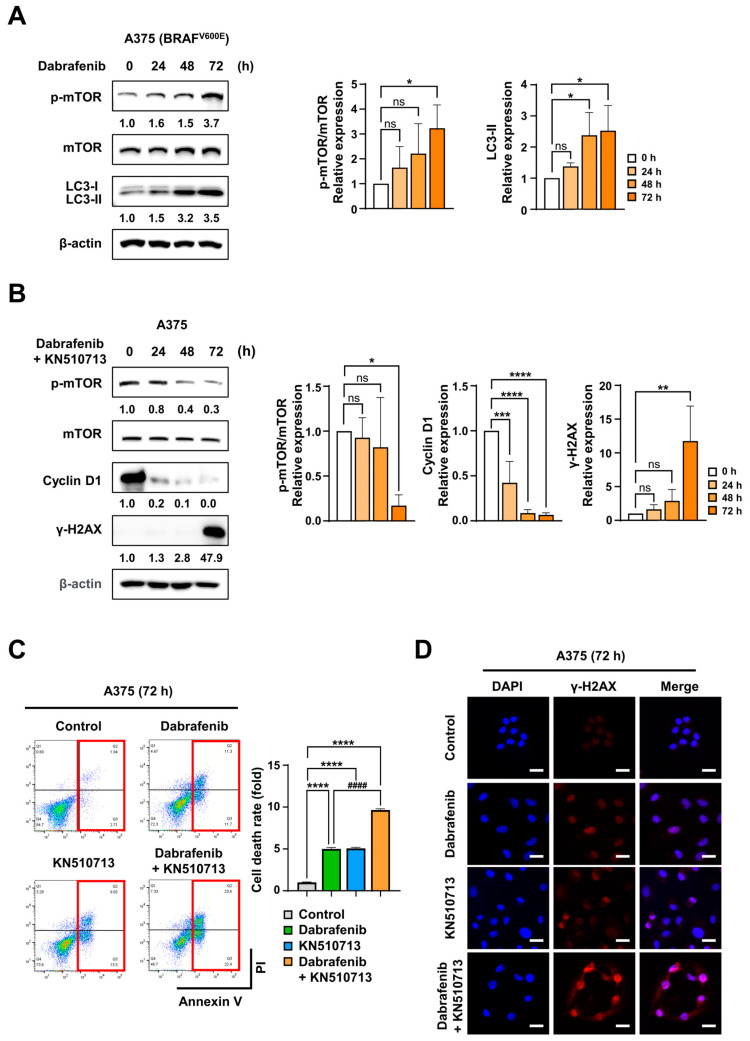 Figure 5
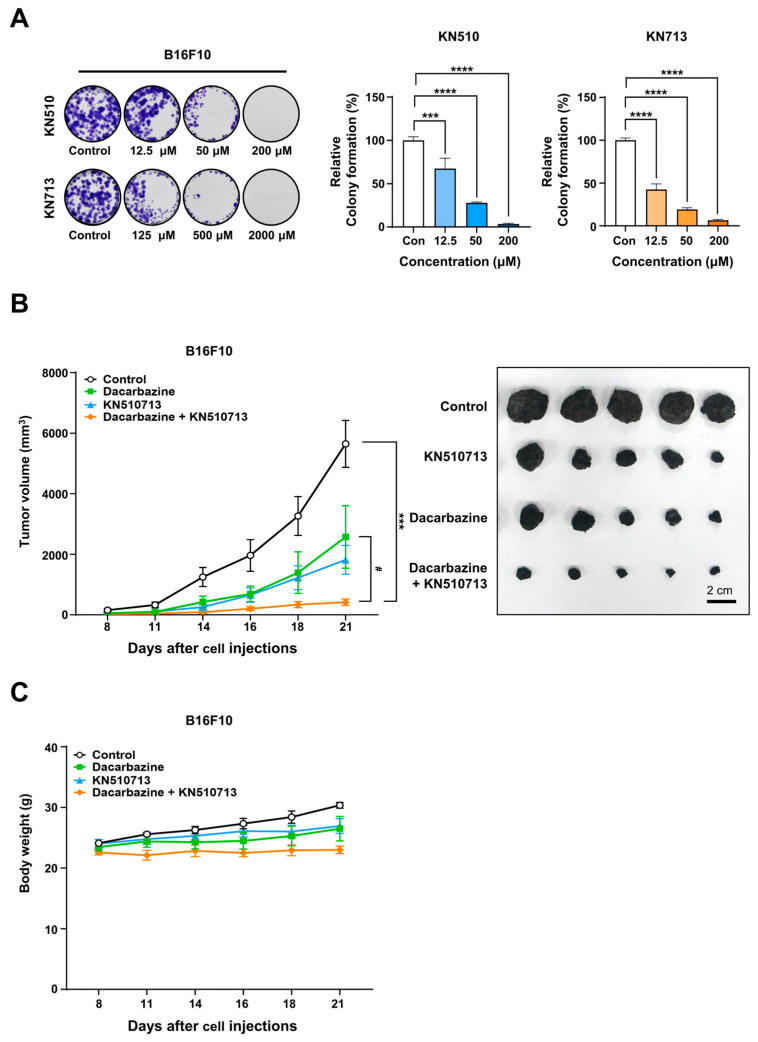 Figure 6
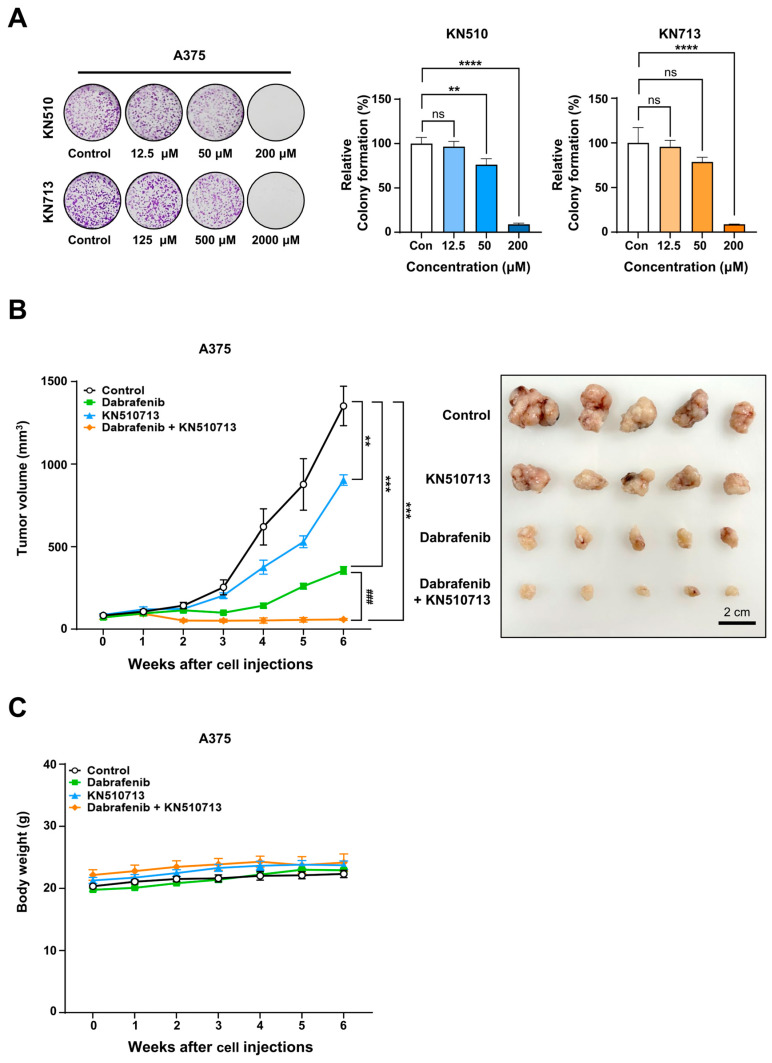 Figure 7
Peer Reviews
No public reviews on file for this paper yet. If you reviewed it on a platform where reviews are public (OpenReview, ICLR, NeurIPS, ICML), you can paste yours below so the community can read it here.
Videos
No videos yet. Explain this paper in a talk, walkthrough, or lecture? Add one.
Taxonomy
TopicsCancer, Stress, Anesthesia, and Immune Response · Cancer, Lipids, and Metabolism · Nanoplatforms for cancer theranostics