Neurobiological Correlates of Coping Strategies in PTSD: The Role of IGF-1, CASP-9, nNOS, and IL-10 Based on Brief-COPE Assessment
Barbara Paraniak-Gieszczyk, Ewa Alicja Ogłodek

TL;DR
This study explores how specific biomarkers relate to coping strategies in men with PTSD, showing that neurobiological imbalances correlate with impaired psychological coping.
Contribution
The study identifies novel associations between IGF-1, CASP-9, nNOS, and IL-10 with coping styles in PTSD, emphasizing their potential as therapeutic targets.
Findings
IGF-1 and IL-10 levels were highest in the No PTSD group and lowest in acute PTSD, indicating neuroprotective and anti-inflammatory deficits.
CASP-9 and nNOS levels were highest in acute PTSD, with partial normalization in chronic PTSD, suggesting progressive biological and psychological depletion.
Low IGF-1 in acute PTSD correlated with poor emotion-oriented and general coping, while high CASP-9 in chronic PTSD linked to reduced task-oriented coping.
Abstract
Post-traumatic stress disorder (PTSD) is associated with long-term disturbances in stress regulation, neuroinflammation, and oxidative stress and reduced psychological coping capacity. The aim of the study was to assess the relationship between selected neurobiological biomarkers (Insulin-like Growth Factor 1—IGF-1; Caspase-9—CASP-9; Neuronal Nitric Oxide Synthase—nNOS; and Interleukin-10—IL-10) and coping styles evaluated using the Brief Coping Orientation to Problems Experienced (Brief-COPE) questionnaire in men with trauma experience. Particular emphasis was placed on analyzing the effect of PTSD chronicity (≤5 years vs. >5 years) on these relationships. The study included 92 adult men with a history of life-threatening situations. Participants were divided into three groups: PTSD within the past ≤5 years (n = 33), PTSD within the past >5 years (n = 31), and a No PTSD group (n = 28).…
Genes, proteins, chemicals, diseases, species, mutations and cell lines named across the full text — each resolved to its canonical identifier and authoritative record.
Click any figure to enlarge with its caption.
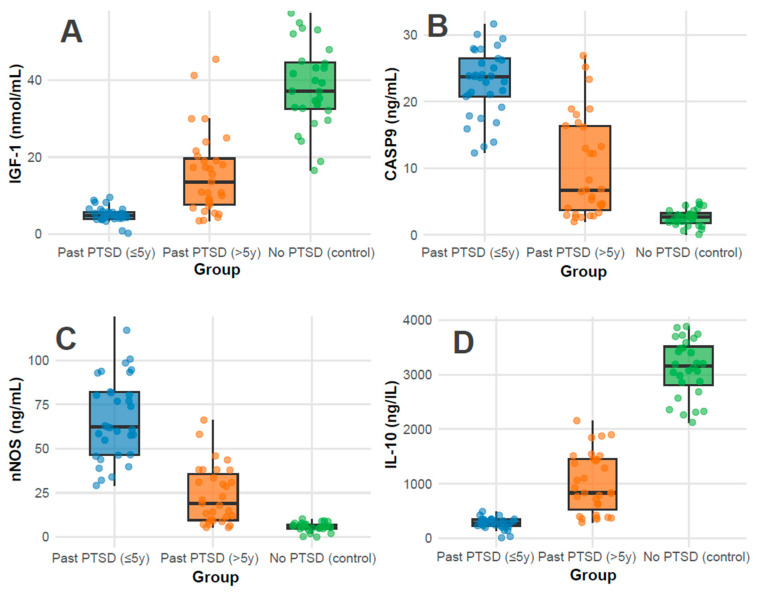 Figure 1
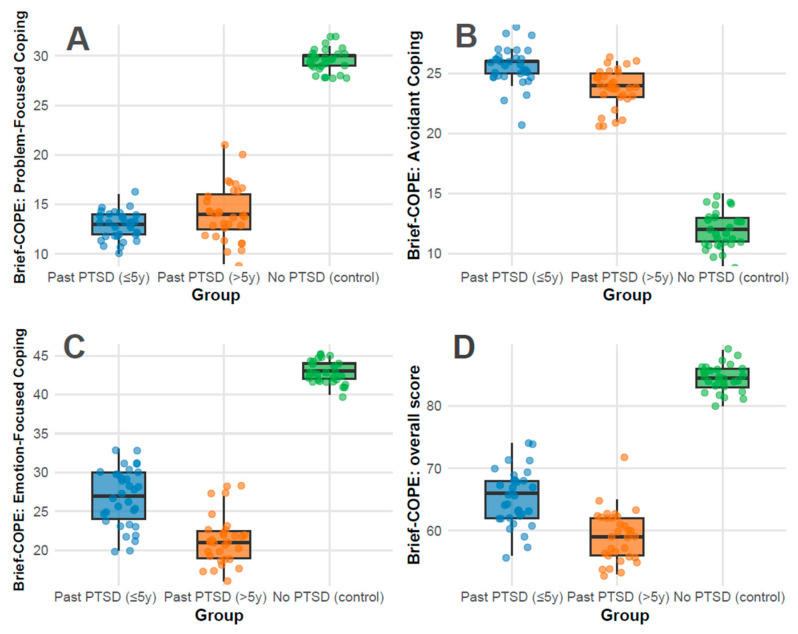 Figure 2
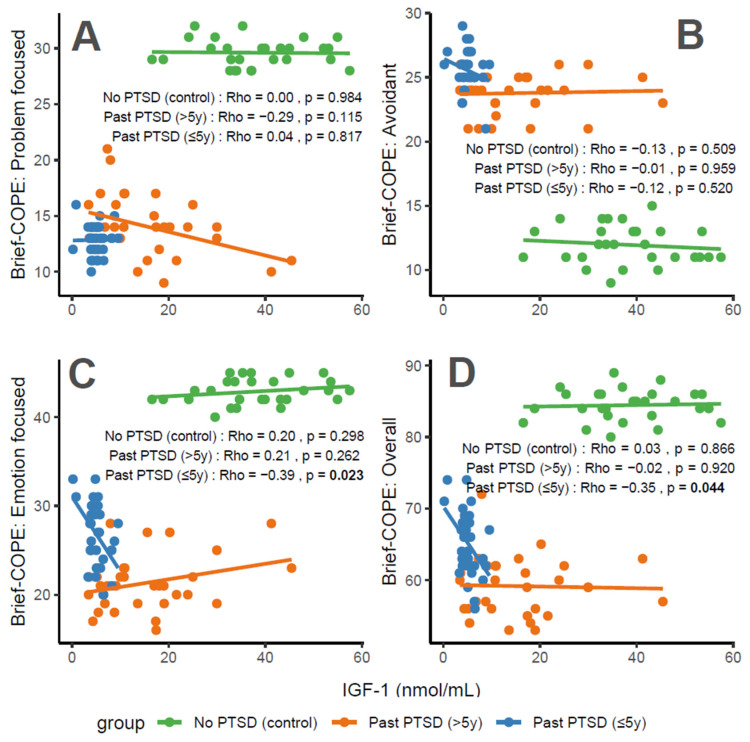 Figure 3
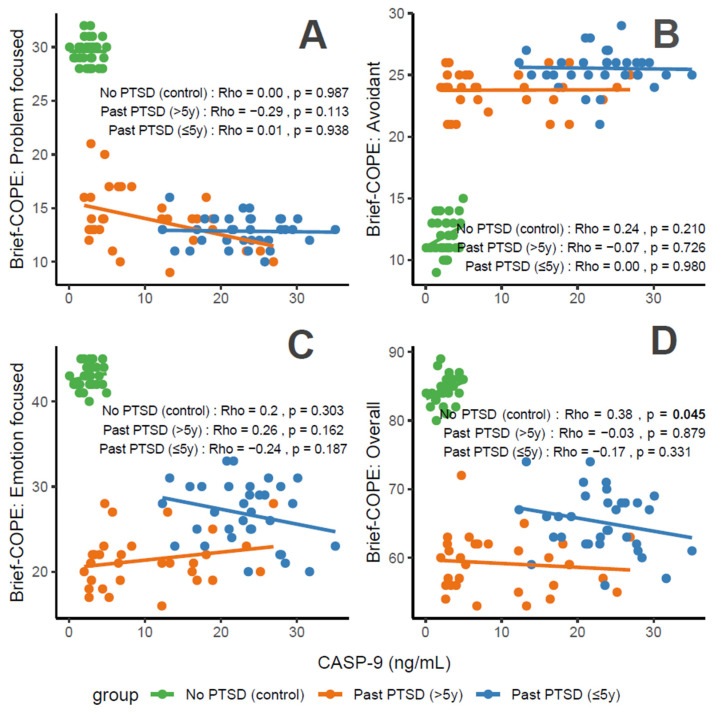 Figure 4
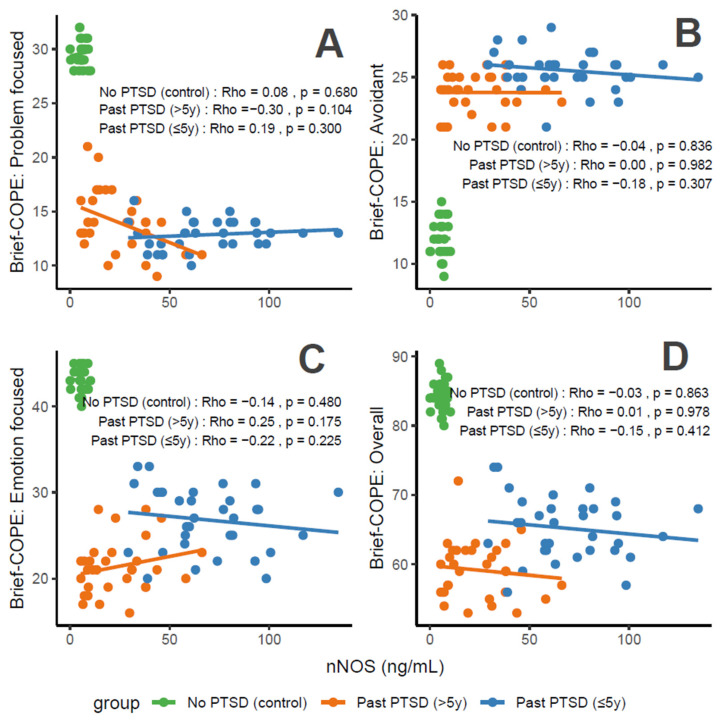 Figure 5
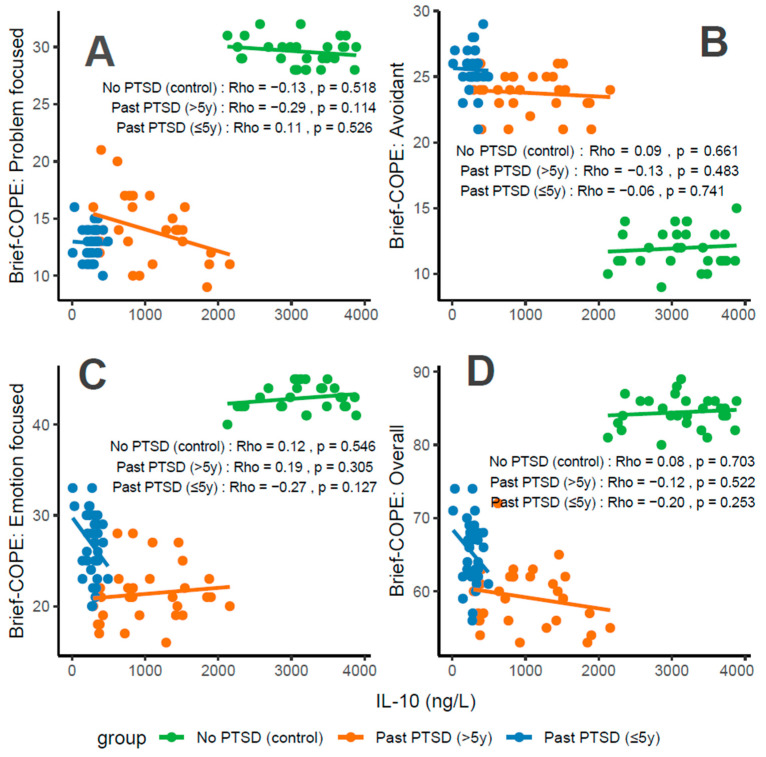 Figure 6
Peer Reviews
No public reviews on file for this paper yet. If you reviewed it on a platform where reviews are public (OpenReview, ICLR, NeurIPS, ICML), you can paste yours below so the community can read it here.
Videos
No videos yet. Explain this paper in a talk, walkthrough, or lecture? Add one.
Taxonomy
TopicsStress Responses and Cortisol · Anesthesia and Neurotoxicity Research · Cancer, Stress, Anesthesia, and Immune Response